

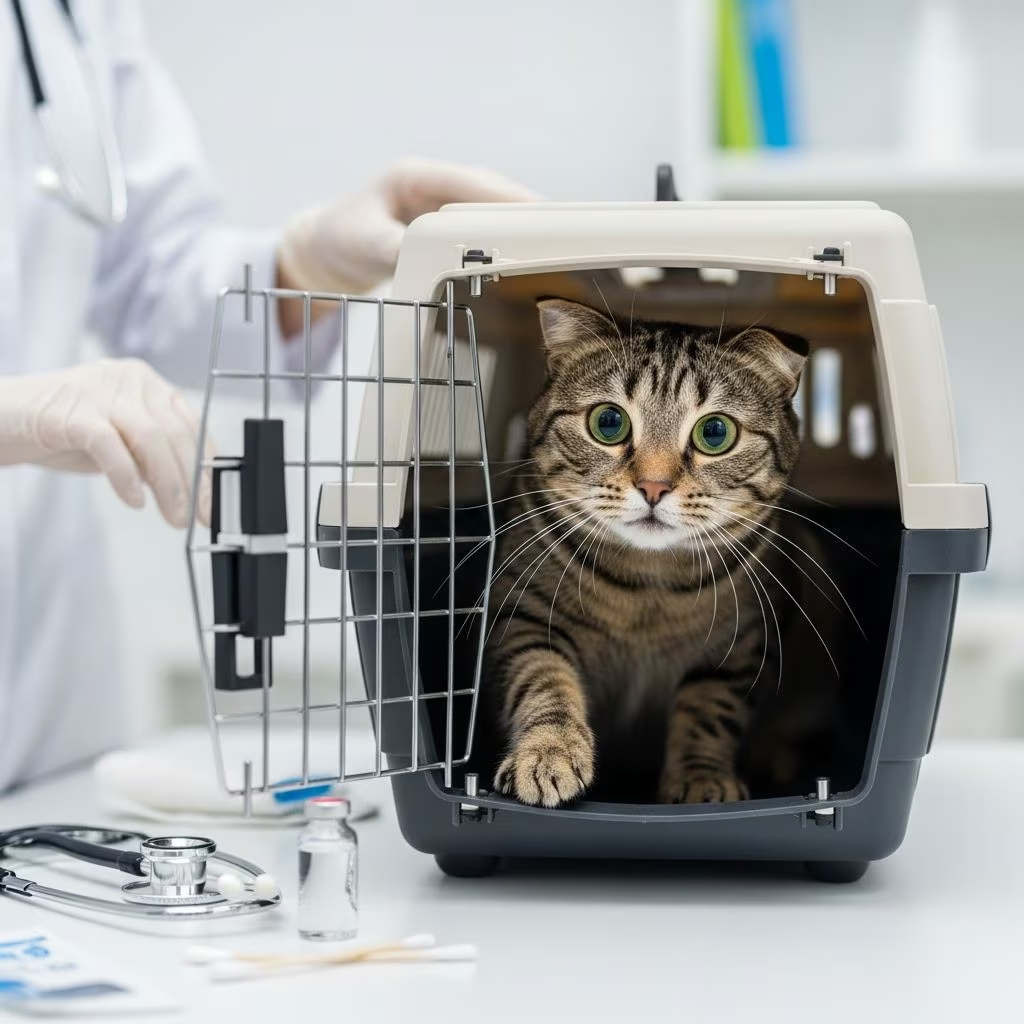
How to Get Your Cat to the Vet: 6 Vet-Approved Tips
Taking your cat to the veterinarian is one of the most important responsibilities of cat ownership. Regular vet visits ensure that your feline companion receives proper preventative care, early detection of health issues, and necessary treatments to maintain optimal health. However, many cat owners face a significant challenge: their cats are extremely resistant to veterinary visits.
The reality is that most cats do not enjoy going to the vet. This aversion stems from multiple sources of anxiety. Vet visits disrupt your cat’s familiar home environment, expose them to unfamiliar sounds and smells from other animals, and often involve handling by strangers. For rescue cats or those with previous negative experiences, this anxiety can be particularly severe. Additionally, if your cat is already experiencing pain or illness, the trip becomes even more stressful.
The good news is that with proper preparation and the right strategies, you can significantly reduce your cat’s anxiety and make vet visits more manageable. This comprehensive guide covers six vet-approved tips to help you get your cat to the vet without unnecessary stress or struggle.
Understanding Your Cat’s Fear of Vet Visits
Before diving into solutions, it’s important to understand why cats are so resistant to veterinary care. Cats are creatures of habit who thrive in predictable environments. Vet visits represent a sudden, unexpected disruption to their routine. They cannot understand verbal explanations or reassurance in the way humans do. When you suddenly grab your cat and place them in a carrier without warning, your cat experiences fear, uncertainty, and stress—especially if they’re already dealing with discomfort from illness or injury.
The vet clinic itself is an overwhelming sensory environment. Strange smells, unfamiliar people, loud noises, and the presence of other animals all contribute to heightened anxiety. For cats that have had negative experiences at the vet—such as painful procedures or injections—vet anxiety can become deeply ingrained.
Understanding this perspective helps you approach vet visits with compassion and patience, which is the foundation for implementing these six effective strategies.
The 6 Tips to Get Your Cat to the Vet
1. Don’t Prepare Quickly
One of the most common mistakes cat owners make is preparing for a vet appointment at the last minute. If you know your cat has an appointment on Thursday, don’t wait until Thursday morning to start getting them ready. This approach inevitably leads to stress for both you and your cat.
Instead, give your cat—and yourself—adequate time to prepare. Start making subtle changes to your routine days in advance. This might include placing the carrier in your living space a few days before the appointment, allowing your cat to become accustomed to its presence. The key is gradual, gentle preparation rather than sudden, jarring changes.
When you move slowly and thoughtfully, you reduce the shock and fear your cat experiences. Your cat will sense your calm, patient demeanor, which can help keep them relatively calm as well. Rushing the process inevitably leads to a stressed cat and a stressful experience for everyone involved.
2. Make the Carrier a Comfortable, Familiar Space
Cat carriers are often viewed as instruments of torture by felines. They typically spend most of their time stored in a shed, garage, or closet and only emerge when a vet visit is imminent. Your cat quickly learns to associate the carrier with a trip to the vet, which triggers anxiety before you’ve even left the house.
Transform this negative association by making the carrier a normal, comfortable part of your home. Place it in a common living area where your cat spends time. Leave the door open at all times. Add comfortable bedding, a favorite toy, or even place treats inside. Some cats may enjoy a piece of your worn clothing that smells like you.
The goal is to make the carrier such a positive, familiar space that your cat voluntarily enters it regularly—not just for vet visits. When your cat already feels comfortable in the carrier from daily exposure, the transition to a vet appointment becomes significantly less traumatic. Your cat will be entering a familiar, safe space rather than being forced into an unknown container.
You can also place the carrier in your car occasionally and take short, pleasant drives that don’t end in a vet visit. This further dissociates the carrier and car rides from veterinary anxiety.
3. Use High-Value Treats and Rewards
Positive reinforcement is a powerful tool for reducing vet anxiety. While your vet’s office likely has treats available, bringing your cat’s favorite high-value treats can make a significant difference. These should be treats your cat rarely gets at home—special enough that they actively desire them.
Strategic use of treats serves multiple purposes. Offer treats to your cat during calm, cooperative moments leading up to and during the vet visit. This creates a positive association between calm behavior and rewards. If your cat sits quietly in the carrier, reward that behavior. If your cat remains calm during the car ride, offer a treat upon arrival.
Importantly, never use treats to reward anxious or aggressive behavior, as this can inadvertently reinforce unwanted responses. The timing of treats matters greatly. Offering a high-value treat during an injection, for example, can redirect your cat’s focus and help minimize the perceived sting or discomfort.
Working with your vet, you can develop a treat-based reward strategy that encourages cooperation and gradually builds positive associations with vet visits.
4. Bring Familiar Toys and Comfort Items
Cats find comfort in familiar objects. Bringing one of your cat’s favorite toys to the vet appointment can provide emotional support in an otherwise stressful environment. A familiar toy gives your cat something to focus on besides the anxiety-inducing aspects of the vet clinic.
When your cat is engaged with a toy they love, they have less mental space to worry about their surroundings. The toy serves as an anchor to home and normalcy. Even if your cat doesn’t play exactly as they would at home—which is normal in a strange environment—the presence of a familiar object provides reassurance.
Additionally, familiar toys can help you coax your cat out of their carrier when it’s time to return home. Most cats will be motivated to follow a beloved toy, making this transition smoother than forcing them out.
5. Explain the Situation to Your Vet Beforehand
Communication with your veterinary team is essential. Call the vet’s office before your appointment and explain your cat’s anxiety level and personality type. Provide specific details about what triggers your cat’s fear and any previous negative experiences they’ve had at the vet.
A good veterinary team will have tips, tricks, and strategies specifically designed for anxious cats. They may recommend:
- Scheduling your appointment at a quieter time of day
- Requesting a private examination room to minimize exposure to other animals
- Using specific handling techniques that are less stressful for your cat
- Prescribing anti-anxiety medication or supplements before the visit
If your cat has severe anxiety, your vet may prescribe medication specifically to reduce anxiety for vet visits. These medications are typically given 30-60 minutes before the appointment and can significantly improve your cat’s comfort level. This is not something to be ashamed of—it’s a legitimate medical tool designed to reduce unnecessary suffering.
Before relying on anxiety medication on vet-visit day, ask your vet if you can test the supplement or medication during a calm moment at home. This allows you to observe how your cat responds and whether it’s actually beneficial. Some cats may have mild drowsiness, while others show improved calmness. Testing beforehand ensures the medication works for your specific cat.
6. Maintain Composure and Work With Your Cat
Your cat is highly attuned to your emotional state. If you’re stressed, anxious, or frustrated about getting your cat to the vet, your cat will sense this and become more anxious themselves. Maintaining a calm, patient demeanor is crucial.
Work with your cat rather than against them. Avoid chasing, cornering, or forcing your cat into the carrier. Instead, use positive incentives like treats or toys to encourage voluntary cooperation. If your cat resists, take a break and try again in a few minutes. Patience now prevents negative associations that could make future vet visits even more difficult.
Remember that the vet’s office is already a highly stimulating environment for your cat. The car ride alone is typically stressful. Recognizing these challenges and adapting your approach with empathy makes the experience manageable rather than traumatic.
The Importance of Regular Vet Care
While managing your cat’s vet anxiety is important, it’s equally important to recognize that vet care is absolutely critical to your cat’s long-term health. Regular veterinary visits catch developing health conditions early, when they’re most treatable. Preventative care through vaccinations, parasite prevention, and wellness examinations can add years to your cat’s life.
Many serious feline health conditions progress silently until they become untreated and untreatable. Conditions like hyperthyroidism, diabetes, kidney disease, and dental disease can all be identified during regular wellness exams. Early detection means early treatment and often better outcomes.
Most vets recommend annual wellness checkups for healthy adult cats. Senior cats (over 8-10 years old) generally benefit from biannual visits, as they’re at higher risk for age-related health problems. The slight inconvenience of managing vet anxiety is well worth the health benefits your cat receives.
Don’t let your cat’s resistance deter you from providing this essential care. It might be a task, and your cat might not enjoy it, but your cat definitely needs it.
Additional Strategies for Particularly Anxious Cats
Some cats have such severe vet anxiety that even these six strategies might not be sufficient. In these cases, consider additional options:
- Pheromone Products: Feline pheromone sprays or diffusers can help calm anxious cats before and during vet visits
- Anxiety Supplements: Natural supplements containing L-theanine or other calming ingredients may help without prescription medication
- Virtual Vet Visits: For non-emergency concerns, online veterinary consultations eliminate the need for a physical visit while still providing professional guidance
- Professional Behavior Support: Some veterinary behaviorists specialize in helping cats with extreme vet anxiety
- Desensitization Training: Over months, gradually exposing your cat to vet-like experiences (handling, examinations) at home can reduce anxiety
Frequently Asked Questions
Q: What if my cat becomes aggressive during vet visits?
A: Inform your vet beforehand about aggressive behavior. They can use specialized handling techniques, consider sedation if necessary, or break the visit into multiple shorter appointments. Aggression is often a fear response, so reducing fear through the strategies in this article can help.
Q: How long does it take to get a cat comfortable with vet visits?
A: The timeline varies by cat. Some cats show improvement within a few weeks of consistent preparation, while others may take several months. Starting early in your cat’s life produces the best long-term results.
Q: Can I sedate my cat at home before a vet visit?
A: Never sedate your cat without veterinary guidance. Your vet can prescribe appropriate anxiety medication if needed, ensuring the dosage is safe for your specific cat.
Q: What if my cat has a medical emergency?
A: These preparation tips work for routine visits. In emergencies, getting immediate care takes priority over managing anxiety. However, if you build positive associations with vet visits over time, your cat will be more comfortable in an emergency situation.
Q: Are virtual vet visits a good alternative to in-person appointments?
A: Virtual visits are excellent for non-emergency concerns, follow-up consultations, and advice. However, physical examinations are necessary for comprehensive health assessments, vaccinations, and diagnostic procedures. Use virtual visits to supplement, not replace, in-person care.
Conclusion
Getting your cat to the vet doesn’t have to be a battle. By implementing these six vet-approved strategies—avoiding quick preparation, making the carrier comfortable, using positive reinforcement, bringing familiar items, communicating with your vet, and maintaining composure—you can significantly reduce your cat’s anxiety and make vet visits more manageable.
Remember that your cat’s resistance stems from fear and uncertainty, not stubbornness or disobedience. Approaching vet visits with empathy, patience, and strategic planning transforms them from traumatic events into manageable medical necessities. The effort you invest in reducing vet anxiety now pays dividends throughout your cat’s life, making it easier to provide the regular veterinary care that keeps your feline companion healthy and happy for years to come.
Vet care is not optional—it’s an essential component of responsible cat ownership. With these strategies in place, you can fulfill this responsibility while also respecting your cat’s emotional well-being.
References
- How to Get Your Cat to the Vet: 6 Vet-Approved Tips If They Really Don’t Want to Go — Catster. 2025. https://www.catster.com/cat-health-care/how-to-get-your-cat-to-the-vet/
- Vet Checklist: What to Bring to Your Cat’s First Visit — Catster. 2025. https://www.catster.com/cat-health-care/cat-check-up-checklist-first-visit/
- How to Make a Vet Visit Less Stressful For Your Cat — Catster. 2025. https://www.catster.com/felines-weekly/how-to-make-a-vet-visit-less-stressful-for-your-cat/
- The Importance of Regular Cat Checkups: 4 Vet Reviewed Benefits — Catster. 2025. https://www.catster.com/cat-health-care/importance-of-regular-cat-checkups/
- Virtual Vet Visits: What to Expect & FAQ — Catster. 2025. https://www.catster.com/cat-health-care/virtual-vet-visits/



