

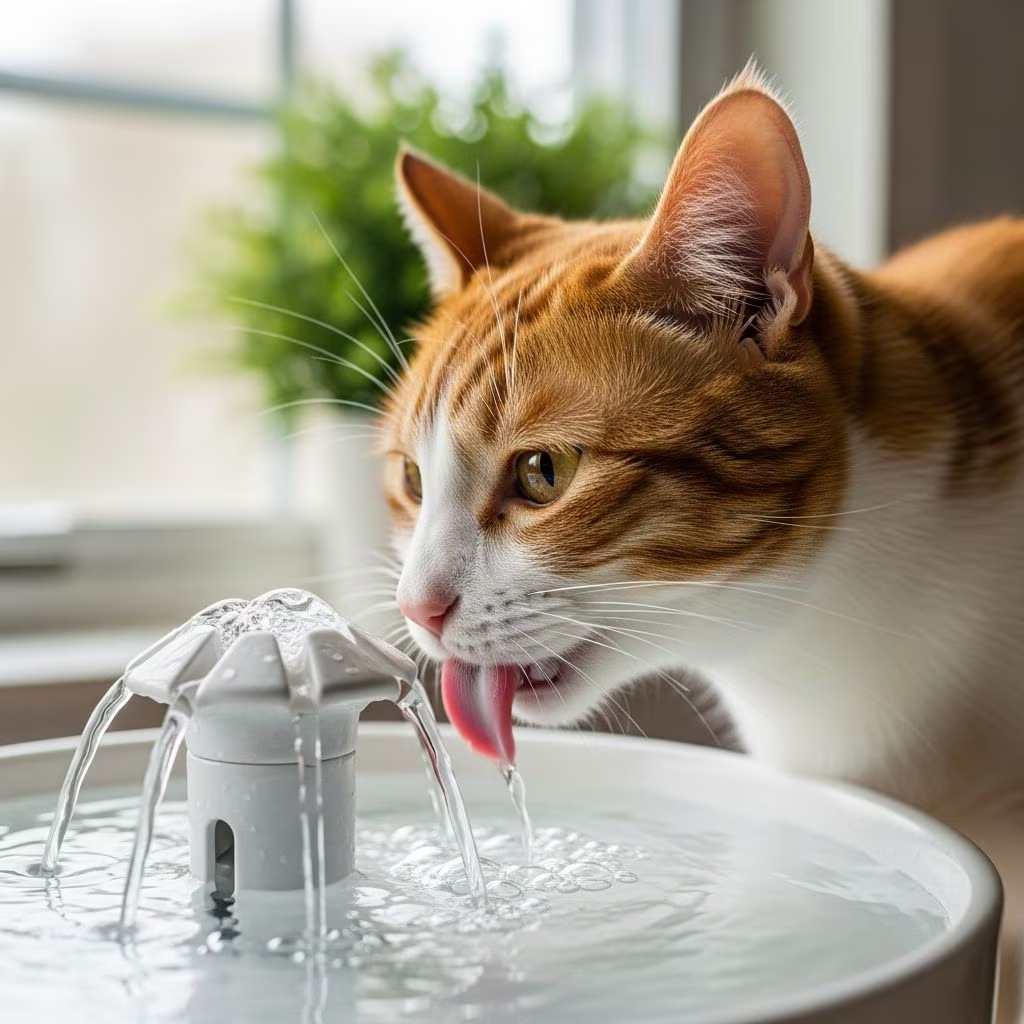
Cats are famous for ignoring their water bowls, but behind that quirky behavior can lurk a serious health risk. Many house cats live in a state of mild, chronic dehydration, which can strain their kidneys, irritate the bladder, and contribute to constipation and urinary tract problems. By understanding how much water your cat needs and using a few simple strategies, you can significantly improve their long-term health.
Why Hydration Matters So Much for Cats
Water is essential for virtually every system in your cat’s body. Veterinary experts note that proper hydration:
- Supports healthy kidney function and helps remove waste products from the blood.
- Helps maintain a healthy urinary tract and reduces the risk of bladder inflammation, crystals, and stones.
- Promotes normal digestion, keeping stool softer and reducing constipation.
- Helps regulate body temperature and supports normal circulation and organ function.
Because cats evolved as desert hunters, their bodies are very good at conserving water, and they naturally produce concentrated urine. However, this adaptation also means they often do not feel thirsty until they are already under-hydrated. When combined with modern dry diets, this low thirst drive can set the stage for chronic dehydration.
How Much Water Should a Cat Drink?
The amount of water a cat needs depends on their body weight, diet, and health status. The Cornell Feline Health Center advises that cats should consume about 4 ounces (120 ml) of water per 5 pounds (2.3 kg) of lean body weight per day, from both food and drinking water combined.
| Cat Weight | Approx. Daily Total Water Need* | Example |
|---|---|---|
| 5 lb (2.3 kg) | ~4 oz (120 ml) | About 1/2 cup total per day |
| 10 lb (4.5 kg) | ~8 oz (240 ml) | About 1 cup total per day |
| 15 lb (6.8 kg) | ~12 oz (360 ml) | About 1.5 cups total per day |
*This includes moisture from food and what your cat drinks from bowls or fountains.
Cats on canned food may drink noticeably less from the bowl because wet food can contain up to 80% water, while cats on dry food must drink more to meet the same total intake.
Health Problems Linked to Poor Hydration
Even low-grade dehydration over months or years can contribute to several common feline health issues.
- Urinary tract disease: Concentrated urine encourages crystal and stone formation and can worsen bladder inflammation (cystitis). In male cats, stones can cause life-threatening urethral blockages.
- Chronic kidney disease (CKD): Older cats are especially vulnerable. Long-term dehydration may increase kidney workload and speed the decline of kidney function.
- Constipation and digestive upset: Dry stool and sluggish gut movement are common when water intake is low, especially in senior cats.
- Diabetes-related dehydration: Diabetic cats lose more water in their urine and may struggle to drink enough to keep up, making extra hydration strategies important.
By increasing daily water intake, you help dilute your cat’s urine, support kidney filtration, and keep the digestive system moving comfortably.
Signs Your Cat May Be Dehydrated
Some signs of dehydration are subtle, particularly early on. Contact your veterinarian promptly if you notice any of the following:
- Dry, tacky gums instead of smooth and moist.
- Lethargy, weakness, or decreased interest in play.
- Reduced appetite or seeming nauseous.
- Hard, dry stool or constipation.
- Sunken eyes or dull coat.
- Very concentrated, strong-smelling, or small volumes of urine.
At home, some people use a “skin tent” test (gently lifting the skin over the shoulders to see how quickly it snaps back), but this is imprecise and can be affected by age and body condition. Any suspicion of dehydration is a reason to call your vet for a proper exam.
Why Many Cats Don’t Drink Enough
Understanding feline behavior makes it easier to encourage better drinking habits:
- Low thirst drive: Cats descended from desert animals and are designed to obtain much of their water from food rather than from standing water sources.
- Preference for fresh, moving water: Some cats dislike stale or warm water and are more attracted to trickling or flowing water.
- Location stress: A noisy kitchen, placement near the litter box, or shared bowls with other pets can discourage some cats from drinking often.
- Dry food diets: Research shows that when cats eat dry diets, they typically do not drink enough to compensate for the low moisture content, remaining mildly dehydrated.
Simple Ways to Get Your Cat to Drink More Water
Most cats can be encouraged to drink more with a combination of dietary changes, bowl management, and environmental enrichment. Introduce changes gradually, especially if your cat is sensitive to routine shifts.
1. Increase Moisture in Your Cat’s Diet
Boosting water content in food is one of the most effective ways to improve overall hydration.
- Add canned food: Switching from an all-dry diet to a high-quality canned or pouch diet significantly increases total water intake and produces more dilute urine.
- Use a mixed diet: If you cannot feed only wet food, consider a combination of wet and dry meals.
- Add warm water or low-sodium broth: Stir a small amount of warm water (or veterinarian-approved, onion- and garlic-free broth) into canned food to further increase moisture and aroma.
- Add water to dry food slowly: If your cat eats only dry food, you can gradually add a teaspoon or two of water to each meal, increasing over time as they accept the new texture.
Controlled studies show that cats fed high-moisture diets achieve higher total water intake, produce larger volumes of urine, and have more dilute urine than cats eating dry-only diets, even when those dry-fed cats have free access to water.
2. Offer Multiple Water Stations
Providing several water sources makes drinking more convenient and less stressful, especially in multi-cat homes.
- Place water bowls in different rooms that your cat regularly visits.
- Avoid putting bowls right next to litter boxes, as many cats prefer distance between toilet and drinking areas.
- Keep bowls away from loud appliances or busy walkways that might make nervous cats avoid them.
Spread-out options let your cat take small drinks frequently throughout the day, which aligns better with natural feline behavior.
3. Experiment With Different Bowls
Bowl type can strongly influence how much your cat drinks. Some cats are picky about the feel, smell, or shape of their bowl.
- Material: Try ceramic, glass, or stainless steel bowls; these are less likely to retain odors than some plastics.
- Shape and size: Wide, shallow bowls help keep whiskers from touching the sides, which some cats find uncomfortable.
- Stability: Use heavier bowls or non-slip mats so the bowl does not rattle or slide as your cat drinks.
4. Keep Water Fresh and Appealing
Fresh, clean water is more attractive and safer for your cat.
- Change water at least once or twice daily, more often in warm weather.
- Wash bowls daily with hot water and mild, unscented dish soap to remove biofilm and residues.
- Use filtered or tap water that is safe for human consumption; some cats dislike strong chlorine odors, so filtered water may encourage them to drink more.
5. Consider a Cat Water Fountain
Many cats are fascinated by moving water. A pet fountain can turn drinking into an enriching activity.
- Flowing water often tastes fresher and may be cooler.
- The sound and movement can stimulate curiosity and encourage more frequent sips.
- Choose a fountain that is easy to clean, and replace filters as recommended by the manufacturer to prevent bacterial buildup.
6. Make Hydration Part of Play and Routine
For some cats, integrating water into their daily routine makes drinking feel natural rather than forced.
- Offer a small dish of water during or right after playtime, when your cat may be more inclined to drink.
- Provide elevated water bowls for older cats or those with arthritis, making it more comfortable to drink.
- Keep to predictable feeding and watering times if your cat thrives on routine, or leave fresh water available at all times for free-choice drinking.
Special Considerations for Cats With Medical Conditions
Cats with certain health problems often need extra support to stay hydrated. Your veterinarian should guide any changes if your cat has a chronic illness.
- Chronic kidney disease: Increasing dietary moisture and encouraging drinking can help flush metabolic waste and support remaining kidney function.
- Urinary tract disease: For cats prone to urinary crystals, stones, or idiopathic cystitis, a high-moisture diet and increased water intake are key parts of management.
- Diabetes: Diabetic cats lose more water in their urine and can become dehydrated quickly, so careful monitoring and hydration support are important.
- Senior cats: Older cats may have reduced thirst sensation or mobility issues that make visiting water bowls harder. Extra water stations, fountains, and elevated bowls can help.
Never restrict water to control urination. Instead, work with your veterinarian on appropriate diagnostics and treatment while maintaining or increasing access to fresh water.
When to Call the Veterinarian
While environmental and dietary changes can help most healthy cats drink more, some situations need prompt veterinary attention.
- Your cat suddenly stops drinking or drinking drops noticeably.
- You notice signs of dehydration (lethargy, dry gums, sunken eyes, hard stool).
- Your cat strains in the litter box, passes little or no urine, or cries when urinating (this can be an emergency, especially in males).
- You see blood in the urine or notice strong odor and frequent litter box visits.
- Your cat is vomiting, has diarrhea, or seems acutely unwell.
In these cases, at-home hydration strategies are not enough; your veterinarian may need to provide fluid therapy and diagnose an underlying condition.
Frequently Asked Questions (FAQs)
Q: Is it normal that my cat hardly ever drinks from the bowl?
A: Some cats on high-moisture (mostly canned) diets may appear to drink very little because they obtain much of their water from food. As long as your cat is healthy, producing normal amounts of urine, and your vet is satisfied with their hydration status, this can be normal. If your cat eats mostly dry food and rarely drinks, work on increasing moisture and speak with your veterinarian.
Q: Can I give my cat milk instead of water?
A: No. Most adult cats are lactose intolerant, and cow’s milk can cause digestive upset such as diarrhea. Milk does not replace water and should not be used as a primary fluid source. Plain, clean water (and moisture-rich food) is best.
Q: Are water fountains safe for cats?
A: Yes, pet-specific water fountains are generally safe and can encourage some cats to drink more. Choose a fountain made from easy-to-clean materials, follow the manufacturer’s cleaning and filter change schedule, and wash all parts regularly to prevent bacterial growth.
Q: How quickly should I switch my cat to wetter food?
A: Any diet change should be gradual to avoid stomach upset and food refusal. Over 7–10 days, slowly increase the proportion of the new wet food while decreasing the old diet, monitoring your cat for any vomiting, diarrhea, or refusal to eat. Consult your veterinarian before major dietary changes, especially if your cat has medical conditions.
Q: Can I flavor my cat’s water to make it more appealing?
A: Some cats will drink more if a small amount of tuna juice (from tuna packed in water), clam juice, or veterinarian-approved low-sodium broth is added. These flavorings must be used in moderation and free from onion, garlic, or other toxic ingredients. Always check with your veterinarian first, particularly for cats with kidney or urinary issues, where mineral and sodium content matters.
References
- Hydration — Cornell Feline Health Center, Cornell University College of Veterinary Medicine. 2024-01-05. https://www.vet.cornell.edu/departments-centers-and-institutes/cornell-feline-health-center/health-information/feline-health-topics/hydration
- How and Why to Increase Your Cat’s Water Intake — Oakdale Veterinary Group. 2023-06-12. https://oakdalevet.com/how-and-why-to-increase-your-cats-water-intake/
- Cat Hydration: Why Water is a Key Nutrient to Lifelong Health in Felines — Pet Age / Dr. Katy Miller. 2025-10-01. https://www.petage.com/cat-hydration-why-water-is-a-key-nutrient-to-lifelong-health-in-felines/
- Increasing Water Intake in Cats — Seville Wadsworth Veterinary Clinic. 2022-04-18. https://www.sevillevetclinic.com/blog/increasing-water-intake-cats
- Finicky Felines: Encouraging Water Consumption — WesVet Animal Hospital. 2023-04-03. https://wesvet.com/finicky-felines-encouraging-water-consumption/
- Reasons Why Your Cat Should Drink More Water — Hill’s Pet Nutrition. 2021-07-15. https://www.hillspet.com/cat-care/nutrition-feeding/drinking-water-can-save-your-cats-bladder
- The Importance of Water for Pets and Avoiding Pet Dehydration — TrueCare Veterinary Hospital. 2022-08-09. https://www.truecareveterinaryhospital.com/blog/the-importance-of-water-for-pets-and-avoiding-pet-dehydration/



