

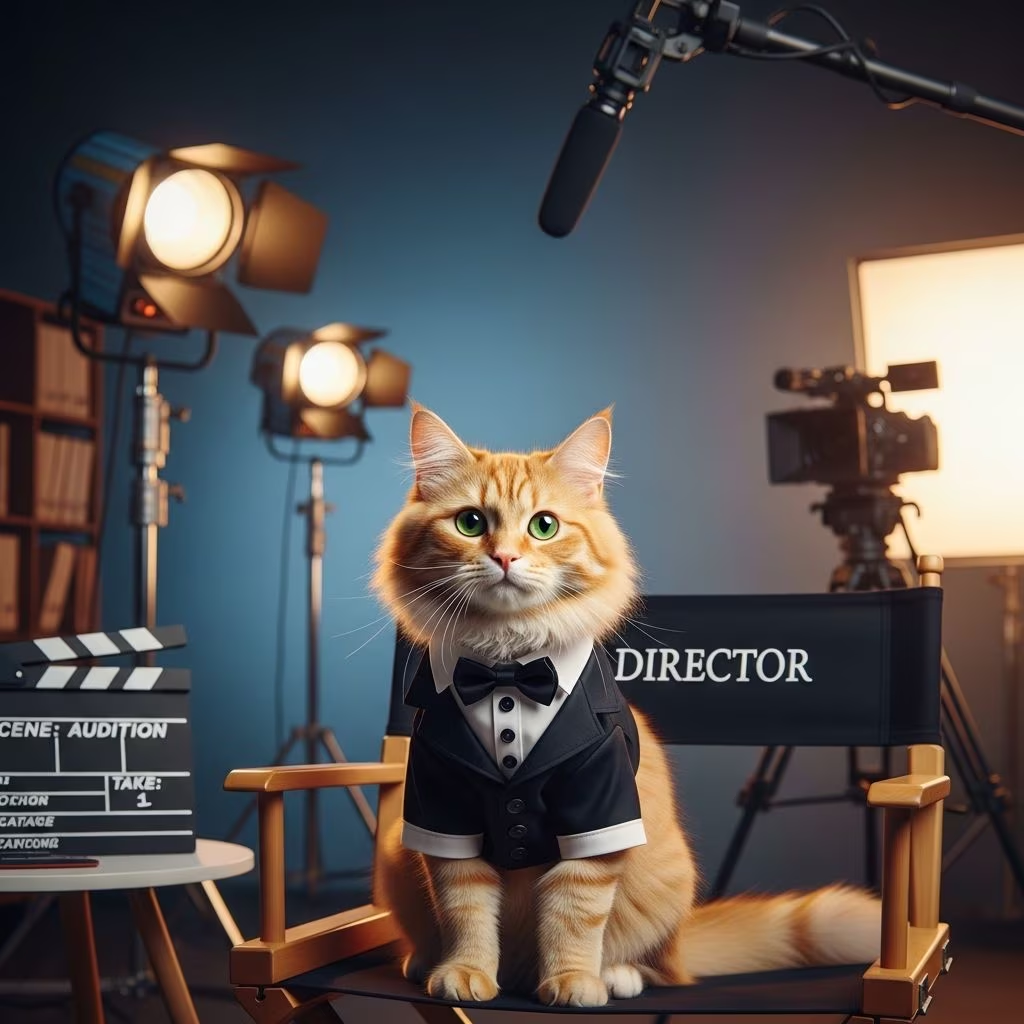
How to Get Your Cat Into Commercials: 5 Tips to Make Your Pet a Star
Every cat owner believes their feline friend has what it takes to be a star. Whether your cat loves the camera, enjoys being the center of attention, or simply has an undeniable charm, you might be wondering how to turn those qualities into a successful commercial acting career. While not every cat is suited for the spotlight, those with the right temperament and personality can indeed become successful animal actors featured in major commercials.
Getting your cat into the world of commercial acting requires more than just confidence in your pet’s abilities. It demands strategic planning, dedication, training, and a clear understanding of what the industry expects. This comprehensive guide will walk you through five essential tips to help you launch your cat’s modeling and acting career, from building a professional portfolio to maintaining your pet’s health and happiness throughout the process.
1. Build a Pet Portfolio
The foundation of any successful cat modeling career starts with a professional portfolio. Your cat’s portfolio serves as their introduction to potential clients, agents, and casting directors. Without a compelling portfolio, even the most photogenic cat may struggle to get noticed in this competitive industry.
To create an effective pet portfolio, consider the following approaches:
- Start with social media: Create dedicated social media accounts for your cat on platforms like Instagram, TikTok, or Facebook. These platforms allow you to showcase your cat’s personality, charm, and range of expressions to a wide audience.
- Build a professional website: Develop a simple but professional website featuring your cat’s photos, videos, and biography. This creates a centralized hub where potential clients can learn about your cat’s experience and capabilities.
- Invest in professional photography: If you’re not skilled in pet photography yourself, hire a professional pet photographer. High-quality portrait shots are essential for making your cat stand out. Professional photos demonstrate that you’re serious about pursuing this opportunity and present your cat in the best possible light.
- Include diverse content: Your portfolio should feature a variety of shots including close-ups, full-body shots, action poses, and candid moments. Videos demonstrating your cat’s personality and any trained behaviors are also valuable additions.
- Highlight special skills: Document any special abilities your cat possesses, such as walking on a leash, sitting on command, or interacting calmly with other animals or people.
- Make contact information accessible: Ensure that potential clients can easily find and contact you through your portfolio. Include your email, phone number, and links to your social media accounts prominently displayed.
Your portfolio is essentially your cat’s resume and headshot combined. It should clearly demonstrate your cat’s photogenic qualities, personality, and any relevant experience. Remember to update your portfolio regularly with new photos and videos to keep it fresh and relevant.
2. Start Training Your Cat
One of the most critical steps in preparing your cat for commercial work is training them to handle the unique demands of a film or photo set. Commercial environments can be overwhelming for cats, with cameras, bright lights, numerous crew members, and unfamiliar surroundings. Proper training ensures your cat remains calm, cooperative, and professional during shoots.
Here are the key training areas to focus on:
- Camera and lighting exposure: Gradually introduce your cat to cameras and bright lights. Start by letting them observe you using your phone camera or a simple camera before progressing to professional equipment. Use positive reinforcement with treats and praise to create positive associations.
- Socialization with strangers: Commercial sets involve many people. Invite friends and family to your home to interact with your cat in controlled settings. This helps your cat become comfortable with unfamiliar faces and reduces anxiety on set.
- Basic commands: Teach your cat to respond to essential commands such as “sit,” “stay,” and walking to a specific spot on cue. These commands are invaluable during filming and demonstrate to clients that your cat is professional and cooperative.
- Handling different environments: Expose your cat to various backdrops, flooring types, and room setups. This helps them adapt more quickly when moved to an actual commercial set.
- Noise tolerance: Acclimate your cat to sudden sounds and noises. Film sets can be loud with equipment, crew members, and technical activities. A cat comfortable with various sounds will perform better during actual shoots.
- Vehicle comfort: If your cat will need to travel to shooting locations, train them to be comfortable in a car. Practice short trips to build their confidence and reduce stress during transportation.
Training your cat requires patience and consistency. Use positive reinforcement techniques, offering treats, praise, and playtime as rewards for good behavior. Never use punishment or force, as this can create negative associations and make your cat reluctant to participate in future shoots.
3. Find a Reputable Agent
While it’s possible to pursue opportunities independently, working with a reputable animal agent or advertising agency significantly increases your cat’s chances of landing commercial roles. Agents have established connections with casting directors, production companies, and advertisers looking for animal talent.
When seeking an agent, follow these guidelines:
- Research local agencies: Contact advertising agencies and animal talent agencies in your area. Look for agencies that specialize in animal representation and have a track record of placing pets in commercials and media projects.
- Verify reputation: Check online reviews, testimonials, and references. Ask about their experience with cats specifically and request examples of successful placements they’ve arranged.
- Understand fee structures: Be cautious of agencies charging excessive upfront fees before landing any work. Legitimate agents typically take a commission (usually 10-20%) from earnings only after your cat books a job.
- Review contracts carefully: Never sign with an agent without thoroughly reviewing the contract. Ensure you understand their commission structure, exclusivity agreements, and cancellation policies.
- Meet in person: If possible, meet with potential agents in person. This allows you to assess their professionalism and discuss your cat’s specific strengths and opportunities.
- Ask about casting calls: Inquire about how often the agency receives casting calls for cats and what types of commercial projects they typically represent.
A good agent becomes your advocate in the industry, providing access to casting calls you might otherwise miss and negotiating fair compensation for your cat’s work. However, ensure you’re working with a legitimate, established agency rather than a scam operation.
4. Participate in Photo Competitions
Photo competitions represent an excellent opportunity to build your cat’s visibility and credibility within the modeling world. Winning or placing in competitions provides recognition that can enhance your cat’s portfolio and attract the attention of advertising professionals and potential clients.
Consider these competition strategies:
- Find reputable competitions: Look for photo contests hosted by established magazines, websites, photography blogs, and pet-focused publications. Ensure the competitions are legitimate and have clear rules and prize structures.
- Enter quality submissions: Submit your best photos that showcase your cat’s unique personality and photogenic qualities. Ensure images are well-lit, in focus, and professionally presented.
- Follow guidelines carefully: Each competition has specific requirements regarding image format, size, and content. Adhere to all guidelines to ensure your submission isn’t disqualified.
- Leverage winning photos: Add any accolades, placements, or wins to your cat’s portfolio and social media. Use winning photos prominently on your website and in your professional materials.
- Promote recognition: When your cat wins or places in competitions, share the news on social media and your website. This creates buzz and demonstrates your cat’s competitive advantage to potential clients.
- Use accessible equipment: You don’t need an expensive professional camera to submit competition photos. A smartphone with good lighting and composition can produce excellent results. Focus on lighting and clarity rather than camera cost.
Photo competitions serve a dual purpose: they provide external validation of your cat’s appeal and marketability, while also building a record of achievements that makes your cat more attractive to commercial clients.
5. Keep Your Cat Healthy
A cat’s physical appearance and overall health significantly impact their performance on camera and their appeal to clients. Maintaining your cat’s health and grooming is essential for commercial success. A healthy, vibrant cat simply looks better on film and photographs.
Implement these health and wellness practices:
- High-quality nutrition: Feed your cat premium, nutritionally balanced cat food. Quality nutrition supports healthy skin, a shiny coat, and overall vitality that translates to better on-camera performance.
- Regular veterinary care: Schedule routine veterinary check-ups to ensure your cat is healthy and up-to-date on vaccinations. Address any health issues promptly before they impact your cat’s appearance or ability to work.
- Consistent grooming routine: Establish a regular grooming schedule that includes brushing, nail trimming, and ear cleaning. Professional grooming services can help maintain your cat’s coat in pristine condition.
- Dental health: Maintain good dental hygiene. Clean teeth and healthy gums contribute to your cat’s overall appearance and well-being. Consider professional dental cleanings as recommended by your veterinarian.
- Appropriate exercise: Ensure your cat gets adequate physical activity to maintain a healthy weight and muscle tone. A fit cat looks better on camera and has more energy and enthusiasm during shoots.
- Weight management: Keep your cat at a healthy weight. Overweight cats may appear less photogenic and could have health complications that interfere with their ability to work.
- Skin and coat care: Invest in quality grooming products that support healthy skin and a lustrous coat. Supplements recommended by your veterinarian can also enhance coat quality.
Your cat’s health is not just important for their commercial career—it’s essential for their overall well-being and quality of life. When your cat feels good physically, they perform better, have more confidence, and are genuinely happier during photo and film shoots.
Prioritize Your Cat’s Happiness
While the prospect of seeing your cat on television or in advertisements is exciting, it’s crucial to remember that commercial acting isn’t suitable for every cat. Your cat’s happiness and stress levels should always be your primary consideration.
Certain personality types adapt better to commercial work than others. Outgoing, confident cats with social personalities typically thrive on set. Cats with calm, mellow temperaments also handle the commercial environment well. Conversely, shy, introverted, anxious, or highly athletic cats may find the filming experience stressful and unpleasant.
Ask yourself these questions before pursuing commercial opportunities:
- Does my cat genuinely enjoy attention and being the center of focus?
- Is my cat naturally calm around strangers and unfamiliar environments?
- Does my cat show signs of stress or anxiety in new situations?
- Am I prepared to stop pursuing commercial work if my cat shows signs of distress?
- Are my motivations centered on my cat’s well-being or solely on financial gain?
If your cat seems uncomfortable or unhappy during training or early shoots, it’s perfectly acceptable to step back and abandon the commercial career pursuit. Your cat’s mental health and emotional well-being are far more valuable than any commercial opportunity.
Frequently Asked Questions
Q: What age should my cat be to start a commercial career?
A: Kittens from 8 weeks old can begin training and building their portfolio, though they must be fully vaccinated before appearing on commercial sets. Most agencies prefer cats at least 6 months to 1 year old for active commercial work, as they’re more independent and trainable.
Q: How much can I earn from cat commercials?
A: Earnings vary widely depending on the commercial’s scope, usage rights, and your cat’s experience level. Rates can range from a few hundred dollars for local commercials to several thousand dollars for national campaigns. Union projects (SAG-AFTRA) typically pay more than non-union work.
Q: Do I need professional training before pursuing commercials?
A: While professional animal trainers can be helpful, many successful cat models start without formal training. You can train your cat yourself using positive reinforcement techniques. However, professional training can accelerate the process and improve your cat’s skills.
Q: What if my cat gets anxious or stressed on set?
A: Discuss your cat’s anxiety with the casting director or production team before arriving on set. Many productions are willing to accommodate nervous pets. You can also request shorter shooting days or additional breaks. If your cat consistently shows distress, commercial work may not be suitable for them.
Q: How do I know if an agent or agency is legitimate?
A: Research the agency thoroughly through online reviews, check their website and credentials, ask for references, and verify they don’t charge excessive upfront fees. Legitimate agencies work on commission after your pet books work, not before.
Q: Can any cat breed succeed in commercials?
A: Yes, any cat can potentially succeed in commercials regardless of breed. Personality, temperament, and trainability are far more important than breed. Mixed-breed cats, rare breeds, and common breeds have all starred in successful commercials.
Q: Should I invest in expensive equipment for my cat’s portfolio?
A: No, expensive equipment isn’t necessary. A smartphone with good lighting produces excellent portfolio photos. Focus on composition, lighting, and your cat’s expression rather than camera cost. Professional photography services may be worth the investment for initial portfolio photos.
Conclusion
Launching your cat’s commercial acting career is an exciting endeavor that combines creativity, strategy, and dedication. By building a professional portfolio, investing time in training, finding reputable representation, participating in competitions, and maintaining your cat’s health, you create the foundation for success in this competitive industry.
However, remember that becoming a successful commercial cat requires significant effort and may take considerable time to yield results. The financial rewards and recognition can be gratifying, but they should never come at the expense of your cat’s happiness and well-being. Every step of this journey should prioritize your cat’s comfort, safety, and emotional health. If at any point your cat shows signs of stress or unhappiness, be willing to step back and pursue other interests. The best commercial opportunities are those where both you and your cat genuinely enjoy the experience.
References
- How to Get Your Cat Into Commercials: 5 Tips to Make Your Pet a Star — Catster. Retrieved from https://www.catster.com/lifestyle/how-to-get-your-cat-in-commercials/
- Pet Modelling – Apply for your Pet to Become a Model with Models Direct — Models Direct. Retrieved from https://www.modelsdirect.com/become-a-model/pets
- How to Get Booked with Your Pet — Central Casting. Retrieved from https://www.centralcasting.com/resources/articles/how-to-get-booked-with-your-pet/
- Model Network – The Labs & Co. — The Labs & Co. Retrieved from https://thelabsand.co/model-network/



