

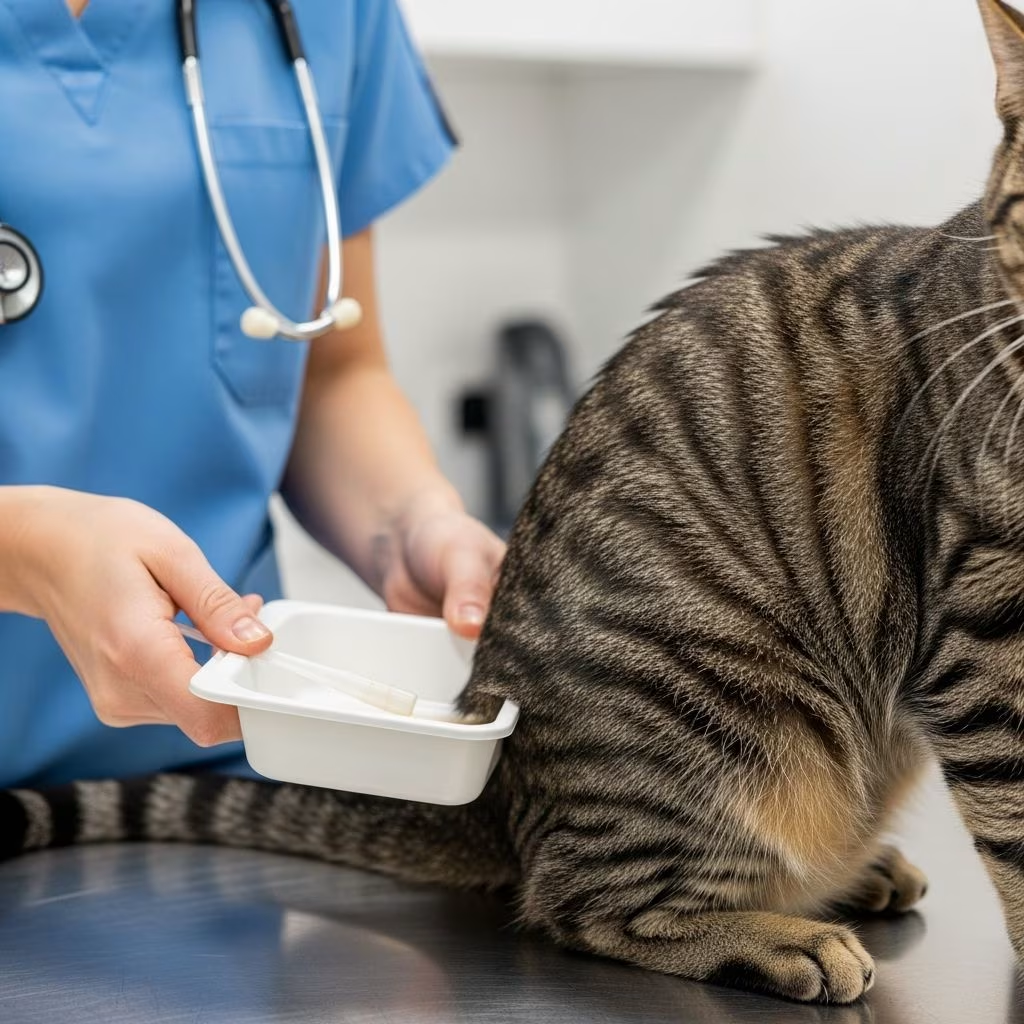
Collecting a urine sample from your cat is a vital step for diagnosing health issues like urinary tract infections, diabetes, kidney disease, or crystals in the urine. Veterinarians rely on fresh, uncontaminated samples for accurate urinalysis, which examines color, clarity, pH, proteins, glucose, bacteria, and more. While it may seem challenging, several reliable methods exist, from simple home techniques using non-absorbent litter to professional cystocentesis. This guide covers all essential methods, preparation tips, storage advice, and when to seek vet assistance to ensure your cat’s sample yields precise results.
Why Does Your Vet Need a Urine Sample from Your Cat?
Urinalysis is one of the most common diagnostic tests in feline medicine, providing critical insights into your cat’s kidney function, hydration status, and urinary tract health. Abnormalities such as blood, high protein, glucose, or crystals can signal conditions like feline lower urinary tract disease (FLUTD), diabetes mellitus, or renal failure. Early morning samples are ideal as they are more concentrated, offering better evaluation of tubular function with acidic pH that preserves casts and solutes. A clean sample minimizes contamination from bacteria or debris, ensuring reliable culture results for infections. Vets prefer samples collected within hours for optimal accuracy, as delays can alter pH, cell integrity, and bacterial growth.
Preparation: Equipment and Timing for Cat Urine Collection
Success starts with proper setup. Timing matters—collect the first morning urine when possible for concentration. Clean the litter tray thoroughly with soap and water, rinse well, and dry to avoid chemical contamination. Essential equipment includes:
- Non-absorbent litter (e.g., Kit4Cat hydrophobic sand, NoSorb beads, or aquarium gravel under 4mm).
- Clean syringe (3-10ml), dropper, or pipette.
- Sterile sample pot or leakproof clear container (flat-bottomed, 70ml ideal).
- Gloves, label pen, and fridge for storage.
- Optional: Plastic sheeting or shallow tray like a meat tray or frying pan.
Confine your cat to a small, enclosed non-carpeted room (e.g., bathroom) with food, water, and the prepared tray to monitor urination. Remove absorbent rugs or plug drains. If your cat avoids the tray, habituate them gradually with normal litter first.
Method 1: Free-Catch Using Non-Absorbent Litter
This is the easiest home method for most cats. Replace regular litter with non-absorbent alternatives that let urine pool.
- Kit4Cat or Hydrophobic Sand: Pour into a clean tray. Cats often accept the sand-like texture. Once urinated, wear gloves, tip the tray to pool urine, and suck up 5-10ml with a syringe. Avoid first-stream urine for midstream cleanliness.
- NoSorb Beads or Plasti Litter (Black Beads): Clean tray, add beads. After urination, pour beads and urine back into the original container if provided, or syringe the liquid. Beads don’t absorb, preserving the sample.
- Aquarium Gravel or Shredded Magazine Paper: Use gravel <4mm for chemical analysis validity. Paper works if ink-free. Scoop pooled urine carefully.
Check the tray frequently; remove feces immediately to prevent contamination. Label the pot with your cat’s name, your contact, date, and time.
Method 2: Plastic Wrap or Sheeting Over Litter
For texture-picky cats, lay 2-3 layers of saran wrap or place the tray in a plastic garbage bag over existing litter. Flatten plastic against litter so paws feel normal substrate. Urine pools on plastic for easy syringing. Dispose of plastic after use; this method suits one-time collections.
Method 3: Shallow Tray or Container Catch
Use a clean, flat plastic container (margarine tub, meat tray, or old frying pan) in place of the litter tray. Some cats adapt quickly, especially confined. Tip to collect urine into a syringe, minimizing litter spill. Ideal for outdoor or laundry sink use to manage mess.
Method 4: Cystocentesis (Vet-Performed Needle Aspiration)
For sterile, uncontaminated samples perfect for cultures, vets use cystocentesis: ultrasound-guided needle insertion into the bladder. Cats tolerate it well despite sounding invasive, especially if fasted 2+ hours prior to fill the bladder. Best for FLUTD cats with small bladders or when home methods fail. No trauma risk with skilled vets; allows precise timing.
Method 5: Catheterization
A sterile catheter threads into the urethra to the bladder for multiple samples in hospitalized cats. Useful but requires expertise to avoid trauma; less common at home.
How to Store and Transport Your Cat’s Urine Sample
Fresh is best—aim to deliver within 2 hours for processing. If delayed:
- Refrigerate at 4°C (fridge, not freezer) for up to 8-24 hours. Warm to room temp before dipstick tests.
- Avoid room temperature >1 hour to prevent bacterial overgrowth or pH shifts.
- Transport in a sealed, labeled sterile pot; keep cool with ice pack if driving.
- For cultures, no diuretics/fluids pre-collection to avoid dilution.
Perform dipstick on fresh or warmed refrigerated samples by brief immersion, tap excess, read promptly.
| Time After Collection | Storage Action | Notes |
|---|---|---|
| 0-2 hours | Room temp OK; deliver to vet | Ideal for all tests |
| 2-8 hours | Refrigerate | Warm before analysis |
| >24 hours | Not recommended | Degrades cells, alters results |
Troubleshooting: What If Your Cat Won’t Urinate?
Patience is key—confine 4-6 hours max with water access. Try multiple litter types. If unsuccessful:
- Board at vet clinic for monitored collection.
- Schedule cystocentesis appointment; withhold litter 2 hours prior.
- Enlist family help or use camera monitoring.
- Avoid stress: Use familiar room, pheromone diffusers.
Wash/reuse non-absorbent litter if thoroughly dried.
When to Collect a Cat Urine Sample Urgently
Rush samples for symptoms like straining, blood in urine, frequent accidents, lethargy, or vomiting. Diabetes monitoring needs regular home collections. Always consult your vet for specific instructions.
Frequently Asked Questions (FAQs)
What is the best way to get a urine sample from a cat at home?
The easiest is non-absorbent litter like Kit4Cat; syringe pooled urine. Clean tray first.
Is cystocentesis safe and painful for cats?
Yes, safe and well-tolerated under ultrasound guidance; provides sterile sample.
How much urine does a vet need from my cat?
Typically 5-10ml; small amounts suffice for urinalysis and culture.
Can I use regular litter to collect cat urine?
No, it absorbs urine. Use plastic wrap over it instead.
How long can I keep a cat urine sample in the fridge?
Up to 8-24 hours refrigerated; deliver ASAP for best results.
Final Tips for Successful Cat Urine Collection
Stay calm—cats sense stress. Prepare multiple methods. Reward post-collection. Accurate samples empower early intervention, improving outcomes for urinary issues common in cats. Consult your vet for tailored advice.
References
- Practical urinalysis in the cat: 1: Urine macroscopic examination ‘tips … — PMC/NCBI. 2024. https://pmc.ncbi.nlm.nih.gov/articles/PMC11148903/
- How to collect a urine sample from your cat — PDSA. 2023-06-01. https://www.pdsa.org.uk/pet-help-and-advice/pet-health-hub/other-veterinary-advice/how-to-collect-a-urine-sample-from-your-cat
- Collecting a Urine Sample from a Cat — Healing Paws Veterinary Care. 2023. https://healingpawscarlisle.com/blog/collecting-a-urine-sample-from-a-cat/
- Urine Sample – Cat Form — Town and Country Veterinary Services. 2024. https://towncountryvet.com/urine-sample-cat-form/
- Urine sample collection at home — Vetwest Veterinary Clinics. 2023. https://www.vetwest.com.au/pet-library/urine-sample-collection-at-home/



