

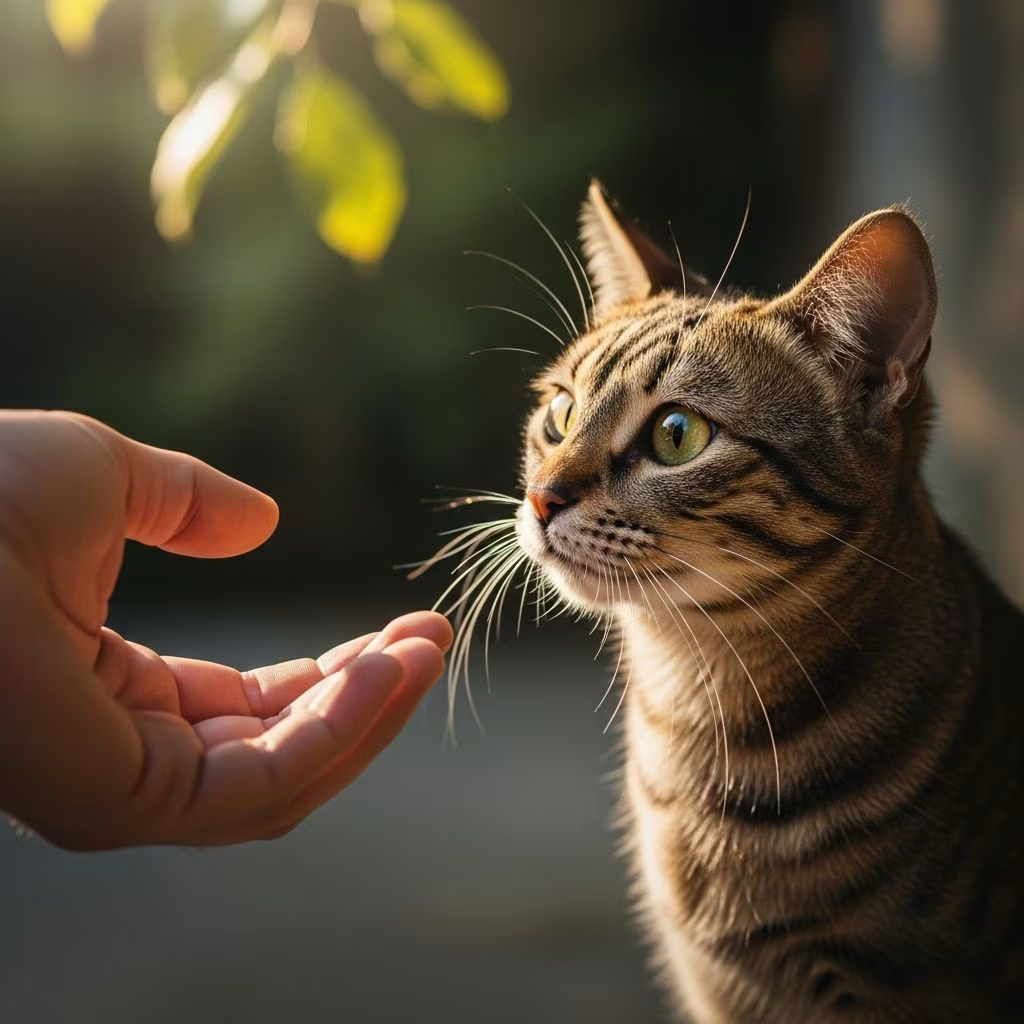
Stray cats often capture the hearts of compassionate individuals in neighborhoods, but earning their trust requires patience, consistency, and respect for their instincts. These animals may have experienced hardship, making them wary of humans. This guide outlines six vet-approved strategies to help you build a positive relationship with a stray cat, potentially improving their quality of life while ensuring your safety.
The 6 Tips on How to Get a Stray Cat to Trust You
Gaining the confidence of a stray or feral cat is a gradual process rooted in positive associations. Whether the cat is a lost pet (stray) or born wild (feral), consistent, non-threatening interactions can lead to tolerance or even affection over time. Below are detailed, step-by-step methods endorsed by veterinary experts.
1. Vet Them
Prioritizing veterinary care is the foundational step in helping stray cats, even if you don’t plan to adopt them. Stray and feral cats face high risks of infections, diseases, and parasites due to their outdoor lifestyle. The most effective intervention is participating in a **TNR (Trap-Neuter-Release) program**, widely recommended by animal welfare organizations.
In a TNR program, humane traps are used to capture the cat humanely. A licensed veterinarian then performs spaying or neutering surgery, administers core vaccinations (such as rabies and FVRCP), tests for feline leukemia and FIV, treats any parasites, and provides ear tipping—a painless procedure that clips the tip of one ear to signal the cat has been altered. The cat is recovered and released back to its familiar territory.
This approach stabilizes feral and stray populations, reduces nuisance behaviors like yowling and spraying, and prevents kitten overpopulation. Contact your local animal shelter, humane society, or TNR group for low-cost or free services. Importantly, vetting protects your health too—avoid direct contact until the cat is cleared of contagious diseases. Consistency in supporting TNR demonstrates long-term commitment, fostering indirect trust as the cat associates humans with improved well-being.
2. Feed Them
Food is a powerful trust-builder for stray cats, as hunger drives survival instincts. Start by placing high-quality, wet cat food or kibble in a consistent location, such as your porch or a quiet yard spot, at the same times daily—ideally dawn and dusk when cats are most active.
Observe from a distance initially (at least 10-15 feet) to avoid startling the cat. Over days or weeks, the cat will link your presence with meals. Gradually reduce the distance as the cat eats comfortably nearby. Use smelly, enticing foods like tuna, chicken, or commercial stray cat food to accelerate the process.
Consistency is key: irregular feeding erodes progress. One feeder reported a stray mom cat softening after three days of daily meals, transitioning from hissing to cautious acceptance. Hydration matters too—provide fresh water nearby. Feeding not only builds trust but also improves the cat’s health, making further socialization easier.
- Best foods: Wet food for hydration, kitten formula for young strays, avoid milk (lactose intolerant).
- Safety tip: Secure food from wildlife; elevate bowls if raccoons are present.
- Progress signs: Cat waits for you, eats while you watch, approaches closer.
3. Give Them Shelter
Stray cats endure harsh weather, predators, and exposure. Offering a safe, insulated shelter creates a secure base, encouraging the cat to view you as a benefactor. DIY shelters using plastic bins, straw bedding, and weatherproofing are inexpensive and effective.
Position the shelter in a quiet, elevated spot near feeding areas but with escape routes. Feral cat shelters often feature dual entrances to reduce trap-feel. Monitor usage without intrusion—cats claim spaces they feel safe in. If the cat adopts your shelter, it may lead to porch companionship.
For colonies, build multiple units. Resources from humane societies provide blueprints. Shelters enhance survival rates, with insulated ones preventing hypothermia in winter. A trusting cat using your shelter signals growing comfort, paving the way for closer interactions.
4. Talk to Them
Verbal communication acclimates strays to your voice and presence without physical pressure. Sit at a distance (start 20+ feet), speak in a soft, high-pitched, soothing tone—mimic “cat talk” with slow blinks and gentle words like “hello, kitty.” Avoid loud noises or sudden moves.
Daily sessions build familiarity. Cats read body language keenly; crouch low, avert direct stare (use peripheral vision), and blink slowly to signal non-threat. Over time, relaxed ears, tail up, or rubbing indicate trust. If tense (ears back, low growl), retreat respectfully.
This method leverages cats’ acute hearing and social cues. Patient talkers often see strays meowing back or approaching, especially former pets (strays vs. ferals). Combine with feeding for reinforced positives.
5. Give Them Treats
Treats tempt wary cats past hesitation once basic trust forms. Offer irresistible options like freeze-dried chicken, tuna flakes, or commercial treats from your stationary hand, palm up, at arm’s length. Let the cat approach—no lunging.
Temptation overrides fear momentarily, creating joyful associations. Progress to hand-feeding only after consistent porch eating. Pounce treats for play encourage interaction. This step often culminates in petting tolerance, as endorphins from treats relax the cat.
- Top treats: Churu puree, Temptations, meat baby food (no onion/garlic).
- Timing: Post-meal when full and calm.
- Caution: Limit to avoid dependency; monitor weight.
6. Become a Caretaker for a Colony
For neighborhood groups, commit to colony management. This advanced role involves daily feeding, TNR coordination, shelter maintenance, and vet monitoring. Partner with local humane societies for guidance and resources.
Colonies thrive with dedicated caretakers; cats recognize reliable providers via scent, voice, and routine, allowing closer contact over years. Plan for backups if you relocate. Kittens from colonies can often be socialized if intervened early (under 8 weeks)—feral moms’ offspring may become pets with fostering.
Responsibilities include:
| Task | Frequency | Tips |
|---|---|---|
| Feeding/Water | Daily | Portion control, clean bowls |
| TNR/Vet Checks | As needed | Track via app or log |
| Cleaning Shelters | Weekly | Straw refresh, disinfect |
| Monitoring Health | Ongoing | Report issues promptly |
Understanding Stray vs. Feral Cats
Not all community cats are the same. **Strays** are often abandoned or lost pets, more people-friendly, meowing, and approachable. **Ferals** are unsocialized, avoidant, living in colonies, sometimes ear-tipped post-TNR. Hybrids exist on a spectrum.
Socialization windows: Kittens under 2 months adapt best; adults rarely fully domesticate but bond with caretakers. Fraidy cats need extreme patience.
Frequently Asked Questions (FAQs)
Can all stray cats be socialized into pets?
No, feral adults rarely adapt to indoor life, but strays and young kittens often can with early intervention.
How long does it take to gain trust?
Weeks to months; consistency varies by cat’s history.
What if the cat is aggressive?
Back off, prioritize TNR remotely; seek professional trapper.
Do feral cats remember caretakers?
Yes, via consistent positive interactions like feeding.
Is feeding strays encouraging more?
TNR prevents litters; responsible feeding stabilizes populations.
Conclusion
Earning a stray cat’s trust demands time, empathy, and no expectations of instant results. Focus on welfare via TNR, sustenance, shelter, and gentle engagement. While not all will become lap cats, your efforts enhance their lives and curb overpopulation. Celebrate small wins like steady gazes or purrs.
References
- How to Get a Stray Cat to Trust You: 6 Vet-Approved Tips & Tricks — Catster. 2023-10-15. https://www.catster.com/cat-behavior/how-to-get-stray-cat-to-trust-you/
- Do Feral Cats Remember Their Caretakers? Vet-Verified Facts & Info — Catster. 2024-05-20. https://www.catster.com/lifestyle/do-feral-cats-remember-their-caretakers/
- How to gain stray momcat’s trust? — TheCatSite. 2005-08-12. https://thecatsite.com/threads/how-to-gain-stray-momcats-trust.85454/
- Living With a Fraidy Cat: Tips From the Field — Fear Free Happy Homes. 2022-11-10. https://www.fearfreehappyhomes.com/living-with-a-fraidy-cat-tips-from-the-field/



