

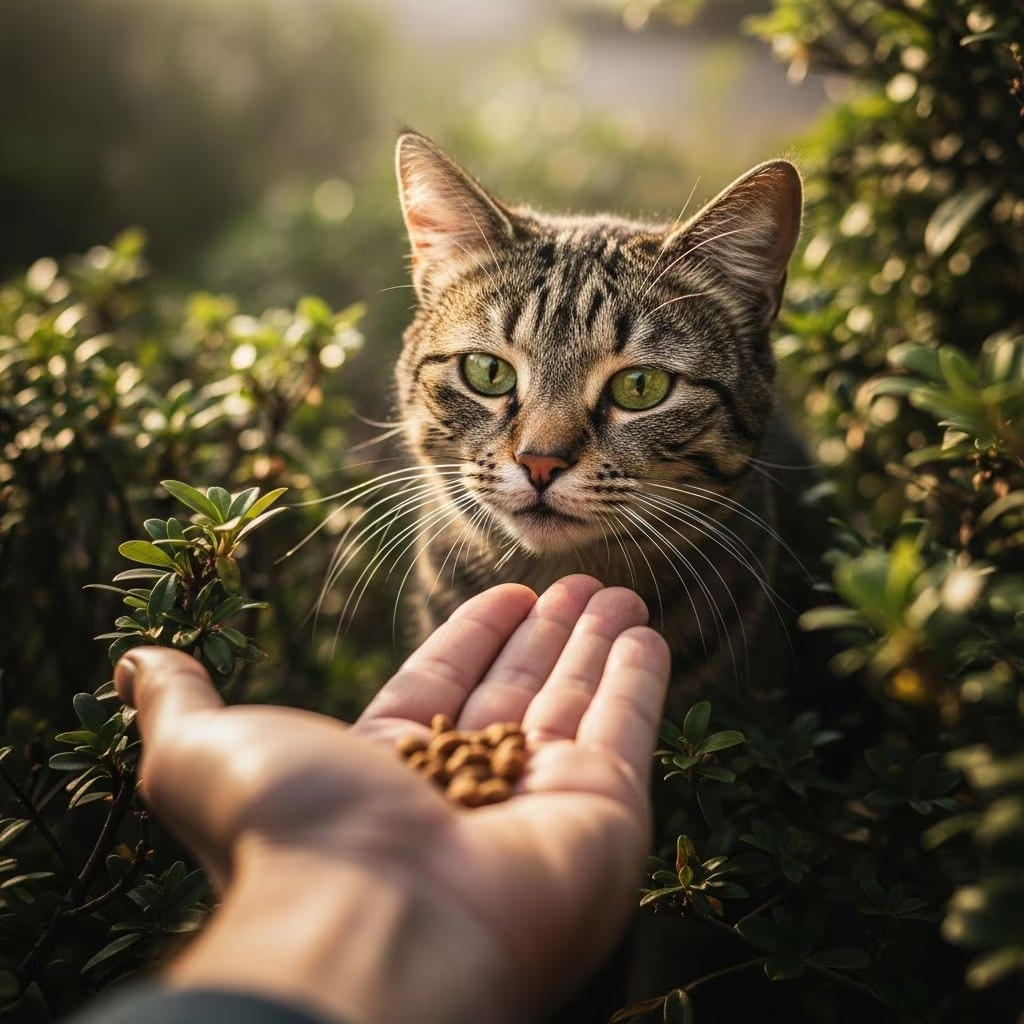
Stray cats often appear in neighborhoods, capturing the hearts of compassionate animal lovers. These felines, distinct from feral cats born in the wild, were typically once domesticated and may respond to patient, consistent human interaction. Building trust requires time, respect for their boundaries, and strategic approaches to show safety and care. This guide outlines six vet-approved methods to foster that connection safely and humanely.
The 6 Tips on How to Get a Stray Cat to Trust You
Gaining a stray cat’s trust isn’t instantaneous; it demands persistence without pressure. Strays, unlike fully feral cats which avoid humans entirely, may have some prior socialization, making them more approachable over time. Key is observing body language—relaxed ears and tail indicate progress, while hissing or flattened ears signal retreat. Below are proven steps.
1. Vet Them
Prioritize veterinary care before close interactions. Stray cats face high risks of infections, parasites, fleas, and diseases like FIV or FeLV, posing health threats to humans and other animals. The gold standard is participating in a **Trap-Neuter-Release (TNR)** program, endorsed by organizations like the ASPCA and Humane Society.
In TNR, contact local animal services or shelters for humane traps. The cat is trapped, transported to a vet for spaying/neutering, vaccinations (e.g., rabies), ear-tipping (a visible 1/3 ear clip to mark sterilized status), and flea treatments, then released near the original site. This curbs overpopulation, reduces nuisance behaviors like yowling, and improves health without disrupting territory.
- Benefits of TNR: Prevents litters (one unspayed female can produce thousands of kittens in years), lowers cancer risks, stabilizes colonies.
- Post-TNR, monitor from afar; the cat associates you with positive outcomes.
- Safety first: Wear gloves during trapping to avoid scratches carrying diseases.
Even without adoption plans, vetting ensures the cat’s welfare and your protection. Local humane societies often provide low-cost or free TNR resources.
2. Feed Them
Consistent feeding builds routine and positive associations. Place food in the same spot daily, at predictable times, initially 5-10 feet from where the cat feels safe. Use wet food or kitten kibble for appeal—strays often arrive malnourished.
Start from a distance; sit nearby quietly after a week or so. Consistency signals reliability: the cat sees you as a food source, not a threat. Progress might take days to weeks—first, they eat while you watch; later, they linger; eventually, approach while eating. Avoid sudden movements or direct stares, which mimic predator behavior.
| Feeding Stage | Action | Expected Response |
|---|---|---|
| Week 1 | Place food and retreat | Cat approaches cautiously, eats alone |
| Week 2-3 | Sit 10ft away silently | Cat eats with you present |
| Week 4+ | Approach slowly post-meal | Tolerates proximity, possible petting |
Combine with fresh water daily. This method humanely reduces roaming for food, minimizing traffic risks.
3. Give Them Shelter
Strays endure harsh weather, predators, and exposure. Provide a weatherproof shelter to create a safe haven, encouraging return visits. Simple DIY options include insulated plastic bins (e.g., Styrofoam-lined with straw bedding—never blankets, as they retain moisture).
- Placement: Quiet, elevated spot like porch or under deck, near feeding area but private.
- Size: Large enough for curling (e.g., 2×3 feet for one cat).
- Entrance: Small flap to deter larger animals.
Monitor usage; if adopted, it becomes a “porch guest.” In winter, add heating pads (battery-powered, chew-proof). Shelters boost survival rates, fostering trust as the cat links you to security. Pair with TNR for comprehensive care.
4. Talk to Them
Gentle verbal communication socializes without touch. From 10-15 feet, use a soft, high-pitched voice mimicking “cat talk”—slow words like “hello, sweet kitty.” No sudden gestures; blink slowly to convey non-threat.
Daily sessions acclimate them to your voice and scent. Watch cues: tail up = friendly; tucked = stressed, so back off. Patience yields results—cats may purr or approach verbally first. This low-risk step builds emotional bonds vital for skittish strays.
5. Give Them Treats
Once basic trust forms (e.g., eating nearby), introduce hand-fed treats like tuna flakes, freeze-dried chicken, or commercial cat treats. Extend hand palm-up, low to ground, unmoving.
Treats override wariness via scent and taste. Start with tossed treats, progress to hand-feeding. Success varies—some nibble immediately, others weeks later. Limit to 10% diet to avoid obesity; use as milestones toward petting.
6. Become a Caretaker for a Colony
For neighborhood groups, commit to colony management. This involves feeding, sheltering, and TNR coordination for 5-20 cats. Partner with Humane Society or feral cat groups for supplies and advice.
- Responsibilities: Daily feeding/watering, litter monitoring, vet coordination.
- Backup plan: Designate successor if moving.
- Benefits: Stabilizes population, improves health, reduces euthanasia.
Feral colonies differ—most adults unsocialized, but kittens (<8 weeks) can be tamed. Assess via behavior: approaching humans = stray potential.
Stray vs. Feral Cats: Key Differences
Understanding distinctions prevents mismatched expectations. Strays are socialized pets gone missing/abandoned; they meow at humans, seek eye contact, tolerate proximity. Feral cats, wild-born, flee humans, avoid gaze, live colonially.
| Trait | Stray Cat | Feral Cat |
|---|---|---|
| Origin | Domesticated, lost/abandoned | Born wild, unsocialized |
| Behavior | Approaches for food/affection | Avoids humans, hisses |
| Ear | Intact | Often tipped (TNR) |
| Adoptable? | High potential | Rarely, adults no |
Skinny loners signal strays; plump groups = ferals.
Frequently Asked Questions (FAQs)
Can all stray cats be domesticated?
Most yes, especially socialized ones. Intervene early with kittens. Feral adults rarely adapt fully.
How long to gain trust?
Weeks to months; respect pace. Rushing scares them.
Is TNR legal everywhere?
Yes, community-supported; check local laws via shelters.
What if the cat is injured?
Trap immediately, seek vet—don’t approach bare-handed.
Hand-feeding safe?
After trust-building; watch scratches (rabies risk low post-TNR).
Conclusion
Earning a stray cat’s trust transforms lives through patience and ethics. While ferals thrive wild via TNR, strays often welcome homes. Commit consistently for comfort and population control.
References
- How to Get a Stray Cat to Trust You: 6 Vet-Approved Tips & Tricks — Catster. 2023. https://www.catster.com/cat-behavior/how-to-get-stray-cat-to-trust-you/
- Can Feral Cats Be Friendly? Vet-Reviewed Facts & Advice — Catster. 2023. https://www.catster.com/cat-behavior/can-feral-cats-be-friendly/
- Trap-Neuter-Return (TNR) Guidelines — Alley Cat Allies (official TNR advocate). 2024-01-15. https://www.alleycat.org/our-work/trap-neuter-return/
- Feral Cat Management Programs — ASPCA. 2025-06-01. https://www.aspca.org/helping-shelters/feral-cats
- Humane Trap-Neuter-Return for Community Cats — Humane Society. 2024-11-20. https://www.humanesociety.org/resources/trap-neuter-return-community-cats



