

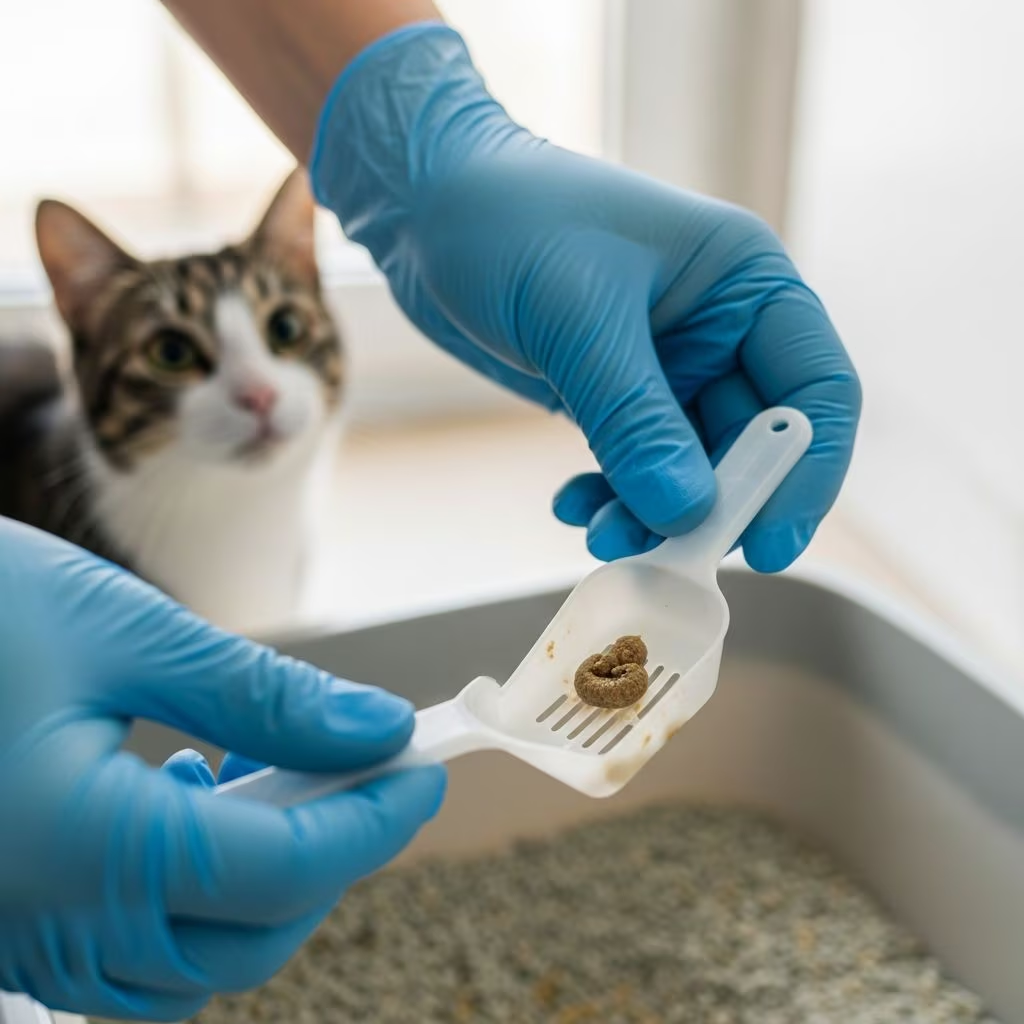
Collecting a stool sample from your cat is a crucial task for monitoring their gastrointestinal health and detecting potential issues like parasites or infections. Veterinary professionals emphasize that fresh fecal samples enable accurate testing, such as fecal flotation or sedimentation, which identify parasites, bacteria, and other abnormalities. This guide provides comprehensive steps, safety measures, and troubleshooting to help cat owners perform this simple yet vital procedure effectively.
Why Does Your Vet Need a Stool Sample from Your Cat?
A cat’s stool sample is essential for diagnosing gastrointestinal disorders, parasites, and other health concerns noninvasively. Veterinarians use it to check for common parasites like roundworms, hookworms, or giardia, as well as bacteria and enzymes that explain symptoms such as diarrhea or weight loss. Early detection through fecal analysis can prevent serious complications, making routine or symptomatic testing a cornerstone of preventive cat care. Without a proper sample, vets may miss key indicators, delaying treatment.
Fecal exams are particularly important in multi-pet households or for cats showing signs like loose stools, vomiting, or lethargy. Tests like fecal sedimentation detect denser fluke eggs that floatation misses, while direct smears reveal bacteria and specific parasites. Submitting a sample within 24 hours maximizes accuracy, as parasites can degrade over time.
How to Get Stool Sample from Cat: Vet-Approved Methods
Gathering materials beforehand ensures a smooth process. You’ll need latex gloves, a sealable plastic container or ziplock bag, and a disposable plastic spoon or scoop. These items protect you from potential pathogens like Toxoplasma, especially risky for pregnant individuals.
Step-by-Step Guide to Collecting Cat Feces
- Prepare your setup: Put on gloves and have your container ready. Work in a clean area to avoid contamination.
- Access fresh stool: Use a clean litter box or confine outdoor cats indoors until they defecate. Scoop about 1-2 teaspoons (1-5 grams preferred) from at least three different stool areas for comprehensive testing.
- Scoop the sample: Use the spoon to transfer feces into the container, including minimal litter if unavoidable—it’s acceptable and won’t harm analysis. Alternatively, invert a plastic bag over your gloved hand, pick up the stool, and seal it inside.
- Seal securely: Close the container tightly with the spoon inside if using a bag. Label with your cat’s name and collection time.
- Clean up: Dispose of gloves and tools properly, then wash hands thoroughly to prevent cross-contamination.
For watery diarrhea, collect directly from the litter or floor immediately, as volume is low. A tablespoon suffices, even with litter or soil traces. Specialized tools like fecalizers simplify piercing solid stool for collection.
Alternative Collection Techniques
- Litter box method: Ideal for indoor cats; remove stool promptly after defecation.
- Bag inversion trick: No-spoon option for firm stool—efficient and mess-free.
- Vet collection: If home methods fail, vets can obtain samples via rectal exam or overnight stay.
How to Store a Cat Stool Sample Before Transport
Freshness is paramount: analyze within 4-24 hours for optimal results, as drying kills parasites leading to false negatives. Store in a cool, dry place (refrigerate if over 12 hours, but avoid freezing). Keep away from sunlight and food; double-bag if needed. Multi-cat homes should isolate the target cat or use pelleted litter for easier identification. Deliver ASAP to your vet—most accept samples up to 24 hours old.
Troubleshooting: Common Challenges When Collecting Cat Stool Samples
Challenges arise in multi-cat households or with finicky felines. Here’s how to overcome them:
| Challenge | Solution |
|---|---|
| Multi-cat home | Confine the cat to a single room with a clean litter box; use non-clumping pellets to distinguish stool. |
| Cat avoids litter box | Temporarily restrict outdoor access or use a new box with enticing litter. |
| Watery stool | Scoop immediately from source; vet may assist if uncooperative. |
| No stool produced | Wait for natural defecation; avoid laxatives without vet advice. |
| Pregnant owner risks | Delegate to others due to Toxoplasma concerns. |
These strategies ensure you get a valid sample without stress to you or your cat.
Safety Precautions When Handling Cat Feces
Always wear gloves—feces may harbor infectious organisms transmissible to humans. Avoid splashing by not bending spoons; wash hands post-collection. Pregnant women should avoid handling due to toxoplasmosis risks, even without diarrhea. Keep samples sealed and separate from household items during transport. Proper hygiene minimizes zoonotic disease spread.
When to Collect a Cat Stool Sample for Your Vet
Collect proactively during annual checkups or when symptoms appear: diarrhea, blood in stool, straining, weight loss, or poor appetite. Vets recommend it for kittens, new cats, or after potential parasite exposure. Don’t delay—fresh samples yield precise diagnoses guiding treatments like deworming.
Frequently Asked Questions
How fresh does a stool sample need to be for accurate cat testing?
Within 24 hours is ideal, preferably 4-12 hours; store cool to preserve parasites.
How much cat poop is needed for a fecal test?
1-5 grams (1-2 tsp from multiple spots); small amounts suffice for most analyses.
Can I collect cat stool with litter attached?
Yes, minimal litter is fine and won’t affect results.
What if my cat has diarrhea—how do I get a sample?
Scoop watery stool immediately from litter or floor; vets can collect if needed.
Is it safe for me to handle my cat’s feces?
Wear gloves and wash hands; pregnant individuals should avoid due to risks.
How do I store the sample overnight?
Seal in a cool fridge (not frozen), deliver next day.
What tools work best for cat fecal collection?
Ziplock bags, spoons, or fecalizers; gloves mandatory.
This comprehensive approach empowers cat owners to support their pet’s health through effective sample collection. Consult your vet for personalized advice.
References
- How to Collect a Fecal Sample — Fenton River Veterinary Hospital. Accessed 2026. https://www.fentonrivervet.com/wp-content/uploads/How_to_Collect_a_Fecal_Sample.pdf
- Collecting a Fecal Sample from Your Cat — YouTube (Veterinary Video). Accessed 2026. https://www.youtube.com/watch?v=ranv7l3iBPo
- Take a Fecal Sample — LaCroix Veterinary Hospital. Accessed 2026. https://lacroixpetcare.com/take-a-fecal-sample/
- Fecal Exam for Cats — Fairview Animal Hospital. Accessed 2026. https://www.fairviewanimalhospital.com/pet-care/cat-services/fecal-exam
- Cat Fecal Tests: Everything You Need To Know — PetMD. Accessed 2026. https://www.petmd.com/cat/procedure/cat-fecal-tests



