

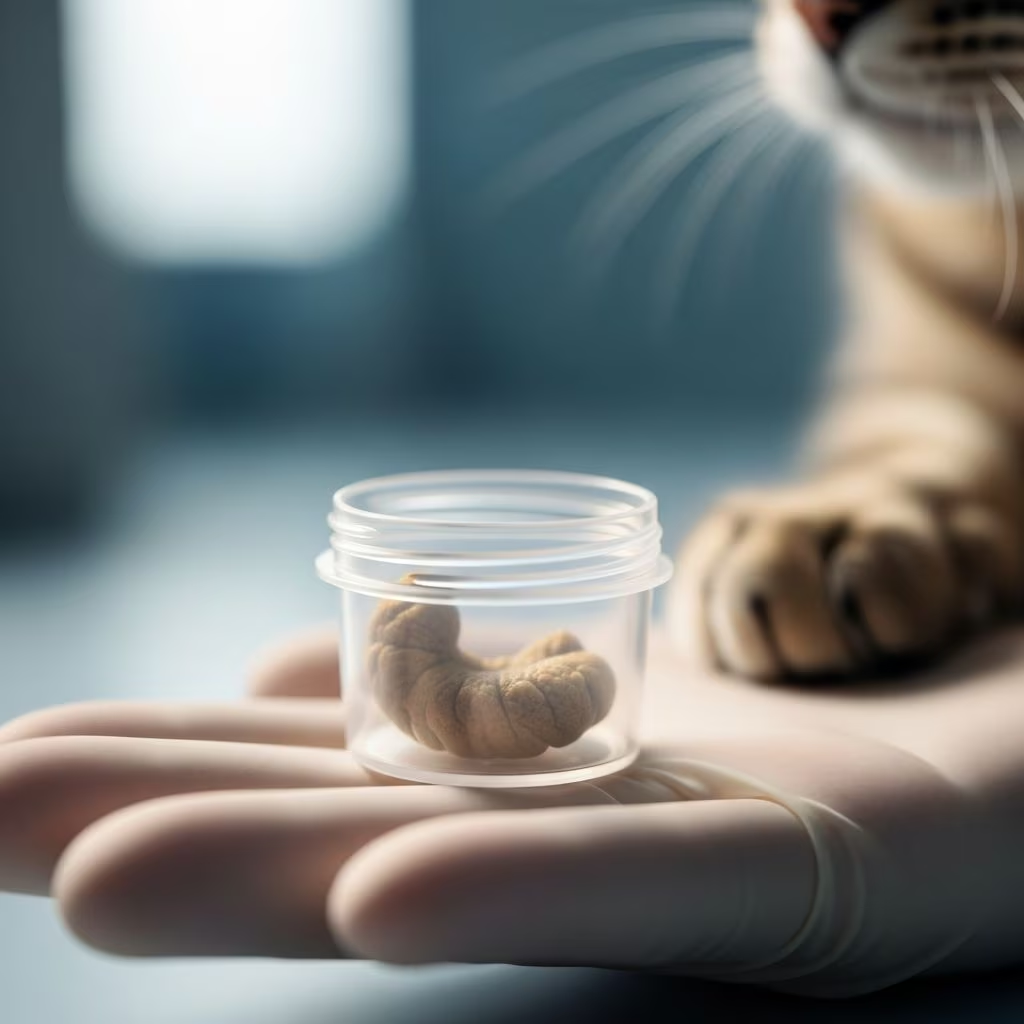
Collecting a stool sample from your cat is a straightforward yet crucial task that helps veterinarians diagnose gastrointestinal issues, parasites, and other health concerns. Fresh fecal samples allow for accurate testing of parasites, bacteria, and enzymes, enabling timely treatment. This guide covers everything from supplies to troubleshooting, ensuring you can do it safely and effectively at home.
Why Does Your Vet Need a Stool Sample?
A cat’s stool sample provides vital insights into their digestive health. Veterinarians use it to detect common parasites like roundworms, hookworms, Giardia, and coccidia, which can cause diarrhea, weight loss, or vomiting. Beyond parasites, tests reveal bacterial imbalances, inflammation markers, or even clues to dietary issues. Routine fecal exams are recommended annually or more frequently for kittens, outdoor cats, or those showing symptoms like loose stools or lethargy.
Fecal analysis is noninvasive and cost-effective. For instance, a fecal flotation test mixes the sample with a solution to make parasite eggs float for microscopic examination, while sedimentation detects heavier eggs like flukes. Direct smears identify bacteria or specific protozoa. Early detection prevents spread in multi-pet homes and protects immunocompromised owners.
Supplies You’ll Need
Gathering the right materials makes collection quick and hygienic. Here’s a complete list:
- Latex or nitrile gloves: Protect your hands from potential pathogens like Toxoplasma, especially important for pregnant individuals.
- Clean, sealable container: Plastic ziplock bags, small jars, or vet-provided fecal containers work best.
- Disposable spoon or scoop: Plastic spoons, tongue depressors, or a fecalizer device for precise sampling.
- Labels or marker: Note your cat’s name, date, and time of collection.
- Optional: Litter attractant: Non-clumping pellets to encourage defecation without standard litter interference.
Most items are household staples or available at pharmacies. Your vet may supply containers during appointments.
How to Collect a Stool Sample from Your Cat: Step-by-Step
Follow these steps for a reliable sample. Aim for fresh feces—within 4-24 hours old—for optimal results.
- Wear gloves: Always prioritize hygiene to avoid zoonotic risks.
- Locate fresh stool: Check the litter box right after your cat uses it. For outdoor cats, confine them indoors temporarily.
- Scoop the sample: Use the spoon to collect 1-2 teaspoons (2-5 grams preferred) from multiple stool areas for comprehensive testing. Some litter is okay.
- Alternative inverted bag method: Turn a ziplock bag inside out, use it like a glove to pick up firm stool, then seal it.
- Seal and label: Place in the container with the spoon if using one, seal tightly, and label clearly.
- Clean up: Dispose of gloves and tools, wash hands thoroughly with soap.
For watery diarrhea, collect directly from the box or floor immediately. A tablespoon suffices, even with litter or soil contamination.
Special Scenarios: Multi-Cat Households and Finicky Cats
Multi-cat homes: Isolate the target cat in a single room with its own litter box overnight. Use pelleted litter that dissolves under water for easier separation, or monitor closely post-defecation. Individual samples are ideal to pinpoint issues.
Outdoor or elusive cats: Confine to a bathroom or carrier with a litter pan. Some cats avoid soiled boxes, so provide a clean one and check frequently.
Constipated cats: If no stool appears, consult your vet. They may perform a rectal exam or hospital collection.
How to Store and Transport the Sample
Freshness is key—parasites die in dry or old samples, leading to false negatives. Here’s a quick guide:
| Timeframe | Storage Method | Tips |
|---|---|---|
| Immediate (under 4 hours) | Room temperature, sealed | Deliver to vet ASAP for best accuracy. |
| 4-24 hours | Refrigerate (not freeze) | Keep in cool, dark place; double-bag if needed. |
| Over 24 hours | Avoid if possible | Sample quality degrades; seek vet alternatives. |
Transport in a cooler bag if driving far. Keep away from food and children. Most vets accept samples during business hours.
Troubleshooting Common Problems
- No stool produced: Wait for natural defecation; force-feeding laxatives risks complications. Vet may induce or collect.
- Too much litter mixed in: Minor amounts don’t affect tests; scrape off excess.
- Watery stool: Scoop quickly; vet can still analyze for pathogens.
- Cat avoids litter during collection: Use puppy pads or a low-sided box; stress increases with confinement.
- Pregnant owner concerns: Delegate to avoid Toxoplasma exposure.
When to Collect a Stool Sample
Don’t wait for symptoms—annual fecal tests are standard for wellness checks, especially for kittens (every 3-6 months until 1 year) and adults exposed to outdoors or raw diets. Collect if noticing:
- Diarrhea, constipation, or blood/mucus in stool
- Scooting, vomiting, or poor appetite
- Weight loss or potbelly appearance
- Post-travel or new pet introduction
Proactive sampling prevents outbreaks.
What Happens After You Deliver the Sample?
At the clinic, techs perform flotation, smears, or advanced PCR tests for comprehensive panels. Results often same-day for basics, longer for cultures. Positive findings lead to dewormers, antibiotics, or diet changes. Negative doesn’t rule out issues—repeat if symptoms persist.
Frequently Asked Questions (FAQs)
How fresh does a cat stool sample need to be?
Ideally within 24 hours, preferably 4-12 hours. Refrigerate if delayed to preserve parasites.
How much stool is needed for a cat fecal test?
1-5 grams (1-2 teaspoons) from different areas. More is better but not required.
Can I collect a fecal sample if my cat has diarrhea?
Yes, collect watery stool immediately from the source. About 1 tablespoon works.
Is litter okay in the cat stool sample?
Small amounts are fine and won’t interfere with most tests.
What if I have multiple cats?
Isolate one cat per litter box or monitor fresh droppings closely.
Should I freeze the stool sample?
No—refrigerate only. Freezing damages cells needed for analysis.
Final Tips for Success
Communicate with your vet beforehand—they may provide tools or specific instructions. Collecting samples empowers you as a pet parent, catching issues early for happier, healthier cats. If challenges persist, schedule a visit for professional collection.
References
- How to Collect a Fecal Sample — Fenton River Veterinary Hospital. Accessed 2026. https://www.fentonrivervet.com/wp-content/uploads/How_to_Collect_a_Fecal_Sample.pdf
- Collecting a Fecal Sample from Your Cat — YouTube (Veterinary Video). Accessed 2026. https://www.youtube.com/watch?v=ranv7l3iBPo
- Take a Fecal Sample — LaCroix Veterinary Hospital. Accessed 2026. https://lacroixpetcare.com/take-a-fecal-sample/
- Fecal Exam for Cats — Fairview Animal Hospital. Accessed 2026. https://www.fairviewanimalhospital.com/pet-care/cat-services/fecal-exam
- Cat Fecal Tests: Everything You Need To Know — PetMD. Accessed 2026. https://www.petmd.com/cat/procedure/cat-fecal-tests



