

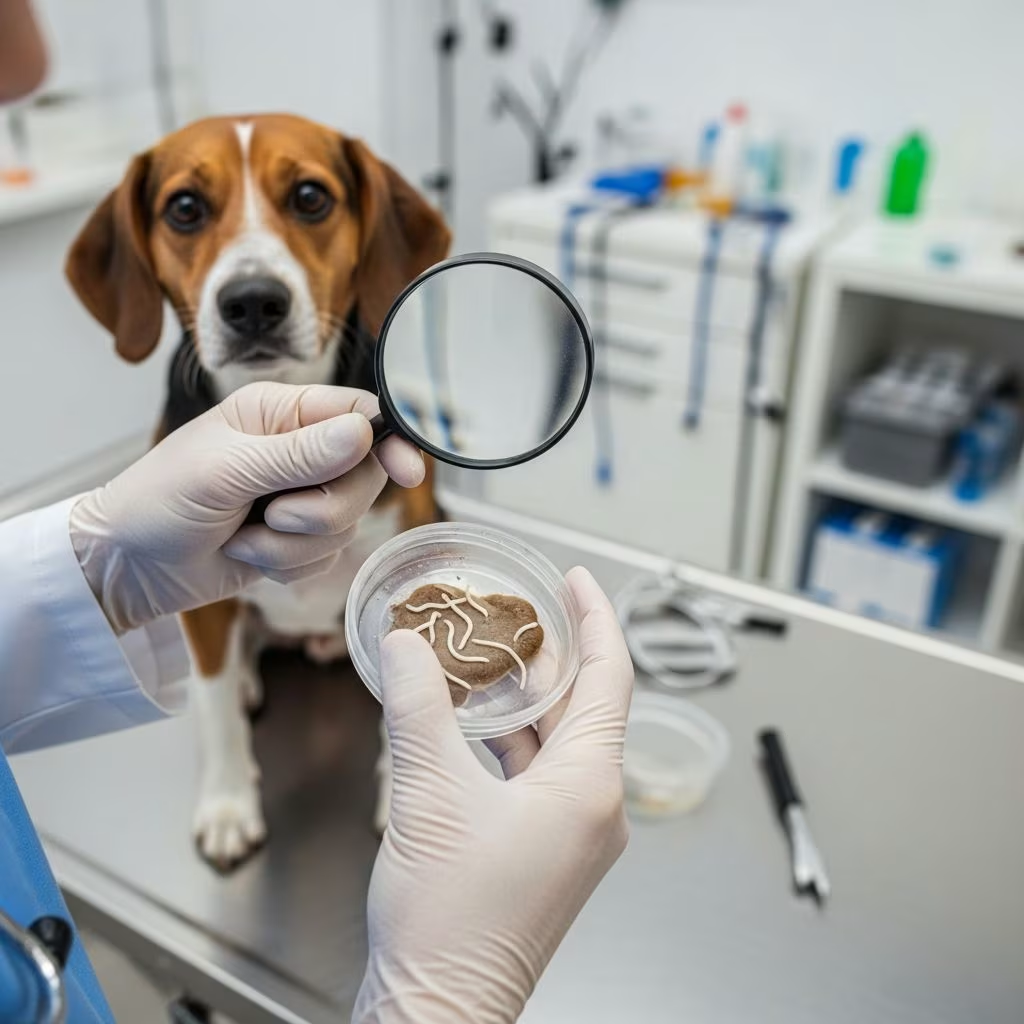
How to Get Rid of Worms in Dogs
Intestinal worms are among the most common health issues affecting dogs of all ages and breeds. Whether your dog is a young puppy or a senior companion, the risk of parasitic infection is a concern that every pet owner should understand. This comprehensive guide will help you understand everything you need to know about intestinal worms in dogs, from identifying the signs of infection to implementing effective treatment and prevention strategies.
Understanding Intestinal Worms in Dogs
Intestinal worms, also known as gastrointestinal parasites, are parasitic organisms that live in a dog’s digestive system. These parasites feed on nutrients or blood from the intestinal lining, potentially causing serious health complications if left untreated. The most common types of intestinal worms found in dogs include roundworms, hookworms, whipworms, tapeworms, and sometimes coccidia and Giardia.
Roundworms are the most prevalent gastrointestinal parasites in dogs, particularly affecting puppies. Even well-cared-for dogs living indoors can contract roundworms, though young puppies are especially vulnerable. This widespread occurrence makes understanding worm prevention and treatment essential for all dog owners.
Types of Common Parasitic Worms
Roundworms
Roundworms are the most common parasitic infection in dogs and can affect canines of any age. Puppies are particularly susceptible because they can be born with roundworms or acquire them through their mother’s milk during nursing. These worms can grow quite large in the intestines and may be visible in a dog’s feces or vomit.
Hookworms
Hookworms are a serious concern, particularly in young puppies. These parasites can cause anemia by feeding on blood from the intestinal lining, leading to decreased red blood cell counts. This can result in weakness, pale gums, and poor growth in affected puppies.
Whipworms
Whipworms are intestinal parasites that can cause chronic digestive issues in dogs. While less common than roundworms, they require specific deworming medications for effective treatment.
Tapeworms
Tapeworms are flat, segmented worms that live in a dog’s intestines. Unlike other worms, tapeworms require fleas as intermediate hosts to infect dogs—when a dog ingests an infected flea, they can contract tapeworms. Generally, tapeworms cause mild disease in dogs, though severe infections can lead to nutrient malabsorption and diarrhea.
How Dogs Contract Worms
Fecal-Oral Transmission
The most common transmission route for intestinal worms is the fecal-oral pathway. Dogs become infected by coming into contact with microscopic parasitic eggs present in fecal material and accidentally ingesting these eggs. This can occur through direct contact with contaminated soil, water, or surfaces.
Maternal Transmission
Puppies can be born with roundworms or acquire them through their mother’s milk during nursing. This is why deworming pregnant and nursing dogs is crucial for reducing parasite transmission to offspring.
Hunting and Wildlife Contact
Dogs that hunt rodents and other prey animals face significantly higher risks of contracting worms. Consuming infected prey is a direct pathway for parasitic infection.
Flea Infestation
Fleas serve as intermediate hosts for tapeworms. When a dog ingests an infected flea during grooming, they can become infected with tapeworms. This makes flea prevention an important component of overall parasite control.
Recognizing Symptoms of Worm Infection
While some dogs may not show any visible signs of worm infection, common symptoms include:
- Vomiting
- Diarrhea
- Coughing
- Weight loss despite normal appetite
- Pot-bellied appearance (especially in puppies)
- Poor appetite or reduced appetite
- Loss of fluid and dehydration
- Fatigue and lethargy
- Visible worms in feces or vomit
In puppies, intestinal parasites can be particularly dangerous. Parasites compete for nutrients, leading to poor growth and development. Hookworms can cause anemia and weakness, while roundworms may result in stunted growth. Adult dogs with strong immune systems may show fewer symptoms, though debilitated animals or those with weakened immune systems are more likely to experience severe intestinal parasitism.
Diagnosis of Intestinal Worms
Many dog owners mistakenly believe their dogs don’t have worms because they haven’t seen any in their pet’s stool. However, the majority of worms are not visible to the human eye—with the exception of some tapeworms that may appear as segments in feces or around the anus.
A proper diagnosis requires a fecal examination by a veterinarian. The vet will perform a special test or examine the stool sample under a microscope to check for worm eggs or parasitic material. If worm eggs or tapeworm segments are found in the stool sample, this indicates your dog is infected with adult worms.
Regular fecal exams are recommended at least annually for adult dogs and more frequently for puppies. Your veterinarian may recommend routine deworming treatments instead of or in addition to fecal examinations, depending on your dog’s lifestyle and risk factors.
Treatment Options for Intestinal Worms
Deworming Medications
Intestinal worms in dogs are curable with proper treatment. The primary approach involves deworming medications prescribed by a veterinarian. These medications are available in various formulations, including tablets, liquids, and chewables.
Common prescription deworming medications include:
- Drontal Plus
- Nemex
- Panacur
- Virbantel
- Safe-Guard
It’s important to note that different types of worms respond to different medications. No single wormer works against all parasites, and some over-the-counter dewormers can be quite ineffective. Your veterinarian will recommend the best dewormer based on the specific type of worm identified in your dog’s stool.
Treatment Schedule
Deworming typically requires multiple treatments given on a strict schedule over several weeks. Following your veterinarian’s directions carefully is essential for successful treatment. Your dog’s stool will need to be retested after treatment to ensure the deworming was effective.
Supportive Care
Depending on your dog’s health status and symptom severity, your veterinarian may recommend additional supportive care measures, including:
- Veterinary therapeutic diet formulated for digestive health (such as Hill’s GI Biome)
- Gastrointestinal probiotics (such as FortiFlora or Proviable)
- Hospitalization and supportive care for severe cases
- Emergency surgery to remove large amounts of worms if intestinal blockage occurs
Recovery and Management
Dogs with mild infections and lower worm burdens can typically recover within a few weeks of starting treatment. However, recovery time depends on the infection’s severity and your dog’s overall health status.
During recovery, maintain close communication with your veterinarian regarding follow-up visits and retesting. Ensure your dog completes the full course of deworming medication as prescribed, even if symptoms resolve quickly. Complete elimination of the parasite is crucial to prevent reinfection.
Prevention Strategies
Monthly Deworming Programs
The most effective prevention method is using a monthly, commercially-available dewormer year-round. Since most parasites have a life cycle of three to four weeks, monthly medication prevents and treats most parasites indefinitely. This is why keeping your dog on once-a-month parasite control year-round is very important to protect your dog and your family.
Puppy Deworming Protocol
Puppies should begin deworming after finishing weaning at 6-8 weeks of age. Starting a monthly dewormer at this age can protect puppies from parasites for the rest of their lives. Additionally, deworming pregnant and nursing dogs reduces the number of parasites transmitted to offspring.
Flea and Tick Prevention
Flea control is important for preventing tapeworms since fleas serve as intermediate hosts. Many modern preventive medications, such as Credelio Quattro, offer comprehensive parasite protection covering multiple types of parasites including fleas, ticks, heartworms, roundworms, hookworms, and tapeworms in a single dose.
Lifestyle Modifications
Prevent your dog from chasing wildlife, as hunting and consuming prey animals significantly increases the risk of parasitic infection. Keep your dog away from areas with potential fecal contamination.
Regular Veterinary Care
Schedule annual fecal examinations for adult dogs and more frequent checks for puppies. Your veterinarian can recommend the most appropriate parasite control program based on your dog’s age, lifestyle, and geographic location.
Public Health Considerations
Intestinal worms in dogs can pose health risks to humans, especially children. Roundworms, in particular, can cause disease in people through accidental ingestion of contaminated soil or feces. This is another critical reason why maintaining consistent deworming programs is essential for protecting not just your pet, but your entire family.
When to Seek Emergency Care
While most worm infections are manageable with routine deworming, severe cases may require emergency veterinary care. Signs that your dog needs immediate attention include:
- Severe vomiting or diarrhea leading to dehydration
- Signs of intestinal blockage (abdominal pain, inability to defecate)
- Lethargy, weakness, or collapse
- Pale gums or signs of anemia
- Visible parasites protruding from the anus
Emergency surgery may be necessary to remove large amounts of worms if your dog develops an intestinal blockage.
Frequently Asked Questions
Q: Can I treat my dog’s worms with home remedies?
A: No. There are no proven home remedies to treat or prevent parasitic worms in dogs. Prescription dewormers prescribed by your veterinarian are safer and more effective than many over-the-counter options. Always consult with your local veterinarian for the best deworming choice based on your location and your dog’s lifestyle.
Q: How often should my dog be dewormed?
A: Most veterinarians recommend monthly deworming year-round for dogs at risk of parasitic infection. Puppies should be dewormed more frequently, typically starting at 6-8 weeks of age. Your veterinarian can recommend the appropriate schedule based on your dog’s individual situation.
Q: Can I see worms in my dog’s poop?
A: Most worms are not visible to the naked eye. Only some tapeworms may appear as small segments in feces or around the anus. A fecal examination by your veterinarian is necessary for proper diagnosis.
Q: Are intestinal worms life-threatening in dogs?
A: In puppies and debilitated dogs, intestinal parasites can be serious. However, in healthy adult dogs with strong immune systems, they are only occasionally life-threatening. Prompt treatment is still essential to prevent complications.
Q: Can my dog get worms from other dogs?
A: Yes, dogs can contract worms through contact with contaminated feces from other infected dogs. This is why maintaining good hygiene and regular deworming is important, especially in multi-dog households.
References
- Roundworms in Dogs: What They Are and What To Do If You Find Worms in Your Dog’s Poop — PetMD. 2024. https://www.petmd.com/dog/conditions/digestive/roundworms-in-dogs
- How to Get Rid of Worms in Dogs — PetMD. 2024. https://www.petmd.com/dog/general-health/evr_dg_intestinal_worms_in_dogs
- Intestinal Parasites in Cats and Dogs — American Veterinary Medical Association (AVMA). 2024. https://www.avma.org/resources-tools/pet-owners/petcare/intestinal-parasites-cats-and-dogs
- Internal Parasites in Dogs — VCA Animal Hospitals. 2024. https://vcahospitals.com/know-your-pet/internal-parasites-in-dogs
- How To Tell if Your Dog Has Worms: Symptoms, Treatment and Prevention — PetMD. 2024. https://www.petmd.com/dog/general-health/how-to-tell-if-your-dog-has-worms



