

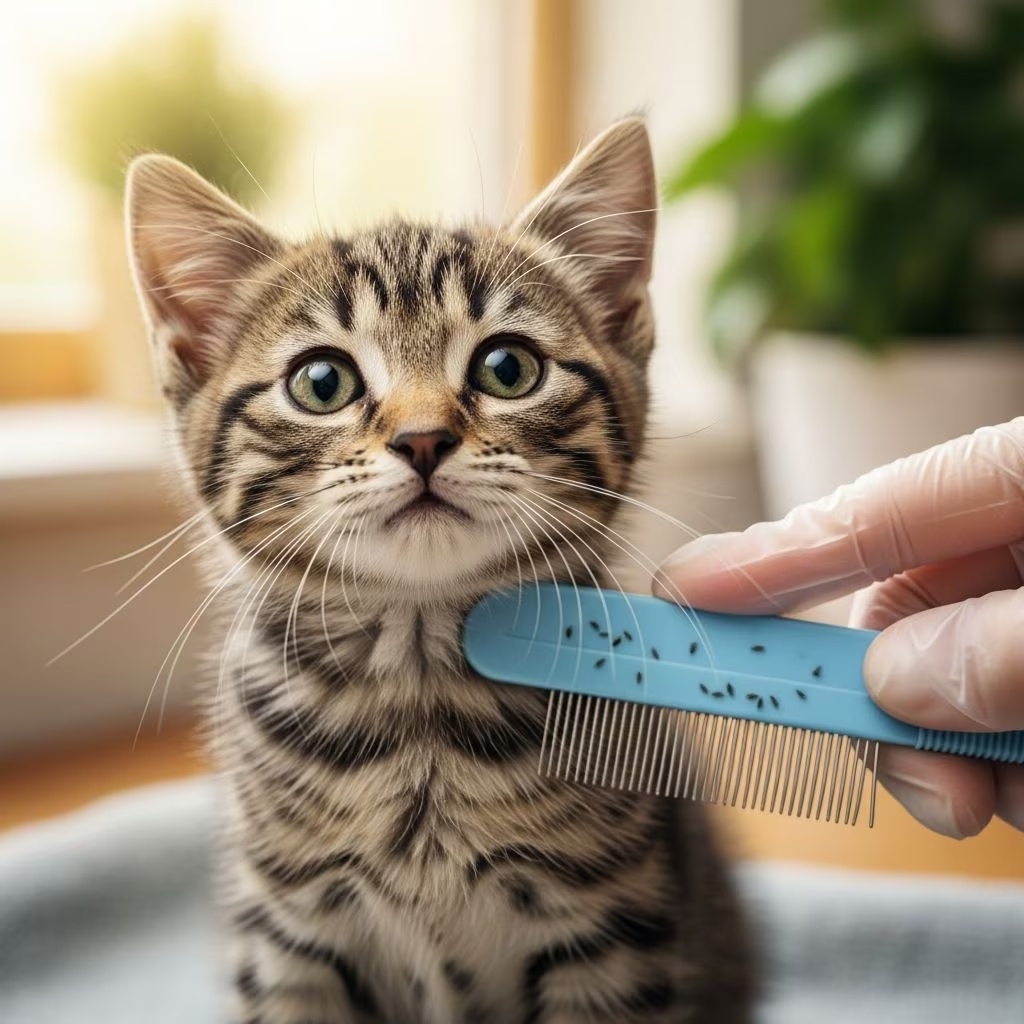
Fleas pose a significant threat to kittens, potentially causing severe anemia and even death in severe cases due to blood loss from bites, especially in newborns and young kittens. Unlike adult cats, kittens’ immature bodies struggle to replenish lost blood, making prompt action essential. Vacuuming and flea combing serve as primary methods to control fleas until kittens reach the age for approved treatments, typically 8-12 weeks.
Addressing fleas requires a multi-step approach targeting both the kitten and the environment, as only 5% of fleas live on the pet while the rest hide in bedding, carpets, and furniture as eggs and larvae. Always consult a veterinarian first, as many commercial products are unsafe for kittens under 8-10 weeks or below certain weights.
The 7 Steps to Get Rid of Fleas on Kittens
1. Give Your Veterinarian a Call
The first and most critical step is contacting your veterinarian for tailored advice. Kittens have unique needs, and most over-the-counter flea products, including shampoos and spot-ons, are not approved for those younger than 8-10 weeks or under 1.5-2 pounds. Vets can recommend age-appropriate options like manual removal methods or safe topicals such as Frontline Plus for kittens over 8 weeks, which kills fleas, eggs, and larvae for up to 30 days.
Discuss your kitten’s age, weight, health status, and infestation severity. For very young kittens, vets may advise against chemical treatments to avoid toxicity risks, emphasizing non-chemical controls instead. This consultation prevents harmful applications, such as essential oils, which can be fatal to cats even in small amounts.
2. Use a Flea Comb
A flea comb is an indispensable tool for kittens of all ages, allowing daily inspection and physical removal of fleas, eggs, and debris. These fine-toothed combs catch adult fleas effectively; dip the comb in soapy water after each pass to drown captured pests.
Comb gently from head to tail, focusing on the neck, belly, and base of the tail where fleas congregate. This method not only reduces flea numbers but also socializes kittens to handling, aiding future grooming. While not preventive, regular combing provides immediate relief and monitors progress until safer treatments are viable.
- Comb daily for best results.
- Wipe fleas into a bowl of dish soap and water.
- Repeat after baths for maximum efficacy.
3. Bathe Them
Bathing removes remaining adult fleas post-combing, using lukewarm water and vet-approved, mild shampoo if the kitten is old enough (often 3 months+). Kittens chill easily, so warm the room to 75-80°F (24-27°C) beforehand and use a handheld sprayer or cup for gentle rinsing.
Work shampoo into a lather, let it sit 2-5 minutes to kill fleas via suffocation, then rinse thoroughly to avoid skin irritation. Towel-dry immediately and keep the kitten warm with a hairdryer on low or blankets. For newborns, plain warm water baths suffice without soap.
Benefits of Bathing:
- Removes up to 50-70% of adult fleas.
- Cleans eggs and dirt from fur.
- Safest chemical-free option for young kittens.
4. Apply Any Flea Treatments
Once cleared by your vet, apply recommended topicals like Revolution or Frontline Plus directly to the skin at the base of the skull, parting the fur for contact. These kill fleas on contact and prevent reinfestation but require precise dosing based on weight.
Avoid dog products, oral meds without guidance, or unapproved remedies. For severe cases, vets may prescribe Capstar tablets, which kill adults within 30 minutes but don’t affect eggs, necessitating repeat doses. Always follow label instructions and observe for reactions like drooling or lethargy.
| Treatment | Min Age/Weight | Key Features |
|---|---|---|
| Frontline Plus | 8 weeks / N/A | Kills fleas, eggs, larvae; 30-day protection |
| PetArmor Squeeze-On | 8 weeks / 1.5 lbs | Affordable; kills adults quickly |
| Revolution Topical | 8 weeks / N/A | Prevents egg hatching; premium option |
| Catego | 8 weeks / 1.5 lbs | Fast-acting; against ticks too |
5. Vacuum
Vacuuming is vital for environmental control, removing up to 95% of flea eggs and larvae from carpets, furniture, and floors. Focus on pet areas, crevices, and under cushions daily during infestation.
Use attachments for upholstery and dispose of the bag/canister contents in a sealed bag outside immediately to halt re-infestation. Steam cleaning enhances efficacy by killing with heat.
- Vacuum 2-3 times weekly.
- Include baseboards and cracks.
- Empty vacuum outdoors.
6. Laundry
High-heat washing and drying eradicate fleas and eggs from bedding, toys, and fabrics. Launder all kitten-contact items at 140°F (60°C) or hotter, followed by a 20-minute dryer cycle on high.
Wash human bedding too if pets share spaces. For non-washables, seal in plastic bags for 2 weeks or freeze. Repeat weekly until flea-free.
7. Preventative Steps
Prevention sustains flea-free status: use vet-approved preventives once age-appropriate, maintain year-round treatments on all household pets, and monitor strays or outdoor access.[10] Cover kitten resting spots with washable sheets for easy cleaning.
Regular vet check-ups, combing, and environmental vigilance prevent reinfestation. In flea-prone areas, treat yards with pet-safe insecticides.
How Serious Are Fleas on Kittens?
Fleas are far more dangerous for kittens than adults, risking flea allergy dermatitis, tapeworms from ingestion, and life-threatening anemia from blood loss. Newborns can die from even moderate infestations as their small blood volume (comparable to a few teaspoons) depletes rapidly.
Symptoms include pale gums, weakness, lethargy, and excessive scratching. Untreated, heavy loads lead to collapse or death. Adult cats tolerate better due to regenerative capacity.
Why Are Kittens Especially Vulnerable to Fleas?
Kittens’ tiny size (often under 2 pounds initially) means fewer fleas cause disproportionate harm. Immature immune and blood systems can’t compensate for losses, unlike robust adults. Stray or feral kittens frequently harbor fleas without preventive care.[10]
Flea Life Cycle: Why Environmental Control Matters
Understanding the flea life cycle—egg, larva, pupa, adult—explains persistence. Adults (5%) on the pet lay eggs that fall into surroundings, hatching into larvae feeding on debris before pupating. Pups emerge as adults in 2 weeks to months, ready to bite.
Treatments killing only adults fail without environmental cleanup, perpetuating cycles. Integrated pest management—combining combing, vacuuming, and targeted insecticides—breaks this.
Frequently Asked Questions (FAQs)
Q: Can fleas kill a kitten?
A: Yes, heavy infestations can cause fatal anemia via blood loss, particularly in kittens under 12 weeks.
Q: What is the safest way to remove fleas from a newborn kitten?
A: Use a flea comb dipped in soapy water and warm water baths; avoid all chemicals and consult a vet.
Q: When can I use flea medicine on my kitten?
A: Typically 8-12 weeks, depending on product and weight; always vet-approved.
Q: How often should I vacuum during a flea infestation?
A: Daily in heavy cases, then 2-3 times weekly until resolved.
Q: Do all stray kittens have fleas?
A: Most do, due to lack of treatment and exposure.[10]
Q: Can I use essential oils for kitten fleas?
A: No, they are toxic and potentially lethal to cats.
Eliminating fleas from kittens demands diligence, but following these steps protects their health effectively. Patience is key until preventive products are safe.
References
- Will Fleas Kill a Kitten? Facts & Safety Guide — Catster. 2023. https://www.catster.com/cat-health-care/will-fleas-kill-a-kitten/
- How To Get Rid of Fleas on Kittens: 7 Vet Approved Steps — Catster. 2023. https://www.catster.com/cat-health-care/how-to-get-rid-of-fleas-on-kittens/
- 9 Best Flea Treatments for Kittens (2026) – Reviews & Top Picks — Catster. 2026. https://www.catster.com/cat-health-care/best-flea-treatment-for-kittens/
- Is It True That All Stray Cats Have Fleas? Vet-Verified Facts & FAQ — Catster. 2023. https://www.catster.com/cat-health-care/is-it-true-that-all-stray-cats-have-fleas/



