

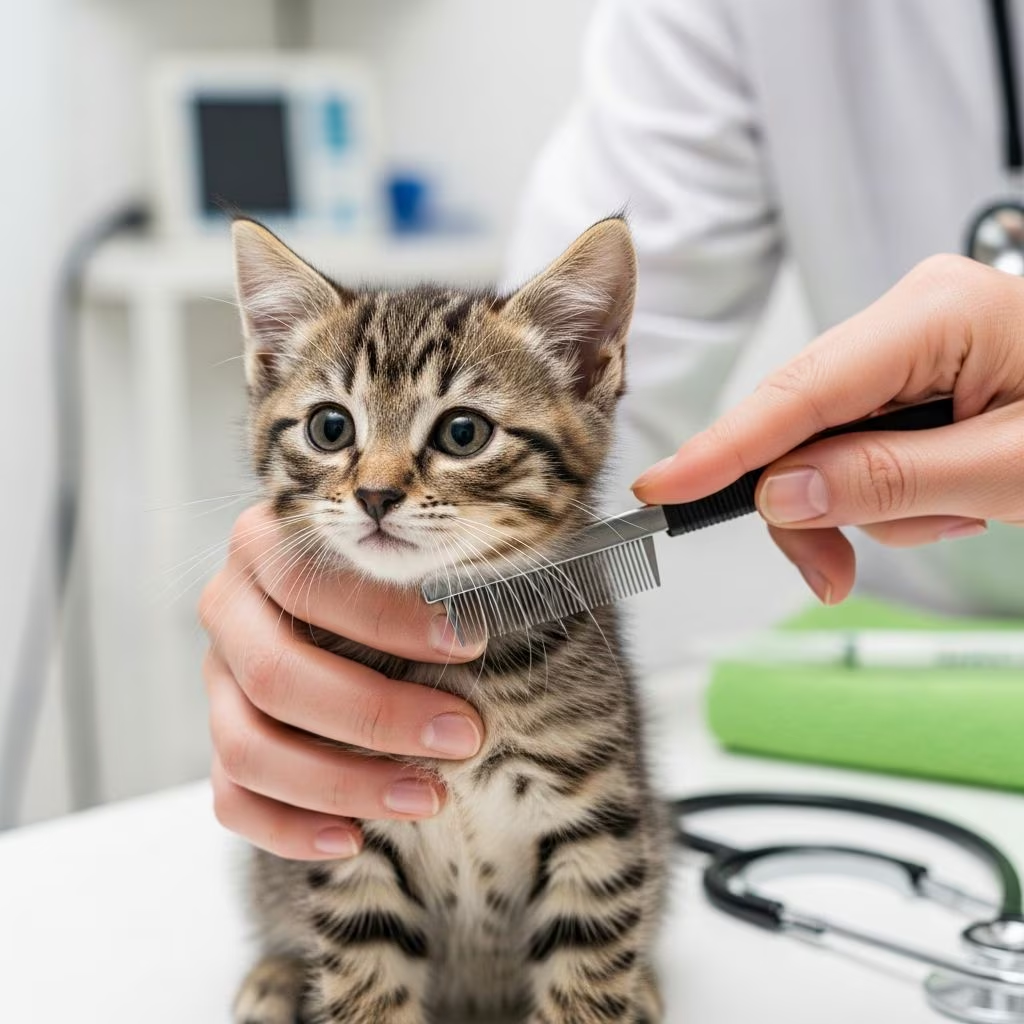
Fleas pose a significant threat to kittens, causing intense itching, skin irritation, and potentially life-threatening anemia from blood loss, especially in newborns and young kittens under 8 weeks old. A heavy infestation can overwhelm a kitten’s immature body, leading to weakness, pale gums, and even death if not addressed promptly. Unlike adult cats, kittens cannot compensate for substantial blood loss, making immediate, safe intervention crucial. This guide outlines **7 vet-approved steps** to eliminate fleas from kittens while protecting their delicate health. Always consult your veterinarian first, as many commercial products are unsafe for kittens younger than 8-12 weeks.
Why Fleas Are Especially Dangerous for Kittens
Kittens are particularly vulnerable to fleas because their small size and developing immune systems make them prone to severe complications. Fleas feed on blood, and a heavy infestation can cause flea allergy dermatitis, tapeworm transmission from flea ingestion during grooming, and hemolytic anemia. Signs of severe infestation include excessive scratching, hair loss, scabs, lethargy, and pale gums. In extreme cases, untreated fleas can kill a kitten through blood loss. Early detection through regular checks—parting the fur to look for flea dirt (black specks that turn red when wet)—is vital. Environmental fleas, including eggs and larvae, account for 95% of the problem, so treating the kitten alone is insufficient.
The 7 Steps to Get Rid of Fleas on Kittens
Addressing a flea infestation requires a multi-pronged approach: treat the kitten gently, eliminate fleas in the environment, and prevent reinfestation. These steps are safe for kittens of all ages when adapted per vet advice.
1. Give Your Veterinarian a Call
The first and most critical step is contacting your vet. Kittens under 8 weeks cannot safely use most topical flea treatments like spot-ons (e.g., Frontline Plus or Revolution, approved from 8 weeks and 1.5-2 pounds). Your vet will assess the infestation severity, kitten’s age, weight, and health, recommending safe options like manual removal or prescription products. They may also check for anemia via bloodwork. Never use dog flea products or essential oils on cats, as they can be toxic and fatal.
2. Use a Flea Comb
A **flea comb** is the safest tool for kittens of any age. Its fine teeth catch adult fleas and debris. Comb daily: Dip teeth in soapy water to drown fleas. Part fur in sections from head to tail, focusing on neck, belly, armpits, and tail base. This removes up to 60% of fleas manually, provides socialization, and monitors progress. Wipe flea dirt on a wet paper towel to confirm (turns red from digested blood). Combine with grooming for bonding.
3. Bathe Them
Bathing drowns remaining fleas post-combing. Use lukewarm water (never hot) in a warm room to prevent hypothermia. Vet-approved mild dish soap (like Dawn, diluted) or kitten-safe shampoo for those over 4 weeks; rinse thoroughly to avoid irritation. Towel-dry gently and keep warm with a hairdryer on low or heating pad. Bathe weekly until flea-free. For tiny kittens, use a damp cloth wipe-down if full baths stress them.
4. Apply Any Flea Treatments
Once cleared by your vet, apply age-appropriate topicals. For kittens 8+ weeks:
- Frontline Plus: Kills fleas, eggs, larvae for 30 days; best overall.
- PetArmor Squeeze-On: Budget-friendly, kills adults fast (8 weeks+, 1.5 lbs).
- Revolution Topical: Prevents eggs hatching; premium multi-protection.
Apply to skin at base of skull. Avoid over-the-counter products without vet approval. For severe cases, oral options like Capstar (30 minutes onset, adults only) may be prescribed. Reapply as directed, but monitor for reactions.
5. Vacuum Thoroughly
Environment treatment is key—adult fleas on the kitten are just 5% of the issue. Vacuum daily for 2 weeks: carpets, rugs, furniture, baseboards, cracks. Use crevice tool for edges; remove cushions. Empty canister/bag outside immediately in a sealed bag to kill fleas via disposal. This removes eggs, larvae, and 50% of adults. Steam cleaning enhances efficacy.
6. Laundry
Wash all fabrics at 140°F+ to kill fleas/eggs: kitten bedding, blankets, your linens, throws, toys. Dry on high heat for 20+ minutes. Repeat every 2-3 days. Cover kitten areas with washable sheets for easy laundering. This step prevents reinfestation from hidden eggs.
7. Preventative Steps
Prevention beats cure. Once kittens reach treatment age, use monthly preventatives year-round. Treat all household pets simultaneously. Maintain yard with nematodes or vet-recommended sprays. Regular combing/vaccuming sustains control. Monitor strays/ferals, common flea sources[10]. Indoor-only with preventatives minimizes risk.
Additional Tips for Flea Control in Kittens
- Use a fan or AC; fleas dislike cool, dry air.
- Avoid flea collars/shampoos under 12 weeks.
- Check for secondary issues: tapeworms, allergies.
- For multi-pet homes, isolate infested until treated.
| Age/Weight | Safe Treatments | Notes |
|---|---|---|
| <8 weeks | Flea comb, bath, vacuum | Vet manual methods only |
| 8+ weeks, 1.5+ lbs | PetArmor, Frontline | Topical spot-ons |
| 8+ weeks, 2+ lbs | Revolution, Capstar | Multi-parasite protection |
Frequently Asked Questions (FAQs)
Q: Can fleas kill a kitten?
A: Yes, heavy infestations can cause fatal anemia via blood loss, especially in newborns.
Q: What is the safest way to remove fleas from a young kitten?
A: Flea combing and bathing with vet-approved soap, combined with environmental cleaning.
Q: When can I use flea medicine on kittens?
A: Typically 8-12 weeks and minimum weight; always vet-approved.
Q: How do I know if my kitten has fleas?
A: Look for scratching, flea dirt, live fleas, or red skin. Comb to confirm.
Q: How long does it take to get rid of fleas?
A: 2-4 weeks with consistent steps; full cycle is 21 days.
Conclusion
Eliminating fleas from kittens demands patience, vet guidance, and thorough environmental control. By following these **7 steps**—starting with a vet call, using combs and baths, then targeted treatments—you can safeguard your kitten’s health. Persistence prevents reinfestation and complications. Healthy kittens thrive flea-free; act swiftly for their best start.
References
- Will Fleas Kill a Kitten? Facts & Safety Guide — Catster. 2023. https://www.catster.com/cat-health-care/will-fleas-kill-a-kitten/
- How To Get Rid of Fleas on Kittens: 7 Vet Approved Steps — Catster. 2023. https://www.catster.com/cat-health-care/how-to-get-rid-of-fleas-on-kittens/
- 9 Best Flea Treatments for Kittens (2026) – Reviews & Top Picks — Catster. 2026. https://www.catster.com/cat-health-care/best-flea-treatment-for-kittens/
- How to Tell if Your Cat Has Fleas: 10 Vet-Reviewed Signs — Catster. 2023. https://www.catster.com/cat-health-care/how-to-tell-if-cat-has-fleas/
- Is It True That All Stray Cats Have Fleas? Vet-Verified Facts & FAQ — Catster. 2023. https://www.catster.com/cat-health-care/is-it-true-that-all-stray-cats-have-fleas/



