
How to Get Rid of Fleas on Cats: Safe and Effective Methods
Complete guide to eliminating fleas from cats with safe, proven methods and treatments.
How to Get Rid of Fleas on Cats: A Complete Guide
Fleas are one of the most common parasitic problems that cat owners face. These tiny insects can cause significant discomfort to your feline companion and lead to serious health complications if left untreated. Unlike other pests, fleas reproduce rapidly and can infest your entire home within a short period. Understanding how to effectively eliminate fleas from your cat is essential for maintaining your pet’s health and comfort.
The good news is that modern flea treatments have made it relatively easy to get rid of these parasites safely and effectively. Whether you prefer natural methods, over-the-counter solutions, or prescription medications, numerous options are available to suit your cat’s specific needs and your personal preferences.
Understanding the Flea Problem
Fleas are more than just an annoyance for your cat. These parasites can cause serious health issues, including itching, skin irritation, allergic reactions, and in severe cases, anemia from blood loss. Kittens are particularly vulnerable to flea infestations and can become dangerously sick very quickly. Additionally, fleas can transmit tapeworms and other diseases to your cat.
It’s important to recognize the signs of a flea infestation early. Fleas typically hide behind a cat’s head, along the back by the tail base, and on the underbelly. Even if you don’t see the fleas themselves, you might notice flea dirt—the flea’s fecal matter—which appears as tiny dark specks in your cat’s fur. Finding flea dirt indicates that fleas are actively infesting your cat and your home.
Method 1: Bathing Your Cat
One of the quickest ways to start managing a flea problem is to give your cat a bath. This method physically removes many adult fleas from your cat’s fur and body. Bathing is particularly useful as an immediate response to a flea infestation, though it should be combined with other treatments for long-term prevention.
How to Bathe Your Cat for Flea Removal:
Start by rinsing your cat in warm water. Simply using water alone will remove many adult fleas without the need for medicated shampoos. If you choose to use soap, select a non-medicated option like Dawn dish soap or baby shampoo. Soapy water helps prevent fleas from jumping out of the bathwater, though it is not strictly necessary to remove or kill fleas.
Lather the soap gently into your cat’s fur, making sure to cover all areas. Be thorough but gentle to avoid stressing your cat. After thoroughly soaping your cat, rinse all the soap out completely—this is crucial because your cat will groom itself after the bath and could ingest any remaining soap residue.
Important Safety Considerations:
Always use warm water, never hot water, as this can stress your cat and cause discomfort. Most flea shampoos aren’t appropriate for young kittens. If your kitten is younger than 12 weeks old, stick to plain water or use only non-medicated soap. Make sure to remove all water from your kitten’s fur before drying them well with a towel or a hairdryer on the warm (not hot) setting. Always keep your fingers in the flow of air when using a hairdryer to ensure that the heat remains low enough to prevent burns. Never leave your kitten alone when using drying electronics, as they can overheat very quickly.
Method 2: Using a Flea Comb
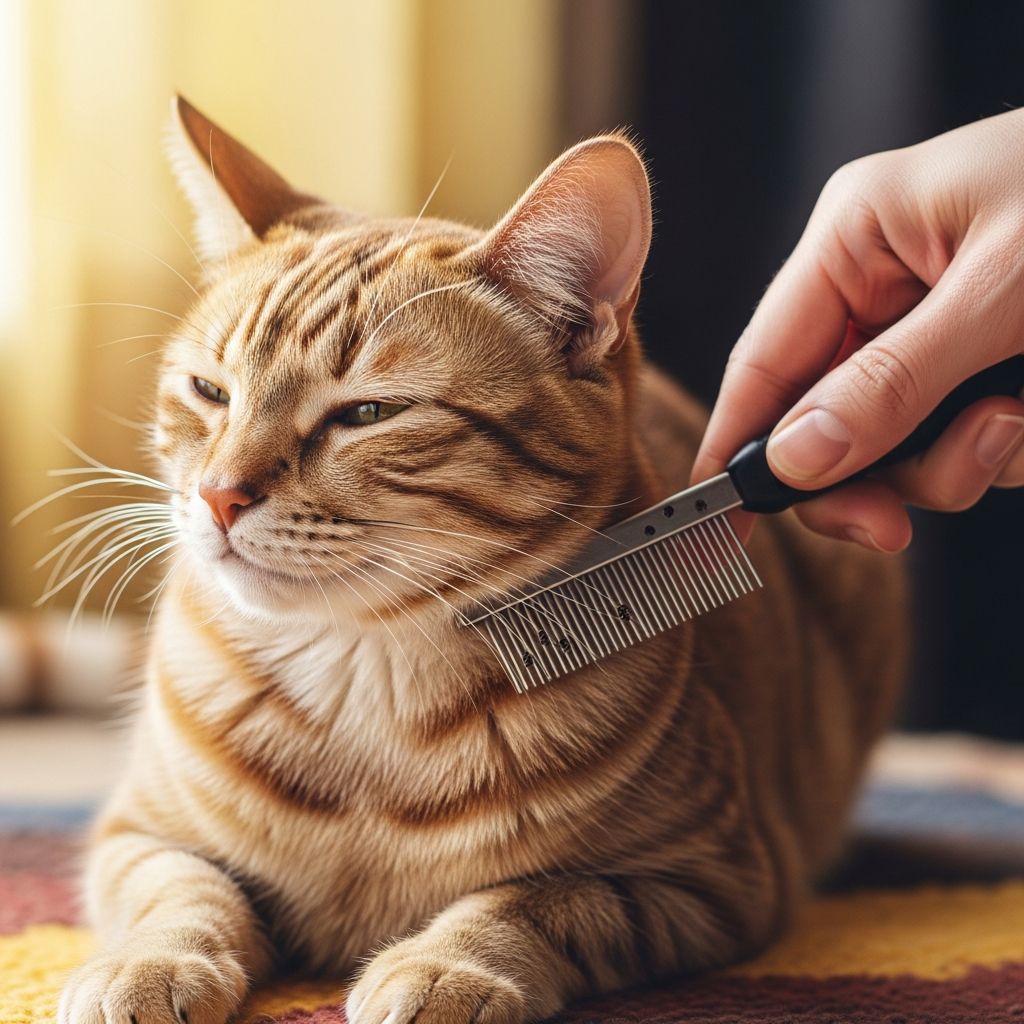
A flea comb is a simple yet effective tool for removing adult fleas from your cat. This method works by trapping fleas on the comb’s fine teeth, allowing you to physically remove them without exposing your cat to chemical treatments. Flea combs are particularly valuable for very young or small kittens that cannot safely use flea products.
How to Use a Flea Comb Effectively:
For best results, use a dry flea comb on freshly groomed fur for easier visibility of flea material and greater comfort for your cat. Gently comb through your cat’s fur, paying special attention to areas where fleas commonly hide: behind the head, along the back by the tail base, and on the underbelly.
When dealing with an active flea infestation, use a flea comb on your cat daily until the infestation has cleared. If you do not have an active infestation, it’s ideal to check your cat weekly or monthly for fleas as a preventative measure. After each pass through the fur, dip the comb into a cup of water or rubbing alcohol to remove and kill any fleas you’ve captured.
The specific features of the flea comb will depend on your individual cat’s needs. Cats with shorter fur should use combs with shorter, more closely spaced teeth, while cats with longer fur benefit from combs with longer teeth.
Method 3: Avoiding Dangerous Products
Not all flea treatments are safe for cats. Understanding which products to avoid is just as important as knowing which treatments to use.
Never Use Permethrin Products:
Cats have a poor ability to process certain drugs and chemicals that humans and dogs can easily handle. This poor metabolic processing ability means these substances can be toxic for cats at very low doses, even though they are perfectly safe for dogs and humans. Permethrin is one of the most common chemicals cats struggle to process, and it’s found in many dog flea medications. Many flea treatments formulated for dogs contain permethrin and should never be used on cats, as they can cause serious illness or death.
Avoid Essential Oil-Based Treatments:
Cats’ poor ability to process certain compounds also means that many kinds of essential oils can be toxic to cats, even at low doses and concentrations. Many natural flea treatments use essential oils as active ingredients. However, essential oils can be very dangerous for cats, so it’s best to avoid these products entirely, especially for kittens. Always check product labels carefully and avoid any treatment that lists essential oils as ingredients.
General Safety Rule:
The safest flea treatments for cats are those that are specifically formulated for cats, dosed appropriately based on weight, and recommended by a veterinarian who is familiar with your cat’s individual health situation. Always read and follow the manufacturer’s instructions carefully. Avoid any product that doesn’t clearly state it’s safe for cats.
Method 4: Prescription and Over-the-Counter Treatments
Once you’ve addressed the immediate flea problem with bathing or combing, the next step is to use a flea prevention product to eliminate any remaining fleas and prevent future infestations. The best options for getting rid of fleas on cats depend on their age, weight, and overall health.
Oral Flea Treatments:
Oral flea treatments are known to be much more effective at killing fleas than topical solutions. Veterinarians often recommend oral treatments as the first-line defense against flea infestations. Popular oral options include Comfortis, which provides long-term prevention, and Capstar, which is a fast-acting pill that kills live fleas over the course of 24 hours. Capstar can be given safely with most traditional flea treatments, making it an excellent choice for treating active infestations quickly. Credelio Chewable Tablets for Cats is another popular oral medication that provides extended protection.
Topical Flea Treatments:
Topical treatments are applied directly to your cat’s skin, usually at the base of the neck where your cat cannot lick it. Popular topical options include Revolution Plus Topical Solution for Cats and Advantage Multi Topical Solution for Cats. Bravecto is a topical flea treatment that uses fluralaner to kill adult fleas and provides two months of protection. It should only be used on cats that are older than 6 months and weigh more than 2.6 pounds.
Age and Weight Considerations:
The best flea treatment depends significantly on your cat’s age and weight. Most flea products are safe for use in kittens older than 8-10 weeks or weighing over 2 pounds. However, every product is different, and formulations haven’t typically been tested on kittens younger or smaller than this, so they may contain doses that are too high for very young or tiny kittens. Always check the product label for age and weight recommendations before administering any treatment.
Environmental Control and Household Treatment
Treating your cat is only half the battle. Fleas reproduce rapidly in homes and easily jump between pets, so environmental control is essential for complete elimination.
Cleaning Your Home:
Vacuum your carpets, floors, and upholstery thoroughly and wash all bedding in hot water. Flea eggs, larvae, and pupae hide deep in carpets, furniture, and cracks in floors, away from light. If you know fleas are present, use in-home flea treatments such as carpet and upholstery spot sprays. For severe infestations, consider hiring a professional exterminator or using an indoor fogger or carpet powder.
Treating All Pets:
Every animal in your household needs treatment, even if they don’t appear to have fleas. Fleas can jump between pets easily, and untreated animals can reinfest your treated cat or kitten. This includes dogs, other cats, rabbits, and any other pets in your home.
Managing Guest-Related Infestations:
If you suspect your cat may have been exposed to fleas from a house guest, clean up thoroughly by vacuuming, washing floors, sheets, bathrooms, couches, towels, and upholstery. If you’re moving into a new home where the previous owner had pets, consider having a professional cleaning service come in to clean the entire home before you move in.
Natural and Alternative Flea Treatment Options
While natural products might seem appealing, it’s important to understand their limitations. It is difficult to eliminate fleas from your cat naturally since most natural products do not target all life stages of the flea. Many products may repel fleas but do not actually kill them.
Dish Soap Method:
One safe natural method involves giving your cat a bath and lathering a couple of drops of dish soap into their fur to remove adult fleas and flea dirt. This method is particularly useful for very young kittens that cannot use other flea products.
Peppermint Oil Products:
Certain commercially available sprays containing small amounts of peppermint oil can kill fleas and their eggs. Products like Vet’s Best Cat Flea and Tick Gentle-Mist Spray are formulated specifically for cats and use peppermint oil in safe concentrations. These products are among the most effective natural ways to kill fleas and their eggs, though they should typically be used in conjunction with other methods for complete control.
Limitations of Natural Methods:
Natural methods like bathing and flea combing only eliminate the adult fleas on your cat. They don’t prevent new fleas from jumping on or address other life stages of the flea. While these methods are not long-term solutions on their own, they are safe for very young and small kittens that can’t safely use flea products yet.
When to Consult a Veterinarian
Your veterinarian is your best resource for choosing the right flea treatment for your specific cat. Vets will get rid of fleas in cats using the same methods pet parents can use at home, but they can also provide professional guidance based on your cat’s age, weight, health status, and lifestyle.
If you’re unsure which treatment is appropriate for your cat, if your cat has underlying health conditions, or if you’re treating a very young kitten, consult your veterinarian before starting any flea treatment. They can recommend the safest and most effective options and monitor your cat’s response to treatment.
Frequently Asked Questions
Q: What is the most effective flea treatment for cats?
A: Oral flea treatments are known to be much more effective at killing fleas than topical solutions. Options like Comfortis and Credelio provide both immediate relief and long-term prevention when prescribed by your veterinarian.
Q: Can I use dog flea treatment on my cat?
A: No, you should never use dog flea treatments on cats. Many dog flea treatments contain permethrin and other chemicals that are toxic to cats. Always use products specifically formulated for cats.
Q: How often should I bathe my cat to remove fleas?
A: During an active infestation, you can bathe your cat once weekly or as needed. For kittens, use only warm water or non-medicated soap. Always consult your veterinarian if bathing seems to stress your cat excessively.
Q: Are essential oils safe for treating fleas on cats?
A: No, essential oils can be toxic to cats even at low concentrations due to their poor ability to metabolize certain compounds. Avoid flea treatments containing essential oils and stick to veterinarian-approved options.
Q: Can I use a flea comb as my only flea treatment?
A: While flea combing is safe and effective for removing adult fleas, it only addresses fleas currently on your cat. It doesn’t prevent new fleas from infesting your cat or other pets. For complete control, combine flea combing with environmental treatment and consider prescription or over-the-counter flea prevention products.
Q: What age can kittens safely receive flea treatment?
A: Most flea products are safe for kittens older than 8-10 weeks weighing over 2 pounds. Very young kittens should be treated using bathing, flea combs, or other natural methods until they reach the appropriate age and weight for commercial products.
Q: How quickly do flea treatments work?
A: Fast-acting treatments like Capstar can start killing adult fleas within 30 minutes. Other treatments may take several hours to several days to achieve full effectiveness. Long-term prevention products provide ongoing protection over weeks or months.
Conclusion
Getting rid of fleas on your cat requires a comprehensive approach that combines immediate flea removal with long-term prevention and environmental control. Whether you choose bathing, flea combs, natural methods, or prescription medications, the key is consistency and following product instructions carefully.
Remember that fleas can make cats very sick and can even be deadly if left untreated, so addressing an infestation promptly is essential. When in doubt, consult your veterinarian to determine the best flea treatment plan for your cat’s specific needs and circumstances. With the right approach, you can successfully eliminate fleas from your cat and your home.
References
- How to Get Rid of Fleas on Kittens — PetMD. Accessed November 2025. https://www.petmd.com/cat/parasites/how-get-rid-fleas-kittens
- Flea and Tick Prevention and Treatment for Cats — PetMD. Accessed November 2025. https://www.petmd.com/cat/general-health/flea-and-tick-prevention-and-treatment-cats
- Home Remedies for Fleas and How To Help Your Cat — PetMD. Accessed November 2025. https://www.petmd.com/cat/general-health/natural-flea-treatment-for-cats
- How to Use a Flea Comb on a Cat — PetMD. Accessed November 2025. https://www.petmd.com/cat/how-use-flea-comb-cats
- How to Choose the Safest Flea Treatment for Your Cat — PetMD. Accessed November 2025. https://www.petmd.com/cat/parasites/how-choose-safest-flea-treatment-your-cat
- 5 Ways Indoor Cats Can Get Fleas — PetMD. Accessed November 2025. https://www.petmd.com/cat/general-health/ways-indoor-cats-can-get-fleas
Similar Articles








Read full bio of Sneha Tete




