

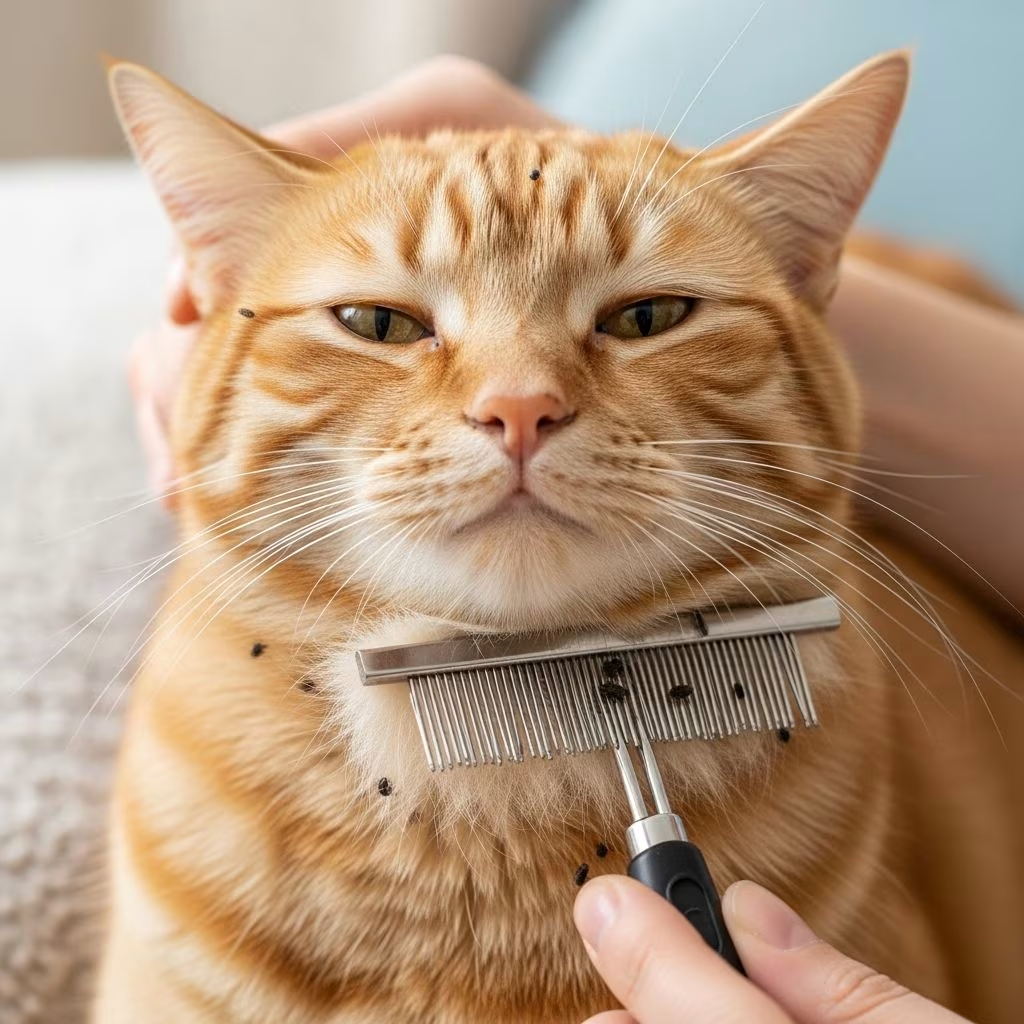
Fleas are a common parasite that can infest cats, causing itching, discomfort, and potential health issues like flea allergy dermatitis or tapeworm transmission. Even indoor cats are at risk, as fleas can hitch rides on clothing, other pets, or wildlife. Effective flea control requires treating your cat, cleaning the environment, and implementing prevention to break the flea life cycle, which includes eggs, larvae, pupae, and adults.
How to Spot Fleas on Your Cat
Detecting fleas early prevents severe infestations. Look for these signs:
- Excessive scratching or grooming: Cats may chew their fur, especially around the tail base and hindquarters.
- Flea dirt: Black specks resembling dandruff that turn reddish-brown when wet, indicating digested blood.
- Visible fleas: Tiny, fast-moving brown insects, about 1/8 inch long, often seen jumping.
- Hair loss or red skin: From irritation or allergies.
- Tiny white eggs or ‘salt and pepper’ debris: In fur or bedding.
To confirm, use a flea comb with fine metal teeth. Comb from head to tail over white paper; live fleas, eggs, or flea dirt will appear. Dispose of combings in soapy water outdoors to kill them.
The Flea Life Cycle: Why Treatment Must Be Comprehensive
Understanding the flea life cycle is crucial. Adults live on the host (your cat), feeding on blood and laying up to 50 eggs daily. Eggs fall off into the environment, hatching into larvae that feed on organic debris and dried blood from adult flea feces. Larvae spin into pupae cocoons, which are sticky and resistant, emerging as adults when stimulated by warmth, vibration, or CO2. The full cycle takes 2-3 weeks but can last months in ideal conditions.
Only 5% of fleas live on the pet; 95% are in the home as eggs, larvae, and pupae. Treating just the cat leaves the infestation intact, leading to reinfestation.
How to Get Rid of Fleas on Cats
A multi-step approach targets all life stages: treat the cat, clean the home, and treat all pets.
Home Remedies to Get Rid of Fleas on Cats
Home remedies provide initial relief but won’t eradicate the infestation alone. They drown or remove adults and eggs but miss environmental stages.
- Bathe your cat: Use mild cat shampoo or Dawn dish soap (diluted). Lather, let sit 5 minutes to drown fleas, rinse thoroughly. Avoid eyes and ears; towel-dry gently. Repeat every few days if needed.
- Flea comb daily: Comb in sections, dipping in soapy water. Focus on neck, belly, and tail. This removes 20-30% of fleas and eggs daily.
- Salt or diatomaceous earth: Sprinkle food-grade diatomaceous earth on bedding (avoid cat contact); vacuum after 48 hours. It dehydrates fleas but is less effective than chemicals.
Warning: Remedies like vinegar sprays or lemon juice soothe but don’t kill all stages. Always follow with vet treatments.
Over-the-Counter Flea Treatments
OTC spot-ons, collars, or shampoos contain adulticides like pyrethrins. Choose cat-specific products with imidacloprid or pyriproxyfen (IGR for eggs/larvae). Examples: Frontline Plus, Sergeant’s. Apply monthly per label; results in 24-48 hours.
Pros and cons table:
| Type | Active Ingredients | Pros | Cons |
|---|---|---|---|
| Spot-on | Imidacloprid + Pyriproxyfen | Kills adults, eggs; waterproof | May irritate skin; not for kittens <8 weeks |
| Shampoo | Pyrethrins | Quick kill on contact | Short-term; doesn’t prevent |
| Collar | Tetrachlorvinphos | Long-lasting (3-8 months) | Ineffective if wet; choking hazard |
Prescription Flea Treatments for Cats
Veterinarians recommend prescription options for fastest, safest results. They kill adults within 12-24 hours and target eggs/larvae.
- Topicals: Revolution Plus (selamectin + sarolaner) or Advantage Multi (imidacloprid + moxidectin). Monthly application.
- Oral: Comfortis (spinosad) or Bravecto (fluralaner) chewables; kills in 30 minutes, lasts 1-3 months.
- Injections: Bravecto lasts 3 months.
Consult a vet for kittens, pregnant cats, or multi-pet homes. Never use dog products (e.g., those with permethrin) – toxic to cats.
Deep-Cleaning Your Home
Treat the environment aggressively for 2-4 weeks.
- Vacuum daily: Carpets, rugs, furniture, baseboards. Empties vacuum outside immediately.
- Wash fabrics: Bedding, blankets, toys in hot water (>140°F) weekly.
- Hard surfaces: Mop floors with vinegar solution.
- IGRs: Sprays like Precor or Nylar prevent larvae maturation. Safe for pets after drying.
- Severe cases: Hire pet-safe exterminator; steam clean carpets.
Treat all pets simultaneously, even if asymptomatic.
How to Prevent Fleas on Cats
Prevention beats treatment. Use year-round even indoors.
- Year-round flea prevention: Monthly topicals/orals protect against fleas, ticks, heartworms.
- Limit exposure: Block strays; quarantine new pets; wash shared items.
- Clean environment: Weekly vacuuming, lint-rolling.
- Control pests: Seal entry points; humane wildlife removal; no rodenticides.
- Post-travel checks: Comb and bathe after vet/boarding.
Natural Ways to Get Rid of Fleas on Cats
Natural options supplement but rarely replace meds. Essential oils (tea tree, eucalyptus) can be toxic – avoid.
- Apple cider vinegar spray: 1:1 water dilution; repels but doesn’t kill.
- Lemon spray: Boil lemons, strain, spray bedding.
- Brewer’s yeast: Added to food; mixed efficacy.
Vet-approved naturals like cedar oil products exist but test first.
Frequently Asked Questions (FAQs)
Can indoor cats get fleas?
Yes, via shoes, other pets, rodents, or vents. 95% of fleas are environmental.
How long does it take to get rid of fleas on cats?
2-4 weeks with full treatment; continue prevention monthly.
Are flea collars safe for cats?
Some are, if cat-specific and fitted properly. Prefer topicals for better coverage.
What if my cat is allergic to fleas?
See vet for steroids/antihistamines plus flea control to prevent dermatitis.
Do flea treatments kill eggs?
IGR-containing ones do; combine with cleaning.
Bottom Line
Getting rid of fleas on cats demands vigilance: spot early, treat with vet-approved products, deep-clean home, and prevent year-round. This keeps your cat itch-free and healthy. Consult your vet for tailored advice, especially for kittens or sick cats.
References
- Control of External Parasites on Cats — Cornell University College of Veterinary Medicine. 2024-01-15. https://www.vet.cornell.edu/departments-centers-and-institutes/cornell-feline-health-center/health-information/feline-health-topics/control-external-parasites-cats
- Flea Control in Cats — American Animal Hospital Association (AAHA). 2023-06-10. https://www.aaha.org/your-pet/pet-owner-education/ask-aaha/flea-control-in-cats/
- Fleas — Merck Veterinary Manual. 2025-03-20. https://www.merckvetmanual.com/integumentary-system/fleas-and-fleas-associated-diseases/fleas
- Ectoparasite Control Guidelines — Companion Animal Parasite Council (CAPC). 2024-11-01. https://capcvet.org/guidelines/fleas/
- Flea and Tick Prevention for Cats — FDA Center for Veterinary Medicine. 2023-09-12. https://www.fda.gov/animal-veterinary/safety-health/pet-safe-flea-and-tick-products-cats



