
How To Get Rid Of Fleas In The Yard: Complete Guide
Complete guide to eliminating fleas from your yard using proven methods and natural solutions.
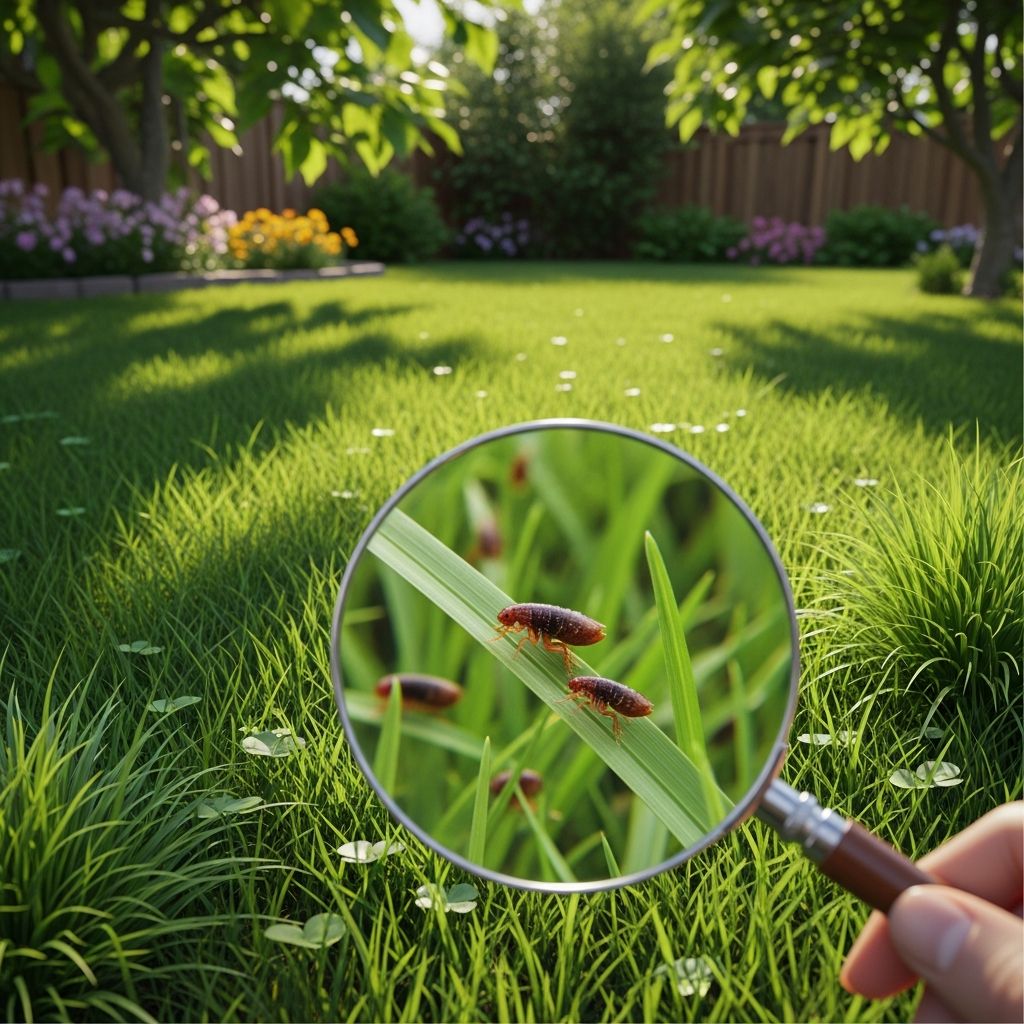
How to Get Rid of Fleas in the Yard
Flea infestations don’t just affect your dog—they can rapidly spread throughout your yard, creating an outdoor breeding ground that continuously reinfects your pet and home. While treating your dog is essential, eliminating fleas from your yard is equally important to break the flea life cycle and prevent future infestations. A comprehensive approach combining yard maintenance, environmental treatments, and strategic pest control methods will help you reclaim your outdoor space from these persistent parasites.
Understanding the Flea Problem in Your Yard
Fleas thrive in outdoor environments where they find shelter, moisture, and hosts to feed on. Your yard provides ideal conditions for flea reproduction, particularly in areas with dense vegetation, leaf litter, and shaded spots. Flea larvae develop in soil and organic debris, making yard treatment just as crucial as treating your pet indoors. Without addressing the outdoor population, your dog will continue to pick up fleas whenever they venture outside, making indoor treatments less effective.
Yard Maintenance: The Foundation of Flea Control
The first step in eliminating fleas from your yard involves basic maintenance that removes the conditions fleas need to survive. Regular yard care not only makes your outdoor space less hospitable to fleas but also improves the overall health and appearance of your landscaping.
Mowing and Debris Removal
Maintain your yard by mowing regularly and keeping grass at a reasonable height. Fleas prefer longer grass and dense vegetation where they can hide and survive. Remove leaf litter, dead plants, and debris from your yard, as these materials create ideal microhabitats for flea larvae and pupae. Pay special attention to areas under shrubs, around garden beds, and along fence lines where debris tends to accumulate. Regular raking and clearing eliminate hiding spots and expose flea populations to sunlight, which is lethal to them.
Trimming Overgrown Plants
Overgrown plants create shaded areas where fleas can thrive. Trim back bushes, shrubs, and tree branches to increase air circulation and sunlight penetration throughout your yard. These actions directly reduce flea survival rates and create an environment less favorable for flea development. Additionally, proper plant maintenance improves drainage and reduces moisture levels, which fleas depend on for reproduction.
Managing Moisture and Shade
Fleas require moisture to develop properly, so reducing unnecessary watering helps control populations. Avoid overwatering your plants and ensure proper drainage in low-lying areas where water tends to collect. Reduce shaded areas by removing lower tree branches and dense vegetation. Increasing sunlight exposure throughout your yard creates hostile conditions for flea larvae, which are highly sensitive to desiccation and UV radiation. Where possible, consider relocating water bowls and pet resting areas to sunny spots.
Natural Flea Control Methods for Yards
While traditional pesticides are effective, natural methods can serve as excellent supplements to or alternatives for chemical treatments, particularly if you prefer to minimize pesticide exposure in areas where your pets play.
Beneficial Nematodes
Beneficial nematodes are microscopic worms that serve as natural flea predators in your yard. These organisms hunt adult fleas as well as flea eggs and larvae, dramatically reducing flea populations while also helping eliminate mosquitoes and termites. Nematodes pose no threat to people, pets, plants, or beneficial insects—they simply die off when their food source (fleas) is no longer available. After applying nematodes to your yard, you’re likely to see a significant decrease in the flea population within 24 hours. These organisms work continuously throughout the soil, providing long-term population control without chemical residues.
Plant-Based Treatments
Several plant-based flea control products are available that use natural ingredients to repel and kill fleas at all life stages. These products typically contain essential oils such as cedarwood oil and sesame oil, which have proven flea-repellent and insecticidal properties. Unlike many conventional flea products, plant-based treatments often have dual-action properties—they both repel and kill fleas—making them versatile options for yard treatment. These products can be used alongside other flea-killing treatments for multi-modal control, creating multiple barriers against flea reinfestation.
Flea-Repellent Plants
Strategically planting flea-repellent vegetation around your yard creates a natural barrier against fleas. Plants such as lavender, spearmint, and lemongrass naturally repel fleas and can be integrated into your landscaping design. These plants also provide aesthetic benefits and can be used for culinary or aromatic purposes. Research which flea-repellent plants thrive in your climate zone and incorporate them into garden beds, along fence lines, and near pet resting areas. This natural approach addresses flea control while enhancing your yard’s overall appearance.
Traditional Flea Control Methods
While natural methods are valuable, traditional pest control treatments remain the most effective approach for eliminating established flea infestations in yards.
Pet-Safe Insecticides
Pet-safe insecticides designed specifically for outdoor yard use can effectively eliminate fleas at all life stages. These products are formulated to minimize harm to pets while targeting flea populations in soil and vegetation. Apply these treatments according to manufacturer instructions, ensuring you cover all areas where fleas are likely to develop. Reapplication schedules vary by product, so follow label directions carefully. Pet-safe formulations are increasingly available and provide powerful flea elimination without exposing your dog to excessive chemical residues.
Granular Yard Treatments
Granular products can be spread across your yard to kill fleas, ticks, and other insects for extended periods. These long-lasting formulations provide sustained flea control over several months, reducing the need for frequent reapplication. Granular treatments work well for dogs that are particularly active outdoors or enjoy swimming, as they’re not affected by water exposure like some topical pet treatments. These products distribute evenly across your yard and gradually release active ingredients into the soil where flea larvae develop.
Combining Approaches for Maximum Effectiveness
The most effective yard flea control combines multiple strategies. Begin with yard maintenance to remove flea habitats, then apply natural or chemical treatments to eliminate existing populations. Maintain ongoing preventive measures by keeping your yard well-maintained and reapplying treatments as recommended. This integrated pest management approach addresses all stages of the flea life cycle and prevents reinfestation from spreading from your yard back to your pets and home.
Treatment Timeline and Expectations
Effective yard flea control typically requires 24 to 48 hours to show results, with most populations significantly reduced within the first week of treatment. However, complete elimination may take longer, especially for severe infestations. Plan to treat your yard multiple times throughout the flea season, typically spring through fall, with frequency depending on your location’s climate and flea pressure. Combine yard treatments with indoor flea control and pet preventive medication for comprehensive protection.
Preventing Future Yard Flea Infestations
Once you’ve eliminated fleas from your yard, maintaining prevention is simpler than treating an active infestation. Maintain regular yard care year-round, especially during warm months when fleas are most active. Keep your dog on veterinarian-recommended flea prevention medication throughout the flea season. Regularly inspect your dog for signs of fleas, and treat any new infestations immediately before they establish in your yard again. By staying proactive with yard maintenance and pet prevention, you can maintain a flea-free outdoor environment long-term.
Frequently Asked Questions
Q: How long does it take to get rid of fleas in the yard?
A: Most effective treatments begin eliminating fleas within 24 hours, with significant population reduction visible within the first week. Complete elimination may take longer depending on infestation severity and the treatment method used.
Q: Are natural flea treatments as effective as chemical pesticides?
A: Natural treatments can be effective, particularly when combined with traditional methods and yard maintenance. While traditional pesticides often work faster, natural remedies like beneficial nematodes and plant-based products provide sustainable, ongoing control without chemical residues.
Q: Can I treat my yard while my dog plays outside?
A: Pet-safe yard treatments are formulated to be safe around animals when used as directed. However, you should keep your dog indoors during application and follow all product instructions regarding re-entry times before allowing pets outside.
Q: How often should I treat my yard for fleas?
A: Treatment frequency depends on your climate, flea season duration, and product type. Most yard treatments require reapplication every 2-4 weeks during flea season. Granular products may last several months. Consult your veterinarian for specific recommendations for your area.
Q: What’s the best way to prevent fleas from returning to my yard?
A: Maintain regular yard care, keep your dog on veterinarian-recommended flea prevention medication, and monitor your pet regularly for signs of fleas. Early detection and treatment prevent reinfestation from establishing in your yard.
Q: Is it safe to use beneficial nematodes around my family and pets?
A: Yes, beneficial nematodes are completely safe for humans, pets, and the environment. They only target flea larvae and other pest insects, then die off naturally when their food source is gone.
Q: Can yard treatment alone eliminate fleas without treating my dog?
A: No. Yard treatment must be combined with direct pet flea treatment and home interior treatment for effective elimination. Fleas on your dog will continue to lay eggs in your home and yard, perpetuating the infestation.
Q: Which plants repel fleas most effectively?
A: Lavender, spearmint, and lemongrass are proven flea-repellent plants that thrive in most regions. Research which varieties grow best in your climate zone for optimal effectiveness.
References
- How to Handle Fleas on Dogs — PetMD. Accessed 2025-11-28. https://www.petmd.com/dog/general-health/how-to-handle-fleas-on-dogs
- How to Get Rid of a Flea Infestation — PetMD. Accessed 2025-11-28. https://www.petmd.com/general-health/flea-infestation
- Natural Flea Control for Yards — PetMD. Accessed 2025-11-28. https://www.petmd.com/dog/general-health/natural-flea-control-for-yards
- Protecting Your Pets from Fleas and Ticks — Total Veterinary Care. Accessed 2025-11-28. https://www.totalveterinarycare.com/preventative-care/protecting-your-pets-from-fleas-and-ticks/
- Efficient Natural Flea Treatments for Dogs — The National Canine Research Council. Accessed 2025-11-28. https://wearethecure.org/natural-flea-treatments-for-dogs/
Similar Articles








Read full bio of Sneha Tete


