

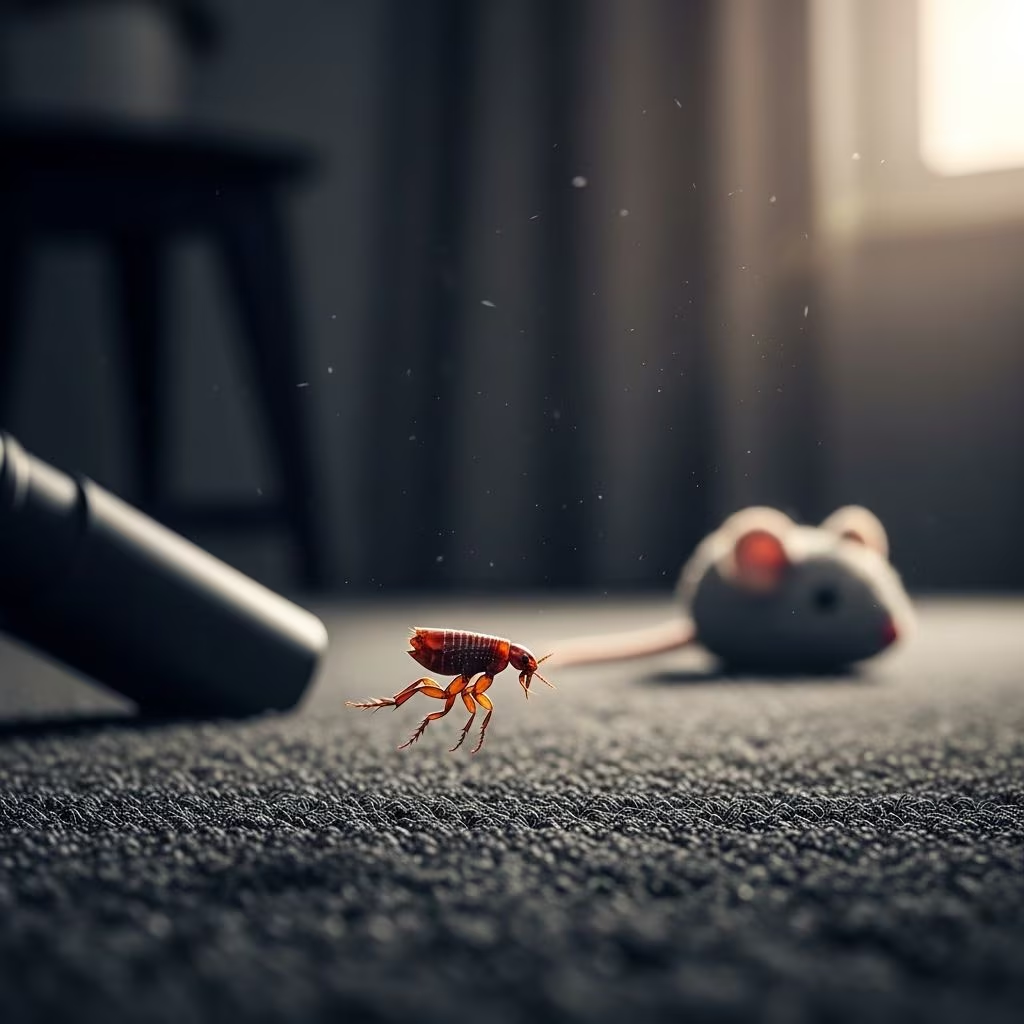
How to Get Rid of Fleas in the House
Fleas are one of the most common household pests that pet owners face, and they can quickly multiply if left untreated. A single female flea can lay up to 50 eggs per day, making it essential to act fast when you discover an infestation. Understanding the flea life cycle and implementing a comprehensive treatment strategy is crucial for successfully eliminating these parasites from your home.
Getting rid of fleas requires a multi-pronged approach that targets fleas at every stage of their life cycle. You’ll need to treat your pet, clean your home thoroughly, and use appropriate insecticides or natural remedies. In this guide, we’ll walk you through the most effective methods for removing fleas from your house and keeping them from returning.
Understanding the Flea Life Cycle
To effectively eliminate fleas from your home, it’s important to understand their life cycle. Fleas go through four distinct stages: eggs, larvae, pupae, and adults. Each stage requires different treatment approaches, and understanding this cycle helps you develop a comprehensive removal strategy.
Flea Eggs
Flea eggs are the first stage of the flea life cycle. These tiny eggs are laid by adult fleas and can be found in pet bedding, carpets, furniture, and other areas where your pet spends time. You can use insecticides, regular laundering, and vacuuming to eliminate flea eggs. Hot water washing is particularly effective since eggs cannot survive high temperatures.
Flea Larvae
Flea larvae are incredibly small and nearly impossible to spot with the naked eye. They resemble tiny worms or maggots and don’t require a blood meal to survive. Instead, they feed on “flea dirt”—those small dark specks found in pet bedding that are actually the feces of adult fleas. Since larvae don’t need blood to survive, they can persist in your home for extended periods. Regular vacuuming and washing can help eliminate larvae from your environment.
Flea Pupae
The pupal stage is when fleas develop inside protective cocoons. These cocoons are remarkably resistant to insecticides, making this stage particularly challenging to treat. This is why consistent vacuuming and cleaning over several weeks is essential—you need to break the cycle by continuing treatment even after you think the fleas are gone.
Adult Fleas
Adult fleas are the stage you’re most likely to notice. They emerge from their cocoons and immediately begin seeking a blood meal from your pet. Once they’ve fed, they’ll lay eggs, continuing the cycle. Unlike pupae, adult fleas are vulnerable to insecticides, flea combs, and other treatments. However, they’re also the most mobile stage and can quickly spread throughout your home.
Treating Your Pet
The first step in eliminating fleas from your house is treating your pet. Fleas live on your pet’s body, so removing them from your pet is essential to stopping the infestation at its source.
Using a Flea Comb
A flea comb is one of the most effective tools for removing fleas from your pet. Gently slide the comb into your pet’s fur, pulling upward against their skin to remove live fleas. Pay special attention to areas where fleas like to hide, such as around the ears, neck, and tail. You can place collected fleas in a bowl of isopropyl alcohol to kill them. While this method requires patience and thoroughness, it’s a non-toxic way to reduce your pet’s flea burden.
Bathing Your Pet
Giving your pet a flea bath with a specialized flea shampoo can help kill adult fleas and remove some eggs and larvae from their coat. Use warm water and follow the shampoo instructions carefully. Flea baths are particularly useful for sensitive-skin pets, as medicated shampoos designed for flea treatment often contain ingredients that soothe irritated skin.
Using Flea Prevention Treatments
Veterinarian-recommended flea prevention treatments are highly effective for controlling fleas. These come in several forms, including topical solutions, oral medications, and collars. Products like NexGard chewables and Frontline Plus spot treatments are popular choices that provide long-term protection. These treatments not only kill adult fleas but also prevent eggs and larvae from developing, breaking the life cycle.
Cleaning Your Home: A Room-by-Room Guide
While treating your pet is essential, thoroughly cleaning your home is equally important. Fleas can hide in many places throughout your house, and a comprehensive cleaning approach ensures you eliminate them from every location.
Vacuuming Strategy
Vacuuming is one of the most effective methods for removing fleas from your home. For mild flea issues, vacuuming alone may be sufficient. However, for more severe infestations, you’ll need to combine vacuuming with flea sprays or insecticides.
Don’t just vacuum the surface of your carpets. Instead, follow this comprehensive vacuuming strategy:
- Vacuum all carpeted areas thoroughly
- Vacuum along baseboards where fleas and eggs accumulate
- Get under area rugs and throw rugs
- Vacuum plush furniture, couches, and chairs where your pet spends time
- Vacuum under couches and furniture
- Don’t forget windowsills and other overlooked areas
For infestations, vacuum daily for at least two weeks to ensure you’re breaking the flea life cycle. Even after the fleas are gone, continue vacuuming these areas at least once a week for prevention.
Using Flea Sprays and Insecticides
If you see fleas moving around while vacuuming or if the infestation is moderate to severe, combine vacuuming with a flea spray or insecticide. Read the product label carefully and follow all instructions. Most flea sprays require you to apply the product, let it dry, and then vacuum it up. Repeat this process daily for two weeks to ensure complete elimination.
Caring for Your Vacuum
One critical step many people overlook: empty your vacuum canister or bag immediately after vacuuming. Fleas and their eggs can survive inside the vacuum and actually thrive in the vacuum canister. They can then escape and reinfest your home. Always dump the contents into an outdoor trash container away from your home. If your vacuum has a reusable canister, clean it thoroughly according to the manufacturer’s instructions.
Handling Hard Surfaces
Fleas can live on hard surfaces throughout your home, not just in carpets and furniture. Make a list of all hard surfaces in your home, including areas near pet food bowls, windowsills, and cat towers. These areas require frequent vacuuming—ideally daily during an active infestation and weekly for prevention.
In addition to vacuuming, consider using a steam cleaner with hot water. Steamers generate heat exceeding 200 degrees Fahrenheit, well above the survivable threshold for fleas, which is around 100 degrees. Steam cleaning is an excellent, less toxic alternative to chemical treatments and can be particularly effective on hard-to-treat surfaces.
Laundering and Washing
One of the most effective flea removal methods is simply washing items in hot, soapy water. This approach is less toxic than using harsh chemicals and is highly effective at eliminating eggs and larvae.
Pet Bedding
Wash all pet bedding, cat beds, blankets, and toys in hot, soapy water. Pet bedding is a primary location where fleas and their eggs hide, making this step absolutely essential. Wash pet bedding at least once a week until the flea infestation is completely resolved.
Your Bedding
If your pet sleeps on your bed or has access to your bedroom, wash all your bedding including sheets, pillowcases, blankets, and mattress covers in hot water. Don’t forget to vacuum under your mattress and under your bed. Dry all bedding on high heat, as heat is lethal to fleas at all life stages.
Other Household Items
Wash other items that can go in the washing machine, including couch throws, bathroom mats, slipcovers, curtains, and any blankets your pet has contact with. Use color-safe bleach when appropriate, and always use hot water to maximize flea egg and larvae elimination. Continue washing these items at least once a week until the infestation is under control.
Combining Methods for Best Results
| Infestation Level | Treatment Methods | Frequency |
|---|---|---|
| Mild | Vacuuming, pet bathing, flea comb | Daily vacuuming for 2 weeks |
| Moderate | Vacuuming, flea spray, pet treatment, washing | Daily treatment for 2-3 weeks |
| Severe | All methods plus professional pest control | Daily treatment for 3-4 weeks |
Natural Flea Remedies
If you prefer to avoid chemical insecticides, several natural methods can effectively complement your flea removal efforts. While natural remedies may take longer than chemical treatments, they’re less toxic for your family and pets.
Diatomaceous Earth
Food-grade diatomaceous earth (DE) can be effective at killing fleas on dogs and cats. This natural powder works by dehydrating fleas and their eggs. However, always consult with your veterinarian before using diatomaceous earth, as it can be irritating if inhaled and may not be suitable for all pets.
Steam Cleaning
As mentioned earlier, steam cleaning with hot water is an excellent natural method. The high temperatures effectively kill fleas, eggs, and larvae without using chemicals. This method is particularly useful for carpets, rugs, and furniture.
Frequent Vacuuming and Washing
Sometimes the most effective approach is the simplest one. Regular, thorough vacuuming combined with frequent washing in hot water can eliminate fleas without any chemical treatments. This method requires consistency and patience but is completely safe for your pets and family.
Frequently Asked Questions
Q: How quickly can I get rid of fleas in my house?
A: The timeline depends on the severity of the infestation and your treatment approach. Most infestations can be controlled within 2-4 weeks of consistent treatment. However, you should continue preventive measures for several weeks after you stop seeing fleas to ensure you’ve broken the complete life cycle.
Q: Can fleas survive on hard floors?
A: Yes, fleas can survive on hard surfaces like tile and wood. They hide in cracks, crevices, and under furniture. Regular vacuuming of hard surfaces and sweeping are effective ways to remove them. Hard floors are actually easier to manage than carpets since you can see fleas more easily.
Q: Do I need to use professional pest control?
A: For mild to moderate infestations, you can typically handle flea removal yourself using the methods described in this guide. However, for severe infestations or if home treatment hasn’t been effective after several weeks, professional pest control services may be necessary.
Q: What should I do with my vacuum canister after vacuuming fleas?
A: This is critical: immediately empty the vacuum canister or bag into an outdoor trash container. Fleas can survive inside the vacuum and reinfest your home if left there. Never empty it into an indoor trash can.
Q: How often should I vacuum during a flea infestation?
A: Vacuum daily for at least two weeks during an active infestation, focusing on areas where your pet spends time, baseboards, and under furniture. After the infestation is resolved, continue vacuuming once weekly for prevention.
Q: Can I use the same flea treatment on cats and dogs?
A: No, never use dog flea treatments on cats or vice versa. Many dog flea treatments contain ingredients that are toxic to cats. Always use species-appropriate treatments as recommended by your veterinarian.
Q: How long can flea eggs survive in my home?
A: Flea eggs can survive for several weeks in your home, which is why continued vacuuming and washing for 2-4 weeks after starting treatment is essential. Breaking the complete life cycle requires persistence and consistency.
References
- How To Get Rid of Fleas in the House — Chewy. 2024. https://www.chewy.com/education/cat/flea-and-tick/how-to-get-rid-of-fleas-in-the-house
- How To Get Rid of Fleas on Cats — Chewy. 2024. https://www.chewy.com/education/cat/flea-and-tick/cat-fleas
- How To Get Rid of a Flea Infestation — PetMD. 2024. https://www.petmd.com/general-health/flea-infestation
- 8 Natural Flea Remedies for Your Pets and Home — Chewy. 2024. https://www.chewy.com/education/dog/health-and-wellness/natural-flea-remedies-for-pets
- Life Cycle of Fleas: What Pet Parents Need To Know — Chewy. 2024. https://www.chewy.com/education/cat/flea-and-tick/life-cycle-of-fleas



