

How to Get Rid of Dog Pee Smell: Complete Guide
Dogs are wonderful companions, but accidents happen. Whether you have a new puppy, an elderly dog, or a pet recovering from a urinary tract infection, dog urine accidents can leave stubborn odors that seem impossible to eliminate. The challenge with dog urine is that it doesn’t just create an unpleasant smell—it can mark territory and encourage your dog to keep returning to the same spot. Understanding how to properly clean and neutralize these odors is essential for maintaining a fresh-smelling home and preventing future accidents in the same locations.
Why Dog Pee Smell Lingers
Dog urine contains compounds that break down into ammonia over time, creating that distinctive pungent odor. Simple cleaning with soap and water won’t completely eliminate this smell because urine seeps deep into carpet fibers, padding, and even into hard surface crevices. When urine isn’t properly neutralized, your dog can still detect the scent even after you think the area is clean, leading to repeated accidents in the same spot. This is why professional-grade cleaning solutions are often necessary to truly eliminate the problem.
Immediate Steps for Fresh Accidents
The key to successful odor removal starts immediately after discovering an accident. Time is your ally when dealing with wet urine.
Blot, Don’t Rub
The first and most important step is to blot up as much fresh urine as possible using paper towels or clean rags. Press firmly to absorb the liquid, and work from the edges toward the center to prevent spreading the urine to clean areas. Repeat this process until the area is as dry as possible. Avoid rubbing or scrubbing at this stage, as this can push the urine deeper into carpet fibers or spread it across a larger surface area.
Apply Enzymatic Cleaners
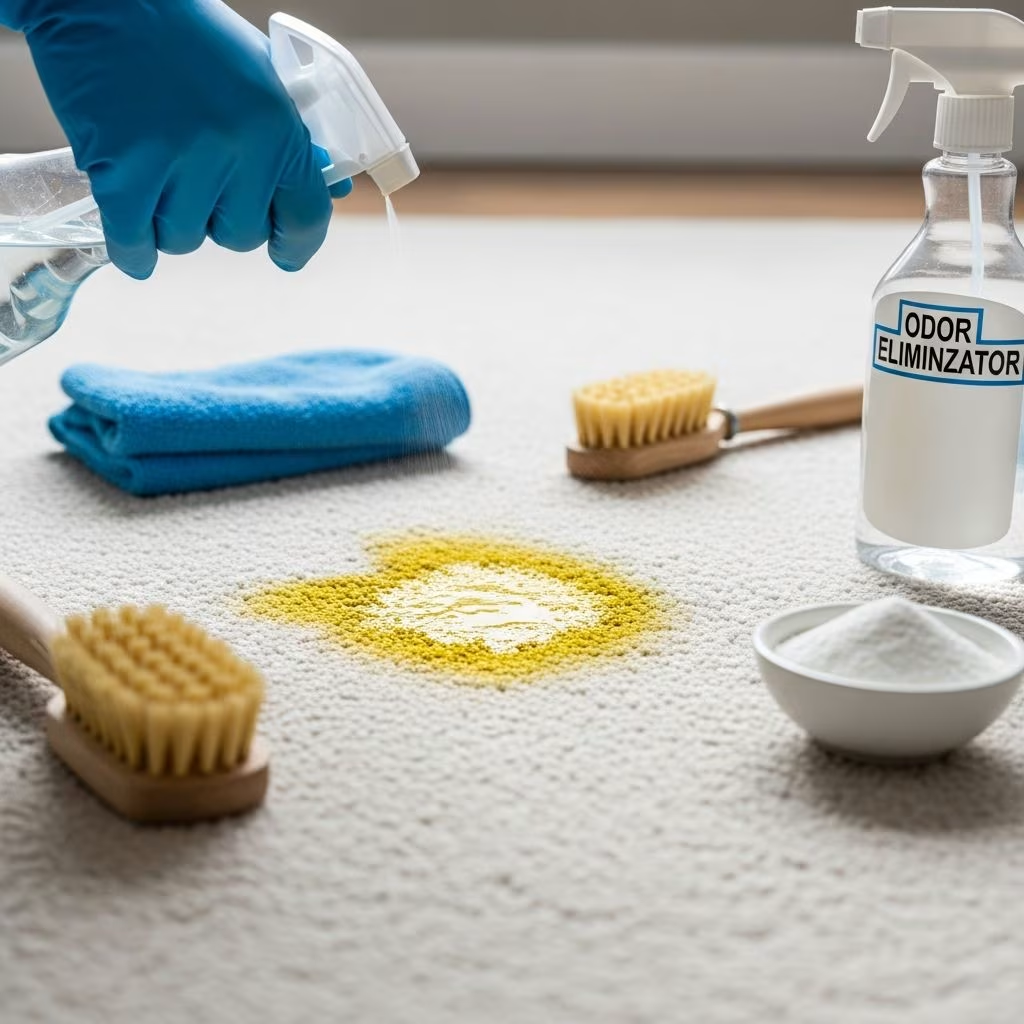
Once you’ve removed the excess moisture, apply a bio-enzymatic pet stain and odor eliminator. These specially formulated products contain enzymes that break down the uric acid and other compounds in urine that cause odors. Popular options include Nature’s Miracle Dog Urine Destroyer and Angry Orange Bio-Enzymatic Pet Stain & Odor Eliminator Spray. Follow the product instructions carefully—typically you’ll spray the affected area generously and let it soak for five to ten minutes before wiping clean. Allow the area to air dry completely, which allows the enzymes to continue working.
Treating Set-In Stains and Odors
Older or dried urine stains require more aggressive treatment. These stains have had time to bond with carpet fibers or seep into carpet padding, making them significantly harder to remove.
Deep Cleaning Process
For stubborn odors, start by using a black light or UV flashlight to identify all affected areas. This reveals urine spots that are invisible to the naked eye but still detectable by your dog’s nose. Once you’ve located all problem areas, use an enzymatic cleaner again, but this time apply it more liberally and allow a longer soaking period—ideally fifteen to thirty minutes. This extended contact time gives the enzymes more opportunity to break down the urine compounds.
Steam Cleaning
For deep carpet cleaning, consider renting or purchasing a steam cleaner. Hot water extraction can help lift dried urine from deep within carpet fibers and padding. Use the steam cleaner with a pet-safe solution designed for enzymatic action. Some pet owners find that combining steam cleaning with enzymatic treatment provides the most effective results. After steam cleaning, spray the area once more with an enzymatic cleaner and allow it to dry completely.
Cleaning Different Surface Types
Carpet and Rugs
Carpet is particularly susceptible to absorbing and retaining urine odors. For carpeted areas, enzymatic cleaners are your best option. Apply the product thoroughly, let it soak as directed, and consider placing plastic or aluminum foil over the treated area to keep it moist and give the enzymes extended contact time. After treatment, ensure the carpet dries completely to prevent mildew growth.
Hard Floors
Hard surfaces like tile, laminate, and wood require different treatment. While urine doesn’t absorb as deeply into hard floors, it can seep into grout lines and around baseboards. Use a hard surface pet stain remover and scrub grout lines thoroughly with a small brush. For wood floors, be cautious with liquid cleaners and use products specifically designed for wood to prevent damage. Wipe up any excess moisture quickly to avoid warping.
Furniture and Upholstery
Upholstered furniture requires careful treatment to avoid damaging the fabric. Blot fresh accidents immediately with paper towels. Apply enzymatic cleaner directly to the spot or, for delicate fabrics, spray it onto a cloth and dab the affected area. Let it soak for the recommended time, then blot again. For deep-set odors, you may need to treat the area multiple times or consider professional upholstery cleaning.
Enzyme-Based Cleaners: Your Best Weapon
Enzyme-based stain and odor removers are specifically designed to break down the organic compounds in dog urine that traditional cleaners miss. These products contain naturally occurring enzymes that digest urea, uric acid, and other nitrogen compounds that cause persistent odors. Unlike bleach or ammonia-based cleaners, enzymatic solutions don’t just mask the smell—they eliminate the source at the molecular level.
When selecting an enzymatic cleaner, look for products labeled as bio-enzymatic or specifically formulated for pet urine. Popular effective options include Nature’s Miracle Dog Urine Destroyer, Angry Orange Bio-Enzymatic Spray, and URINE OFF Dog & Puppy Formula. These products work best when applied to damp or wet urine, though they can also be effective on dried stains with longer soaking times.
Natural and Homemade Solutions
If you prefer natural alternatives or want to supplement commercial cleaners, several homemade solutions can help eliminate dog urine odors.
Vinegar and Baking Soda
Mix equal parts white vinegar and water in a spray bottle. Apply this solution to the affected area and let it sit for several minutes. The acidity of vinegar helps neutralize urine odors. After the vinegar solution dries, sprinkle baking soda generously over the area. Baking soda absorbs remaining odors. Leave it in place overnight or for several hours, then vacuum thoroughly.
Hydrogen Peroxide Solution
For tough odors, combine one part 3% hydrogen peroxide with one part water. Test this solution on an inconspicuous area first, as peroxide can bleach some fabrics. Apply to the stain, let sit for several minutes, then blot clean. This solution is particularly effective on older, dried stains.
Enzymatic Boost
Create a homemade enzymatic solution by mixing equal parts warm water and vinegar with a teaspoon of baking soda. While not as powerful as commercial enzymatic cleaners, this combination can help break down urine compounds and is safe for most surfaces.
Preventing Future Accidents
Eliminating existing odors is important, but prevention is equally critical.
Complete Odor Removal is Essential
Your dog’s sense of smell is approximately 10,000 to 100,000 times more sensitive than human smell. Even when an area seems clean to you, residual urine odors invisible to your nose can still attract your dog back to that spot. Thorough enzymatic treatment is crucial to prevent repeat accidents.
Additional Prevention Strategies
Consider these steps to reduce future accidents:
- Use pet-safe enzymatic odor absorbers in areas prone to accidents
- Maintain good ventilation in your home to help dissipate odors
- Clean dog bedding regularly using warm water and pet-safe detergent
- Use air purifiers designed to capture pet odors
- Consider using washable pee pads in training areas
- Establish a consistent bathroom schedule for your dog
Professional Cleaning Services
For severe or widespread urine odor problems, professional pet stain removal services may be necessary. Professional cleaners have access to industrial-strength enzymatic treatments and specialized equipment like moisture meters and ozone machines. They can identify problem areas using black light technology and treat them more thoroughly than home methods allow. This option is particularly valuable if you’ve tried home remedies without success or if your dog has had numerous accidents throughout your home.
Products That Work
Several products have proven highly effective at eliminating dog urine odors based on user experiences and professional recommendations:
| Product Name | Type | Best For | Key Feature |
|---|---|---|---|
| Nature’s Miracle Dog Urine Destroyer | Liquid Enzymatic Cleaner | Carpets and Upholstery | Fast-acting enzymes, includes foam applicator |
| Angry Orange Bio-Enzymatic Spray | Spray Enzymatic Cleaner | Multiple Surfaces | Pleasant citrus scent, safe for pets |
| URINE OFF Dog & Puppy Formula | Liquid Enzymatic Cleaner | Deep Stains | Targets all urine compounds, long-lasting |
Frequently Asked Questions
Q: How long does it take for enzymatic cleaners to work?
A: Most enzymatic cleaners begin working within minutes, but they’re most effective when allowed to soak for five to thirty minutes depending on the product and stain severity. Some products continue working for hours after application as enzymes break down urine compounds.
Q: Can I use regular household cleaners to remove dog urine smell?
A: While regular cleaners can remove visible stains, they won’t eliminate the odor-causing compounds in dog urine. Enzymatic cleaners are specifically formulated to break down uric acid and ammonia, making them far more effective than conventional household products.
Q: Will my dog keep having accidents in the same spot if I don’t completely remove the odor?
A: Yes, dogs have an incredible sense of smell and can detect urine odors long after you think the area is clean. If any residual odor remains, your dog will likely continue to use that spot as a bathroom. This is why thorough enzymatic treatment is so important.
Q: Is it safe to mix enzymatic cleaners with other cleaning products?
A: No, mixing enzymatic cleaners with other products, especially bleach or ammonia-based cleaners, can create dangerous chemical reactions. Always use products individually and rinse areas thoroughly between different treatments.
Q: How can I find all the urine spots in my home?
A: Black lights or UV flashlights reveal urine spots that are invisible to the naked eye. These tools are inexpensive and can be found online or at pet supply stores. Scan carpets, furniture, and hard floors systematically to identify all problem areas.
Q: What should I do if enzymatic cleaners don’t work?
A: If home treatments don’t resolve the odor, consider renting a professional steam cleaner or hiring a professional pet stain removal service. Persistent odors may indicate deep carpet padding saturation that requires industrial-strength treatment.
References
- How Enzymatic Cleaners Work — The Humane Society of the United States. https://www.humanesociety.org/
- Pet Stain and Odor Removal Guide — Chewy Education. 2024-11-28. https://www.chewy.com/education/dog/pet-parenting/spring-cleaning-tips-for-pet-parents
- Dog Sense of Smell Facts — American Kennel Club. https://www.akc.org/



