

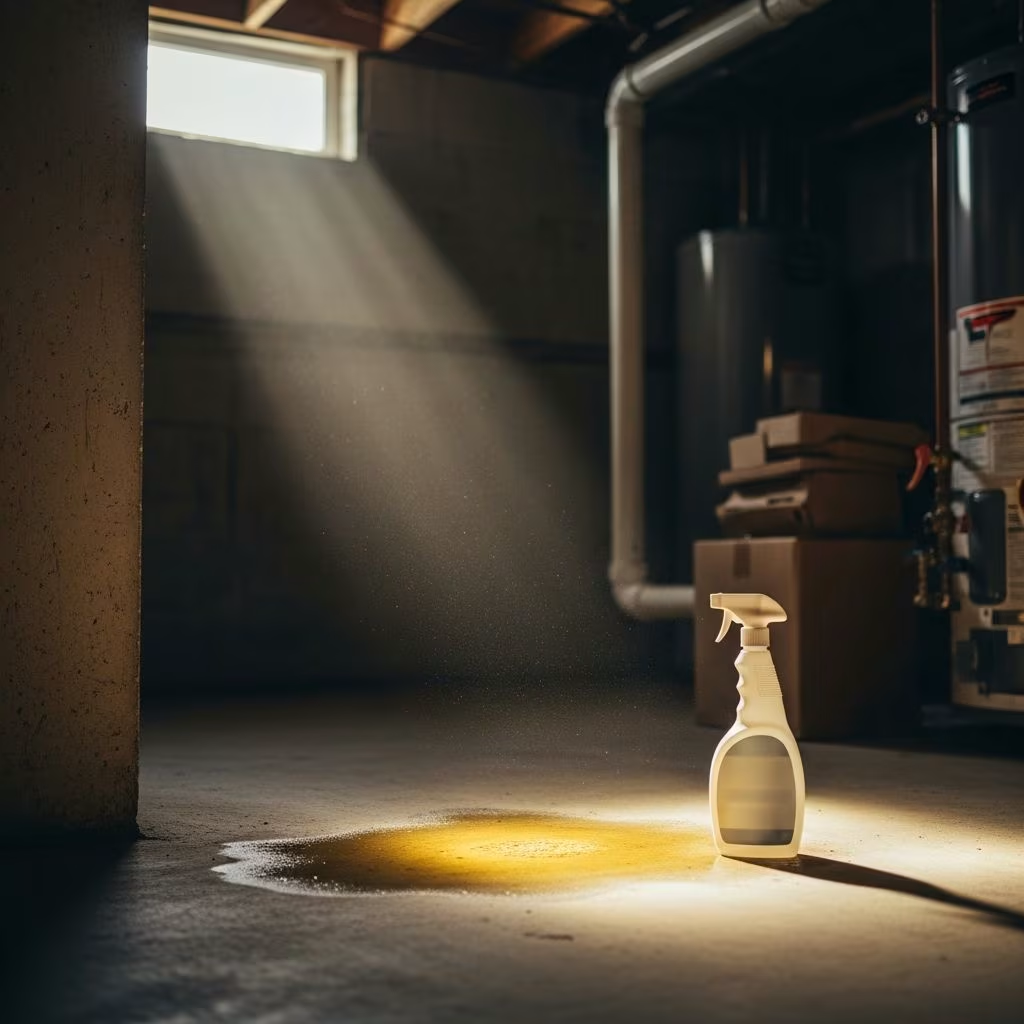
Cat urine odors in basements can be notoriously stubborn due to the porous nature of concrete and poor ventilation, leading to lingering ammonia smells that permeate the air. These odors not only create an unpleasant living environment but can also attract cats to re-mark the area, perpetuating the cycle. Fortunately, with the right approach combining thorough cleaning, enzymatic treatments, sealing, and prevention strategies, you can eliminate the smell effectively. This comprehensive guide covers identification, cleaning methods, product recommendations, and long-term solutions to restore your basement’s freshness.
Why Cat Urine Smell Lingers in Basements
Cat urine contains high concentrations of urea and uric acid crystals, which break down into ammonia over time, producing a pungent odor. In basements, concrete floors absorb these crystals deep into pores, where they remain even after surface cleaning. Damp conditions exacerbate the issue by activating bacteria that intensify the smell, while poor airflow traps odors. Misdiagnosis is common—odors mistaken for mold or chemical off-gassing can delay resolution, as seen in cases where reinforced vapor barriers mimicked cat urine smells due to VOC emissions in damp environments.
Understanding the chemistry is key: Uric acid crystals are insoluble in water, resisting regular cleaners. Basements’ low humidity control and temperature fluctuations make odors persistent, potentially impacting indoor air quality and health with prolonged exposure to ammonia-like VOCs.
Step-by-Step Guide to Remove Cat Urine Smell
Follow these steps methodically for best results. Always wear gloves, ensure good ventilation, and test products on inconspicuous areas.
- Locate the Source: Use a blacklight (UV light) to detect urine stains, which fluoresce yellow-green. Sniff systematically or use your nose close to the floor. Check walls, corners, and hidden spots like behind furniture.
- Initial Cleanup: Blot fresh urine with paper towels; avoid rubbing to prevent spreading. For dried stains, sweep or vacuum debris.
- Apply Enzymatic Cleaner: Saturate affected areas with an enzyme-based cleaner like Nature’s Miracle or Rocco & Roxie. Enzymes break down uric acid crystals. Let soak for 10-15 minutes or as directed, then blot. Repeat for deep penetration on concrete.
- Rinse and Dry: Rinse with water and a mild dish soap solution. Use fans, dehumidifiers, or open windows to dry completely—moisture prolongs odors.
- Seal the Surface: Once dry, apply an oil-based primer like Kilz Original or Zinsser BIN to lock in residual odors. These sealers prevent smells from resurfacing as concrete continues to release trapped odors over time.
- Neutralize Air: Run an air purifier with HEPA and carbon filters. Baking soda or vinegar bowls can absorb residual smells temporarily.
Best Products for Cat Urine Odor Removal
Selecting the right products ensures success. Enzymatic cleaners outperform vinegar or bleach, which don’t fully neutralize crystals.
| Product Type | Recommended Products | Best For | Pros | Cons |
|---|---|---|---|---|
| Enzymatic Cleaners | Nature’s Miracle Urine Destroyer, Rocco & Roxie Stain & Odor Eliminator | Concrete, fabric, carpet | Breaks down uric acid; pet-safe | May require multiple applications |
| Sealants/Primers | Kilz Original Oil-Based, Zinsser BIN Shellac-Based | Sealing concrete post-cleaning | Blocks odors permanently; quick-dry | Strong fumes; ventilation needed |
| Odor Absorbers | Arm & Hammer Baking Soda, Activated Charcoal Bags | Air neutralization | Inexpensive; natural | Temporary; needs replacement |
| UV Detection | Blacklight Flashlight | Finding hidden stains | Easy to use | Works best in dark |
Enzyme cleaners are essential first-line treatments, with user forums confirming their efficacy on concrete when combined with oil-based sealers. Avoid ammonia-based cleaners, as they mimic urine scent and encourage re-marking.
Cleaning Different Basement Surfaces
Concrete Floors
Porous concrete harbors urine deep within. After enzymatic treatment and drying, apply two coats of oil-based Kilz primer, followed by epoxy paint or floor sealant for durability. Concrete sealers like those recommended in forums prevent odor resurgence.
Walls and Vertical Surfaces
Spray enzymatic cleaner, scrub with a brush, rinse, and seal with Kilz. For painted walls, sand lightly if needed for adhesion.
Wood or Drywall
Enzymes work here too, but severe saturation may require cutting out and replacing affected sections. Prime with shellac-based sealer.
Carpet or Rugs (If Present)
Saturate with enzyme, extract with a wet vac, dry thoroughly, then sprinkle baking soda before vacuuming.
Dealing with Persistent or Severe Odors
If odors persist post-cleaning, consider these advanced steps:
- Steam Cleaning: Use a steam cleaner with enzymatic solution for deeper penetration.
- Hydrogen Peroxide Mix: 3% hydrogen peroxide with dish soap (test first)—oxidizes remaining crystals.
- Professional Remediation: For extreme cases, hire odor specialists using ozone generators or hydroxyl machines.
- Rule Out Mimics: Test for non-cat sources like reinforced plastics off-gassing ammonia in damp areas. Removal resolved similar issues immediately.
Multiple applications over days may be needed for old, set-in stains.
Preventing Future Cat Urine Marking
Address behavioral roots to avoid recurrence:
- Litter Box Management: Provide one box per cat plus one extra, scooped daily, in quiet basement spots if used there. Use clumping litter.
- Medical Check: Rule out UTIs or diabetes with a vet visit—painful urination causes inappropriate elimination.
- Stress Reduction: Pheromone diffusers like Feliway calm anxious cats prone to marking.
- Repellents: Citrus sprays or motion-activated air puffs deter return visits.
- Spay/Neuter: Reduces marking instinct significantly.
- Basement Improvements: Improve ventilation with exhaust fans, dehumidifiers to keep below 50% RH, preventing odor amplification.
Health and Safety Considerations
Cat urine exposes households to ammonia and bacteria, potentially irritating eyes, skin, and lungs, especially for asthmatics or children. Prolonged VOC exposure from mimics like plastic off-gassing can cause similar symptoms. Work in ventilated areas, wear masks, and keep pets away during cleaning. Eco-friendly enzymes are safer than harsh chemicals.
Frequently Asked Questions (FAQs)
Will vinegar remove cat urine smell from concrete?
Vinegar neutralizes odors temporarily but doesn’t break down uric acid crystals, allowing smells to return. Use enzymes instead.
How long does cat urine smell last in a basement?
Untreated, indefinitely due to concrete absorption. Proper cleaning and sealing eliminate it within days to weeks.
Can I paint over cat urine-stained concrete?
Yes, after enzymatic cleaning and oil-based primer like Kilz to seal odors.
What if the smell returns after cleaning?
Missed spots or deep crystals—reapply enzymes, ensure full drying, and seal. Check for non-urine sources.
Is cat urine smell harmful?
Ammonia can irritate respiratory systems; chronic exposure warrants professional air quality testing.
Final Tips for Lasting Freshness
Consistency is key—combine cleaning, sealing, and prevention for permanent results. Monitor with periodic UV checks. A fresh basement enhances home comfort and pet harmony.
References
- STOP Suffering from Cat Pee Odor in Your Crawl Space NOW — Crawl Space Ninja. 2024-08-27. https://www.youtube.com/watch?v=mmrF6HWxLjQ
- I need help on how to get cat urine odor out of concrete? — Houzz Discussions. 2007-10-18 (ongoing). https://www.houzz.com/discussions/2373828/i-need-help-on-how-to-get-cat-urine-odor-out-of-concrete
- Renters moved out and basement smell of cat urine -how to clean — New Ag Talk Forums. Undated (recent activity). https://talk.newagtalk.com/forums/thread-view.asp?tid=718587&DisplayType=nested&setCookie=1



