

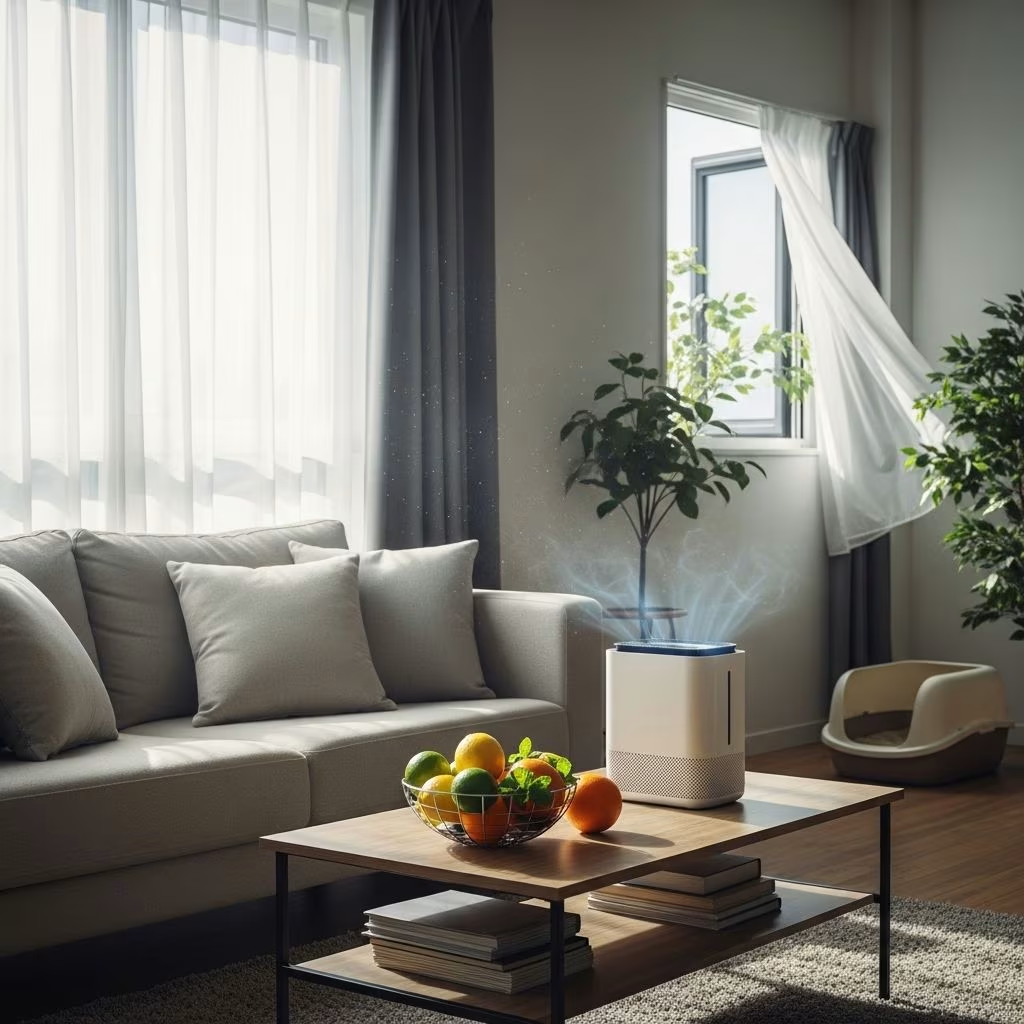
Living in an apartment with a cat can be joyful, but persistent cat odors from urine, litter, or dander can make your space less enjoyable. Cat smells often linger in small spaces due to limited ventilation and porous surfaces like carpets and upholstery that trap odors. This comprehensive guide covers identifying sources, deep cleaning methods, and prevention tips to restore freshness to your apartment. Whether it’s a one-time accident or ongoing litter box issues, these steps will help you eliminate cat smells effectively.
Why Does Cat Smell Linger in Apartments?
Apartments pose unique challenges for pet odors because of their compact size, shared walls, and often carpeted floors that absorb smells deeply. Cats mark territory with strong-smelling urine containing felinine, a protein that breaks down into volatile sulfur compounds, creating a pungent ammonia-like scent. Litter boxes amplify this if not cleaned frequently, and fur carries dander everywhere. Poor airflow in enclosed spaces allows odors to build up, making them noticeable to guests and neighbors.1 Understanding these sources is the first step to targeted elimination.
Step 1: Identify the Sources of Cat Odor
Before cleaning, pinpoint hot spots where odors originate. Common culprits include:
- Litter box area: Urine-soaked litter and scattered waste release ammonia gases.
- Accident spots: Hidden urine on carpets, rugs, or furniture from stress or medical issues.
- Furniture and fabrics: Sofas, curtains, and bedding trap dander, fur, and sprayed urine.
- Air and vents: Circulating dander and odors through HVAC systems.
- Hard surfaces: Walls, baseboards, and floors near litter boxes absorb splashes.
Use your nose or a blacklight (UV flashlight) to detect urine stains, which fluoresce under UV light. Check corners, under furniture, and behind doors. Addressing these prevents recontamination during cleaning.3
Step 2: Clean the Litter Box Thoroughly
The litter box is often the primary odor source. A dirty box encourages poor habits and amplifies smells in tight apartments.
- Daily scooping: Remove clumps immediately using a metal scoop for efficiency. Wear gloves to avoid direct contact.
- Weekly deep clean: Empty all litter, wash the box with hot water and mild dish soap. Avoid strong chemicals like bleach, which can harm cats or create toxic fumes.
- Deodorize naturally: Sprinkle baking soda at the bottom before adding fresh litter to neutralize odors. Club soda scrub followed by baking soda vacuuming works for tough spots.2
- Choose the right litter: Clumping, unscented clay or crystal litters with odor control excel in apartments. Pine pellets offer natural absorption.
Place the box in a well-ventilated area away from food, like a bathroom or laundry nook. Multiple cats need one box per cat plus one extra.
Step 3: Eliminate Cat Urine Odors from Carpets and Rugs
Carpeted apartments trap urine deep in fibers and padding, making removal challenging. Act quickly to prevent crystals from setting.
| Method | Steps | Best For |
|---|---|---|
| Enzyme Cleaners | 1. Blot excess urine. 2. Saturate with enzyme cleaner (e.g., Nature’s Miracle). 3. Let sit 24 hours. 4. Blot and dry. Repeat if needed.3 | Fresh and old stains; breaks down proteins. |
| Baking Soda DIY | 1. Scrub with club soda, dry. 2. Sprinkle baking soda, wait 15 mins. 3. Vacuum.2 | Mild odors; budget-friendly. |
| Deep Extraction | Vacuum first, then use carpet shampooer with pet-safe solution. Pre-treat with odor eliminator.1 | Entire carpets; heavy soiling. |
For subfloor penetration, lift carpet edges if possible and treat padding. If padding is saturated, replace it. Test cleaners on inconspicuous areas to avoid discoloration.1
Step 4: Deodorize Furniture and Upholstery
Fabric furniture soaks up odors from rubbing or spraying. Start by vacuuming crevices to remove fur.
- Spruce-up spray: Mix equal parts white vinegar and water in a spray bottle. Mist lightly, let dry, then sprinkle baking soda, brush in, and vacuum after 4-6 hours.
- Enzyme treatment: For urine, apply enzyme cleaner, cover with plastic wrap to keep moist, and allow 24-48 hours dwell time.3
- Steam cleaning: Rent a upholstery steamer with pet formula. Avoid over-wetting to prevent mold.
- Odor absorbers: Place bowls of activated charcoal or coffee grounds nearby overnight.
Professional services are ideal for heavy infestation, using hot water extraction and odor neutralizers.1
Step 5: Freshen Hard Surfaces and Walls
Tile, hardwood, and walls near the litter box collect splatters.
- Wipe with vinegar solution (1:1 water-vinegar) to dissolve urine crystals.
- For walls, use TSP (trisodium phosphate) diluted, rinse, then apply odor-blocking primer before repainting if needed.3
- Seal grout and baseboards with pet-safe sealant.
Dry thoroughly with fans to halt bacterial growth causing musty smells.
Step 6: Improve Air Quality and Ventilation
Circulating air dilutes odors in apartments.
- Open windows: Cross-ventilate daily, weather permitting.
- Air purifiers: HEPA filters with activated carbon capture dander and absorb smells.1
- Dehumidifiers: Keep humidity below 50% to slow odor-causing bacteria.
- Ozone generators: Use cautiously in empty apartments to oxidize odors; evacuate pets and people during operation.34
- Duct cleaning: Rarely effective alone; combine with other methods.4
Step 7: Grooming and Hygiene for Your Cat
A clean cat means less odor at the source.
- Brush weekly to remove loose fur and dander.
- Bathe monthly with cat-safe shampoo if tolerated.
- Trim nails to reduce litter tracking.
- Wipe paws after litter use.
Address medical issues like UTIs with a vet visit, as frequent urination worsens smells.
Prevention Tips to Keep Cat Smell Away
Proactive habits prevent recurrence:
- Scoop litter twice daily.
- Wash bedding weekly in hot water.
- Use washable mats under litter box.
- Provide multiple boxes and scratching posts.
- Spay/neuter to reduce spraying.
- Regular vacuuming and monthly deep cleans.
Common Mistakes to Avoid
- Using ammonia cleaners: Mimics urine smell, attracting re-marking.
- Steam cleaning wet: Locks in odors if not dried fully.
- Ignoring padding: Urine migrates downward.
- Masking sprays: Cover but don’t eliminate.
Frequently Asked Questions (FAQs)
What is the best way to get rid of cat pee smell in carpet?
Enzyme cleaners like Nature’s Miracle are most effective; saturate, let dwell 24 hours, then follow with baking soda or oxy cleaner.3
Can vinegar remove cat urine odor?
Yes, for surfaces; mix 1:1 with water to neutralize, but use enzyme for fabrics as vinegar alone doesn’t break down proteins.
Do air purifiers help with cat smells?
Absolutely, HEPA with carbon filters trap particles and absorb odors.1
How often should I clean the litter box?
Scoop daily, deep clean weekly to prevent buildup.
Is ozone safe for cat odor removal?
Effective but use only in unoccupied spaces; ozone irritates lungs.34
References
- How To Get Cat Smell Out of the House — Odorcide. Accessed 2026. https://www.odorcide.com/blog/how-to-get-cat-smell-out-of-the-house/
- 3 Simple Ways to Get Rid of Cat Urine Odor — Arm & Hammer. Accessed 2026. https://www.armandhammer.com/en/articles/ways-get-rid-cat-urine-odor
- How to Get Rid of Cat Pee Smell FOREVER (DIY Cleaning Guide) — YouTube (Video Transcript). Accessed 2026. https://www.youtube.com/watch?v=j2EYFObePCs
- Cleaning up new house before move in—getting rid of “cat smell” — Bogleheads.org Forum. Accessed 2026. https://www.bogleheads.org/forum/viewtopic.php?t=245912



