
How To Get Rid Of Cat Pee Smell: Expert Cleaning Guide
Eliminate stubborn cat urine odors with proven cleaning methods and solutions.
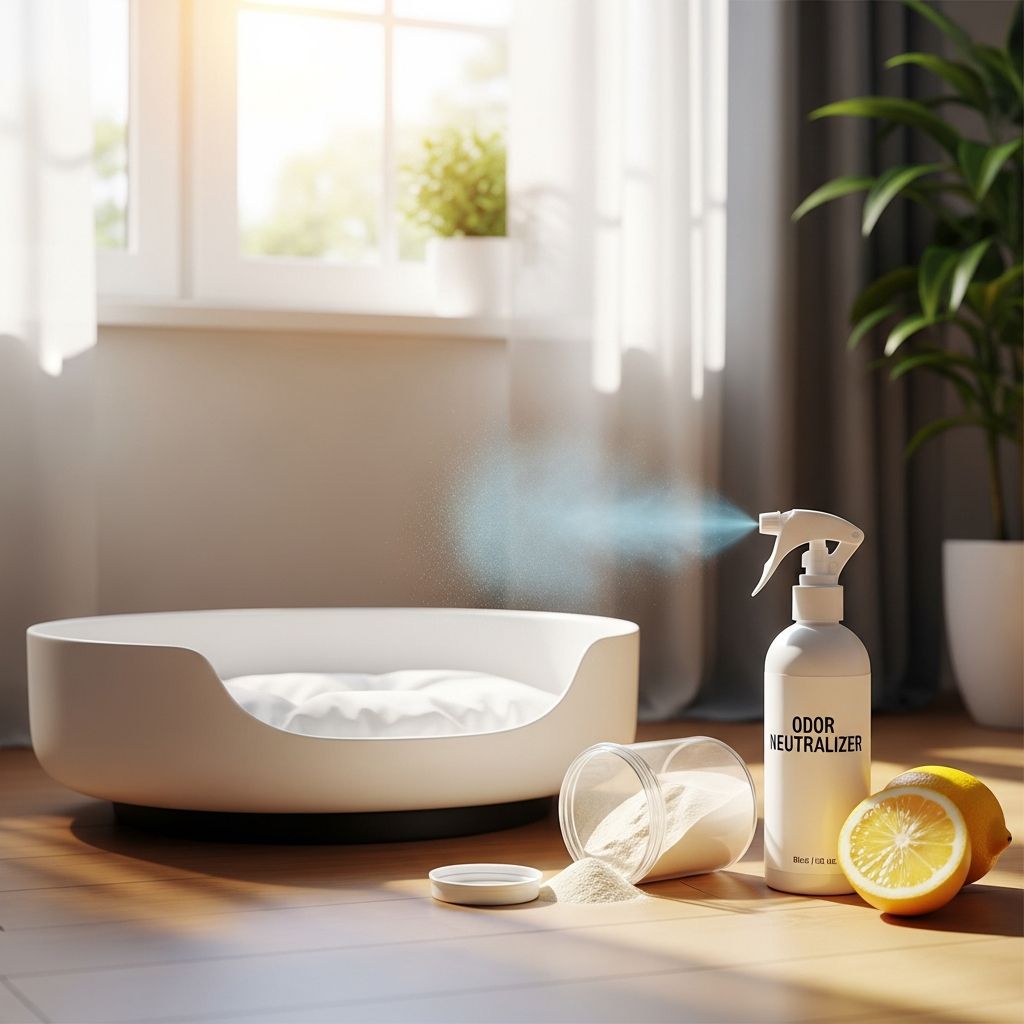
How to Get Rid of Cat Pee Smell
Cat urine has an unmistakably strong and offensive odor that can permeate your home if not addressed promptly. Unlike other pet accidents, cat pee develops a particularly pungent smell because of the bacteria present in the urine. When these bacteria decompose, they produce an ammonia-like scent and emit compounds called mercaptans, which create that distinctive, unpleasant odor. The longer cat urine remains uncleaned, the stronger and more difficult the smell becomes to eliminate. Understanding the chemistry behind cat urine odor and knowing the right cleaning methods can help you restore your home to its fresh, clean state.
Why Cat Pee Smells So Bad
Cat urine contains several components that contribute to its particularly offensive smell. The primary culprit is the bacterial decomposition process that occurs after urination. As bacteria break down the urine, they release ammonia and other volatile compounds. Additionally, cat spray contains extra pheromones from anal gland secretions, making sprayed urine even more pungent than regular urinary accidents. These pheromones serve as territorial markers and contribute to the musky, fishy odor that characterizes cat spray. Understanding these factors emphasizes why swift action is essential when dealing with cat urine accidents in your home.
The Importance of Acting Quickly
The first and most critical step in eliminating cat pee smell is to address the problem immediately. Fresh stains are significantly easier to remove than older ones, and quick action prevents the urine from soaking deeply into fabrics, carpets, and flooring materials. When urine sits for extended periods, it crystallizes and becomes increasingly embedded in the material fibers, making it exponentially harder to remove completely. Additionally, acting quickly helps prevent your cat from returning to mark the same spot again, as residual odors can encourage repeated accidents in the same location.
Cleaning Cat Pee on Different Surfaces
Tiles and Sealed Hardwood Floors
Hard flooring surfaces like tiles and sealed hardwood are generally easier to clean than porous materials. When you discover cat urine on these surfaces, start by blotting the area with paper towels or a clean cloth to absorb as much urine as possible. Once you’ve removed the excess moisture, mop the affected area with a solution mixed with hydrogen peroxide, white vinegar, or enzymatic cleaners. Use a clean cotton rag to wipe the area dry thoroughly. This method effectively removes both the stain and the odor from sealed surfaces.
Unsealed Floors
Unsealed flooring presents a greater challenge because urine can penetrate the porous wood more easily. Start by blotting the area dry with a clean cotton rag to remove as much moisture as possible. Next, wipe the affected area with a mixture of vinegar and cold water, repeating the process until you can no longer detect any odor. Before applying enzymatic cleaners to large areas, perform a patch test on an inconspicuous portion of the floor to ensure the product won’t damage or discolor the wood. Continue wiping the area dry with a clean cotton cloth until no moisture remains. In cases where the urine has stained or deeply soiled the unsealed wood, you may need to sand the affected area to completely remove the stain and odor.
Furniture and Carpet
Carpets and upholstered furniture are particularly vulnerable to cat urine because the liquid seeps deep into the fibers. To address this problem effectively, first locate the affected area precisely. If the accident is fresh, blot the area immediately with paper towels or a damp cotton rag using cold water. This crucial first step prevents the urine from spreading and embedding further into the fabric. Avoid rubbing or scrubbing, as these actions only push the odor deeper into the fibers, making it much harder to eliminate.
Once you’ve blotted up the excess urine, saturate the area generously with either an enzymatic cleaner or a water and vinegar solution. Vinegar works as an effective odor neutralizer because of its acidity, which helps eliminate the bacteria in cat urine. Allow the solution to sit for at least five minutes to break down the urine compounds. After the designated time, rinse the area thoroughly with cold water and blot dry using paper towels or a clean cloth. You may need to repeat this process several times for stubborn odors or old stains.
To complete the cleaning, remove excess moisture by blotting with additional paper towels, then allow the area to air dry or use a hair dryer on a cool or low setting. For added freshness, finish by applying Febreze Fabric Pet Odor Eliminator or sprinkle baking soda on the surface. If using baking soda, let it sit for at least 15 minutes before vacuuming it up.
Enzymatic Cleaners: Your Most Effective Solution
Enzymatic cleaners represent the gold standard for removing cat urine odor because they work at a molecular level to break down the proteins and organic compounds in cat urine. Unlike traditional cleaning products, enzymatic cleaners contain live enzymes that specifically target and neutralize urine compounds, making them far more effective than home remedies alone. When selecting an enzymatic cleaner, follow the manufacturer’s instructions carefully, and always use cold water if the product requires dilution. Hot water can actually intensify the smell by bonding proteins to surfaces, making the situation worse.
When applying enzymatic cleaners, thoroughly saturate not only the visible stain but also the surrounding area. If you notice a one-foot stain, for example, spread the cleaner out in a two-foot circle to ensure complete coverage. Don’t hesitate to oversaturate the area and work the cleaner deep into the fibers. Enzymes require time to work effectively, so follow the recommended setting time on the product label. For older stains that have dried and crystallized into a salt state, this waiting period is especially important, as the enzyme needs time to break down the hardened urine into a liquid form that can be removed.
After the appropriate setting time has elapsed, vacuum up the dried product or use paper towels to absorb the liquid. Be thorough in removing all cleaner residue, as leftover enzymes can damage carpets and upholstery. If the odor persists after the first treatment, don’t hesitate to repeat the process. Older or particularly large stains often require multiple treatments to fully break down all urine crystals and eliminate the smell completely.
Alternative Cleaning Solutions
Vinegar and Water Solution
For those seeking a more natural approach, a mixture of white vinegar and cold water can help address light odors. Vinegar’s acidic properties help neutralize bacteria and odor-causing compounds. However, it’s important to understand that while this solution works for minor incidents, it typically isn’t sufficient for deep or old cat urine stains. If you suspect your cat is marking territory rather than having accidents, consider using enzymatic cleaners instead of vinegar, as the lingering vinegar smell might actually encourage your cat to mark the area again.
Baking Soda
Baking soda is another popular home remedy for pet odors. This powder absorbs odors rather than neutralizing them chemically. Sprinkle baking soda generously over the affected area, allow it to sit for 15 minutes or longer, then vacuum thoroughly. Like vinegar, baking soda works best on light odors and as a supplementary treatment rather than a primary solution for stubborn cat urine smells.
Products and Supplies to Avoid
Never Use Ammonia-Based Cleaners
One of the most important mistakes to avoid is using ammonia-based cleaners to address cat urine. Cat urine naturally contains ammonia, so applying ammonia-based products can actually make the spot smell more like urine to your cat. This strong scent can encourage your feline friend to return to the same location and mark the area again, perpetuating a frustrating cycle of repeated accidents. Instead, stick exclusively to enzymatic cleaners specifically formulated to neutralize pet odors safely and effectively.
The Temperature Trap: Avoiding Hot Water
Always use cold water when cleaning cat urine. Hot water can set stains and intensify odors by bonding urine proteins to surfaces, making them much harder to remove. Cold water, conversely, lifts urine from materials without embedding it further, making complete elimination much more achievable.
When to Consider Professional Cleaning
If the smell persists after multiple cleaning attempts with enzymatic cleaners, professional cleaning may be necessary. Professional cleaners have access to industrial-strength equipment and specialized treatments designed to reach deep into carpet padding and furniture structures where urine may have penetrated. They can identify hidden urine spots using ultraviolet light and apply treatments that home methods cannot achieve. Additionally, cat urine can discolor hardwood floors, sometimes necessitating refinishing or repairs after odor removal.
Prevention Strategies
Maintaining a Clean Litter Box
Prevention is always easier than treatment. Keeping your cat’s litter box clean and appealing encourages proper use and reduces the likelihood of accidents. Empty the litter box regularly, and periodically deep clean by soaking the entire box in hot water for a few minutes. Hot water alone is typically sufficient for sanitization without requiring harsh chemical cleaners.
Understanding Why Cats Pee Outside the Box
Cats may pee outside their litter boxes for various reasons, including stress, anxiety, territorial marking, or medical issues. Understanding the underlying cause of inappropriate elimination helps address the root problem and prevents future accidents. If your cat suddenly begins having accidents, consult with your veterinarian to rule out medical conditions such as urinary tract infections or other health issues.
Frequently Asked Questions
Q: How long does it take for cat urine smell to go away?
A: The time required depends on how quickly you address the accident and which cleaning method you use. Fresh stains with immediate enzymatic treatment may improve within hours, while older stains can take days or weeks to fully eliminate, sometimes requiring professional intervention.
Q: Can I use regular household cleaners for cat urine?
A: Regular household cleaners are generally not effective for cat urine. Enzymatic cleaners are specifically formulated to break down urine proteins, making them far superior to standard cleaners. Avoid ammonia-based products, which can actually worsen the odor.
Q: Why does my cat keep peeing in the same spot?
A: Residual urine odors encourage cats to mark the same location repeatedly. Complete odor removal using enzymatic cleaners is essential to break this cycle. If the smell persists, your cat will likely continue using that spot as a bathroom.
Q: What’s the difference between cat spray and regular cat urine accidents?
A: Cat spray is typically found on vertical surfaces, contains additional pheromones from anal glands, and has a more pungent, musky odor. Regular urinary accidents produce more volume and are usually found on horizontal surfaces like rugs or beds.
Q: Is baking soda or vinegar enough to eliminate cat pee smell?
A: These home remedies can help with light odors but are generally insufficient for deep or established stains. Enzymatic cleaners are more effective for stubborn or old urine smells and should be your first choice for serious odor problems.
References
- How To Get Rid of Cat Pee Smell — PetMD. Accessed 2025. https://www.petmd.com/cat/general-health/how-to-get-rid-of-cat-pee-smell
- How to Remove the Smell of Cat Pee — Deluxe Maid. June 27, 2022. https://www.deluxemaid.com/2022/06/how-to-remove-the-smell-of-cat-pee/
- How To Get Rid of Cat Pee Smell From Carpet, Clothes and More — Chewy. Accessed 2025. https://www.chewy.com/education/cat/pet-parenting/how-to-get-rid-of-cat-pee-smell
- Cat Spraying: Why Cats Do It and How to Stop It — PetMD. Accessed 2025. https://www.petmd.com/cat/general-health/cat-spraying-why-cats-do-it-and-how-to-stop-it
- How To Clean a Litter Box Step by Step — PetMD. Accessed 2025. https://www.petmd.com/cat/general-health/how-to-clean-litter-box
- Inappropriate Elimination Disorders in Cats — VCA Animal Hospitals. Accessed 2025. https://vcahospitals.com/know-your-pet/inappropriate-elimination-disorders-in-cats
Similar Articles








Read full bio of medha deb




