

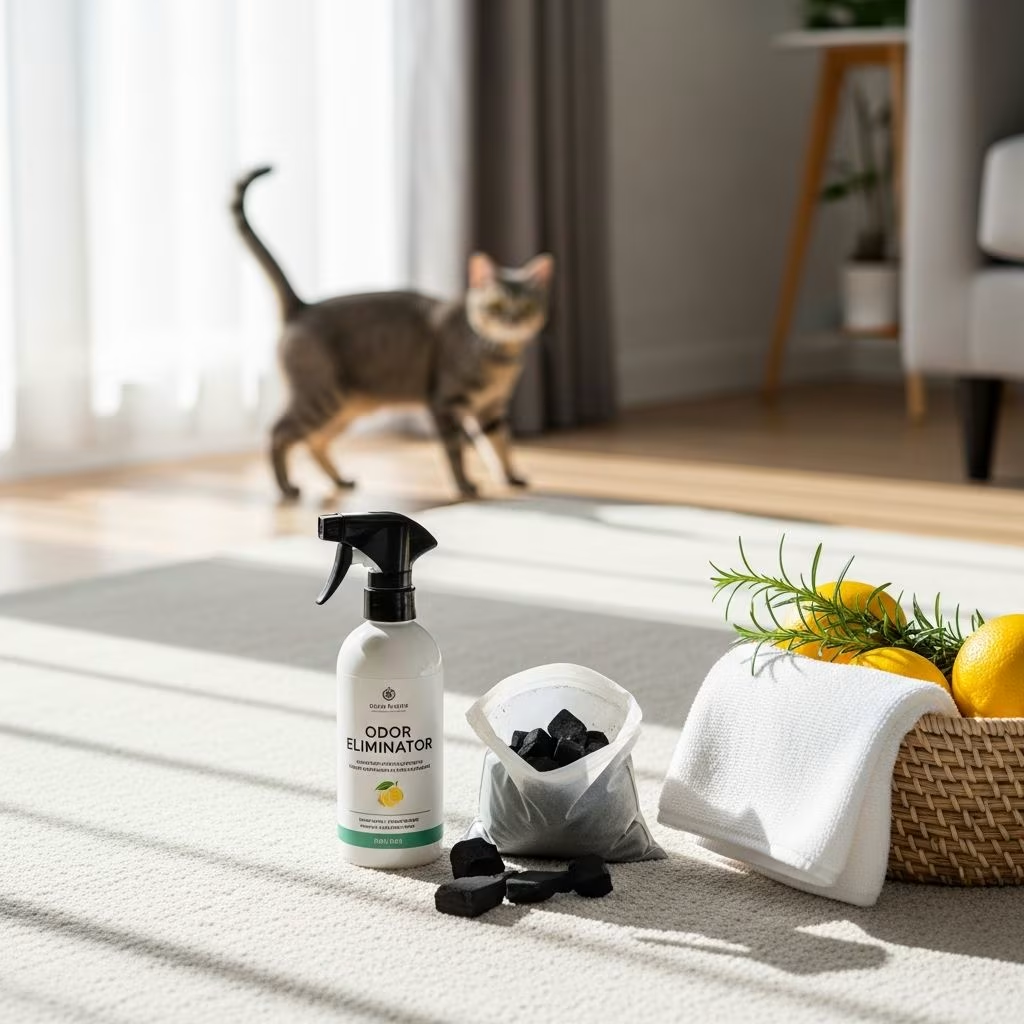
How To Get Rid of Cat Pee Smell
Cat accidents happen, and when they do, the lingering odor can be one of the most challenging aspects of pet ownership. Cat urine contains uric acid and ammonia compounds that create a pungent smell that doesn’t simply fade away with time. If you’ve noticed a mysterious urine odor in your home or discovered a fresh accident, it’s essential to act quickly and use the right approach to eliminate the smell completely. The longer cat urine sits, the deeper it penetrates into fabrics and flooring, making removal exponentially more difficult.
Whether your cat had a one-time accident or you’re dealing with chronic litter box issues, understanding how to properly clean and deodorize affected areas can make a significant difference in your home’s freshness and your cat’s behavior. This comprehensive guide will walk you through step-by-step instructions for removing cat pee smell from various surfaces and materials throughout your home.
Understanding Cat Urine and Why It Smells So Bad
Cat urine has a distinctly pungent odor because of its chemical composition. Unlike human urine, cat urine contains high concentrations of urea and uric acid, which create that characteristic ammonia-like smell. The odor intensifies as urine dries and crystallizes, making old stains particularly challenging to address. Additionally, when urine dries, it leaves behind uric acid crystals that can reignite the smell, especially when the area becomes wet again or when your cat senses the residual odor and feels compelled to mark the spot repeatedly.
Understanding this chemistry is crucial because it explains why some cleaning methods work while others fail. Simply masking the odor with air fresheners or perfumes won’t solve the problem—you need to actually break down and neutralize the compounds causing the smell.
Effective Cleaning Products To Remove Cat Pee Smell
When it comes to eliminating cat urine odor, not all cleaning products are created equal. Here are the most effective options available:
Enzymatic Cleaners: The Gold Standard
Enzymatic cleaners are specifically designed to break down the organic compounds in cat urine, making them the most effective solution for stubborn odors. These products contain enzymes that literally digest the uric acid crystals and proteins in urine, eliminating the odor at its source rather than simply masking it. Products like Nature’s Miracle are formulated specifically for pet accidents and have been proven to work on various surfaces. When using enzymatic cleaners, follow the manufacturer’s instructions carefully and allow adequate time for the enzymes to work—typically 15 minutes or longer depending on the product.
Vinegar and Baking Soda Solution
For light to moderate odors, a natural solution of white vinegar and water can be effective. Vinegar is an acid that neutralizes the alkaline salts that form in dried cat pee stains. A solution of one part water and one part vinegar can be applied to walls and floors to help break down odors. Baking soda is another natural option that absorbs and neutralizes odors. However, it’s important to note that while these home remedies can help with fresh or light stains, they typically aren’t sufficient for deep or old urine stains where enzymatic cleaners prove far more effective.
Commercial Odor Eliminators
Beyond enzyme-based cleaners, various commercial products are designed to neutralize pet odors through oxidation or encapsulation methods. These products work by either breaking down odor molecules or sealing them away from the air. When selecting a commercial product, always check that it’s specifically formulated for pet accidents rather than general-purpose cleaners.
Products To Avoid: The Ammonia Problem
One critical mistake many pet owners make is using ammonia-based cleaning products. This is counterintuitive but important: ammonia is actually one of the components of cat urine itself. When cats smell ammonia-based products, they perceive it as existing urine marks and are more likely to urinate in that same spot again, creating a cycle of repeat accidents. Dr. Bruce Kornreich, DVM, Ph.D., senior associate director of the Cornell Feline Health Center, emphasizes that even after cleaning with ammonia-based products, residual ammonia smell can remain and encourage cats to re-mark the area.
How To Get Cat Pee Smell Out of Carpet
Carpet is one of the most common victims of cat accidents. The porous nature of carpet fibers makes them particularly susceptible to trapping urine odors. Here’s the step-by-step process for removing cat pee from carpet:
Step 1: Find the Stain
Locate the accident site as soon as possible. If you can’t visually identify the stain, use a black light or UV flashlight to find fresh or old urine marks, as they typically fluoresce under ultraviolet light.
Step 2: Blot Up Fresh Urine
Using a clean, absorbent cloth or paper towels, blot up as much of the wet urine as possible. Do not rub the stain, as this can push urine deeper into the carpet fibers. Press firmly and hold the cloth in place to absorb the moisture.
Step 3: Rinse and Remove Liquid
Rinse the area with clean, cold water and remove the liquid with a wet/dry vacuum. This step is crucial—do not use a steam cleaner, as the heat can permanently set the stain and intensify the odor by bonding proteins to the carpet fibers.
Step 4: Apply Enzymatic Cleaner
Generously wet the affected area with your chosen enzymatic cleaner. Make sure to saturate not just the stain itself but also the surrounding area in a circle extending beyond the visible mark. For example, if you have a one-foot stain, spread your cleaner out in a two-foot circle to ensure thorough coverage and to treat any urine that may have penetrated beyond the visible boundary.
Step 5: Let the Cleaner Sit
Follow the product instructions and let the cleaner sit for the recommended time, typically 10-15 minutes. This allows the enzymes sufficient time to break down the uric acid and other compounds responsible for the odor.
Step 6: Blot and Extract
After the appropriate waiting period, blot the area with clean cloths to remove as much of the cleaning solution as possible. Use a wet/dry vacuum if available to extract the liquid thoroughly, as leaving residue can damage carpet and attract dirt.
Step 7: Dry Completely
Cover the area or allow it to air dry completely. Ensure proper ventilation to speed up drying and prevent mold growth.
Step 8: Repeat If Necessary
For older stains or particularly stubborn odors, you may need to repeat the enzymatic cleaner process. Always ensure the area is completely dry before reapplying to avoid oversaturation.
How To Get Cat Pee Smell Out of Cushions and Upholstery
Cushions and upholstered furniture present unique challenges because you cannot simply soak them in cleaning solution. Follow these steps for safe and effective cleaning:
Step 1: Initial Blotting
Soak the affected area of the cushion with water and blot up as much of the cat urine as possible with a towel. For cushions with removable covers, consider removing and washing the cover separately.
Step 2: Apply Enzymatic Cleaner
Pour the enzyme cleaner generously on and around the affected area. For cushions, you may want to use an enzymatic foam formula which is easier to control and apply to specific areas without over-saturating the padding.
Step 3: Allow Processing Time
Let the enzymatic solution sit for about 15 minutes, allowing the enzymes to break down the urine compounds throughout the cushion material.
Step 4: Extract the Liquid
Blot the cushion thoroughly with towels, removing as much of the liquid as possible. You can also use a wet/dry vacuum to extract deeper moisture from the cushion padding.
Step 5: Dry Completely
Keep your cat away from the area until it’s completely dry. Place the cushion in a well-ventilated area or use fans to accelerate drying and prevent mold growth.
How To Get Cat Pee Smell Out of Clothing
When cat accidents occur on clothing or linens, the good news is that these items can usually be easily laundered to remove both stains and odors:
Step 1: Rinse Immediately
Rinse the affected clothing in a sink with cool water as soon as possible. This helps remove excess urine before it sets.
Step 2: Add to Washing Machine
Add the clothing items to your washing machine along with your normal laundry detergent. Include 1 cup of baking soda or 1/4 cup of white vinegar to the wash cycle to help neutralize odors.
Step 3: Check After First Wash
If you can still smell urine after the wash cycle completes, add an enzymatic cleaner specifically designed for laundry to the next wash load and run the clothing through the washing machine again.
Step 4: Air Dry
Allow your clothing to air-dry completely. Do not use a dryer, as the heat can lock in any remaining smell before it has completely dissipated. You may need to rewash your clothing several times until the scent is completely gone, but air drying between washes gives you the opportunity to smell-test and confirm complete odor removal.
Tips for Getting Rid of Cat Pee Smell
Act Fast
The sooner you address cat urine, the better your results will be. Fresh stains are exponentially easier to remove and less likely to soak deep into fabrics or flooring. Acting quickly also prevents odors from setting in, making it less likely your cat will return to mark the area again, as cats are drawn to spots that smell like their previous accidents.
Use Cold Water Always
When cleaning cat urine, always use cold water rather than hot water. Hot water can set stains and intensify odors by bonding proteins to surfaces. Cold water, on the other hand, lifts urine without embedding it further into materials, making complete elimination much easier.
Avoid Ammonia-Based Products
As mentioned earlier, never use ammonia-based cleaners on cat urine. These products contain ammonia, which is a component of cat urine itself, and using them can actually encourage your cat to re-mark the area.
Understand the Limitations of Home Remedies
While vinegar and baking soda can help with light odors and fresh stains, they’re usually not sufficient for deep or old cat urine stains. Enzymatic cleaners are specially formulated to break down the proteins and uric acid in cat urine, making them far more effective than DIY solutions for challenging situations.
Thoroughly Saturate the Area
Don’t be afraid to over-saturate affected areas with enzymatic cleaner. Cat urine can spread beyond the visible stain, and you want to ensure the cleaner penetrates all areas where urine may have soaked. It’s better to use too much than too little.
Follow Product Instructions Carefully
Different enzymatic cleaners may have varying application methods, wait times, and instructions. Always read and follow the manufacturer’s specific guidelines for best results.
When to Seek Professional Help
If the cat pee smell persists after multiple treatment attempts with enzymatic cleaners, professional carpet cleaning services may be necessary. Professional cleaners have industrial-strength equipment and specialized products that can penetrate deep into carpets and upholstery that home treatments cannot reach. For particularly old or large stains, professional intervention can be the most effective solution to completely eliminate odors.
Preventing Future Accidents
While knowing how to clean cat urine is valuable, preventing accidents is even better. Ensure your cat has easy access to clean litter boxes, with one box per cat plus one extra. Regular litter box maintenance, addressing any underlying medical or behavioral issues, and providing environmental enrichment can significantly reduce the likelihood of inappropriate elimination outside the litter box.
Frequently Asked Questions
Q: What is the most effective product for removing cat urine smell?
A: Enzymatic cleaners like Nature’s Miracle are considered the gold standard for removing cat urine odors. These products break down the uric acid and proteins in cat urine at the molecular level, providing the most effective and complete odor elimination compared to other options.
Q: Can I use vinegar and baking soda instead of enzymatic cleaners?
A: While vinegar and baking soda can help with light or fresh odors, they’re generally not sufficient for deep or old stains. Enzymatic cleaners are far more effective for stubborn cat urine smells, though vinegar and baking soda can serve as helpful supplementary treatments.
Q: Why shouldn’t I use ammonia-based cleaners on cat urine?
A: Ammonia is a component of cat urine itself. When cats smell ammonia-based cleaners, they perceive the area as marked with urine and are more likely to urinate there again, creating a cycle of repeat accidents in the same spot.
Q: Is hot water or cold water better for cleaning cat urine?
A: Always use cold water when cleaning cat urine. Hot water can set stains and intensify odors by bonding proteins to surfaces, making the problem worse rather than better.
Q: How long should enzymatic cleaners sit before I remove them?
A: Most enzymatic cleaners require between 10-15 minutes of contact time to effectively break down urine compounds. Always follow the specific product instructions, as different brands may have varying recommended wait times.
Q: What should I do if the cat pee smell returns after cleaning?
A: If odor persists after enzymatic treatment, try retreating the area with another application. For deep or old stains that don’t respond to home treatment, professional carpet cleaning services may be necessary to fully eliminate the odor.
Q: Can I use a steam cleaner on fresh cat urine accidents?
A: No, avoid steam cleaners on cat urine. The heat from steam can set stains and intensify odors. Instead, use cold water for initial cleaning and apply enzymatic cleaners afterward.
References
- How To Get Rid of Cat Pee Smell — PetMD. Accessed 2025-11-28. https://www.petmd.com/cat/general-health/how-to-get-rid-of-cat-pee-smell
- How To Get Rid of Cat Pee Smell From Carpet, Clothes and More — Chewy. Accessed 2025-11-28. https://www.chewy.com/education/cat/pet-parenting/how-to-get-rid-of-cat-pee-smell
- Cornell Feline Health Center — Cornell University College of Veterinary Medicine. Accessed 2025-11-28. https://www.vet.cornell.edu/



