

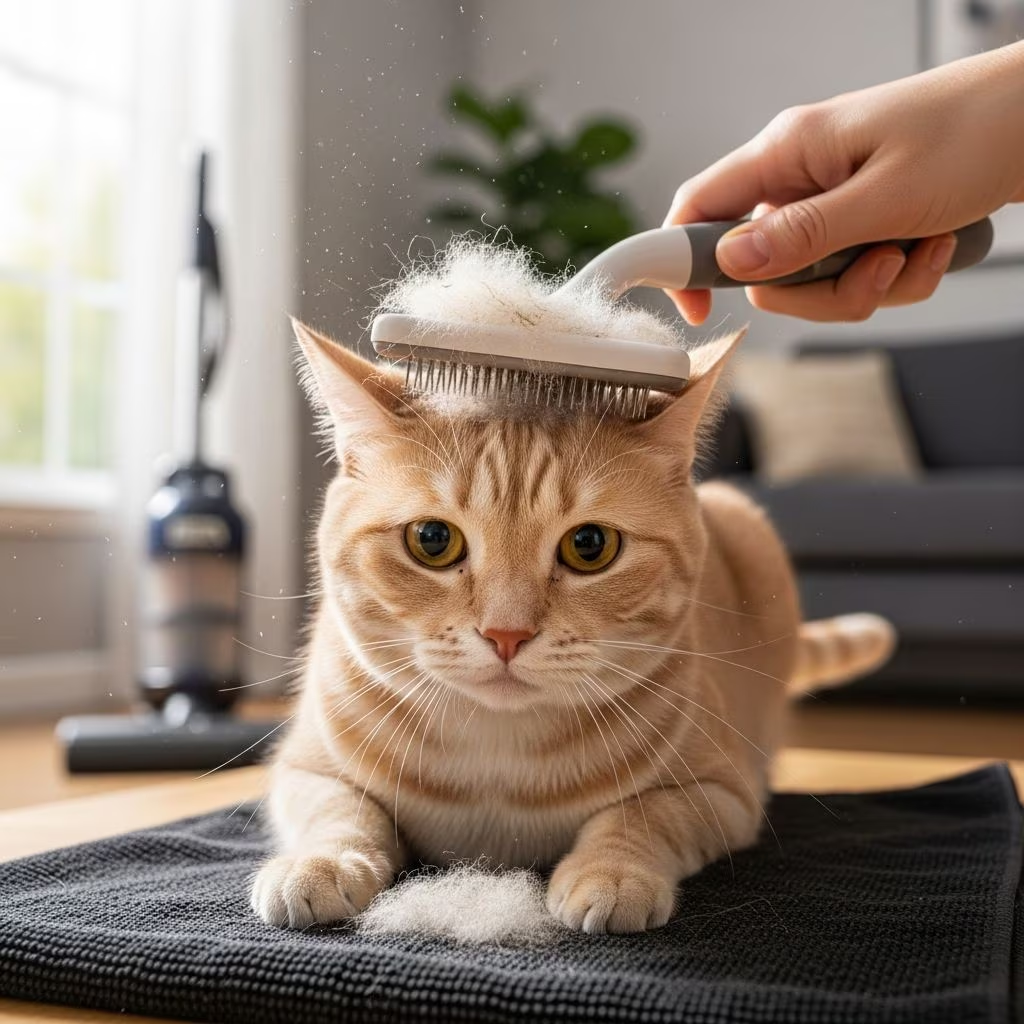
Cat dander, those tiny flakes of dead skin shed by felines, is a primary trigger for pet allergies affecting millions of people worldwide. Even if you adore your cat, persistent sneezing, itchy eyes, and respiratory issues can make cohabitation challenging. The good news is that with consistent strategies focusing on your cat’s health, grooming routines, thorough home cleaning, and improved air quality, you can significantly reduce dander levels and reclaim a sneeze-free environment. This guide draws from veterinary insights and allergy management best practices to provide actionable steps tailored for cat lovers.
What Is Cat Dander?
Cat dander consists of microscopic skin flakes that cats naturally shed as part of their skin renewal process. Unlike visible dandruff, which appears as larger white flakes often linked to dry skin or health issues, dander is finer and airborne, easily spreading through homes on fur, clothing, and surfaces. It’s frequently accompanied by Fel d 1, a potent allergenic protein produced in cat saliva, skin glands, and urine, which adheres to dander particles and becomes airborne during grooming or movement.
Allergies to cat dander arise because the immune system overreacts to these proteins, releasing histamines that cause inflammation in airways and mucous membranes. Symptoms include watery eyes, nasal congestion, coughing, and skin rashes. Contrary to popular belief, no cat breed is truly hypoallergenic, though some like Sphynx produce less due to minimal fur. Understanding dander’s nature is key: it’s persistent, lingering in homes for months even after a cat is removed, necessitating ongoing mitigation.
Why Do Cats Produce Dander?
Cats shed dander due to normal epidermal turnover, but overproduction signals underlying issues. Dry skin from poor diet, dehydration, or environmental factors like low humidity prompts excessive flaking. Parasites such as fleas or mites irritate the skin, leading to more shedding. Nutritional deficiencies, particularly in omega-3 fatty acids or zinc, impair skin barrier function. Stress, seasonal changes, or allergies in the cat itself can exacerbate production. Regular vet check-ups identify these causes early; for instance, fungal infections like ringworm mimic dandruff. Addressing root causes prevents dander buildup at its source.
Health Check: Ensure Your Cat Is Healthy
Before tackling surface-level dander, rule out medical problems. Schedule a veterinary exam to check for skin conditions, parasites, or dietary imbalances. Healthy skin produces minimal excess flakes; a balanced diet rich in essential fatty acids supports this. Blood tests can detect allergies or hormonal issues contributing to poor coat quality.
- Observe symptoms: Excessive scratching, bald patches, redness, or oily fur warrant immediate vet attention.
- Diet adjustments: Switch to high-quality food with fish oil supplements to hydrate skin from within.
- Flea prevention: Monthly topicals or collars eliminate irritants that amplify shedding.
Proactive health management not only cuts dander but enhances your cat’s overall well-being, reducing long-term allergy triggers.
Grooming Your Cat to Reduce Dander
Regular grooming removes loose fur and dander before they scatter. Aim for daily sessions with a soft brush or grooming glove, focusing on direction against the grain to lift debris. Outdoor grooming prevents indoor spread. For water-averse cats, dry methods suffice.
Bathing Your Cat
Bathing every 4-6 weeks moisturizes skin and traps dander in suds. Use oatmeal or aloe-based shampoos to avoid drying.
- Tire your cat with play to reduce stress.
- Prepare a non-slip tub with lukewarm water, shampoo (1:2 with water), conditioner, towels, and a harness if needed.
- Wet fur thoroughly, lather gently, rinse completely to prevent residue irritation, then condition.
- Towel-dry or low-heat blow-dry; reward with treats.
Bathing cuts airborne allergens by up to 84% temporarily.
Waterless Grooming Options
No-rinse sprays, wipes, or damp microfiber cloths with dander-reducing formulas wipe away particles effectively. Spritz, rub against fur growth, then with it, for optimal capture. Brushing follows to distribute natural oils.
- Dry shampoos: Foam into fur and brush out.
- Wipes: Pet-safe, allergen-trapping sheets for quick touch-ups.
- Tools: Rubber curry brushes for short hair; slicker for long.
Cleaning Your Home Thoroughly
Dander settles on every surface, so weekly deep cleans are essential. Focus on high-traffic areas.
Surface Wiping
Use damp microfiber cloths or soapy solutions on counters, walls, doors, and furniture. Dampness prevents particles from becoming airborne. Avoid dry dusting, which redistributes allergens.
Vacuuming and Steam Cleaning
HEPA-filter vacuums capture 99.97% of 0.3-micron particles. Vacuum carpets, rugs, upholstery, and curtains weekly; steam clean quarterly to kill allergens.
| Surface | Frequency | Method |
|---|---|---|
| Carpets | Weekly | HEPA vacuum + steam monthly |
| Furniture | Weekly | Upholstery attachment |
| Hard floors | Daily | Damp mop |
Laundry Protocols
Wash cat beds, your bedding, throws, and curtains in hot water weekly. Encase mattresses in allergen-proof covers. Lint rollers quickly de-fur fabrics.
Improving Air Quality
Airborne dander recirculates via HVAC; combat it with filtration.
- HEPA Air Purifiers: True HEPA units with activated carbon trap dander and odors; place in bedrooms and living areas for 360-degree coverage.
- HVAC Filters: Upgrade to MERV 13+ or HEPA; replace monthly to prevent redistribution.
- Ventilation: Use exhaust fans; keep windows open when pollen is low.
Studies show HEPA systems reduce pet allergens by 50-75% in enclosed spaces.
Additional Tips for Long-Term Control
Create no-cat zones like bedrooms. Wipe paws post-outdoors. Consider diets reducing Fel d 1 by 47%, like specialized kibble. Nasal rinses alleviate symptoms.
- Use allergen sprays on fabrics.
- Low-pile rugs over carpet.
- Humidifiers maintain 40-50% humidity for skin health.
Frequently Asked Questions (FAQs)
Can I completely eliminate cat dander from my home?
No, but consistent efforts reduce it by over 90%, making allergies manageable.
How often should I bathe my cat to control dander?
Every 4-6 weeks; more risks drying skin.
Are there hypoallergenic cats?
No breed is fully hypoallergenic; low-shedders like Devon Rex help marginally.
Do air purifiers really work against cat dander?
Yes, HEPA models capture 99.97% of particles.
How long does cat dander linger after rehoming?
Up to 6 months.
References
- How to Get Rid of Cat Dandruff or Dander — Second Nature. 2023. https://www.secondnature.com/blog/how-to-get-rid-of-cat-dander
- How to Banish Cat Dander For Good — Cowaymega. 2024. https://cowaymega.com/blogs/blog/banish-cat-dander-for-good-your-science-backed-clean-air-guide
- How Do We Remove Cat Dander from a Home? — Asthma and Allergy Foundation of America. 2023. https://community.aafa.org/db/ask-the-allergist/record/how-do-we-remove-cat-dander-from-a-home
- Pet Allergy – Diagnosis & Treatment — Mayo Clinic. 2025-01-10. https://www.mayoclinic.org/diseases-conditions/pet-allergy/diagnosis-treatment/drc-20352198
- 8 Simple Ways to Manage Cat Allergens at Home — Purina US. 2024. https://www.purina.com/articles/cat/health/skin-fur-ears/managing-cat-allergens



