
How To Get Rid of Bird Mites: Signs, Treatment, and Prevention
Comprehensive guide to identifying, treating, and preventing bird mites in pet birds.
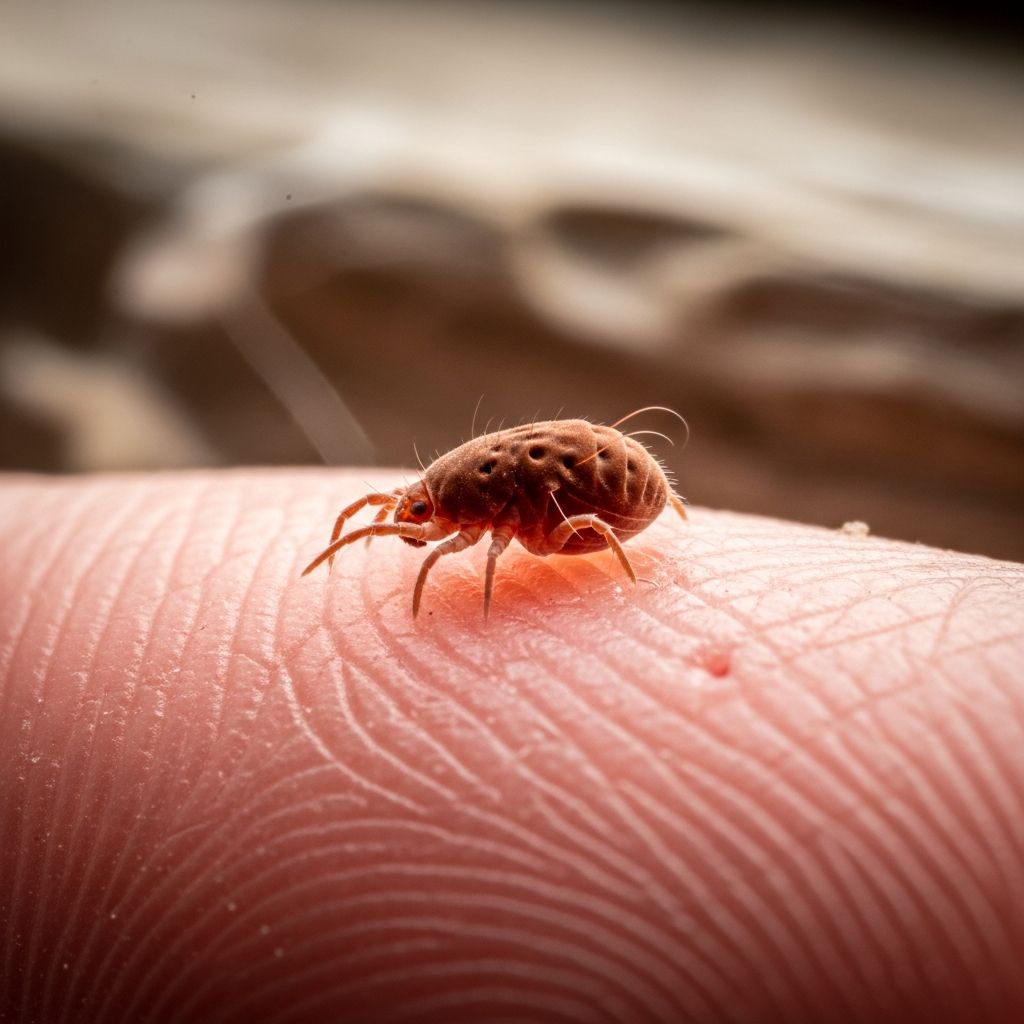
Bird mites are parasitic arthropods that feed on your feathered companion and can cause serious health complications if left untreated. These tiny pests affect countless pet birds and, without proper intervention, can lead to permanent physical damage and severe respiratory distress. Understanding the signs, seeking appropriate veterinary treatment, and implementing prevention strategies are essential for maintaining your bird’s health and well-being.
Understanding Bird Mites and Their Impact
Bird mites are microscopic parasites that live on or in the body of birds. There are several types of bird mites that affect pet birds, each causing different symptoms and requiring specific attention. The most common types include air sac mites, scaly face and leg mites, and feather mites. Each variety targets different areas of the bird’s body and can cause varying degrees of distress. Unlike many other pet health issues, bird mites cannot be treated with over-the-counter remedies or home solutions—veterinary intervention is absolutely necessary.
Recognizing Air Sac Mite Infections
Air sac mites are among the most dangerous types of bird mites because they affect the respiratory system directly. These parasites invade the air sacs and trachea of affected birds, making it difficult for them to breathe properly. If your bird shows any signs of respiratory distress, immediate veterinary attention is crucial.
Key Symptoms of Air Sac Mites
Labored breathing is the primary indicator of air sac mite infection. Your bird may breathe faster than normal, keeping their mouth constantly open and gasping for breath. You might also notice sneezing and wheezing sounds during normal activities. In severe cases, your bird may struggle to breathe even while resting, which signals a critical situation requiring emergency veterinary care.
Veterinary confirmation through transillumination can help identify advanced infections. This diagnostic process involves wetting your bird’s neck skin with alcohol and shining a light against one side of the body, allowing the veterinarian to see mites crawling in the airways. However, it’s important to understand that transillumination is not a comprehensive diagnostic test—your veterinarian may not observe visible signs even if your bird is infected, so clinical symptoms should guide your decision to seek treatment.
Identifying Skin and Feather Mite Infestations
Skin and feather mites cause external parasitic infections that manifest through behavioral changes and visible damage to your bird’s plumage. These mites create intense irritation that drives birds to engage in excessive self-grooming and restless behavior.
Behavioral and Physical Signs
Restlessness, particularly at night, is a hallmark sign of skin mite infestation. Your bird may become agitated and irritable from the constant skin irritation. Some mites live in the cage and hop onto the bird during nighttime hours, causing significant discomfort. Birds with mite infestations often become “crazily itchy” and may exhibit frantic, frenetic behavior that disrupts their normal sleep patterns and daily activities.
Excessive preening is another critical indicator. Birds infested with feather mites spend prolonged periods grooming themselves in desperate attempts to relieve the irritation caused by the parasites. Watch for repetitive, obsessive grooming motions that exceed normal preening behavior.
Damaged feathers result from the intensive preening associated with mite infestations. You may notice frayed, broken, or discolored feathers that appear dull or ragged. The feather damage accumulates over time as the bird continues to scratch and bite at affected areas, leading to a noticeably unkempt appearance.
Signs of Scaly Face and Leg Mites
Scaly face and leg mites cause distinctive physical deformities that become increasingly severe without treatment. These parasites create visible scaling and crusting on affected areas of your bird’s body.
Observable Symptoms
Your bird may display a crusty or deformed beak with visible scaling or unusual texture. The beak may become rough, flaky, or develop an abnormal appearance that worsens progressively. Similarly, deformed toes, feet, or beak indicate advanced infection. If left untreated, scaly face and leg mites can cause permanent disfigurement, including a condition called tassel foot—an accumulation of scaliness on the feet that resembles a tassel growing from the toes.
Early detection and treatment are critical to prevent these permanent physical changes. Once your bird becomes permanently disfigured by mite damage, the changes are typically irreversible, affecting both their appearance and potentially their quality of life.
Professional Treatment: The Only Effective Solution
Treating bird mites requires professional veterinary intervention. Unlike many other pet health concerns, there are no safe or effective home remedies for bird mite infestations. Attempting to treat mites at home can be ineffective and potentially dangerous to your bird.
Why Professional Treatment is Essential
During preening, birds ingest anything applied to their feathers, making topical applications hazardous. Birds possess extremely sensitive respiratory tracts, so any sprays that are inhaled can trigger severe reactions. Additionally, there is no scientific evidence supporting the safety of homeopathic treatments such as organic oils for bird mites. Veterinarians strongly advise against spraying anything on your bird, as the risks far outweigh any potential benefits.
Veterinary Treatment Protocols
Ivermectin is the primary medication used to treat all types of bird mites. This antiparasitic medication works effectively when properly dosed and administered by a qualified veterinarian. Small birds typically receive a single drop of ivermectin applied to their skin over the jugular vein, while larger birds may require an injection. Your veterinarian will determine the appropriate dosage and administration method based on your bird’s species, size, and health status.
Treating all birds in a shared environment is crucial when you have multiple birds. If one bird in a cage is diagnosed with mites, the entire group should receive treatment, as mites are contagious and spread easily between birds living in close proximity. This comprehensive approach prevents reinfection and breaks the transmission cycle.
Environmental Decontamination and Disinfection
Medical treatment alone is insufficient to eliminate bird mites permanently. You must also thoroughly clean and disinfect your bird’s environment to remove mites, nymphs, and eggs that may be hiding in various surfaces and materials.
Cleaning and Disinfection Steps
Clean all metal and plastic surfaces thoroughly using dish soap and hot water. Pay special attention to cage bars, perches, food and water dishes, and any plastic toys or accessories. Hot water helps kill mites and their eggs, so avoid using cold water for this process.
Discard all porous materials from the cage, including wood perches, nest boxes, and any fabric items. Mites, nymphs, and eggs embed themselves deep within porous materials where they cannot be fully eradicated through cleaning alone. Replacing these items with new, disinfected alternatives is far more effective than attempting to clean porous materials.
This comprehensive environmental decontamination is essential because medical treatment does not prevent your bird from being reinfected. If you return a treated bird to the same contaminated environment without eliminating porous surfaces where mites hide, your bird will likely become reinfected shortly after treatment.
Prevention Strategies for Bird Mite Control
Preventing bird mite infestations is considerably easier than treating established infections. Implementing proper hygiene and maintenance practices can significantly reduce your bird’s risk of contracting mites.
Preventive Measures
Maintain regular cage cleaning schedules using hot water and appropriate disinfectants. Clean food and water dishes daily to prevent contamination and mold growth that might attract pests. Regularly inspect your bird’s body for any signs of unusual scaling, excessive scratching, or behavioral changes that might indicate early mite infection.
Quarantine any new birds before introducing them to your existing flock. This isolation period allows you to observe new birds for signs of mite infestations or other health issues before they can spread parasites to your established birds. Most veterinarians recommend a quarantine period of at least two to four weeks.
Handle your bird regularly and perform visual inspections of their skin, feathers, and beak. Early detection of any abnormalities allows for prompt veterinary intervention before an infestation becomes severe. Familiarize yourself with your bird’s normal appearance so you can quickly identify any changes.
What Not to Do When Treating Bird Mites
Understanding what to avoid is just as important as knowing proper treatment methods. Several common misconceptions about bird mite treatment can actually harm your bird.
Critical Don’ts
Do not attempt to treat mites yourself. Self-treatment is ineffective and potentially hazardous to your bird. Homemade sprays, essential oils, and other non-veterinary treatments lack scientific evidence supporting their safety and efficacy. Your bird’s health is too important to risk on unproven remedies.
Do not spray anything directly on your bird. Veterinarians strongly advise against this practice, regardless of the product’s marketing claims. The risks associated with inhalation of spray particles and ingestion during grooming far exceed any potential benefits.
Do not delay seeking veterinary care. Mite infestations worsen rapidly without treatment, and some types (particularly air sac mites) can become life-threatening. If you notice any symptoms suggesting mite infection, schedule a veterinary appointment immediately.
When to Seek Emergency Veterinary Care
Certain symptoms indicate that your bird requires immediate veterinary attention rather than a routine appointment. If your bird shows signs of severe respiratory distress, including constant mouth breathing, inability to perch normally, or loss of consciousness, seek emergency veterinary care immediately. These symptoms suggest advanced air sac mite infection that could become fatal without prompt intervention.
Frequently Asked Questions
Q: Can bird mites transfer to humans?
A: While bird mites can occasionally bite humans, they cannot live on human skin or reproduce on people. Bird mites may cause temporary itching or irritation, but proper personal hygiene, including regular bathing and washing clothing, eliminates any mites that may have contacted your skin.
Q: How long does bird mite treatment take?
A: Treatment duration varies depending on the mite type and severity of infection. Most cases require multiple doses of ivermectin administered over several weeks. Your veterinarian will establish a specific treatment schedule and may recommend follow-up examinations to confirm complete resolution.
Q: Can I prevent mite infestations entirely?
A: While you cannot guarantee complete prevention, implementing rigorous hygiene practices, regular health inspections, and quarantine protocols for new birds significantly reduces infection risk. Maintaining a clean environment and catching early signs of infestation are your best defenses against bird mites.
Q: Are some bird species more susceptible to mites?
A: Bird mites can affect any bird species, though some types of mites show preferences for particular species. Your veterinarian can advise you about specific risks based on your bird’s species and provide species-appropriate prevention and treatment strategies.
Q: What should I do if I find a dead bird in my yard?
A: Dead birds may harbor bird mites that can infest your home or pets. Remove dead birds while wearing gloves and dispose of them properly in sealed bags. Wash your hands thoroughly after handling any dead birds.
References
- How To Get Rid of Bird Mites: Signs, Treatment, and Prevention — Chewy Education. 2024. https://www.chewy.com/education/bird/health-and-wellness/pet-bird-mites-and-symptoms
- Bird Mites: Pictures, Bites, Treatment & Prevention — Healthline Medical Network. 2024. https://www.healthline.com/health/bird-mites
- Bird mites – prevention and treatment — SA Health. Government of South Australia. 2024. https://www.sahealth.sa.gov.au/wps/wcm/connect/public+content/sa+health+internet/conditions/bites+stings+and+pests/bird+mites+prevention+and+treatment
- Bird mites: what you can do | Info and Advice — Zooplus Magazine. 2024. https://www.zooplus.co.uk/magazine/bird/bird-health-and-care/bird-mites-what-you-can-do
- Bird mites — University of Minnesota Extension. 2024. https://extension.umn.edu/insect-relatives/bird-mites
Similar Articles








Read full bio of Sneha Tete


