

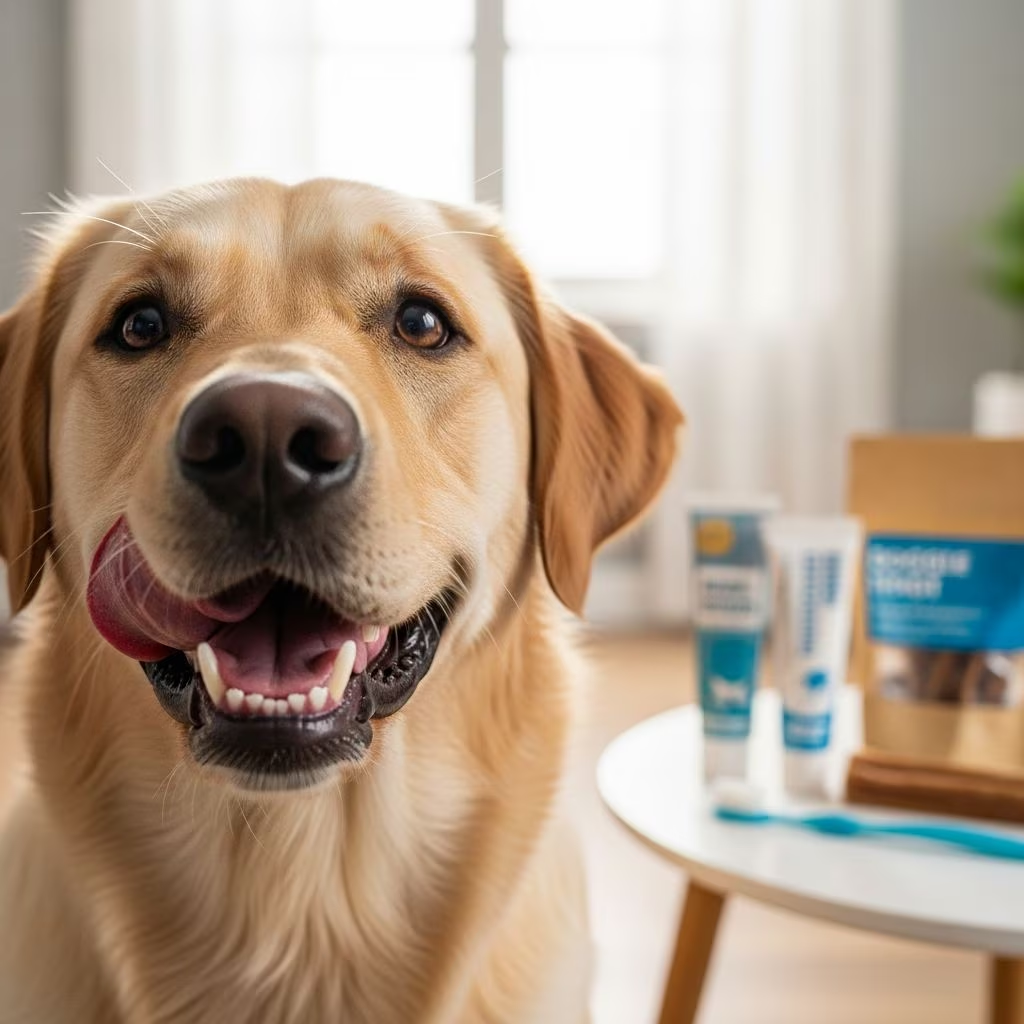
How to Get Rid of Bad Dog Breath for the Freshest of Kisses
There’s nothing quite like a warm greeting from your beloved dog, except when that greeting comes with unpleasant breath. Bad dog breath, or halitosis, is a common concern for pet owners, but the good news is that it’s often preventable and treatable. Understanding the underlying causes and implementing proper dental care can help your furry companion maintain fresh breath and optimal oral health.
Understanding the Causes of Bad Dog Breath
Before you can effectively address your dog’s breath issues, it’s important to understand what’s causing them. Bad breath in dogs can stem from various sources, and identifying the root cause is the first step toward finding the right solution.
Dental and Gum Disease
The most common cause of bad breath in dogs is dental disease, also known as periodontal disease. When bacteria in your dog’s mouth produce plaque—a slimy substance that accumulates on the teeth—it can lead to gum disease and inflammation of the tissues that anchor the teeth in place. This bacterial buildup creates volatile sulfur compounds that produce the characteristic foul odor associated with poor oral hygiene. If left unchecked, dental disease can progress to bone loss around the teeth, tooth loss, and even tooth root abscesses. Small and flat-faced breeds are particularly susceptible to oral disease because their teeth are closer together, making them more prone to plaque and tartar accumulation.
Kidney Disease
Bad breath can also indicate serious underlying health conditions. When a dog’s kidneys aren’t functioning properly, toxins called urea can build up in the blood, causing the breath to smell like ammonia or urine. This condition, known as uremia, can also cause ulceration in the mouth, which a veterinarian may observe during examination. If your dog’s breath has this characteristic ammonia-like smell, it’s crucial to seek veterinary attention promptly.
Diabetes
When diabetes becomes unregulated or untreated, the body begins breaking down fat for energy, creating molecules called ketones. Dogs producing ketones secondary to diabetes may have an acetone or sweet smell to their breath. If your dog exhibits signs of diabetes such as weight loss, changes in appetite, increased thirst, and increased urination alongside bad breath, consult your veterinarian immediately.
Dietary Issues and Nutritional Deficiencies
Your dog’s diet plays a significant role in their breath quality. Dogs fed raw or home-cooked diets may experience bacterial imbalances in their mouth and gut, which can contribute to bad breath. Additionally, an increased likelihood of Salmonella overgrowth in a dog’s gut caused by raw diets may worsen the problem. Dogs with a diet high in protein or those that tend to scavenge or eat garbage are more likely to develop unpleasant breath. If you feed your dog a raw or home-cooked diet, consulting with a veterinary nutritionist can help prevent dietary deficiencies and associated breath problems.
Toxin Exposure
In some cases, bad breath can indicate that your dog has been exposed to or ingested something toxic. Certain toxins like plants can cause a rancid or rotting smell in your dog’s breath, while dogs who eat cigarettes may develop a nicotine odor. Being able to detect and identify these odors can help determine the appropriate treatment.
Professional Dental Treatments
When bad breath stems from dental disease, professional intervention is often necessary to restore your dog’s oral health.
Professional Dental Cleaning
For dogs whose bad breath results from dental disease, professional dental cleanings under general anesthesia are often the most effective treatment option. During this procedure, a veterinarian will clean your dog’s teeth to remove plaque and tartar buildup. The vet will also inspect and X-ray the teeth to assess their overall health. If any teeth are loose, fractured, abscessed, or dead, the veterinarian may recommend extraction as part of the procedure to prevent further complications and infections.
At-Home Remedies and Prevention Strategies
While professional dental care is essential, several at-home strategies can help maintain your dog’s oral health between veterinary visits and prevent future breath problems.
Dental Chews and Treats
Dental chews and treats designed specifically for oral health can help reduce plaque and tartar buildup. When selecting these products, look for those with the VOHC (Veterinary Oral Health Council) Seal of Acceptance. This seal is awarded to products that have demonstrated the ability to control plaque and/or tartar in dogs through two scientific trials, ensuring you’re choosing an effective product.
Water Additives and Oral Sprays
Several water additives and mouth sprays appear on the VOHC accepted products list and may help reduce the risk of plaque buildup, remove bacteria, and freshen your dog’s breath. When added to your dog’s water bowl, these additives can work continuously throughout the day. However, it’s important to note that these products are not as effective as tooth brushing since they don’t apply friction to the teeth, making it harder to remove existing plaque and tartar.
Specialized Dental Diets
Another effective option for managing bad breath from dental disease is feeding your dog a specialized dental diet. The best dental diets typically consist of hard kibble that encourages chewing, which creates friction against the teeth and works like an edible toothbrush. Soft or canned diets are generally less effective for addressing dental disease. Your veterinarian can recommend the best dental diet options for your dog’s specific needs.
Probiotics and Yogurt
If your dog’s bad breath stems from stomach upset rather than dental disease, yogurt and probiotics can serve as helpful natural remedies. While these won’t directly address the smell, they can help treat the underlying digestive issues causing the stinky breath by promoting a healthy balance of bacteria in the gut.
Comprehensive Treatment Approaches
When bad breath is caused by systemic health issues rather than dental problems, a more comprehensive treatment approach may be necessary. Treatment options can range from prescription medications and specialized diets to therapies and even surgeries, depending on the underlying condition’s severity and which part of your dog’s body is affected. Your veterinarian will advise you on the best course of treatment based on their diagnosis.
Prevention Tips for Maintaining Fresh Breath
Preventing bad breath is always preferable to treating it. Consider these preventative measures:
- Schedule regular veterinary dental examinations to catch problems early
- Maintain a consistent dental care routine at home
- Choose high-quality dog food appropriate for your dog’s age and size
- Avoid feeding your dog table scraps or human foods that can compromise oral health
- Provide dental chews and toys that encourage chewing and natural cleaning
- Monitor your dog’s breath for changes that might indicate underlying health issues
When to See Your Veterinarian
While some cases of bad breath can be managed with at-home care, it’s important to recognize that bad breath isn’t exactly normal and should always be checked out by a veterinarian. Bring your dog to your vet as soon as possible if you notice persistent bad breath, as several causes of halitosis can indicate very serious health issues. Your veterinarian can perform a thorough examination of the oral cavity and determine whether the problem is dental in nature or symptomatic of a more serious systemic condition.
Frequently Asked Questions
Q: Is bad breath in dogs normal?
A: While some degree of odor is normal in dogs, persistent or severe bad breath is not. It often indicates an underlying health issue that requires veterinary attention, whether dental disease, kidney problems, or other systemic conditions.
Q: Can I prevent bad breath by brushing my dog’s teeth?
A: Yes, regular tooth brushing is one of the most effective preventative measures for bad breath and dental disease. However, many dogs require professional dental cleaning at some point in their lives to address existing plaque and tartar buildup.
Q: What does it mean if my dog’s breath smells like ammonia?
A: An ammonia-like smell often indicates kidney disease. This is a serious condition that requires immediate veterinary evaluation and treatment.
Q: Are dental treats effective for bad breath?
A: Dental treats with the VOHC Seal of Acceptance have been scientifically proven to help control plaque and tartar. However, they work best as a preventative measure and should be combined with other oral care practices.
Q: Why does my small breed dog have worse breath than larger dogs?
A: Small and flat-faced breeds are more prone to oral disease because their teeth are closer together, making them more susceptible to plaque and tartar accumulation. Additionally, owners of smaller dogs often feed them softer food, which provides less natural cleaning action.
Q: Can diet alone fix my dog’s bad breath?
A: While diet changes can help prevent or reduce bad breath, they may not completely resolve the issue if the underlying cause is dental disease or a serious health condition. A comprehensive approach combining diet, oral care, and veterinary treatment is often necessary.
Q: How often should my dog have professional dental cleanings?
A: The frequency depends on your individual dog’s oral health status. Some dogs may need annual cleanings, while others require them less frequently. Your veterinarian can recommend an appropriate schedule based on your dog’s specific needs.
References
- Bad Breath in Dogs: Causes and Treatment — PetMD. 2025. https://www.petmd.com/dog/symptoms/bad-breath-dogs-causes-treatment
- Dog Bad Breath: 10 Causes & 7 Solutions — Toe Grips. 2025. https://toegrips.com/dog-bad-breath/
- Bad Breath in Dogs: Causes & Remedies — Heart of Brooklyn Veterinary. 2023-10-31. https://www.heartofbrooklynveterinary.com/site/blog/2023/10/31/bad-breath-dogs–causes-remedies
- Halitosis in Dogs — VCA Animal Hospitals. 2025. https://vcahospitals.com/know-your-pet/halitosis-in-dogs
- Bad Breath in Dogs: Causes & Remedies — Eastham Vets. 2023-10-15. https://www.easthamvet.com/site/blog/2023/10/15/bad-breath-dogs–causes-remedies
- Bad Breath in Dogs: Causes and Treatments — Apple Valley Animal Hospital. 2021-08-15. https://www.applevalleyanimalhospital.com/site/blog/2021/08/15/bad-breath-in-dogs-causes-and-treatments
- Why does my dog’s breath smell so bad? — Olive Branch Vets. 2024-07-15. https://www.catandcowvet.com/site/blog/2024/07/15/bad-breath-dogs



