

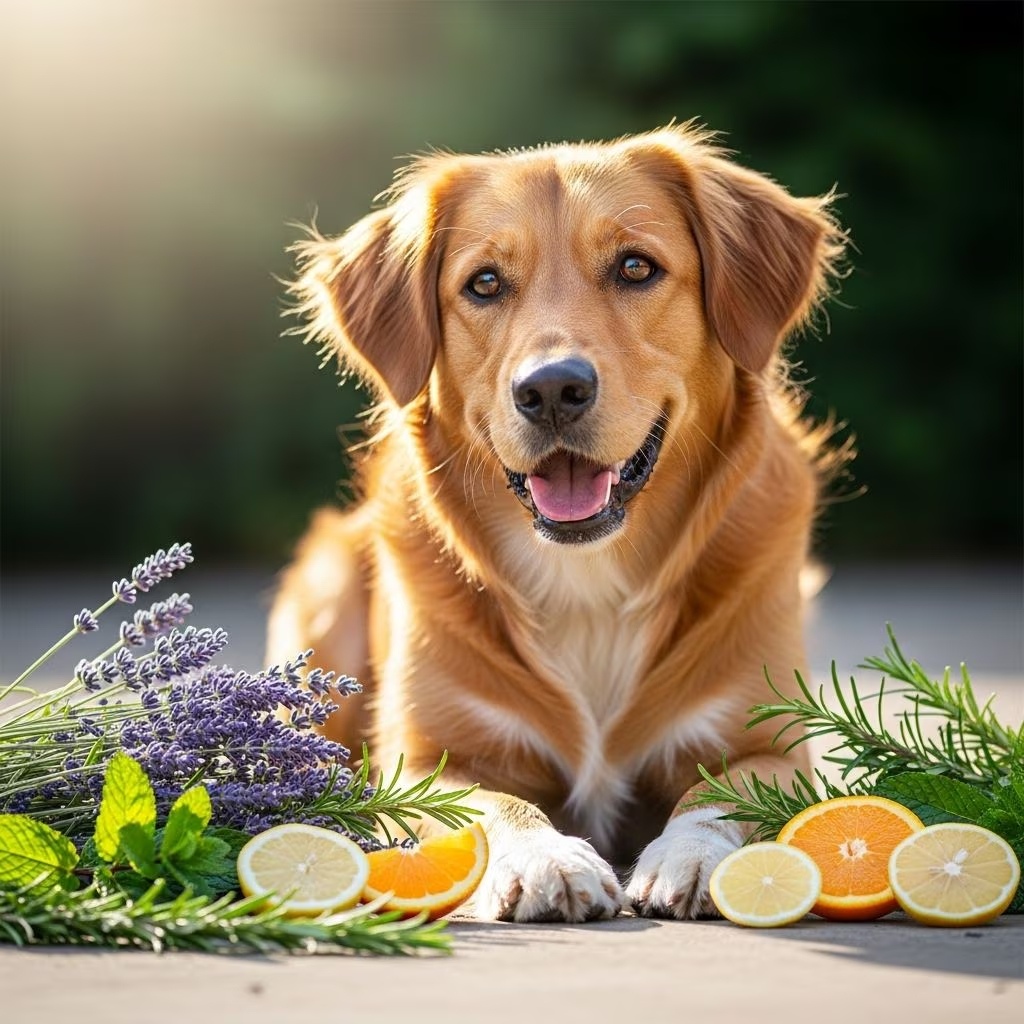
How to Get Rid of Fleas on Dogs Naturally
Dealing with fleas on your dog can be frustrating, and while chemical treatments are available, many pet owners prefer natural alternatives that are gentler on their pets and the environment. Natural flea remedies can be just as effective as commercial products when used consistently and properly. This comprehensive guide explores proven natural methods to eliminate fleas from your dog without resorting to harsh chemicals or prescription medications.
Understanding the Flea Problem
Fleas are persistent parasites that reproduce rapidly, making it essential to address infestations quickly and thoroughly. A single flea can lay hundreds of eggs, which hatch into larvae and pupae before becoming adult fleas capable of biting your dog and spreading disease. Natural flea control requires understanding the flea lifecycle and targeting fleas at multiple stages—eggs, larvae, pupae, and adults.
The advantage of natural remedies is that they often work on multiple life stages of fleas while being safer for your pet’s skin and overall health. Many natural solutions also repel fleas rather than just killing them, providing preventative benefits alongside treatment.
Natural Flea Remedies for Your Dog
Bathing Your Dog with Natural Shampoos
Dawn dishsoap baths are one of the simplest and most effective natural flea treatments available. The soap works by breaking down the flea’s exoskeleton, causing them to drown and suffocate. To maximize effectiveness, fill the bath with enough water to submerge your dog’s legs and underbelly completely—these are prime areas where fleas hide. Soak your dog for approximately 10 minutes before using a flea comb to remove dead fleas and debris from the water. Repeat this treatment daily or as needed until fleas are eliminated.
For additional benefits, you can add rosemary essential oil to your dog’s regular shampoo. Simply add 5-8 drops of rosemary oil to your pet’s shampoo to repel fleas and help heal any bite wounds. This herbal approach combines gentle cleansing with flea-repelling properties.
Lemon Bath Treatment
Lemon baths provide a natural acidic environment that fleas find inhospitable. The citric acid in lemons repels fleas while simultaneously soothing itching and irritation caused by flea bites. To prepare a lemon bath, steep fresh lemon slices in hot water, allow the mixture to cool to a comfortable temperature, and use it to bathe your dog. This method is gentle enough for regular use and leaves your dog’s coat fresh-smelling.
Flea Combing and Manual Removal
Regular flea combing is a simple yet highly effective method for reducing flea populations on your dog. A flea comb has fine teeth designed specifically to capture live fleas crawling on your pet’s coat, along with flea dirt and eggs. This non-invasive approach works best when performed daily, particularly during active infestations. After combing, immediately drown any captured fleas in a bowl of soapy water to prevent their escape.
Diatomaceous Earth (Food-Grade)
Food-grade diatomaceous earth is a natural powder made from fossilized aquatic organisms that effectively kills adult fleas by dehydrating them. The powder works by piercing the flea’s protective exoskeleton, causing them to lose moisture and die. You can safely sprinkle diatomaceous earth directly onto your dog’s fur, around your home, on furniture, and in carpeted areas where fleas hide.
Important note: Only use food-grade diatomaceous earth, not pool-grade, which is ineffective and potentially harmful. After applying the powder, allow it to remain in place for several days before vacuuming thoroughly. Reapply as needed until all fleas are eliminated. This method is safe for pets and children when used properly.
Essential Oils and Natural Sprays
Cedarwood and neem oils are powerful natural insecticides that kill fleas at multiple lifecycle stages—eggs, larvae, and adult fleas. Some pet owners report seeing fleas killed on contact when using cedarwood oil. Both oils work by dissolving the exoskeletons of flea eggs, larvae, and pupae, effectively breaking their reproductive cycle.
To use these oils effectively, you can purchase ready-made sprays or dilute essential oils in a spray bottle with water or a carrier oil. Regularly mist carpets, furniture, and other flea-hiding areas throughout your home. When applying directly to your dog, verify that the solution is diluted appropriately for pet use—always check product labels before application.
Other effective flea-repelling essential oils include:
- Orange and citronella oils
- Lavender oil
- Eucalyptus oil
- Pennyroyal oil
Note: Cats are particularly sensitive to essential oils, so use sparingly on felines or consider alternative flea control methods.
Apple Cider Vinegar Spray
Apple cider vinegar (ACV) creates an acidic environment on your dog’s skin that acts as a natural flea repellent while soothing irritated skin. To make an ACV spray, dilute apple cider vinegar with water in a spray bottle and apply it to your dog’s coat. The acidic nature of vinegar makes your dog’s skin less appealing to fleas while providing relief from itching and irritation.
Coconut Oil Treatment
Coconut oil serves a dual purpose: it both repels fleas and soothes irritated skin caused by flea bites. This oil contains lauric acid, which kills fleas on contact. To use coconut oil, gently warm high-quality coconut oil and rub it thoroughly into your dog’s coat. Leave the oil on for several hours or overnight before bathing. Regular applications provide both immediate flea-killing action and long-term skin health benefits.
Herbal Flea Collars and Remedies
A homemade herbal flea collar provides a natural, aromatic alternative to commercial collars containing chemicals. Create a fabric pouch filled with dried herbs known for flea-repelling properties, such as lavender, rosemary, and pennyroyal. Secure this pouch around your dog’s neck, refreshing and replacing the herbs as their potency diminishes. Monitor your dog for any signs of skin irritation or allergic reactions, and discontinue use if adverse effects occur.
Garlic as a Dietary Flea Repellent
Adding finely chopped garlic to your dog’s diet creates an internal flea-repellent barrier. Fleas find garlic’s strong aroma and taste repulsive, and when consumed, the compound is believed to be excreted through your dog’s skin, making your pet less appealing to parasites. Always remove the skin when preparing garlic, and consult your veterinarian about appropriate dosages, as excessive amounts can be harmful to dogs.
Environmental Flea Control Methods
Setting Flea Traps
Flea traps are an effective, chemical-free way to monitor and reduce adult flea populations in your home. Create simple soapy water traps by placing shallow dishes filled with water and a drop of dish soap (such as Dawn) underneath nightlights in areas where your dog sleeps. Adult fleas are attracted to the light and heat, jump into the soapy water, and immediately drown. You’ll be surprised by how many fleas you can catch overnight using this method.
Vacuuming and Cleaning
Regular vacuuming is crucial for removing fleas, larvae, and eggs from your home environment. Focus particularly on carpets, upholstered furniture, and pet bedding—the primary hiding places for fleas. Vacuuming also removes skin flakes and organic debris that attract fleas. After vacuuming, empty the bag or canister immediately, preferably outside, to prevent fleas from escaping back into your home.
Additionally, regularly sweep and mop hard floors, and wash your dog’s bedding frequently in hot water with a detergent that kills fleas.
Yard and Outdoor Treatment
Natural nematodes are microscopic organisms that feed on flea larvae in outdoor areas, helping reduce flea populations in your yard. These beneficial organisms are safe for pets, children, and the environment. Keep your outdoor spaces clean and free from debris where fleas thrive, particularly in shaded, moist areas where your dog spends time.
Prevention and Long-Term Management
Consistency is Key
Successful natural flea control requires consistent implementation of multiple methods over time. Because fleas reproduce rapidly, maintaining a proactive approach prevents reinfestation. Combine bathing, combing, environmental controls, and preventative measures for the best results. Most natural methods work more slowly than chemical treatments but prove highly effective when applied consistently.
Creating a Flea Prevention Plan
Develop a comprehensive flea prevention strategy that includes:
- Weekly or bi-weekly flea combing and bathing
- Regular home vacuuming and cleaning
- Washing pet bedding weekly in hot water
- Using natural repellent sprays on furniture and outdoor areas
- Maintaining a clean yard free from debris
- Regular grooming to monitor for early signs of infestation
Monitoring Your Dog’s Health
While using natural flea remedies, monitor your dog for any signs of skin irritation, allergic reactions, or unusual behavior. If your dog shows signs of adverse reactions to any remedy, discontinue use immediately and consult your veterinarian. Some dogs may be sensitive to certain essential oils or herbs, so individual tolerance varies.
Frequently Asked Questions
Q: How long does it take for natural flea remedies to work?
A: Natural remedies typically begin reducing flea populations within a few days to a week with consistent application. However, complete elimination may take 2-4 weeks depending on the infestation severity and the specific methods used. Daily treatments provide faster results than weekly applications.
Q: Can I use essential oils directly on my dog’s skin?
A: Never apply undiluted essential oils directly to your dog’s skin, as they can cause irritation or toxicity. Always dilute essential oils according to product instructions or research safe dilution ratios using a carrier oil. When in doubt, consult your veterinarian before using essential oils on your pet.
Q: Are natural flea remedies safe for puppies and senior dogs?
A: Most natural remedies are gentler than chemical treatments, but safety varies by method and individual dog. Puppies and senior dogs may require modified approaches. Always consult your veterinarian before treating young or elderly dogs with new flea remedies.
Q: Can I combine multiple natural flea treatments?
A: Yes, combining complementary methods—such as bathing, flea combing, and home sprays—creates a more comprehensive approach. However, avoid using multiple treatments simultaneously without researching potential interactions. Space treatments appropriately and monitor your dog for adverse reactions.
Q: When should I see a veterinarian instead of using home remedies?
A: Seek veterinary care if your dog shows severe symptoms like excessive scratching, hair loss, skin infections, or anemia. If natural remedies haven’t reduced fleas after 3-4 weeks of consistent treatment, your veterinarian can recommend stronger alternatives or identify underlying health issues.
Q: Is diatomaceous earth safe to use around children and pets?
A: Food-grade diatomaceous earth is safe for pets and children when used as directed. However, avoid inhaling the powder during application, as it can irritate respiratory passages. Allow it to settle before children or pets interact with treated areas, and vacuum thoroughly after several days.
Conclusion
Natural flea remedies offer safe, effective alternatives to harsh chemical treatments for controlling flea infestations on dogs. By combining multiple methods—including bathing, essential oils, diatomaceous earth, flea combing, and environmental controls—you can successfully eliminate fleas while protecting your dog’s health and maintaining a safer home environment. Success requires consistency, patience, and a willingness to tailor your approach to your individual dog’s needs and sensitivities. When in doubt, consult your veterinarian to ensure your chosen methods are appropriate for your pet’s age, health status, and specific situation.
References
- 6 Natural Flea Remedies for Dogs That Actually Work (and Fast) — Natural Dog Company. Accessed January 2026. https://naturaldog.com/blogs/adventure-together/dog-care-natural-home-remedies-for-fleas
- 9 Home Remedies for Fleas on Dogs — ElleVet Sciences. Accessed January 2026. https://www.ellevetsciences.com/blog/home-remedies-for-fleas-on-dog/
- The 3-step plan for successful flea control for dogs and cats — All the Best Pet Care. Accessed January 2026. https://www.allthebestpetcare.com/pet-nutrition/natural-flea-control/
- Home Remedies for Fleas on Dogs: A Comprehensive Analysis — The Dog House Pet Services. Accessed January 2026. https://www.thedoghouseps.com/remedies-for-fleas-on-dogs/
- Natural Flea Control for Dogs — Nusentia. Accessed January 2026. https://nusentia.com/blogs/pet-nutrition/natural-flea-control-for-dogs
- Natural Flea & Tick Prevention: Home Remedies — AKC Pet Insurance. Accessed January 2026. https://www.akcpetinsurance.com/blog/natural-flea-and-tick-prevention



