

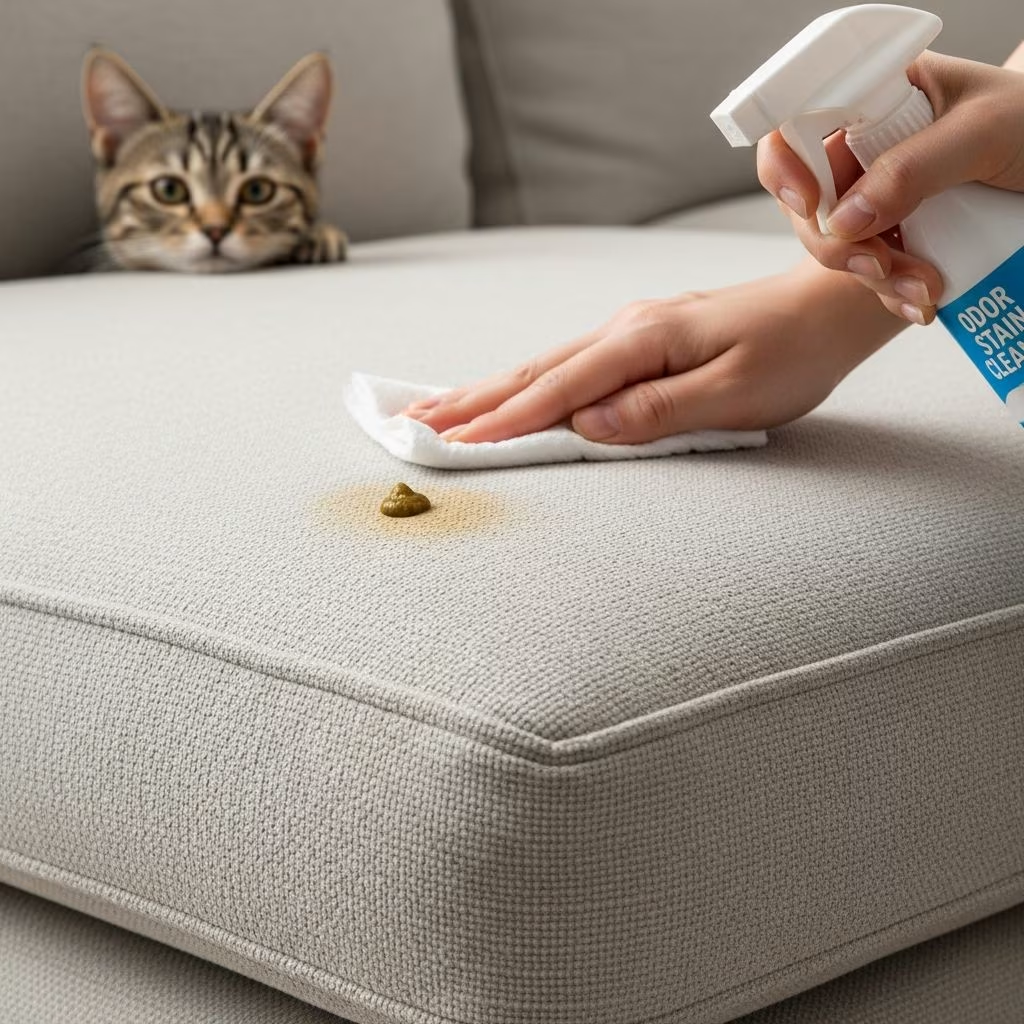
Dealing with cat poop accidents on your couch can be frustrating, but with the right approach, you can eliminate both the stains and the persistent odors effectively. Cat feces contain organic compounds that produce strong smells if not treated properly, often embedding deep into fabric fibers. This guide covers comprehensive steps to clean your couch, from immediate removal to long-term prevention, ensuring your living space remains fresh and pet-friendly.
Understanding why cats poop outside the litter box is crucial before diving into cleaning. Common causes include medical issues like constipation or diarrhea, stress, litter box aversion, or territorial marking. Addressing the root cause prevents recurrence while cleaning restores your furniture.
Why Is My Cat Pooping on the Couch?
Cats are fastidious creatures, so inappropriate elimination signals an underlying problem. Medical conditions such as gastrointestinal disorders, urinary tract infections, or parasites can cause discomfort, leading to accidents on soft surfaces like couches. Stress from changes in the household, new pets, or loud noises may trigger this behavior as a coping mechanism.
Litter box issues are frequent culprits: an unclean box, incorrect size, or undesirable litter type can deter use. Senior cats might struggle with mobility, preferring accessible spots. Spayed or neutered cats rarely mark territory, but unsterilized ones might. Observing patterns helps identify triggers—consult a vet if it persists beyond two weeks or accompanies symptoms like vomiting or lethargy.
The 8 Tips on How to Get Rid Of Poop Smells
Act quickly to prevent odors from setting in. Follow these eight proven steps for thorough removal, suitable for most upholstery types. Always test solutions on inconspicuous areas first to avoid discoloration.
1. Remove the Poop
Wear disposable gloves and use paper towels or plastic bags to pick up solid waste gently, avoiding smearing. For fresh incidents, scoop from the outside in. Dispose of waste immediately in a sealed bag. This initial step minimizes residue that could worsen stains and smells.
2. Vacuum
If the accident is recent or residue lingers, vacuum thoroughly using an upholstery attachment. This removes dried particles, debris from cushions, and embedded bits in crevices. Vacuum daily initially if odor persists to prevent reabsorption of smells.
3. Wipe it Down
For fresh messes, blot with a damp microfiber cloth to lift remaining moisture without rubbing, which pushes particles deeper. Use cool water only—avoid hot water, as it sets proteins in feces. Pat dry with towels to absorb excess liquid.
4. Use Enzyme Cleaner
Enzyme cleaners are essential for breaking down organic proteins in cat poop that cause odors. These products contain beneficial bacteria that digest waste at a molecular level, neutralizing smells permanently. Saturate the area, let sit for 10-15 minutes (or per label), then blot and air dry. Popular options like Hepper Advanced Bio-Enzyme Pet Stain & Odor Eliminator Spray work on multiple surfaces without masking scents.
| Product | Key Features | Best For |
|---|---|---|
| Hepper Advanced Bio-Enzyme Spray | 32-oz bottle, neutral scent, permanent removal | Fabric couches, multi-surface |
| Angry Orange Enzyme Cleaner | Pet-safe, fast-acting | Stubborn stains |
5. Hydrogen Peroxide & Dawn Dish Detergent
A budget-friendly DIY alternative: mix ¾ cup 3% hydrogen peroxide with 1 tablespoon Dawn dish soap. Apply to the stain, gently agitate with a soft brush, and watch the fizzing action break down organics. Blot excess, avoiding saturation. Dawn emulsifies fats, while peroxide oxidizes proteins. Rinse with a damp cloth afterward.
6. Baking Soda
After enzyme or peroxide treatment, sprinkle generous baking soda over the damp area. It absorbs moisture and neutralizes odors via chemical absorption. Let sit 4-24 hours, then vacuum. For whole-couch refresh, cover entirely. Baking soda’s alkaline nature counters acidic poop smells effectively.
7. Freshen the Couch
Post-cleaning, add subtle freshness cautiously—many essential oils (e.g., tea tree, eucalyptus) are toxic to cats. Opt for pet-safe diffusers or dilute lavender sparingly. Alternatively, use odor-neutralizing sprays formulated for pets. Ventilate by opening windows to aid drying and air circulation.
8. Cover the Couch
Prevent repeats with washable couch covers or throws. Waterproof liners protect against leaks. If behavioral, this deters access while you resolve issues. Machine-washable options simplify maintenance, containing messes for easy laundry.
Additional Cleaning Hacks for Stubborn Odors
For persistent smells, incorporate vinegar solutions: mix equal parts white vinegar and water, spray lightly, and blot. Vinegar neutralizes ammonia without residue. Avoid on leather—test first. Activated charcoal bags placed near or inside cushions absorb airborne odors passively.
Renting an extracting vacuum (wet vac) deep-cleans fibers with hot water extraction, pulling out embedded waste. Skip steam cleaners, as heat bonds proteins. Repeat enzyme applications for old stains, allowing full drying between rounds.
Cleaning Different Couch Materials
- Fabric Upholstery: Follow full enzyme process; avoid over-wetting.
- Leather/Suede: Wipe solids, use mild soap solution, condition post-clean. Vinegar works well here.
- Microfiber: Brush off solids, vacuum, enzyme spray, steam lightly if machine-safe.
Check manufacturer tags: ‘W’ means water-based cleaners; ‘S’ requires solvents; ‘WS’ allows both; ‘X’ means vacuum only.
Prevention Tips to Stop Future Accidents
Rule out health issues with a vet visit. Maintain litter boxes: one per cat plus one extra, scooped daily, deep-cleaned weekly. Experiment with litter types (clumping, unscented). Provide stress relief via toys, scratching posts, pheromone diffusers. Designate couch-free zones if needed, using deterrents like double-sided tape.
Frequently Asked Questions (FAQs)
What if the smell returns after cleaning?
Residue likely remains deep in fibers—reapply enzyme cleaner and baking soda. Use an extracting vac for thorough extraction.
Is hydrogen peroxide safe for all couches?
No, test on hidden spots; it may bleach colors. Use 3% solution diluted.
Can I use bleach on cat poop stains?
Avoid bleach—it damages fabrics and doesn’t eliminate odors, potentially harming pets.
How long does enzyme cleaner take to work?
10-15 minutes active time, but full drying (up to 24 hours) ensures uric acid breakdown.
Why vinegar for pet odors?
Its acidity neutralizes alkaline ammonia in waste without toxic residues.
Professional Cleaning Options
For severe cases, hire services using deep extraction and odor neutralizers. They apply protectors post-clean to repel future accidents, ideal for valuable furniture.
References
- Pet Stain and Odor Removal Guidelines — Centers for Disease Control and Prevention (CDC). 2023-05-15. https://www.cdc.gov/healthy-pets/publications/cleaning-up-pet-waste.html
- Enzymatic Cleaners for Organic Waste — American Cleaning Institute. 2024-02-10. https://www.cleaninginstitute.org/cleaning-tips
- Household Odor Control with Baking Soda — Arm & Hammer (Church & Dwight Co.). 2025-01-05. https://www.armandhammer.com/en/articles/pet-odor-control
- Vinegar as Natural Disinfectant — U.S. Environmental Protection Agency (EPA). 2022-11-20. https://www.epa.gov/saferchoice/vinegar
- Pet Behavior and Elimination Issues — American Veterinary Medical Association (AVMA). 2024-08-12. https://www.avma.org/resources/pet-owners/petcare/litter-box-problems



