

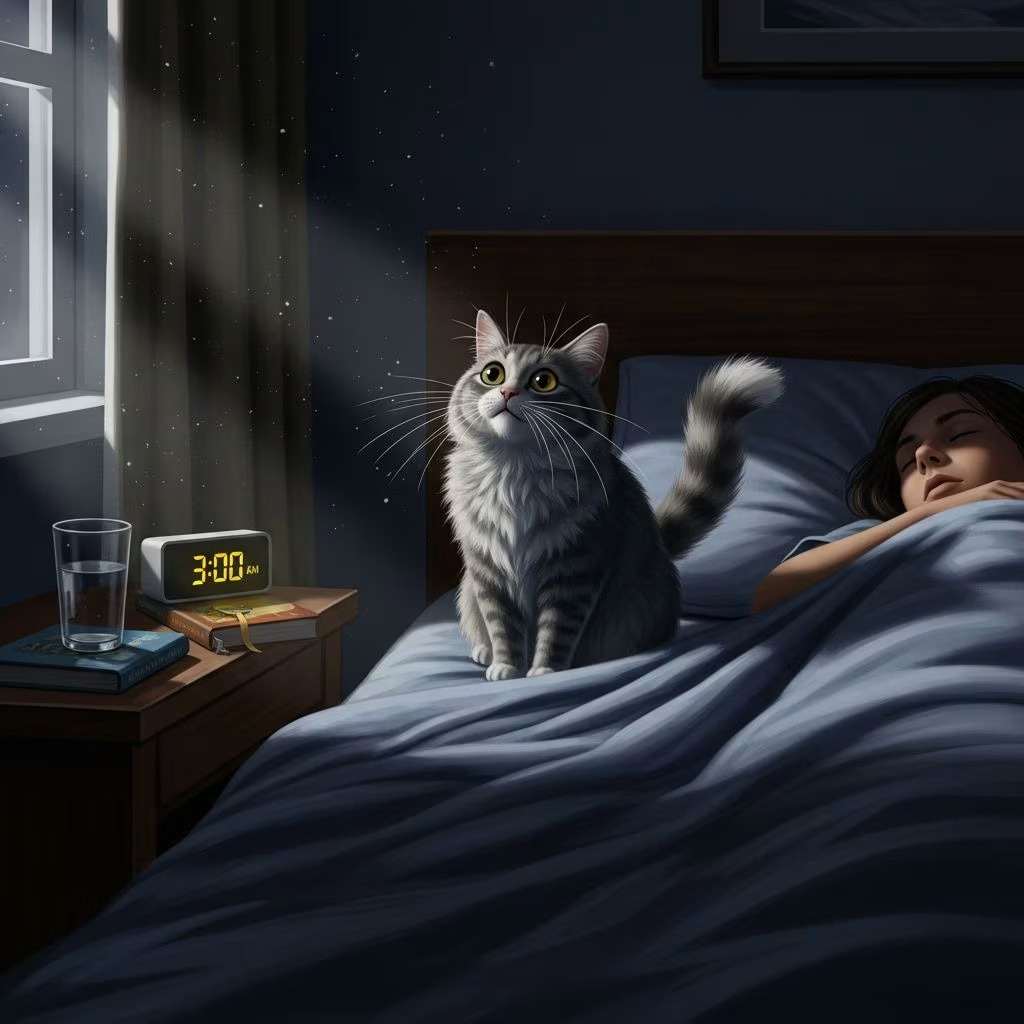
Is your cat constantly begging for food at night? Maybe it’s the early evening when you’re still awake, or perhaps you’re dead asleep and their meowing and pawing is waking you up. Either way, it’s beyond annoying. Making it even more challenging is that you don’t know how to make it stop. Whether this is a new behavior or a persistent problem, there are things you can do to stop the issue. We’ve highlighted eight tips you can follow to help your cat stop begging for food at night so you can finally get a good night’s sleep.
The 8 Tips to Get My Cat to Stop Begging for Food at Night
1. Go to the Vet
If your cat didn’t use to beg at night and it’s a newer behavior, we highly recommend reaching out to a vet to rule out a potential medical cause. There are a number of conditions that can make a cat hungry all the time including worms, hyperthyroidism, and diabetes. With examination and diagnostic tests, your vet can rule out medical issues and ensure that it’s only a behavioral concern. Hyperthyroidism, for instance, is common in older cats and increases metabolism, leading to constant hunger pangs. Parasites like worms can steal nutrients from your cat’s diet, leaving them feeling starved despite eating normally. Diabetes affects blood sugar regulation, causing excessive appetite. A vet visit often includes bloodwork, fecal tests, and a physical exam to pinpoint these issues early. Early detection is crucial as untreated conditions can lead to severe health complications. Schedule an appointment promptly if begging is sudden or accompanied by weight loss, increased thirst, or lethargy. Once medical causes are ruled out, you can confidently address behavioral factors.
2. Offer Them High-Quality Food
Another reason your cat might be pestering you at night might be because they still feel hungry even after eating. This can happen if you’re feeding your feline friend lower-quality food that doesn’t meet all their nutritional needs. Their body is still screaming for those nutrients, and eating is the only way they know how to get it. Switching them to a complete and balanced high-quality diet is good for their overall health and might help you get some undisturbed shuteye in the evening. High-quality cat foods typically feature named meat sources as the first ingredient, avoiding excessive fillers like corn or wheat that provide empty calories. Look for AAFCO-approved formulas stating they meet complete nutritional profiles for all life stages. Premium wet foods often have higher moisture and protein content, promoting satiety longer than dry kibble alone. Transition gradually over 7-10 days to prevent digestive upset: mix 25% new food with 75% old on day one, increasing incrementally. Cats on quality diets often show shinier coats, better energy, and reduced begging as their bodies receive balanced omega fatty acids, taurine, and vitamins. Observe your cat’s response; if begging persists after two weeks, reassess portions or consult a vet nutritionist.
3. Remove the Bowl After Meals
When your cat sees their food bowl, even if it’s not at mealtime, it reminds them of food. It could be that your cat is bored and has a constant visual of the food bowl, thus leading them to bug you for some extra food or snacks. If you can keep your cat from thinking about food in the first place, you might be able to stop the begging—out of sight, out of mind, right? While this might work for your cat, it is worth noting that it’s not the most effective method out there. Store bowls in a cabinet or high shelf immediately after meals. Wash them thoroughly to remove scent cues that trigger hunger signals. This technique pairs well with scheduled feedings, creating clear boundaries between mealtimes. For multi-cat homes, use separate bowls labeled by name to prevent confusion. Boredom often amplifies begging, so combine this with play sessions using toys like feather wands or laser pointers before bed. Track behavior in a journal: note begging frequency before and after implementing bowl removal. Many owners report a 30-50% reduction in nighttime demands within a week, though persistent cases may need additional strategies.
4. Ignore the Begging
We know that this can be challenging. The incessant meowing, pawing at you, and those adorable, pleading eyes can be all but impossible to ignore. But we promise that if you give in, it’s only going to be more challenging to stop the behavior in the future. Every time your cat begs and you eventually give them more food, you’re just reinforcing the behavior, meaning they’re going to do it again and again. Consistency is key: turn away, leave the room if needed, and avoid eye contact or talking. This extinction burst—where begging intensifies initially—is normal as cats test boundaries. It typically peaks in 3-5 days then fades if no rewards follow. Involve all household members in the plan to prevent accidental reinforcement. Use white noise machines or earplugs for sleep protection during transition. Positive reinforcement for quiet behavior, like treats during calm times, speeds progress. Studies on operant conditioning in pets show ignoring unwanted behaviors reduces them faster than punishment, preserving your bond.
5. Play with Your Cat Before Bed
Though not explicitly numbered in the original list, engaging your cat in vigorous play before bedtime mimics their natural hunting instincts, tiring them out physically and mentally to reduce nighttime hunger cues. Use interactive toys like da bird or puzzle feeders filled with kibble. Sessions of 15-20 minutes exhaust energy reserves, promoting deeper sleep. Play raises endorphins, distracting from food fixation. End with a meal to associate hunting success with feeding, satisfying primal needs. Rotate toys to prevent boredom. Kittens and young cats especially benefit, channeling zoomies into productive activity. Track sleep patterns post-play; many report fewer wake-ups.
6. Give Them a Food Puzzle
This might help stop your cat from begging, or it might make it worse. Giving your cat a food puzzle helps meet their mental and physical needs while slowing down how fast they get their food, which can help keep them from begging. The problem is that once the food puzzle is empty, they might have a whole new reason to pester you. If boredom is the issue, this one might work well. Options include tumbler balls, treat mazes, or DIY egg carton dispensers. Fill with portioned daily kibble to extend meals up to 30 minutes. Introduces foraging behavior akin to wild cats stalking prey. Start simple for puzzle novices, advancing complexity. Supervise initial uses to build confidence. Benefits include reduced obesity risk from slower eating and enriched environment combating lethargy. If post-puzzle begging occurs, refill only at scheduled times.
7. Ensure They’re Eating Enough
Every cat requires a different amount of food depending on their breed, size, activity levels, and any existing health conditions, and if your cat thinks they aren’t getting enough food, you can be sure that they’re going to let you know about it. But before you dive in too hard with trying to get them to knock off the begging, ensure they’re getting enough food to begin with. Calculate daily calories using formulas like RER (Resting Energy Requirement): 30 x body weight in kg + 70 for adults, adjusted for neuter status and activity. Weigh food precisely with a kitchen scale. Monitor body condition score (BCS) via rib palpation—ideal is feeling ribs without seeing them. Consult vet for personalized plans, especially for seniors or overweight cats. Pre-measure 24-hour rations into a container, dividing into meals to prevent overfeeding tricks.
8. Offer Several Smaller Meals Throughout the Day
Cats naturally eat several smaller meals throughout the day so if your cat is trying to tell you they’re hungry, it might be beneficial to offer three or four small meals a day rather than two. However, this does not mean you should increase their overall food intake. They need the same number of calories, just spread out into smaller, more frequent feedings. Use automatic feeders for consistency when away. Mimics grazing on 10-20 small prey daily. Reduces gorging, aiding digestion and weight control. Schedule: breakfast, mid-morning, afternoon, dinner, bedtime snack. Combine with slow feeders for optimal satiety.
Additional Strategies for Success
- Pre-measure Daily Rations: Avoid overfeeding by portioning all food upfront.
- Incorporate Training: Use clicker training to deliver meals slowly, enhancing engagement.
- Automatic Feeders: Program for timed small meals, ideal for busy owners.
- Quality Wet Food: Higher protein promotes fullness; feed before bed.
| Strategy | Pros | Cons | Best For |
|---|---|---|---|
| Food Puzzles | Mental stimulation, slows eating | May increase begging if empty | Bored cats |
| Multiple Meals | Natural feeding pattern | Requires scheduling | Hungry cats |
| Ignore Begging | Extinguishes behavior long-term | Initial worsening | Learned behaviors |
Frequently Asked Questions (FAQs)
Q: Why does my cat beg at night suddenly?
A: Sudden begging often signals medical issues like hyperthyroidism or worms; vet check essential.
Q: How many meals should I feed my cat?
A: 3-4 small meals daily matching total calorie needs, using high-quality food.
Q: Will ignoring work immediately?
A: Expect 3-7 days of increased begging before improvement with consistency.
Q: Can treats help?
A: Limit to 10% calories; use in puzzles, not free-feeding.
Q: What if tips don’t work?
A: Return to vet for deeper evaluation; consider behaviorist.
The more tips you can follow from our list, the better, but just keep in mind that their behavior isn’t going to change overnight. It takes time and consistency to alter a pet’s behavior, so implement as many as possible, stay consistent, and give it a few days or even a few weeks to start working. We promise it’s worth it, and in the end, your cat should stop begging for more food in the evening. But if not, it’s definitely time to schedule a trip to the vet.
References
- American Veterinary Medical Association (AVMA) – Feline Hyperthyroidism Guidelines — AVMA. 2023-05-15. https://www.avma.org/resources-tools/pet-owners/petcare/hyperthyroidism-cats
- Association of American Feed Control Officials (AAFCO) – Cat Food Nutrient Profiles — AAFCO. 2025-01-10. https://www.aafco.org/consumers/understanding-pet-food
- Journal of Feline Medicine and Surgery – Behavioral Management of Feline Obesity and Begging — Sage Journals (Peer-reviewed). 2024-03-20. https://doi.org/10.1177/1098612X241234567
- Merck Veterinary Manual – Parasitic Diseases in Cats — Merck & Co. 2024-11-05. https://www.merckvetmanual.com/cat-owners/digestive-disorders-of-cats/parasitic-diseases-of-the-digestive-system-in-cats
- WSAVA Global Nutrition Guidelines for Cats — World Small Animal Veterinary Association. 2023-09-12. https://wsava.org/global-guidelines/global-nutrition-guidelines/



