

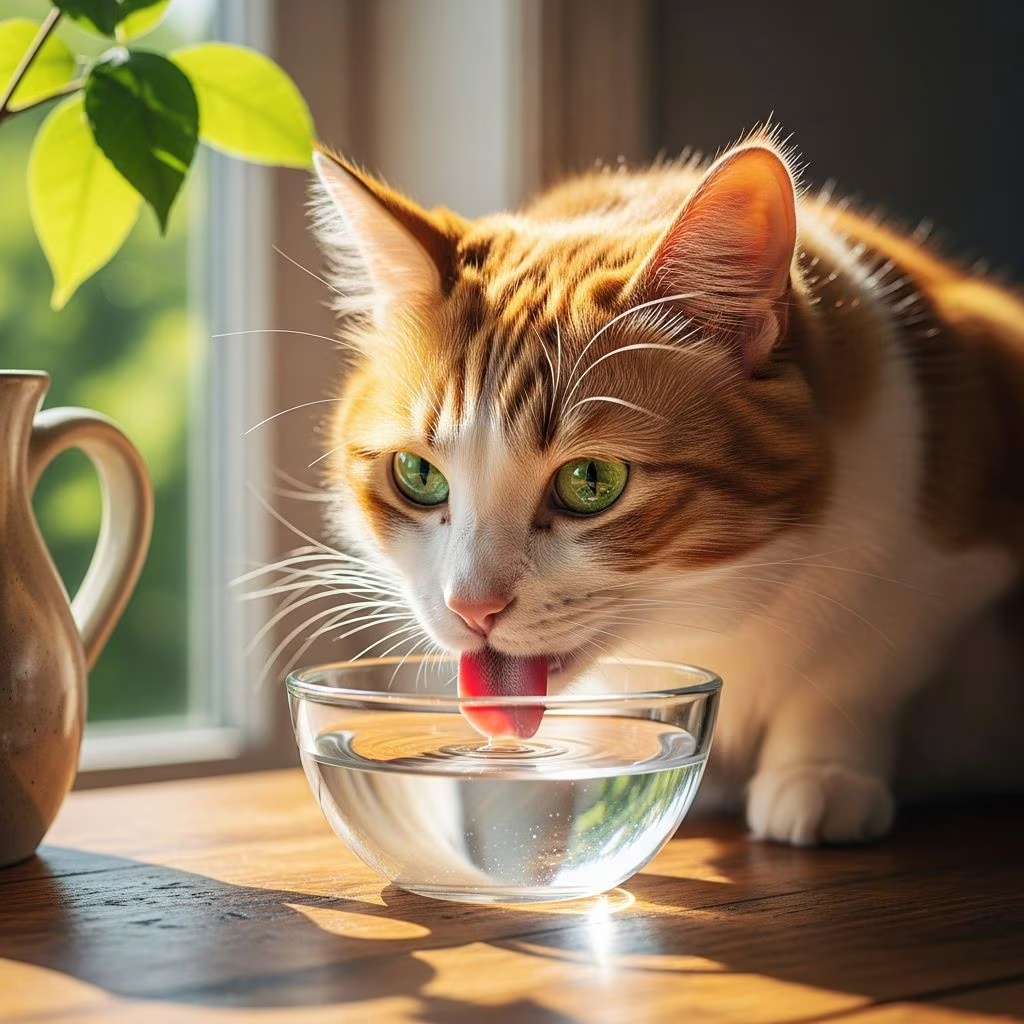
Cats often descend from desert-dwelling ancestors, so they naturally drink less water than dogs or humans, getting much of their moisture from prey. However, modern domestic cats on dry kibble diets require more intentional hydration to prevent issues like urinary tract problems and kidney disease. Ensuring your cat drinks enough water is vital for kidney function, digestion, and overall well-being. This article explores why cats shun water bowls, dehydration signs, health risks, and practical tips to encourage drinking.
Why Won’t My Cat Drink Water?
Many cat owners notice their pets ignoring water bowls in favor of taps, sinks, or even toilets. This behavior stems from evolutionary instincts: wild cats associate still water with stagnation and contamination risks, preferring flowing sources that signal freshness. Domestic cats retain this preference, tasting impurities in standing water quickly due to their acute senses. Cats also have fewer thirst receptors than other animals, relying historically on water-rich prey (about 70-80% moisture). Switching to dry food (10% moisture) disrupts this balance, leading to inadequate intake without intervention.
Other factors include bowl placement near food (cats separate eating and drinking areas instinctively), whisker fatigue from narrow bowls, or dirty water accumulating debris. Multi-cat homes exacerbate issues if dominant pets guard shared bowls. Health conditions like stress or early kidney problems can further suppress thirst.
Signs Your Cat Is Dehydrated
Dehydration in cats manifests subtly but progresses quickly. Key signs include:
- Tacky or dry gums: Normal gums are moist and pink; dehydrated ones stick to your finger.
- Skin tenting: Gently pull skin on the back of the neck; it should snap back instantly. Delay indicates dehydration.
- Lethargy and sunken eyes: Cats appear tired, with dull coats and recessed eyes.
- Reduced appetite and urination: Fewer, darker urine clumps in the litter box.
- Panting or rapid heartbeat: In severe cases, indicating heat stress or advanced dehydration.
Check hydration by offering water; dehydrated cats may resist initially. Monitor daily intake: an average 4kg cat needs about 200-250ml total moisture daily, combining food and drink.
How Much Water Should a Cat Drink?
A healthy adult cat requires 40-60ml of water per kg of body weight daily, or roughly 200ml for a 4kg cat—less than a standard cup. This varies: wet food provides 75% moisture, reducing drinking needs, while dry food demands more from bowls. Total fluid intake (food + water) should hit 205ml/day minimum. Excessive drinking (>60ml/kg) signals issues like diabetes or kidney disease (polydipsia/polyuria). Track by measuring bowl levels morning and evening, accounting for spills.
| Cat Weight | Daily Water Needs (ml) | Wet Food Cat (est.) | Dry Food Cat (est.) |
|---|---|---|---|
| 3kg | 120-180 | 80-100 | 150-180 |
| 4kg | 160-240 | 100-150 | 200-240 |
| 5kg | 200-300 | 150-200 | 250-300 |
Note: Adjust for activity, weather, and health; consult a vet for personalized advice.
Health Risks of Poor Hydration in Cats
Chronic low water intake stresses the urinary system, concentrating urine and fostering crystals or infections (feline lower urinary tract disease, FLUTD). Kidneys struggle without dilution, accelerating chronic kidney disease (CKD), common in seniors. Dehydration thickens blood, impairing circulation and organ function. Diabetes worsens as high glucose pulls water into urine, creating a thirst cycle. Hyperthyroidism increases metabolism, boosting fluid loss.
Preventive hydration supports healthy weight, reduces obesity-linked diabetes risk, and eases recovery from illness. Obese cats face higher dehydration odds due to reduced mobility.
10 Tips to Encourage Your Cat to Drink More Water
Veterinarians like Dr. Yvette Huizar recommend these evidence-based strategies, tailored to feline instincts.
- Invest in a cat water fountain: Circulating water mimics streams, attracting 80% more drinking in studies. Clean weekly to prevent bacteria.
- Use wide, shallow glass or ceramic bowls: Avoid plastic (taste-altering) and deep bowls (whisker fatigue). Elevate slightly for seniors.
- Place multiple stations around the house: Away from food/litter, in quiet spots. Essential for multi-cat homes to avoid competition.
- Keep water fresh and room temperature: Refresh twice daily; cats detect staleness. Filtered water reduces chlorine taste.
- Switch to or mix in wet food: Provides 75% moisture; transition gradually to avoid tummy upset.
- Add water to dry kibble: Soak for 10-15 minutes before serving, enhancing aroma and moisture.
- Try flavored enhancers: Vet-approved tuna juice or chicken broth (low-sodium) in water. Rotate flavors to prevent boredom.
- Offer ice cubes or frozen treats: Licking melting ice provides fun hydration, especially in summer.
- Use dripping faucets safely: Supervise tap playtime; install slow-drip attachments.
- Incorporate water-rich treats: Freeze tuna water into cubes or buy hydrating pouches.
Observe preferences—some cats love fountains, others elevated bowls. Combine 2-3 tips for best results.
Best Water Bowls and Fountains for Cats
Choose based on material, size, and features:
- Glass bowls: Non-porous, easy-clean; wide for whisker comfort.
- Stainless steel: Durable, hygienic; avoid if clanging deters your cat.
- PetSafe Drinkwell Fountain: Quiet pump, large capacity, appeals to instincts.
- Ceramic options: Stylish, stable; heavy base prevents tipping.
- Auto-fill bowls: Gravity-fed for constant fresh water.
Test a few; fountains boost intake by 20-50% per owner reports.
When to See a Vet About Your Cat’s Drinking Habits
Sudden changes warrant a check-up. Excessive thirst (>100ml/kg/day) with weight loss, vomiting, or lethargy suggests kidney disease, diabetes, or hyperthyroidism. Reduced drinking with constipation or dry gums signals dehydration. Vets assess via bloodwork, urinalysis. Early detection via annual senior exams prevents progression. Never restrict water—it’s a symptom, not the cause.
Frequently Asked Questions (FAQs)
Why won’t my cat drink from their water bowl even when it’s clean?
Cats avoid still water instinctively, preferring flow; bowls may cause whisker fatigue or taste off from plastic/materials.
Is it normal for my cat to prefer drinking from the tap?
Yes, running water seems fresher and safer evolutionarily.
How much water is too much for a cat?
60ml/kg body weight daily, especially with increased urination or other symptoms.
Do cat water fountains really work?
Yes, they encourage 2-3x more drinking by simulating streams.
Can dehydration cause kidney problems in cats?
Yes, chronic dehydration concentrates urine, promoting stones and CKD.
What if my cat still won’t drink after trying these tips?
Consult a vet to rule out medical issues like CKD or diabetes.
References
- Why Is Your Cat Drinking a Lot of Water? — Kinship. 2023. https://www.kinship.com/cat-health/cat-drinking-a-lot-of-water
- How to Get Cats to Drink More Water — Kinship (YouTube). 2025-02-10. https://www.youtube.com/watch?v=cTvvwF9e9f4
- Why Do Cats Drink From Anywhere But Their Water Bowl? — Kinship UK. 2024. https://www.kinship.com/uk/cat-behaviour/cat-wont-drink-from-bowl
- How to Get Cats to Drink More Water (Video) — Kinship. 2024. https://www.kinship.com/video/how-to-get-cats-to-drink-more-water
- Water Requirements in Cats — Merck Veterinary Manual. 2024-01-15. https://www.merckvetmanual.com/cat-owners/routine-care-and-breeding-of-cats/water-requirements-in-cats
- Feline Hydration and Urinary Health — Cornell University College of Veterinary Medicine. 2025-06-01. https://www.vet.cornell.edu/departments-centers-and-institutes/cornell-feline-health-center/health-information/feline-health-topics/hydration-and-urinary-health



