

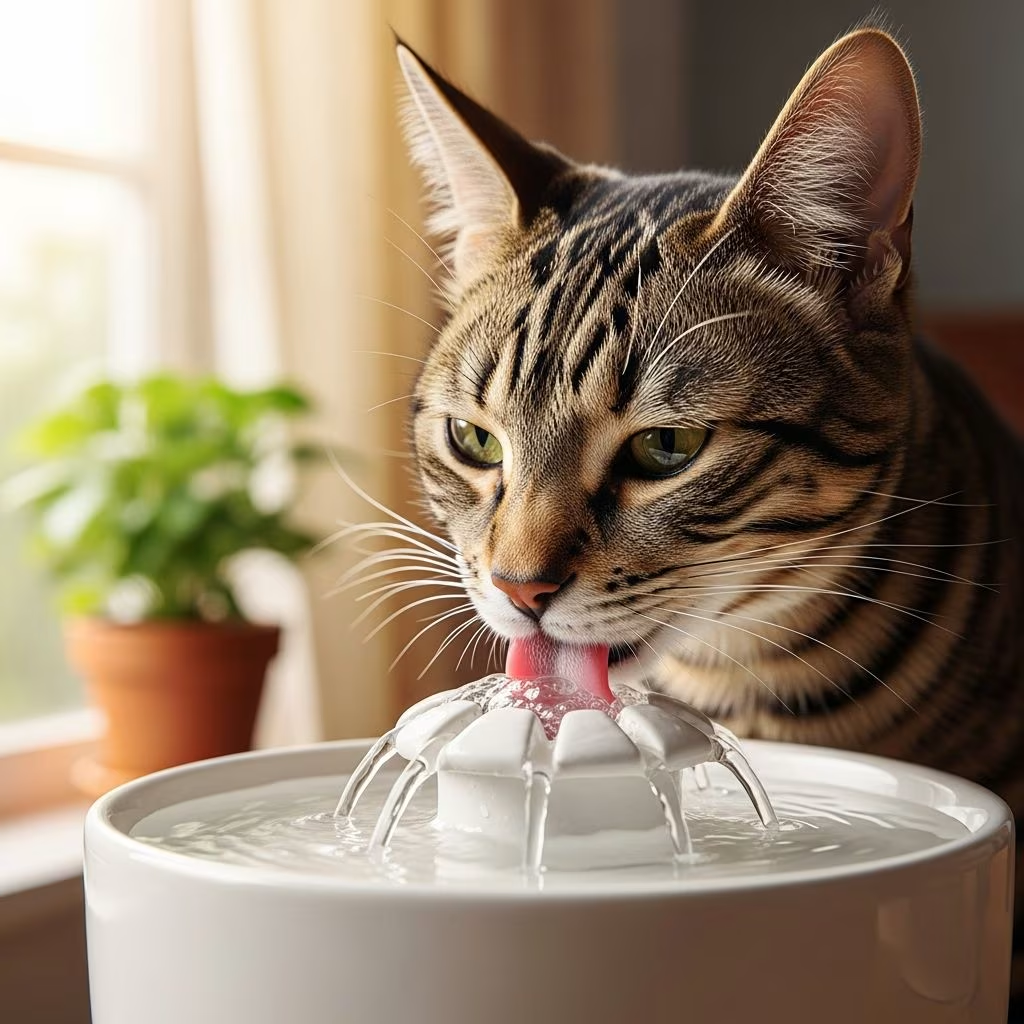
Cats are notorious for being finicky about drinking water, yet proper hydration is crucial for their kidney health, urinary tract function, and overall well-being. Domestic cats, descended from desert-dwelling wildcats, have a naturally low thirst drive and get much of their moisture from prey. However, dry kibble diets common in modern homes provide only about 10% moisture, far less than the 70-80% in wet food or fresh prey. This mismatch can lead to chronic low-grade dehydration, increasing risks for conditions like kidney disease and urinary crystals. Encouraging your cat to drink more involves tapping into their instincts: they prefer running water over still bowls because moving water signals freshness and safety from bacteria.
Recognizing dehydration early is key. Signs include tacky gums, sunken eyes, skin that doesn’t snap back when gently pinched (skin tenting), lethargy, and reduced appetite. Mild cases can be addressed at home, but persistent symptoms warrant a vet visit to rule out diabetes, hyperthyroidism, or kidney issues.
Step One: Provide Running Water Sources
Cats instinctively gravitate toward flowing water, reminiscent of streams their ancestors drank from in the wild. Still water in bowls can stagnate, developing off odors and bacteria that their sensitive noses—boasting 200 million scent receptors compared to humans’ 5 million—detect easily. A cat water fountain solves this by circulating water continuously, often with built-in filters for purity.
- Choose the right fountain: Opt for quiet, multi-stage pumps to avoid startling noise-sensitive cats. Ceramic or stainless steel models resist bacterial growth better than plastic.
- Placement tips: Position near food or lounging spots for convenience, but not directly adjacent if your cat associates proximity with contamination.
- Maintenance: Clean weekly with mild soap, rinse thoroughly, and replace filters per manufacturer instructions to keep water appealing.
Studies from veterinary sources confirm fountains increase intake by up to 20-30% in reluctant drinkers. Start with short sessions to let your cat investigate the novel sound and motion.
Step Two: Create Interest
Boredom or unfamiliarity can deter drinking. Experiment with vessel variety to pique curiosity.
- Bowl shapes and materials: Wide, shallow ceramic or glass bowls prevent whisker fatigue—where long whiskers brush sides, causing discomfort. Avoid deep plastic bowls that impart flavors.
- Location experiments: Some cats shun water near food (instinctual separation of clean zones), others prefer it nearby as a mealtime reminder. Try bathrooms, bedrooms, or elevated shelves.
- Dripping faucets: Many cats love sink or tub drips. Leave a slow trickle when supervised, or install cat-safe faucet extensions.
Rotate options weekly; novelty encourages exploration. In multi-cat homes, provide one per cat plus extras to prevent territorial guarding.
Step Three: Flavor Their Water
A bland water profile may not entice. Subtle flavoring mimics the taste of prey moisture without overwhelming.
- Safe additives: Low-sodium tuna, clam, or chicken broth (no onions, garlic, or salt). A teaspoon per bowl suffices.
- Baby food boost: Plain meat varieties like turkey or chicken, strained for smoothness.
- Avoid pitfalls: No milk (lactose intolerant), sugary drinks, or plant-based flavors that could upset digestion.
Refresh flavored water twice daily to prevent spoilage. This method appeals to taste buds evolved for meaty hydration.
Step Four: Change Up Their Water Sources
Convenience is king for lazy sippers. Scatter stations house-wide for effortless access.
| Room | Recommended Source | Why It Works |
|---|---|---|
| Living Room | Fountain on floor | High-traffic lounging area |
| Kitchen | Stainless bowl on counter | Near but not by food |
| Bedroom | Wide glass dish | Quiet, private sipping |
| Bathroom | Dripping faucet access | Instinctual preference |
Multiple options reduce effort, especially for seniors or multi-cat setups where bullying occurs. Aim for fresh changes 2-3 times daily.
Step Five: Add Fluid with Food
Food is a reliable hydration vector since cats rarely skip meals. Wet food boasts 78-82% moisture, slashing standalone water needs.
- Wet food transition: Mix with kibble gradually over 7-10 days to avoid tummy upset. Brands like those recommended by vets provide balanced nutrition.
- Broth toppers: Pour over dry food for instant moisture boost without calories.
- Treats and toppers: Water-rich freeze-dried meats or gel supplements.
Veterinarians note wet-fed cats show lower urinary disease incidence. Combine with drinking tips for optimal results.
What Causes Dehydration?
Beyond picky habits, medical culprits abound. Diseases prompt water loss:
- Kidney disease: Impaired concentration leads to excessive urination and thirst.
- Diabetes: High blood sugar causes polyuria/polydipsia.
- Hyperthyroidism: Increases metabolism, fluid loss.
- IBD/Cancer: Gut issues hinder absorption.
- Dental pain: Avoids bowls altogether.
Monitor intake: 3.5 oz per 5 lbs body weight daily is ideal. Vet bloodwork diagnoses root causes.
Quick Tips to Get Your Cat Drinking
- Running water: Fountains filter and aerate for appeal.
- New locations: Experiment to find preferences.
- Wet food: 80% moisture magic.
- Clean dishes: Daily rinses prevent rejection.
- Increase access: Stations everywhere.
Frequently Asked Questions (FAQs)
Why won’t my cat drink from their water bowl even when it’s clean?
Cats detect subtle staleness, plastic tastes, or whisker irritation. Prefer flow or distance from food.
Is it normal for my cat to prefer drinking from the tap or bath?
Yes, evolutionary instinct favors moving water as safer.
Do cat water fountains really help?
Absolutely; they boost intake by mimicking streams.
How much water should my cat drink daily?
About 3.5 oz per 5 lbs; monitor via measured bowls.
What if my cat still won’t drink after trying these tips?
Consult a vet for underlying issues like CKD or diabetes.
References
- Water Drinking in Cats — American Veterinary Medical Association. 2024-02-15. https://www.avma.org/resources-tools/pet-owners/petcare/water-drinking-cats
- Fluid Therapy in Cats — Cornell University College of Veterinary Medicine. 2025-01-10. https://www.vet.cornell.edu/departments-centers-and-institutes/cornell-feline-health-center/health-information/feline-health-topics/fluid-therapy-cats
- Hydration Guidelines for Companion Animals — World Small Animal Veterinary Association. 2023-11-20. https://wsava.org/global-guidelines/nutrition-toolkit/
- Chronic Kidney Disease in Cats — National Kidney Foundation (Veterinary Adaptations). 2024-06-05. https://www.kidney.org/atoz/content/cats
- Feline Lower Urinary Tract Disease — International Cat Care. 2025-03-12. https://icatcare.org/advice/feline-lower-urinary-tract-disease/



