

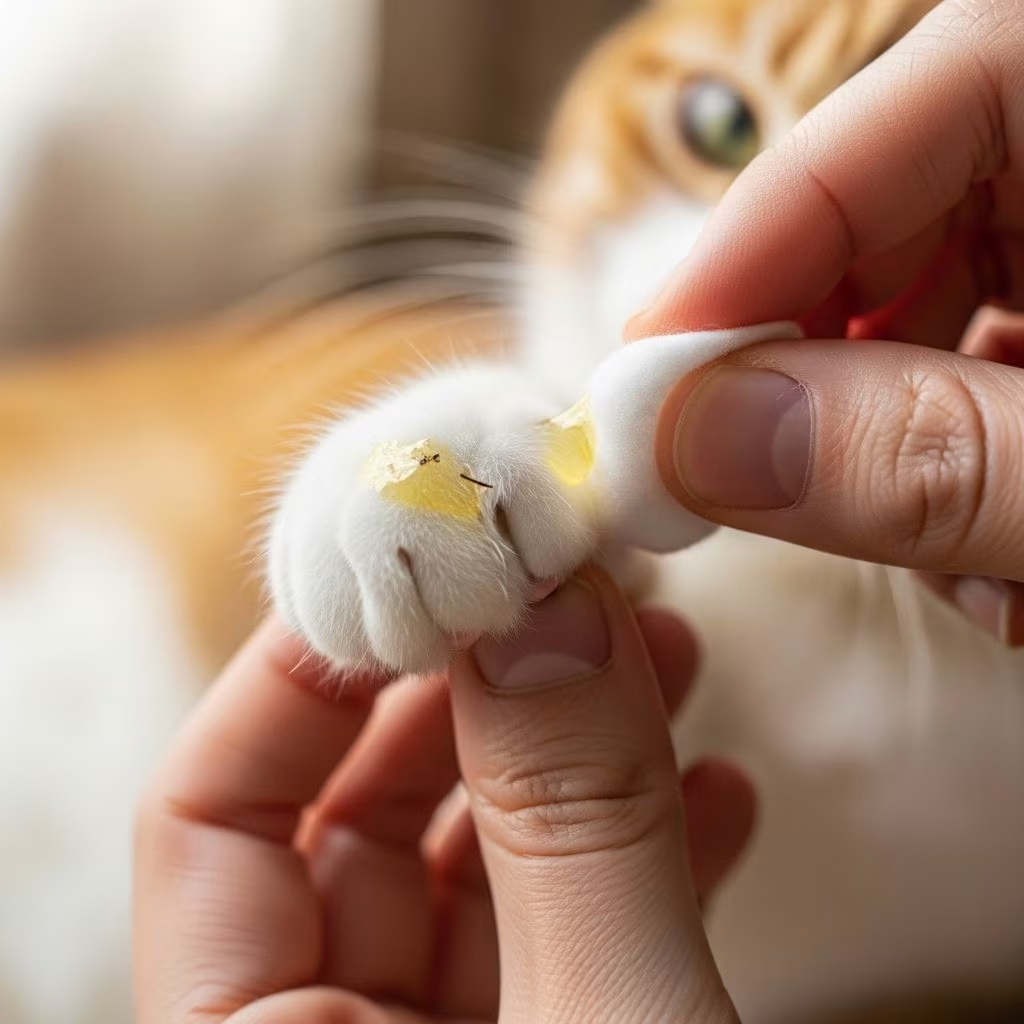
Discovering your cat tangled in a flytrap glue strip can be alarming. These sticky traps, designed to catch insects, use powerful adhesives that can mat fur, irritate skin, and cause distress. Fortunately, with calm, methodical steps, you can safely remove the glue without harming your feline friend. This guide provides vet-approved techniques using household items like oils and shampoo, ensuring minimal stress for both you and your cat.
What Is Flytrap Glue, and Is It Dangerous for Cats?
Flytrap glue, often found on sticky strips or boards, typically consists of non-toxic adhesives like rosin—a natural resin derived from pine trees. Rosin creates a tacky surface that immobilizes flies but can cling to pet fur just as effectively. While most commercial fly traps use pet-safe formulas without pesticides, some may include chemicals that pose risks if ingested or absorbed through skin.
Always check the packaging for ingredients. Non-toxic glues are generally harmless if removed promptly, but toxic additives require extra caution, such as wearing gloves during removal. Ingestion of glue can lead to gastrointestinal upset, while prolonged contact may cause skin irritation or hair loss. Cats may panic, attempting to chew or claw off the trap, risking self-injury like cuts on paws or mouth.
Key risks include:
- Skin abrasions: Struggling can tear skin, especially on sensitive areas like paw pads, nose, or ears.
- Fur matting: Glue hardens, pulling hair painfully if yanked.
- Toxicity: Rare, but chemical-laced traps can cause drooling, vomiting, or lethargy.
- Stress: Cats’ natural fear response heightens injury risk during removal.
Act quickly but gently. If your cat shows signs of distress, swelling, bleeding, or ingestion, contact a vet immediately. Prevention is ideal: place traps high or in pet-free zones.
7 Vet-Approved Steps to Remove Flytrap Glue from Your Cat
1. Identify the Adhesive Type on the Fly Strip
Before touching the trap, examine the packaging or product label. Most fly strips use rosin-based glue, which is non-toxic and dissolves with oils. Confirm no pesticides or harsh chemicals are present—these could irritate skin or be harmful if licked off. Opt for pet-safe traps in homes with cats; avoid anything listing insecticides.
If toxic elements are noted, don disposable gloves to prevent transfer to your skin. This step ensures safe handling and informs your removal method. Document the product name for your vet if issues arise later.
2. Enlist a Helper If Your Cat Is Wiggly
Cats rarely cooperate during sticky predicaments. A second person dramatically simplifies the process: one restrains gently while the other removes glue. Position your helper to hold the cat securely but kindly—wrap in a towel for ‘burrito’ restraint, exposing only the affected area.
Solo? Confine to a bathroom or carrier, using treats or toys for distraction. Prioritize safety: panicked cats scratch or bite reflexively. Never force; patience prevents escalation.
3. Calm Your Cat Before Starting
Stress amplifies the ordeal. Speak softly, offer high-value treats like tuna or Churu, or play soothing music. Pheromone sprays (Feliway) mimic calming signals. Secure in a quiet room to reduce stimuli. A relaxed cat is less likely to thrash, making removal faster and safer.
If hyperactive, wait for a calm moment or sedatives only under vet guidance. Positive reinforcement builds trust post-incident.
4. Gently Remove the Glue with Oil
Oils are the cornerstone of safe removal—they penetrate and loosen adhesive without chemicals. Apply generously to the glue-fur interface using fingers or cotton balls. Massage slowly, working glue free strand by strand. Avoid pulling; let oil dissolve bonds.
| Recommended Oils | Why It Works | Application Tips |
|---|---|---|
| Vegetable oil | Cheap, neutral; breaks down rosin effectively | Dab and rub; kitchen staple |
| Olive oil | Moisturizes skin; antimicrobial properties | Warm slightly for better flow |
| Coconut oil | Antibacterial; solid at room temp, melts on contact | Massage into fur base |
| Grapeseed oil | Lightweight, less greasy residue | Good for fine fur |
| Butter (last resort) | Fat content mimics oil | Sparse use; dairy-sensitive cats beware |
Peel the strip backward (toward fur growth direction) as it loosens. Expect 10-20 minutes; reapply oil as needed. Never use solvents like acetone—they burn skin and are toxic if ingested.
5. Inspect for Wounds or Skin Damage
Post-removal, part fur to check skin. Look for redness, breaks, bald patches, or embedded glue. Sensitive spots (paws, face) suffer most from tugging. Clean minor scrapes with saline (1 tsp salt in 1 cup warm water) or vet-approved antiseptic like chlorhexidine.
Signs warranting vet visit:
- Deep cuts or punctures
- Bleeding that persists
- Swelling, limping, or refusal to use paw
- Lethargy, vomiting (possible ingestion)
Bandage loosely if needed, but cats chew dressings. Monitor 24-48 hours.
6. Bathe to Remove Residue
Oil-dissolved glue leaves greasy residue attracting dirt. Bathe the area with lukewarm water and cat-specific shampoo (e.g., oatmeal-based for soothing). Lather thoroughly, rinse completely to avoid irritation. Towel-dry gently; use a low-heat blow dryer if tolerated.
Full bath unnecessary unless widespread; spot-clean suffices. Repeat if sticky spots remain. This prevents matting and infections.
7. Final Check and Follow-Up Care
Once dry (several hours), run fingers through fur for tackiness. Spot-treat with minimal oil, comb gently (wide-tooth comb). Brush daily to prevent ingrown hairs. Offer extra hydration; watch for behavioral changes.
If residue persists or skin worsens, vet-prescribed clippers or sedated grooming may be needed. Reassess fly trap placement.
Common Mistakes to Avoid When Removing Flytrap Glue
Well-intentioned errors prolong suffering:
- Yanking the strip: Tears skin, causes pain.
- Chemical removers: Toxic (e.g., Goo Gone).
- Ignoring wounds: Leads to infection.
- No helper for feisty cats: Injury risk.
- Skipping bath: Residue causes mats.
Patience trumps speed. If overwhelmed, seek professional grooming or vet help.
Prevention: Keep Cats Away from Fly Traps
Avoid repeats with smart strategies:
- Elevate traps out of jump range.
- Use enclosed traps or non-sticky alternatives (UV lights, fans).
- Seal entry points to reduce flies.
- Supervise curious kittens.
Pet-safe options: diatomaceous earth or natural repellents.
When to Call the Vet Immediately
Not all incidents resolve at home. Rush to vet if:
- Glue on eyes/mouth/nose.
- Heavy ingestion (chewing strip).
- Severe wounds or embedded trap.
- Toxic trap exposure.
- Persistent distress post-removal.
Vets may use medical-grade solvents, clipping, or meds for pain/infection.
Frequently Asked Questions (FAQs)
What dissolves flytrap glue on cats best?
Vegetable, olive, or coconut oil safely breaks down rosin-based adhesives without toxicity.
Can I cut the fur with the glue?
Only as last resort on matted clumps; clip close but avoid skin. Consult vet first.
Is flytrap glue toxic if eaten?
Most rosin glues aren’t, but pesticides are. Watch for vomiting; call vet or poison hotline.
How long does removal take?
15-45 minutes, depending on area size and cat cooperation.
What if glue is on paws?
Oil thoroughly; paw pads are sensitive—prevent licking until bathed.
References
- How to Get Fly Trap Glue Off My Cat? 7 Vet-Approved Tips & Tricks — Hepper. 2023. https://articles.hepper.com/how-to-get-fly-trap-glue-off-my-cat/
- How To Remove Fly Paper Glue — Hunker. 2023-10-12. https://www.hunker.com/13423435/how-to-remove-fly-paper-glue/
- Glue Trap Removal — YouTube (Vets4Pets). 2018-06-15. https://www.youtube.com/watch?v=0lIMJZrSZa8



