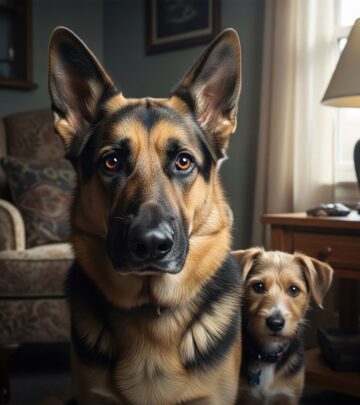
How to Get a Dog to Like You: Building Trust & Bonding
Learn proven techniques to build trust and create a lasting bond with your dog through patience, consistency, and positive reinforcement.
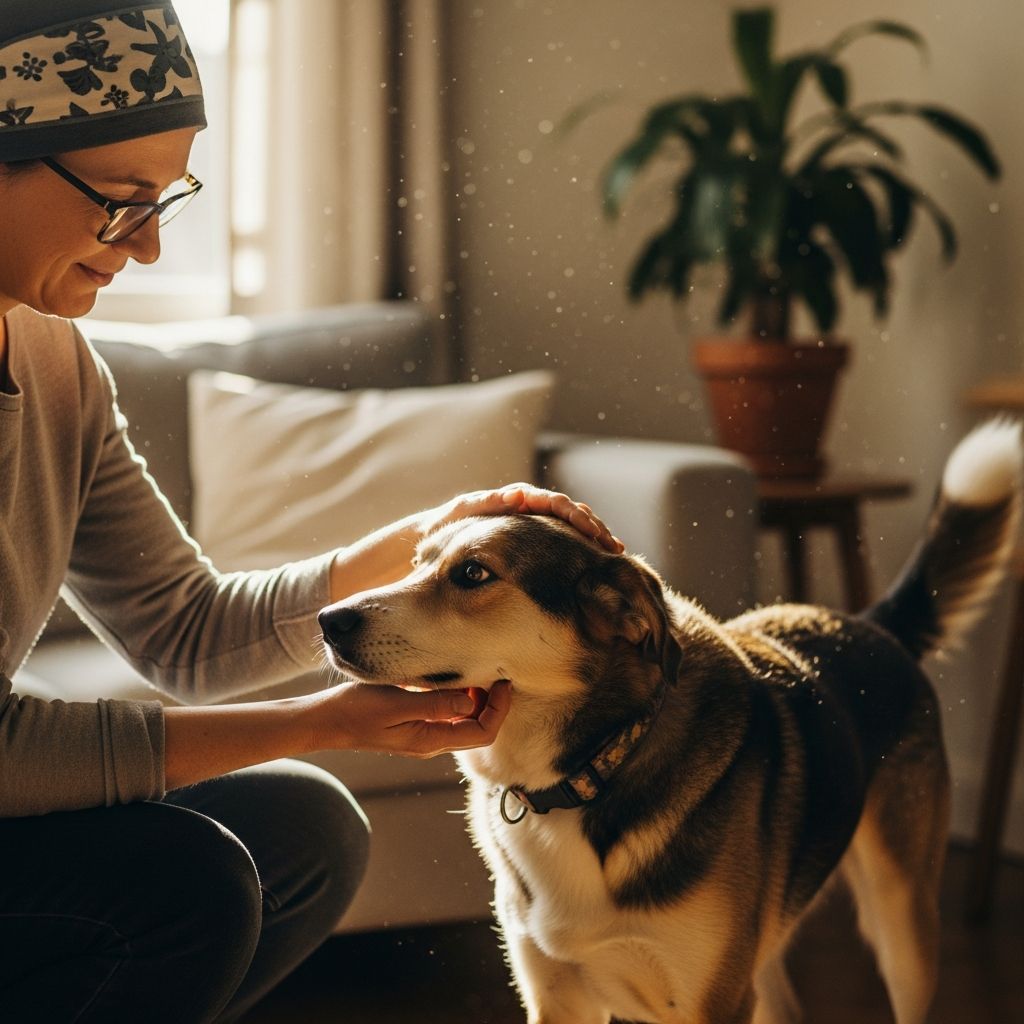
How to Get a Dog to Like You: Building Trust and Creating a Strong Bond
Bringing a dog into your life is an exciting experience, but establishing a genuine connection with your new furry companion requires patience, understanding, and intentional effort. Whether you’re introducing yourself to a friend’s dog, adopting a rescue, or welcoming a new puppy into your home, learning how to get a dog to like you is fundamental to building a lasting relationship. Dogs are social animals that respond to consistency, kindness, and positive experiences. By implementing proven strategies and understanding canine behavior, you can create a strong foundation of trust and affection that will enrich both your lives.
Understanding Canine Body Language
One of the most important steps in getting a dog to like you begins with learning to read and interpret their body language. Dogs communicate primarily through their physical gestures, tail position, ear placement, and facial expressions. By understanding what your dog is trying to tell you, you can respond appropriately and build trust more effectively.
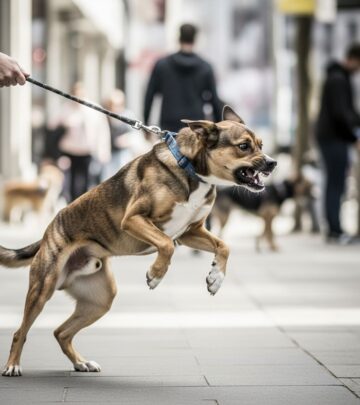
A dog that likes you will typically display relaxed body posture with a loose, wagging tail held at a neutral height. Their ears will be in a natural position, and their eyes will be soft and friendly. Conversely, if a dog is anxious or uncomfortable, they may display signs such as blinked eyes, yawning, or looking away. Recognizing these signals is crucial because it allows you to adjust your approach and ensure the dog feels safe and comfortable in your presence.
Pay attention to whether the dog is seeking your attention or moving away from you. A dog that is interested in bonding with you will actively seek your company, approach you with a relaxed demeanor, and may lean against you or rest their head on your lap. These positive signals indicate that your efforts to build a connection are working effectively.
Using Positive Reinforcement Techniques
Positive reinforcement is one of the most effective methods for getting a dog to like you and associate you with good things. When you reward desired behaviors with treats, praise, or play, your dog learns that being around you leads to positive outcomes. This creates a powerful incentive for them to seek out your company and trust you.
Always keep high-value treats on hand when spending time with your dog. These should be special rewards that your dog doesn’t receive during regular meal times, such as small pieces of chicken, cheese, or commercial dog training treats. When your dog makes eye contact with you, sits calmly, or approaches you, immediately reward them with a treat and enthusiastic praise. This positive association helps your dog understand that good things happen when they interact with you positively.
Avoid using punishment or negative reinforcement, as these methods can damage the trust you’re working to build. Dogs respond much better to encouragement and rewards than to corrections or harsh treatment. Even if your dog makes a mistake, redirect them to the desired behavior and reward them when they comply. This approach not only strengthens your bond but also creates a confident, well-adjusted dog that trusts you completely.
Establishing Consistency and Routine
Dogs thrive when they understand what to expect from their environment and the people in their lives. Establishing a consistent routine and maintaining predictable interactions helps your dog feel secure and builds their confidence in you. When you’re reliable and consistent, your dog learns that you’re a trustworthy figure in their life.
Set up a daily schedule that includes consistent meal times, potty breaks, play sessions, training lessons, and rest periods. This structure helps your dog feel safe because they know what happens next. Additionally, maintain consistency in how you interact with your dog. Use the same commands, reward systems, and training methods every time you spend time together. This consistency makes it easier for your dog to understand your expectations and respond appropriately.
When you’re predictable and reliable, your dog develops confidence and security in your presence. They learn that they can depend on you to meet their needs and provide positive experiences. This foundation of trust is essential for building a strong, lasting bond.
Mastering the Art of Patience
Building a genuine connection with a dog takes time, and patience is absolutely essential. Every dog has their own personality, past experiences, and timeline for building trust. Some dogs may bond with you immediately, while others may require weeks or months to fully trust you. Respecting your dog’s individual pace is crucial for developing a healthy relationship.
During training and bonding sessions, watch your dog’s body language carefully. If your dog appears anxious, tired, or overstimulated, take a break. Short training sessions of 5 to 10 minutes for puppies and around 10 minutes for adult dogs tend to yield better results than longer sessions. Keep things fun and upbeat so your dog remains enthusiastic about spending time with you.
If your dog seems to struggle with a particular activity or command, don’t force it. Instead, go back to an easier situation where they feel confident and successful. Celebrate small victories and progress. Remember that every positive interaction, no matter how small, contributes to building the relationship you desire.
The Power of Play and Quality Time
One of the most enjoyable ways to get a dog to like you is through play and shared activities. Play is not just entertaining for dogs; it’s a fundamental way they bond with their companions. When you engage in play with your dog, you’re creating positive memories and associations that strengthen your connection.
Find out what types of play your dog enjoys most. Some dogs love fetch, others prefer tug-of-war, and many enjoy interactive games that involve their favorite toys. Spend dedicated time each day playing with your dog without distractions. During these sessions, your full attention is on your dog, which communicates that they are important and valued.
Beyond structured play, spend quality time simply being present with your dog. Sit quietly while they rest near you, take leisurely walks together, or enjoy a calm evening on the couch. These quiet moments build intimacy and allow your dog to feel secure in your presence. Dogs appreciate consistency not just in training but in the everyday moments you share together.
Socialization and Exposure
Proper socialization is vital for helping your dog feel comfortable and confident, which in turn helps them bond more easily with you. When a dog is well-socialized, they’re less anxious in new situations and more likely to see the world—and you—positively.
Introduce your dog to new people, places, environments, and experiences gradually and at their own pace. During these exposures, make sure you’re present and calm. Your dog will look to you for guidance, and if you remain relaxed and positive, they’ll be more likely to feel confident. Use treats and praise to reward your dog for handling new situations well.
Start socialization in familiar, quiet environments and gradually work up to more challenging situations. This gradual approach helps prevent overwhelming your dog and ensures they associate new experiences—and you as their guide through those experiences—with positive outcomes. Dogs that have been properly socialized are typically more affectionate and trusting because they feel secure in their world.
Understanding Your Dog’s Individual Needs
Every dog has unique personality traits, preferences, and needs. Getting a dog to like you involves recognizing and respecting these individual characteristics. Some dogs are naturally more affectionate and social, while others are more independent or reserved. Rather than trying to force your dog to be something they’re not, embrace their personality and work within it.
Pay attention to what your dog enjoys and what makes them comfortable. Some dogs love physical affection like petting and hugging, while others prefer interaction through play or training. Some dogs are food-motivated, while others respond better to verbal praise or access to their favorite toy. By understanding your dog’s preferences, you can tailor your approach to what resonates most with them.
Consider your dog’s age, breed tendencies, and any past experiences that might influence their behavior. A rescue dog with a difficult past may need extra patience and gentleness. A high-energy breed may need vigorous play and exercise before they’re ready for calm bonding time. Understanding these factors helps you build a connection that’s authentic to your specific dog’s needs.
Building Trust Through Training
Training is an excellent opportunity to build trust and strengthen your bond with your dog. When you teach your dog commands like “sit,” “stay,” and “come,” you’re not just establishing obedience; you’re creating clear communication and demonstrating your role as a calm, capable leader.
Approach training sessions with enthusiasm and patience. Use the positive reinforcement techniques mentioned earlier, rewarding your dog generously when they respond correctly. Training creates a shared language between you and your dog, allowing you to communicate your expectations clearly. When your dog understands what you want and is rewarded for compliance, they develop confidence and trust in you.
Always use a calm, confident voice during training. Your dog will pick up on your energy and attitude. If you’re frustrated or tense, your dog will sense this and may become anxious. Conversely, if you’re calm, encouraging, and positive, your dog will respond with enthusiasm and eagerness to please you.
Creating a Safe and Comfortable Environment
Dogs feel more affectionate and trusting when they feel safe and secure in their environment. This means providing them with a comfortable resting area, such as a crate or bed, where they can retreat when they need to. It also means maintaining a calm household and protecting your dog from situations that cause excessive stress or anxiety.
Establish boundaries and rules that help your dog understand what is expected of them. Consistency in these boundaries makes dogs feel secure because they know what to expect. Ensure your dog has access to fresh water, appropriate nutrition, and regular exercise, as these physical needs directly impact their emotional wellbeing and their ability to bond with you.
If your dog seems anxious or stressed, investigate the cause and work to address it. Whether it’s loud noises, unfamiliar people, or specific situations, helping your dog feel secure in various environments demonstrates that you’re a reliable protector and source of comfort.
The Role of Exercise and Mental Stimulation
A dog that receives adequate physical exercise and mental stimulation is typically a happier, more affectionate dog. Regular exercise helps burn excess energy that might otherwise manifest as anxiety or destructive behavior. It also creates positive associations between you and enjoyable activities.
Incorporate daily walks, play sessions, and interactive games into your routine. Mental stimulation is equally important, so consider puzzle toys, training games, and nose-work activities that engage your dog’s brain. When your dog is properly exercised and mentally stimulated, they’re more likely to be calm, focused, and receptive to bonding with you.
Frequently Asked Questions
Q: How long does it take for a dog to like me?
A: The timeline varies depending on the individual dog, their past experiences, and your approach. Some dogs bond quickly within days or weeks, while rescue dogs with difficult backgrounds may take several months to fully trust and like you. Consistency, patience, and positive experiences accelerate the bonding process.
Q: What if my dog seems scared of me?
A: If your dog appears fearful, take a step back and move more slowly. Avoid forcing interaction, make yourself smaller by crouching or sitting, and let the dog approach you at their own pace. Use high-value treats and soft, encouraging tones. If fear persists, consult a professional dog trainer or veterinary behaviorist.
Q: Can I get a dog to like me if they already dislike me?
A: Yes, it’s possible to rebuild a dog’s trust, though it requires extra patience and consistency. Start by being a source of positive things—treats, play, and calm interactions. Avoid situations that triggered negative feelings in the past, and gradually work on creating new, positive associations with you.
Q: What treats work best for building bonds with dogs?
A: High-value treats that your dog doesn’t regularly receive work best for bonding and training. These might include small pieces of chicken, cheese, specialized training treats, or your dog’s favorite snacks. Experiment to find what motivates your specific dog most effectively.
Q: Is physical affection necessary for a dog to like me?
A: Not all dogs enjoy the same types of physical affection. While many dogs love petting and cuddling, some prefer other forms of interaction like play or training. Observe your dog’s preferences and respond accordingly. The key is meeting your dog where they are, not imposing your preferred style of interaction.
Q: How can I tell if my dog actually likes me?
A: Signs that a dog likes you include relaxed body language, a wagging tail, seeking your company, responding to your commands, and making eye contact. Your dog may also greet you enthusiastically, lean against you, or bring you their favorite toy. These behaviors indicate genuine affection and trust.
Q: Should I use punishment if my dog misbehaves?
A: No. Punishment damages trust and can create fear and anxiety. Instead, redirect unwanted behavior to something positive and reward the correct behavior. This approach builds trust while still establishing appropriate boundaries and expectations.
References
- Your Essential Guide to Basic Dog Obedience Training — Chewy. 2024. https://www.chewy.com/education/dog/training-and-behavior/sit-stay-and-beyond-weve-got-the-essential-guide-to-basic-dog-obedience-training
- Puppy Training 101: Your Guide to Training Your Puppy — Chewy. 2024. https://www.chewy.com/education/dog/new-dog/basic-puppy-training
- How to Leash Train a Dog: A Step-by-Step Guide — Chewy. 2024. https://www.chewy.com/education/dog/training-and-behavior/leash-train-dog-2
- How To Teach a Dog to Stay: A Step-by-Step Guide — Chewy. 2024. https://www.chewy.com/education/dog/training-and-behavior/basic-dog-training-commands-stay
- New Dog Tips for Puppy and Dog Adoption, Setup, Training & More — Chewy. 2024. https://www.chewy.com/education/dog/new-dog
- Dog Training & Behavior — Chewy. 2024. https://www.chewy.com/education/dog/training-and-behavior
Similar Articles





Read full bio of Sneha Tete