

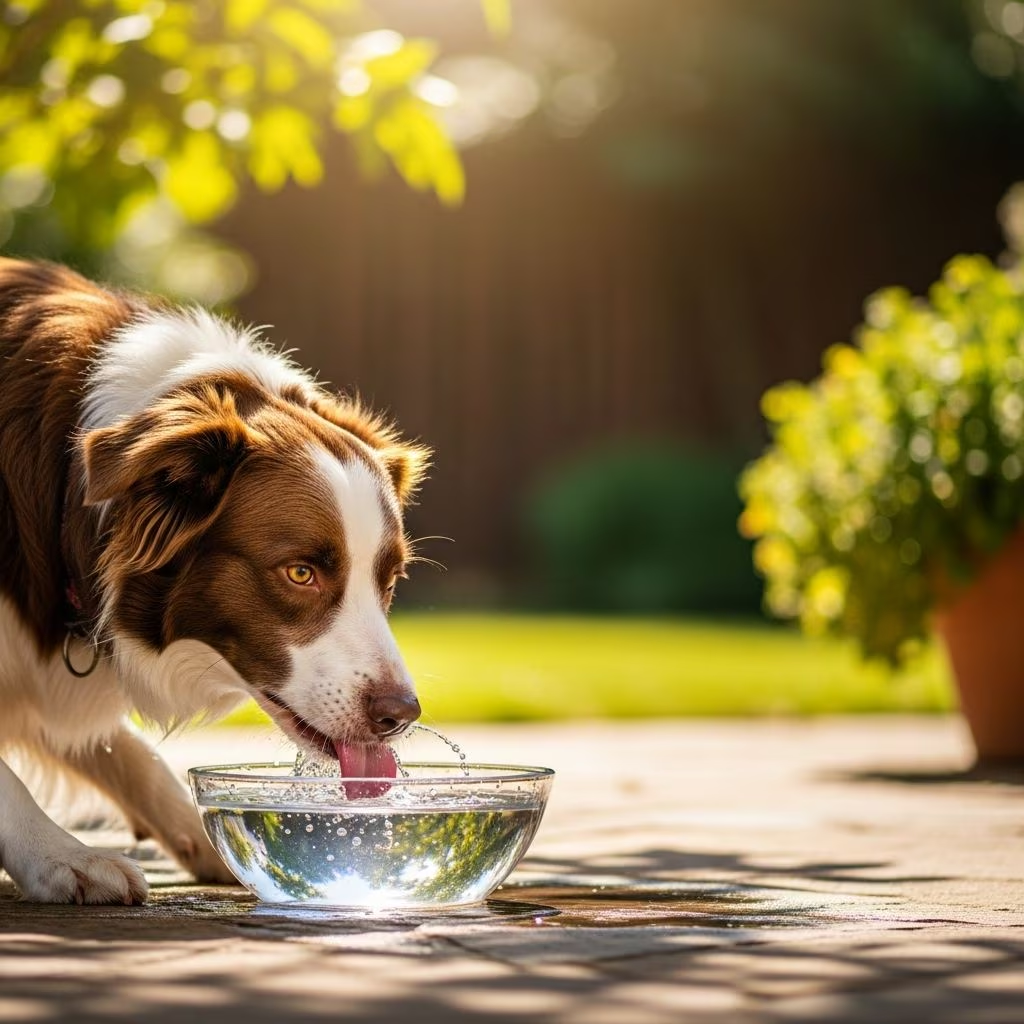
How To Get a Dog To Drink Water: A Complete Guide to Canine Hydration
Water is essential for your dog’s survival and overall health. Beyond quenching thirst, water plays a critical role in regulating body temperature, facilitating nutrient absorption, maintaining joint and muscle health, and supporting urinary and digestive function. Yet many dog owners struggle with keeping their furry companions properly hydrated. If you’ve noticed your dog isn’t drinking enough water, it’s time to troubleshoot the reasons why and implement practical solutions to remedy the issue. This comprehensive guide covers everything you need to know about encouraging your dog to drink more water and maintain optimal hydration.
Understanding Your Dog’s Water Requirements
The foundation of promoting healthy drinking habits begins with understanding how much water your dog actually needs. According to veterinary experts, the general guideline is straightforward: a dog needs approximately 1 ounce of water per pound of body weight per day. This means a 5-pound dog should drink about 5 ounces, a 50-pound dog should consume 50 ounces, and a 100-pound dog requires 100 ounces daily.
Factors That Affect Water Consumption
However, this baseline requirement isn’t one-size-fits-all. Several variables influence how much water your individual dog needs:
– Your dog’s activity level and exercise routine- The type of diet they consume (wet versus dry food)- The amount of time spent outdoors- Current weather conditions and temperature- Age and overall health status- Any medications they’re taking
For example, a dog that eats wet canned food may require less water than a dog on a dry kibble diet, since canned food contains up to 70 percent water content. Similarly, dogs who spend most of their time indoors in cool conditions naturally need less water than active dogs exercising in hot weather. In fact, water consumption can triple during hot weather due to panting for temperature regulation, and exercise can increase water needs by three to four times depending on intensity and duration.
Monitoring Your Dog’s Water Intake
The best way to determine whether your dog is drinking enough is through careful monitoring. Here’s a simple method: measure the water you pour into the bowl each morning (for example, 4 cups), then check how much remains 24 hours later. Subtract the leftovers to calculate the daily intake. Remember to account for any refills throughout the day by measuring each one. Using a marked water bowl makes this tracking process even easier, allowing you to monitor consumption at a glance.
Common Reasons Why Dogs Avoid Water
Understanding why your dog might be reluctant to drink is the first step toward solving the problem. Several factors can discourage water consumption, from environmental issues to underlying health concerns.
Stale or Unappetizing Water
One of the most common culprits is simply dirty, stale water. Dogs are remarkably perceptive and can detect unpleasant odors or tastes in their water bowls. When water sits in a bowl too long or becomes contaminated with food particles, dirt, or bacteria, your pup may refuse to drink. Additionally, water that tastes different—such as chlorinated tap water in unfamiliar locations—can discourage consumption. Even subtle changes in water taste or quality can make dogs reluctant to hydrate.
Dental Problems and Mouth Injuries
Pain or discomfort in the mouth can significantly reduce drinking behavior. Dental issues, tooth infections, or injuries to the mouth and jaw can make the act of drinking painful for your dog. Similarly, dogs with mobility problems may struggle to reach their water bowl if it’s positioned far from where they typically rest. When accessing water requires uncomfortable movement, many dogs simply choose to endure thirst rather than exert effort.
Diet-Related Factors
The type of food your dog eats directly impacts their thirst levels. Dogs consuming a diet of wet canned food may not feel as thirsty as those on dry kibble diets since they’re already receiving significant moisture through their meals. Switching from dry food to wet food can cause a noticeable change in drinking behavior from the start. This is completely normal and typically not a cause for concern.
Underlying Health Issues
Changes in water consumption patterns can indicate underlying health problems that require veterinary attention. Conditions ranging from kidney disease to diabetes can affect thirst and drinking behavior. Any significant change in your dog’s water intake warrants a conversation with your veterinarian to rule out medical concerns.
Effective Strategies to Increase Your Dog’s Water Intake
Now that you understand your dog’s water needs and common reasons for water avoidance, here are practical, proven methods to encourage better hydration.
Keep Their Water Fresh and Tasty
The simplest solution is often the most effective. Ensure your dog always has access to fresh, clean water. Replace water at least daily—ideally multiple times per day if your dog drinks frequently. During hot weather, make water more appealing by adding ice cubes, which not only keep the water cool but also create a refreshing, enticing treat. Some dogs find cold water particularly appealing, especially during warmer months.
If you’re traveling to locations with different water, your dog might be particular about the taste. Bringing store-bought bottled water from home can help your dog maintain consistent hydration while traveling, preventing changes in water taste from discouraging drinking.
Choose the Right Water Bowl
Sometimes something as simple as changing the water bowl can spark renewed interest in drinking. Different bowls offer various advantages. Stainless steel bowls are particularly recommended because they’re easy to sanitize in the dishwasher and resist odor retention that can occur with plastic bowls. Ceramic bowls offer a clean, aesthetic option, while elevated bowls can be beneficial for dogs with joint issues or mobility concerns.
Regardless of the bowl type you choose, maintain a rigorous cleaning routine. Wash the water bowl daily to prevent the buildup of dirt, debris, bacterial slime, and food residue. Even invisible biofilm that develops on bowl surfaces can affect water taste and discourage drinking.
Incorporate Wet Food Into Their Diet
One of the most effective ways to boost your dog’s overall water intake is to incorporate wet canned food into their regular diet. Canned food naturally contains significantly more water than dry kibble, which naturally increases water consumption as your dog eats. Your dog receives hydration both from the food itself and from increased thirst prompted by the meal.
Alternatively, consider adding bone broth to your dog’s diet. You can serve bone broth as a standalone treat throughout the day or drizzle it over dry kibble as a flavorful topper. Bone broth provides hydration while adding appealing flavor and potential joint health benefits. However, be mindful of caloric intake when adding these extras, as wet food and broths can sometimes be higher in calories than dry kibble alone.
Consider Interactive Water Fountains
Many dogs find moving water more appealing than still water in a bowl. Water fountains create flowing water that catches canine attention and encourages drinking through the novelty and motion. The circulating water also tends to stay fresher longer and the filtration systems in many fountains help keep the water cleaner. Some dogs that were previously reluctant drinkers will enthusiastically increase their water intake when presented with an interactive fountain.
Monitor Water Bowl Placement
Consider where you place your dog’s water bowl. Position it in easily accessible locations, away from food bowls and litter areas. Some dogs prefer drinking water away from where they eat. Experiment with different locations to see if your dog drinks more when the water bowl is placed in a more appealing spot. For multi-story homes, consider placing additional water bowls on different levels to reduce barriers to drinking.
Maintain Proper Water Temperature
Dogs, like humans, have preferences for water temperature. While most dogs tolerate room temperature water, many prefer it cool or cold. On hot days, keeping water chilled with ice cubes can make a noticeable difference in consumption. In winter, some dogs may actually prefer slightly warmer water, though this is less common.
When to Seek Veterinary Advice
While most cases of reduced water intake can be addressed through the strategies above, certain situations warrant professional veterinary evaluation. If you notice any of the following, contact your veterinarian:
– Sudden, significant changes in water consumption patterns- Persistent refusal to drink despite implementing multiple strategies- Changes in water intake accompanied by other symptoms like lethargy, vomiting, or changes in urination- Difficulty drinking due to mouth or jaw pain- Excessive thirst combined with other concerning symptoms
Your veterinarian can rule out underlying health conditions and provide personalized recommendations based on your individual dog’s needs and medical history.
Special Considerations for Different Life Stages
Water needs vary based on your dog’s life stage. Puppies, senior dogs, nursing mothers, and highly active dogs all have different hydration requirements. Active and athletic dogs require more water than sedentary dogs, especially during exercise or hot weather. Nursing mothers require extra fluids to support milk production. Senior dogs may need additional encouragement and easily accessible water sources. By understanding your dog’s specific life stage and needs, you can tailor your hydration strategies accordingly.
Frequently Asked Questions About Dog Hydration
Q: How can I tell if my dog is dehydrated?
A: Signs of dehydration include lethargy, dry gums, loss of skin elasticity, and reduced urination. Thirst is one of the first warning signs. If you suspect dehydration, consult your veterinarian immediately.
Q: Is it safe for my dog to drink water from puddles or outdoor sources?
A: No, puddles and standing water can harbor bacteria, parasites, and other contaminants that pose serious health risks. Always provide fresh, clean water from reliable sources. Never allow your dog to drink saltwater from beaches, as it can cause vomiting and act as a laxative.
Q: Should I change my dog’s water bowl material?
A: Yes, if your dog shows reluctance to drink, try switching to stainless steel, ceramic, or elevated bowls. Some dogs have preferences for specific materials. Stainless steel bowls are recommended because they’re easy to clean and resist odor retention.
Q: How much more water will my dog drink if I switch to wet food?
A: Dogs eating wet canned food typically drink considerably less water directly from their bowl since canned food contains up to 70 percent water. However, their total water intake through diet and drinking combined remains adequate for hydration.
Q: What should I do if my dog drinks excessive amounts of water?
A: Excessive thirst can indicate underlying health issues such as diabetes, kidney disease, or urinary tract infections. Consult your veterinarian if you notice a sudden increase in water consumption without an obvious environmental cause.
Q: Is filtered water better for dogs than tap water?
A: Most tap water is safe for dogs in most areas. However, if you have concerns about water quality or your dog seems sensitive to local tap water, filtered or bottled water may be helpful alternatives.
Conclusion
Ensuring your dog stays properly hydrated is one of the most important aspects of responsible pet ownership. By understanding your dog’s individual water needs, identifying reasons for reduced intake, and implementing practical strategies like keeping water fresh, choosing appropriate bowls, and incorporating moisture-rich foods, you can significantly improve your dog’s hydration. Remember to monitor your dog’s water consumption regularly and maintain open communication with your veterinarian about any changes in drinking behavior. With these proven methods, your furry companion will be happily quenching their thirst and maintaining optimal health for years to come.
References
- How Much Water Should My Dog Be Drinking? — Chewy Education. 2024. https://www.chewy.com/education/dog/health-and-wellness/how-to-get-a-dog-to-drink-water
- A Scientific Look at How Dogs Drink Water — Chewy Education. 2024. https://www.chewy.com/education/dog/general/behavior-pet-facts-a-scientific-look-at-how-dogs-drink-water
- Why Is My Dog Drinking a Lot of Water? Is This Normal? — Chewy Education. 2024. https://www.chewy.com/education/dog/training-and-behavior/why-is-my-dog-drinking-a-lot-of-water
- Rainy Day Hazards: Dog Puddle Safety Tips — Chewy Education. 2024. https://www.chewy.com/education/dog/general/3-reasons-why-puddles-are-dangerous-for-your-dog
- Why Is My Dog Drinking a Lot of Water? — PetMD. 2024. https://www.petmd.com/dog/symptoms/why-is-my-dog-drinking-a-lot-of-water



