

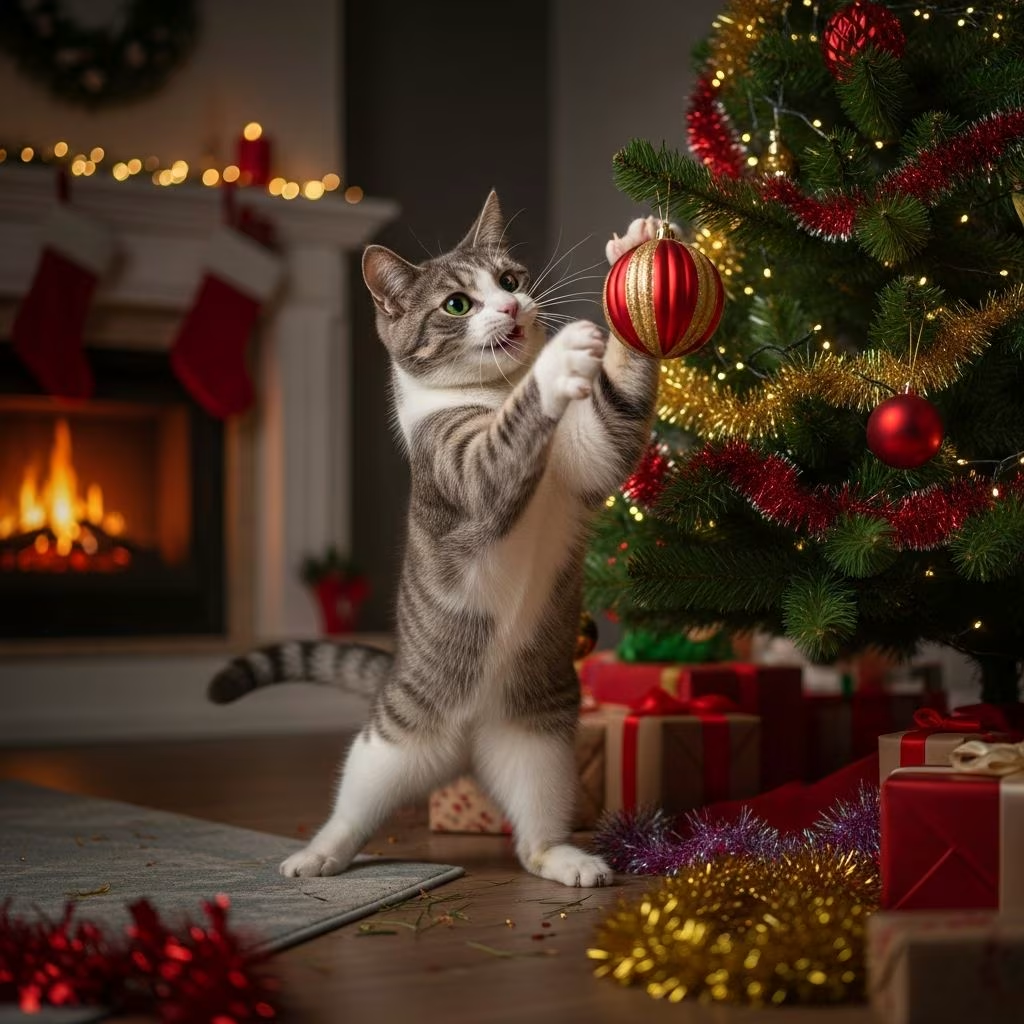
How to Get Cats to Leave the Christmas Tree Alone: 12 Vet-Approved Tips
December is a magical time of year, filled with holiday cheer, festive decorations, and the joy of putting up a beautiful Christmas tree in your home. However, if you’re a cat owner, you know that this season can also present unique challenges. While we humans find Christmas trees enchanting and decorative, our feline companions see them as an irresistible playground. Cats are naturally inquisitive and curious creatures, and a Christmas tree full of shiny, dangly ornaments is exceptionally tempting for most felines. The twinkling lights, swaying branches, and enticing decorations can pose serious hazards to your beloved pet. From broken glass ornaments to electrical cords, Christmas trees can be dangerous for cats if proper precautions aren’t taken. But don’t worry—with the right strategies and preventive measures, you can successfully discourage your cat from bothering the Christmas tree while keeping them safe and happy during the holiday season.
Why Cats Are Drawn to Christmas Trees
Before we dive into solutions, it’s important to understand why cats are so attracted to Christmas trees in the first place. Cats are attracted to Christmas trees for several instinctive reasons. The outdoor smells emanating from a real Christmas tree stimulate their senses and curiosity. Christmas trees also provide height advantage—cats naturally seek elevated positions to get a bird’s-eye view of their surroundings, which gives them a hunting advantage. Additionally, a full and lush tree offers an ideal hiding place where cats can ambush prey or retreat for security. The shiny ornaments, flashing lights, and moving branches trigger the prey drive in cats, making the tree an irresistible toy. Understanding these natural instincts can help you implement more effective deterrence strategies.
The 12 Tips for Getting Your Cat to Leave the Christmas Tree Alone
1. Secure the Tree
The first and most critical step is to ensure your Christmas tree is securely anchored in place. A sturdy tree stand is essential, but consider going one step further by attaching the tree to a wall using strong brackets or fishing line. This prevents the tree from toppling over if your cat decides to climb it or jump onto the branches. A falling tree can injure your cat and damage your home, so this is a non-negotiable safety measure.
2. Use a Barrier or Tree Guard
Physical barriers can be highly effective in keeping cats away from your Christmas tree. Set up a decorative gate or fence around the base of the tree to create a boundary that your cat cannot easily cross. This method is particularly useful if you have the space to implement it. The barrier serves as a visual and physical reminder that the tree is off-limits.
3. Place the Tree in a Restricted Area
If possible, position your Christmas tree in a room or area that can be closed off when you’re not home to supervise. This might be a living room with a door, a bedroom, or a finished basement. Keeping your cat away from the tree when you can’t watch them prevents accidents and reduces temptation. This is one of the most effective strategies for preventing tree-related incidents.
4. Remove Furniture Launch Pads
Cats can jump up to 6 feet high, and they often use nearby furniture as launching pads to reach the tree. Move bookshelves, chairs, tables, and other furniture away from the tree to eliminate easy access points. The more difficult you make it for your cat to reach the tree, the less likely they are to attempt climbing.
5. Provide a Distraction With a Cat Tree
One of the most effective ways to redirect your cat’s attention is to provide an attractive alternative. Place a cat tree or scratching post near the Christmas tree, and sprinkle it with catnip and hang enticing toys from it. This gives your cat an approved climbing structure and scratching surface that satisfies their natural instincts. Position it strategically so your cat has a choice between the Christmas tree and their own dedicated play structure.
6. Give Your Cat Time to Adjust
Consider setting up your undecorated tree a few days before adding lights and ornaments. This allows your cat time to explore and satisfy their curiosity with a bare tree, which may reduce their interest once the decorations are added. Some cats will lose interest after the initial investigation, making them less likely to bother the decorated tree.
7. Place Ornaments Strategically
Reserve the lowest branches for sturdy, unbreakable ornaments and place delicate, breakable decorations on the highest branches where your cat cannot reach them. This reduces the temptation for your cat to bat at dangling objects and minimizes the damage if they do manage to knock something off.
8. Avoid Hazardous Decorations
Skip tinsel, garland, and string lights at lower levels of the tree where cats can easily access them. These items can be dangerous if ingested, causing intestinal blockages or other serious health issues. Stick to cat-safe decorations that won’t cause harm if your feline friend manages to chew on them.
9. Stay Away From Candles
Candles and cats are a dangerous combination that should be avoided entirely during the holiday season. Cats can burn their whiskers, paws, and face when investigating flickering flames, and they can easily knock over candles, creating a fire hazard. Opt for flameless LED candles instead if you want the ambiance without the risk.
10. Unplug the Tree When Unsupervised
Always disconnect your Christmas tree lights when you cannot supervise your cat. This eliminates the risk of electrical shock if your cat chews on cords or gets tangled in the wiring. Make it a habit to unplug the tree before leaving the house or going to bed.
11. Provide a Safe Retreat Space
Cats can become stressed and overwhelmed by the hustle and bustle of holiday activities, parties, and visitors. Create a designated safe space for your cat with their bed, toys, food, water, and litter box in a quiet room away from the chaos. This gives your cat a place to escape and relax when they need a break from the festivities, reducing stress-related destructive behavior.
12. Use Deterrent Sprays
Consider applying pet-safe deterrent sprays around the base of the tree and on the branches. These sprays typically have scents that cats find unpleasant, such as citrus or capsaicin, discouraging them from approaching or climbing the tree. Reapply the spray regularly, especially after watering the tree or after rain if the tree is outdoors.
Safety Considerations and Hazards
Christmas trees present several specific hazards to cats that you should be aware of. Live needles from real trees can be sharp and irritating to your cat’s mouth and digestive system if ingested. Tree water often contains fertilizers and pesticides that can cause gastrointestinal upset if your cat drinks from the tree stand. Ornaments, especially glass ones, can break and create sharp fragments that cut your cat’s paws or mouth. Electrical cords and lights pose electrocution risks if cats chew on them. Tinsel and string decorations can cause intestinal blockages if swallowed. Taking these hazards seriously and implementing preventive measures will help keep your cat safe throughout the holiday season.
Quick Reference Table: Christmas Tree Safety Tips
| Safety Strategy | Effectiveness | Difficulty Level | Cost |
|---|---|---|---|
| Secure tree to wall | Very High | Low | Low |
| Use barrier or gate | High | Low | Medium |
| Restrict room access | Very High | Low | None |
| Remove furniture launch pads | High | Medium | None |
| Provide alternative cat tree | High | Low | Medium-High |
| Use deterrent sprays | Medium | Low | Low |
Common Mistakes to Avoid
Many cat owners make common mistakes when trying to protect their Christmas trees. Don’t rely solely on punishment or negative reinforcement—cats don’t respond well to scolding after the fact and may become stressed or fearful. Avoid placing the tree near windows where cats can use the sill as a launching pad. Don’t leave fragile ornaments within easy reach, thinking your cat won’t bother them. Don’t forget to secure the tree stand properly, assuming the tree is heavy enough to stay upright on its own. Don’t place the tree in a high-traffic area where it’s impossible to supervise. And don’t neglect to unplug the lights when you’re away—this is one of the most critical safety measures you can take.
Frequently Asked Questions
Q: Are real Christmas trees safer than artificial ones for cats?
A: The answer is both yes and no. Real trees have natural oils that can upset your cat’s stomach if ingested, while artificial trees are typically safer in that regard. However, both types pose similar risks regarding climbing, falling ornaments, and electrical hazards. The safety depends more on how well you secure and supervise the tree rather than whether it’s real or artificial.
Q: What should I do if my cat eats part of the Christmas tree?
A: Monitor your cat closely for signs of distress, including vomiting, diarrhea, lethargy, or loss of appetite. If your cat ingests a large amount of needles or ornament fragments, contact your veterinarian immediately. If your cat drinks from the tree stand water, which may contain fertilizers or pesticides, seek veterinary care right away if they show any signs of illness.
Q: How can I tell if my Christmas tree is toxic to my cat?
A: Most Christmas tree species are not highly toxic to cats, but their oils can cause gastrointestinal upset. The real danger comes from the water additive, fertilizers, and the sharp needles themselves. If you’re concerned about a specific tree species, consult your veterinarian before bringing it into your home.
Q: Can I use essential oils to deter my cat from the tree?
A: While some essential oils can deter cats, many are actually toxic to felines. Avoid using essential oils on or near your Christmas tree. Instead, use commercially available, pet-safe deterrent sprays specifically formulated for use around cats.
Q: What’s the best time of day to have decorations visible to my cat?
A: There’s no specific best time, but many cat owners find that their cats are less interested in the tree during their natural sleep times. Cats tend to be more active during dawn and dusk, so you might consider unplugging and covering the tree during peak activity hours if you’re not home to supervise.
Q: Should I punish my cat for climbing the tree?
A: No, punishment is not effective and can cause stress and behavioral problems. Instead, focus on prevention through environmental changes, providing alternatives, and redirecting their attention. Positive reinforcement works much better than punishment for modifying cat behavior.
Q: Is it possible to train a cat to leave the tree alone?
A: Some cats can be trained through consistent redirection and positive reinforcement, but it’s challenging because the tree is inherently attractive to their natural instincts. The most effective approach combines environmental management (securing the tree, removing launch pads) with behavioral redirection (providing alternatives like a cat tree).
Conclusion
Keeping your cat away from your Christmas tree requires a multi-faceted approach that combines physical security measures, environmental modifications, and behavioral redirection. By implementing these 12 strategies, you can significantly reduce the likelihood of your cat damaging your tree or injuring themselves. Remember that your cat isn’t being naughty—they’re simply following their natural instincts and curiosity. The key is to make the tree less appealing and less accessible while providing attractive alternatives that satisfy their climbing, scratching, and hunting instincts. With planning and preparation, you can enjoy a beautiful, cat-safe Christmas tree that brings joy to your entire family, including your feline friend. The effort you invest in cat-proofing your tree will pay dividends in peace of mind and a safer holiday season for everyone in your home.
References
- Why Do Cats Like Christmas Trees? 7 Vet-Reviewed Reasons — Catster. https://www.catster.com/cat-behavior/why-do-cats-like-christmas-trees/
- Are Fake Christmas Trees Safer Than Real Ones? Vet Advice — Catster. https://www.catster.com/lifestyle/are-fake-christmas-trees-safer-for-cats/
- How to Cat-Proof Your Christmas Tree: 12 Vet-Verified Solutions — Catster. https://www.catster.com/lifestyle/how-to-cat-proof-a-christmas-tree/
- Cats & Christmas Trees: 10 Vet Approved Safety Tips — Catster. https://www.catster.com/lifestyle/cats-and-christmas-trees-safety-tips/
- Do Cats Eat Christmas Trees? Vet-Reviewed Risks & Tips — Catster. https://www.catster.com/nutrition/do-cats-eat-christmas-trees/



