

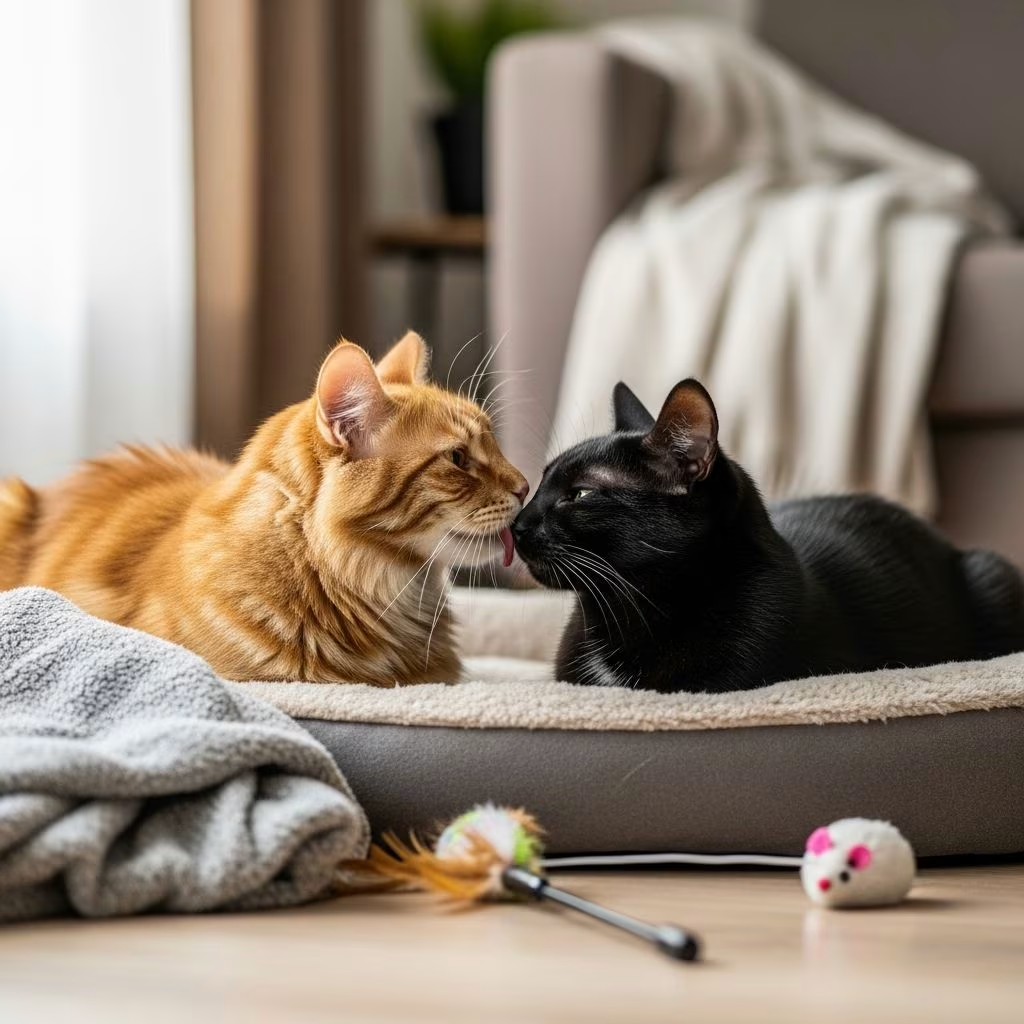
It can be heartbreaking and frustrating when cats in the same household don’t get along, leading to hissing, swatting, or full-blown fights. However, conflicts are common, especially during introductions, and with patience and the right strategies, most cats can learn to coexist peacefully—or even become friends. This comprehensive guide outlines nine practical tips drawn from veterinary behaviorists and feline experts to help your cats build positive associations and reduce tension.
Before diving into the tips, understanding why cats fight is key. Common triggers include territorial disputes, fear of newcomers, competition for resources like food and litter boxes, redirected aggression from external stressors (like seeing outdoor cats), play that escalates into real fights, or intact hormones driving dominance battles. Maternal instincts in unspayed females or intact males vying for mates can also spark aggression. Recognizing these roots allows targeted interventions.
The 9 Tips to Get Your Cats to Get Along
1. Introduce Them Gradually
The foundation of multi-cat harmony is a slow, structured introduction process. Rushing face-to-face meetings often leads to fear-based aggression that lingers. Whether introducing a new cat or reintroducing warring housemates, follow these stages:
- Separate spaces: Confine the newcomer (or aggressor) to a single room with food, water, litter, toys, and bedding for days or weeks. This lets them acclimate to sounds and scents without visual or physical contact.
- Scent swapping: Exchange bedding, toys, or blankets daily. Rub a cloth on one cat’s cheeks (where facial pheromones are) and offer it to the other. Reward calm sniffing with treats to build positive scent associations.
- Doorway interactions: Feed meals or play on opposite sides of a closed door. Gradually crack it open for visual glimpses while distracting with toys or high-value treats like tuna or chicken. Never force proximity if hissing occurs—retreat and try later.
- Supervised meetings: Use baby gates or cracked doors for short, positive sessions. Have a partner engage each cat separately with play or food. Extend time as tolerance grows, always ending on a high note.
- Full access: Once calm, allow unsupervised roam time, monitoring for issues. This process can take weeks to months, but it’s essential for long-term peace.
Experts emphasize positive reinforcement: cats should associate the other with good things, not stress. If setbacks happen, reset to separation.
2. Utilize Rewards and Treats
Positive reinforcement shapes behavior faster than punishment. Whenever cats are near each other without aggression—sniffing calmly, ignoring, or playing loosely—offer high-value rewards like freeze-dried treats, baby food, or their favorite wet food. This creates a Pavlovian link: ‘Other cat = yum!’
Timing is critical: Reward during calm proximity, not after tension. Avoid treats during hisses or swats, as that reinforces negativity. Pair with clicker training if your cats respond well—click for peace, then treat. Consistency over weeks rewires their reactions.
3. Have Separate Resources
Competition fuels 90% of household cat fights. Provide one more of everything than cats (e.g., three litter boxes for two cats), placed in different locations to prevent guarding.
| Resource | Recommendation | Why It Helps |
|---|---|---|
| Litter Boxes | n+1 rule (e.g., 3 for 2 cats), different floors/rooms | Eliminates avoidance of shared, dirty boxes; reduces spraying |
| Food/Water Bowls | Separate stations, auto-feeders if needed | Prevents mealtime guarding |
| Beds/Perches | Multiple cat trees, window seats, shelves | Allows vertical territory; escape spots for stress |
| Toys/Scratching Posts | Variety in multiple areas | Reduces boredom-fueled redirects |
Treat all cats equally—no favoritism toward the newbie, as jealousy breeds resentment. Ensure ample vertical space (shelves, towers) for perching, as cats feel safer elevated.
4. Stop Them From Fighting
Never allow fights to escalate—injuries like abscesses from bites are common and costly. Intervene early with non-physical distractions:
- Loud clap, hiss, or shake a can of coins to startle without fear.
- Toss a soft toy or ping-pong ball away to redirect attention.
- Use a barrier like cardboard to block line-of-sight.
- Never grab or yell; it risks redirected scratches.
Separate immediately into cool-off rooms. Resume positives later. Persistent fights warrant vet checks for pain triggering aggression.
5. Give Them Their Space
Cats are solitary by nature; forcing constant togetherness stresses them. Provide quiet retreats—boxes, closet shelves, or separate rooms—for alone time. Watch body language: ears back, tail thrashing signal ‘back off.’ Respect boundaries to prevent defensive attacks.
6. Consider Spaying and Neutering
Intact cats fight viciously over territory, mates, or status. Neutering males slashes aggression by 90%, curbing urine marking and roaming urges. Spaying females ends heat cycles that provoke males. If not done, prioritize it post-vet clearance—effects show in weeks.
7. Use Pheromone Products
Synthetic pheromones like Feliway MultiCat (formerly Friends) mimic facial marking scents, signaling safety. Plug in diffusers in shared areas during intros. A 2019 study found they cut stress behaviors by 70% in multi-cat homes, with zero side effects. Combine with other tips for best results.
8. Be Patient
Friendships may bloom in days for some, but weeks to months (or never full BFFs) for others. Rushing or punishing worsens fear. Track progress in a journal; celebrate small wins like side-by-side grooming. Patience yields tolerant coexistence.
9. Seek Professional Help if Needed
If fights persist after 2-3 months, consult a veterinary behaviorist. Rule out medical issues (thyroid, pain), then use meds like fluoxetine for severe cases alongside behavior plans. Certified trainers offer tailored protocols.
How Long Does It Take for Cats to Get Along?
Timelines vary: tolerant tolerance in 2-4 weeks with perfect intros; full playmates in 3-6 months. Factors like age (kittens adapt faster), personality (bold vs. shy), and history matter. Some cats coexist neutrally forever—that’s success. Monitor for progress; regress? Restart basics.
Frequently Asked Questions (FAQs)
What if my cats fight after months of living together?
Sudden aggression often stems from stress, illness, or territory shifts. Reintroduce gradually, check vet for pain, add resources, and use pheromones.
Can adult cats ever become friends?
Yes, many do with time and positives. Young adults bond quickest, but seniors can too if personalities mesh.
Is it okay if cats never play together?
Absolutely—peaceful ignoring is ideal for territorial cats. Force nothing.
What breeds fight most?
No breed-specific; it’s individual temperament and history.
Final Thoughts
Helping cats get along requires consistency, positivity, and understanding their instincts. Implement these tips holistically for the best shot at harmony. Your patience will reward you with a purr-fect multi-cat home.
References
- How to Get Cats to Get Along: 9 Tips & Tricks — Catster. 2023. https://www.catster.com/cat-behavior/how-to-get-cats-to-get-along/
- Why Cats Start Fighting: How to Get Cats to Like Each Other Again — Preventive Vet. 2024. https://www.preventivevet.com/cats/get-cats-to-like-each-other
- Helping Multiple Cats Get Along — Wadsworth Animal Hospital. 2025-05-01. https://wadsworthanimalhospital.com/2025/05/01/helping-multiple-cats-get-along/



