

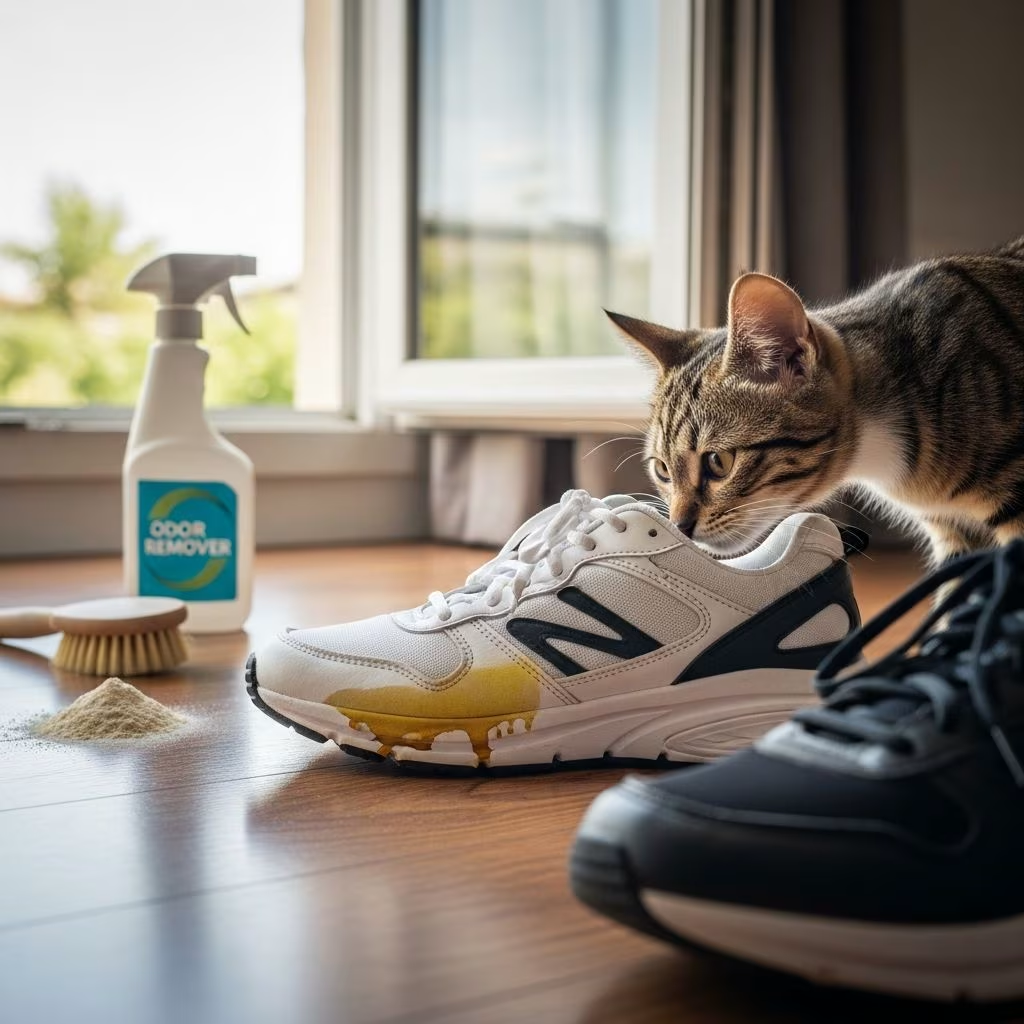
Cat urine accidents happen, especially in multi-pet households or during stressful times for your feline friend. The strong ammonia-like odor and potential stains can ruin your favorite shoes, but with the right approach, you can restore them effectively. Cat urine contains uric acid crystals that cause persistent smells if not fully neutralized, making standard cleaning insufficient. This guide covers comprehensive methods for different shoe materials, from leather boots to fabric sneakers, drawing on proven techniques to eliminate both stains and odors.
Why Cat Urine Is So Hard to Remove from Shoes
Cat urine is notoriously difficult to clean due to its composition: it’s about 96% water, but the remaining 4% includes urea, creatinine, and uric acid. Uric acid forms crystals that bind to surfaces and release odors when wet again, even after initial cleaning. Shoes, with their porous materials like leather, suede, canvas, or mesh, absorb these compounds deeply, allowing smells to linger. Leather boots, for instance, have natural pores that trap urine, while fabric shoes wick it into fibers. Prompt action is key—blot excess liquid immediately to prevent spreading.
General Preparation Steps Before Cleaning
Before diving into specific methods, prepare your shoes properly:
- Blot excess urine: Use paper towels or an absorbent cloth to dab (don’t rub) fresh urine. Press firmly to soak up as much as possible without spreading.
- Work in a ventilated area: Open windows or use a fan to avoid inhaling fumes and speed drying.
- Test cleaners: Always spot-test on an inconspicuous area to check for discoloration.
- Remove insoles and laces: Clean these separately if possible for thorough results.
These steps minimize damage and maximize cleaning efficacy across all methods.
Method 1: Commercial Enzyme Cleaners
Enzyme-based cleaners are the gold standard for cat urine because they contain natural enzymes (like proteases and ureases) that break down uric acid crystals at a molecular level, neutralizing odors permanently. Products formulated for pet urine, especially those safe for leather or fabric, are widely available.
Step-by-Step Instructions
- Blot excess urine with paper towels.
- Spray enzyme cleaner generously over the stain, extending slightly beyond visible marks. Let it sit 15-20 minutes (or per label instructions) to penetrate.
- Wipe with a damp cloth in circular motions to work it in.
- Air dry completely, preferably overnight in a well-ventilated spot.
- For leather: Follow with saddle soap on a damp cloth, dry again, then condition with olive oil (2-3 drops on a cloth) to restore moisture.
Pros: Highly effective, pet-safe, no harsh chemicals. Cons: May require multiple applications for old stains. Ideal for all shoe types.
Method 2: DIY All-Natural Cleaner (Vinegar & Baking Soda)
For an affordable, eco-friendly option, combine white vinegar (acidic to dissolve uric acid), baking soda (odor absorber), and water. This fizzing reaction lifts stains and neutralizes smells without enzymes.
Materials Needed
- White vinegar
- Baking soda
- Water
- Spray bottle
- Absorbent cloths or towels
- Optional: Lemon juice for extra stain-fighting power
Step-by-Step Instructions
- Mix 1 part vinegar, 1 part water, and 1 tsp baking soda in a spray bottle. Shake vigorously.
- Blot excess urine first.
- Mist lightly on the area—avoid soaking.
- Let sit 15 minutes as it fizzes.
- Blot with a damp cloth, then wipe with fresh water.
- Air dry fully. Repeat if odor persists. Add lemon juice for tougher stains.
This method works well on fabric and leather but test on suede. The vinegar smell dissipates as it dries.
Method 3: Baking Soda Alone for Odor Absorption
Baking soda (sodium bicarbonate) is a powerhouse deodorizer that absorbs moisture and neutralizes acids. It’s gentle and perfect for insoles or after initial cleaning.
Instructions
- Place shoes on newspaper or paper towels.
- Liberally sprinkle baking soda inside, outside, and soles.
- Let sit 2-24 hours (overnight best).
- Vacuum or brush off powder. Sniff test; repeat if needed.
Great for maintenance or mild odors. Combine with vacuuming for deep clean.
Method 4: Vinegar Solution for Lingering Smells
Pure vinegar excels at breaking down urine residues. Mix 1 part white vinegar with 2 parts warm, soapy water for a gentle scrub.
Instructions
- Mix solution; add essential oils if desired for scent.
- Apply with a cloth, rubbing into affected areas.
- Wipe with damp cloth.
- Dry in sunlight or ventilated area—UV helps kill bacteria.
Effective for leather; sunlight bonus deodorizes naturally.
Special Considerations for Different Shoe Materials
| Material | Best Methods | Tips & Warnings |
|---|---|---|
| Leather Boots | Enzyme + Saddle Soap, Vinegar, Baking Soda | Condition after cleaning; avoid over-wetting to prevent cracking. |
| Fabric/Sneakers | Enzyme, DIY Vinegar Mix, Baking Soda | Machine-washable? Remove insoles first. Use fan for drying. |
| Suede | Baking Soda, Light Vinegar Mist | Brush gently; avoid soaking. Professional clean if severe. |
| Canvas | All methods | Scrub with brush; sun-dry for best results. |
Adapt based on material to avoid damage.
Advanced Tips & Troubleshooting
- For stubborn odors: Seal shoes in a bag with apple slices for 2-3 days—enzymes in apples absorb smells.
- Saddle soap cycle: For leather, repeat soap, dry, baking soda as in video demos.
- Prevention: Use enzymatic sprays routinely on pet areas. Enzymatic laundry for insoles.
- If all fails: Professional cleaning or discard if structural damage.
Address why your cat is peeing outside the box: stress, UTI, or litter issues. Consult a vet.
Prevention Strategies to Avoid Future Accidents
Prevent recurrence:
- Clean litter box daily.
- Provide multiple boxes in multi-cat homes.
- Use pheromone diffusers for stress.
- Store shoes inaccessible to cats.
- Spray deterrents like citrus on shoes.
Consistency keeps your home and shoes fresh.
Frequently Asked Questions (FAQs)
Can I machine wash shoes after urine exposure?
Yes for fabric/canvas; remove insoles/laces, use cold water with enzyme detergent. Air dry. No for leather.
How long does cat urine smell linger if untreated?
Indefinitely—uric acid crystals reactivate with moisture.
Is hydrogen peroxide safe for shoes?
Okay for light fabrics in mixes, but test; avoid leather as it bleaches.
What if the stain is old and set-in?
Multiple enzyme applications + baking soda. Sun exposure helps.
Will vinegar damage leather?
Diluted, no—but condition after.
References
- How to Get Cat Urine Out of Leather Boots: 4 Methods & Instructions — Catster. 2023. https://www.catster.com/lifestyle/how-to-get-cat-urine-out-of-leather-boots/
- How to Clean Cat Pee from a Leather Boot — YouTube. 2023. https://www.youtube.com/watch?v=eOCvdu1-dIY
- DIY Cat Stain & Odor Remover That Actually Works — Hill’s Pet Nutrition. 2024. https://www.hillspet.com/cat-care/routine-care/diy-cat-stain-odor-remover
- How do you get cat pee smell out of leather boots? — Straight Dope Message Board. 2005. https://boards.straightdope.com/t/how-do-you-get-cat-pee-smell-out-of-leather-boots/271564/18
- How to Remove Odor from Shoes — Nike. 2024. https://www.nike.com/a/how-to-remove-shoe-smell



