

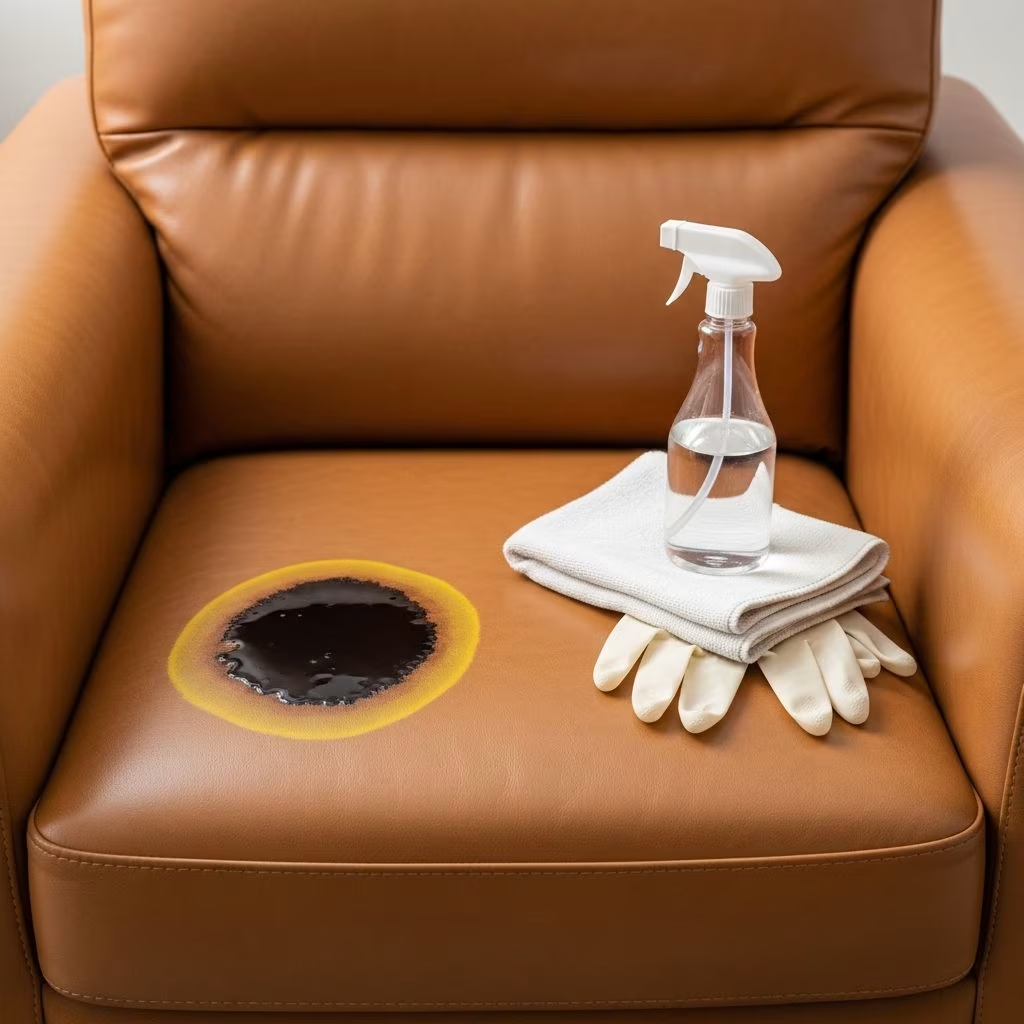
Cat urine accidents on leather furniture can be distressing due to the strong, lingering odor and potential stains. Leather couches, chairs, and ottomans are common targets for feline mishaps, but with the right approach, you can restore them effectively without damage. This guide outlines **six straightforward steps** using household items and pet-safe cleaners to neutralize uric acid crystals—the root cause of persistent smells—and remove visible marks. Acting quickly prevents deep penetration into porous leather or underlying foam.
Supplies Needed
Gather these essentials before starting to ensure a smooth cleaning process. Most are inexpensive and readily available.
- Cleaning cloths or microfiber towels for blotting and wiping
- Gloves to protect your hands from chemicals
- Spray bottle for applying solutions evenly
- Enzyme cleaner (leather-safe, like Hepper Advanced Bio-Enzyme)
- Plastic container for mixing homemade solutions
- Hydrogen peroxide (3% solution)
- Liquid dish soap (gentle, non-moisturizing)
- Baking soda for fizzing reaction and absorption
- Leather conditioner, olive oil, or coconut oil for restoration
- Vinegar (white, optional for neutralization)
- Activated charcoal (optional for odor absorption)
Our Favorite Enzyme Cleaner: The Hepper Advanced Bio-Enzyme Pet Stain & Odor Eliminator Spray excels at breaking down urine proteins on leather surfaces. It penetrates deeply without harsh chemicals, leaving no residue.
The 6 Steps to Remove Cat Urine Smells & Stains from Leather
Follow these steps in order for fresh or dried urine. For old stains, use a blacklight to locate invisible spots, as UV rays reveal urine proteins on dark leather. Test all cleaners on a hidden area first to avoid discoloration.
1. Blot Any Pooled Urine
Speed is crucial for fresh accidents. Use a clean cloth or paper towel to gently blot excess urine without rubbing, which spreads it deeper. For couches, remove cushions and set aside unstained ones. Pat dry thoroughly to assess the damage. This prevents moisture from wicking into seams or padding. Avoid soaking the area initially, as leather hates excess water.
2. Enzyme or Homemade Cleaner
Enzyme cleaners digest uric acid, outperforming vinegar or soap alone. Opt for pet-specific formulas safe for leather. If unavailable, make a homemade mix: In a plastic container, combine 4 cups hydrogen peroxide, 1 tablespoon liquid dish soap, and 1/4 cup baking soda. Stir gently—it fizzes from oxygen release, enhancing penetration. Do not overmix to preserve bubbles.
Commercial enzymes like Bio One™ work similarly: Spray on dampened stains, wait 5-10 minutes, then wipe.
3. Mist The Stained Area
Transfer the solution to a spray bottle and generously mist the stain, covering beyond visible edges. Saturate but avoid puddling. For boots or small items, apply directly with a cloth. This allows enzymes or fizz to break down proteins.
4. Soak Up Cleaner
Let the solution sit 10-15 minutes (or per product instructions). Blot excess with a clean cloth, then air-dry completely—overnight minimum. Use fans to speed drying. Many stains lift here; skip ahead if odor-free. If urine soaked foam, professional treatment may be needed.
5. Neutralize Any Leftover Scents with Vinegar or Charcoal
Persistent smells? Spray a 50/50 white vinegar-water mix and dry. Vinegar neutralizes odors but use sparingly—it’s acidic and can dry leather. Alternatively, place activated charcoal in a bowl nearby overnight to absorb volatiles. Baking soda sprinkled post-cleaning works for light odors but avoid heavy use to prevent residue.
6. Recondition Leather
After 24-48 hours (ensuring full dryness), apply leather conditioner. Rub in commercial product, olive oil, or coconut oil with a cloth until absorbed. This restores moisture, preventing cracks. Work in circular motions for even coverage.
Know When to Use an Enzyme Cleaner
**Enzyme cleaners** are ideal for cat urine because they target proteins and uric acid crystals that cause odors, unlike soaps that mask them temporarily. They’re essential for set-in stains on leather couches or car seats.
- Pros: Permanent breakdown of organic matter; safe scents; versatile on multiple surfaces.
- Cons: Some formulas dry out leather—always patch-test.
Choose products like Hepper or Leather Honey Cleaner, avoiding general pet sprays. For dried urine, reapply after blacklight detection. Baking soda or bleach are riskier; they may alter pH or leave films.
Why Cat Urine is Hard to Remove from Leather
Cat urine contains concentrated uric acid, which crystallizes upon drying, embedding in porous leather and foam. Standard cleaners fail against these crystals, leading to recurring smells when wet. Leather’s sensitivity to moisture and chemicals complicates treatment—over-wetting causes water stains.
| Method | Best For | Pros | Cons |
|---|---|---|---|
| Enzyme Cleaner | Old/Fresh Urine | Breaks down crystals; odor-free result | May need leather-safe version |
| Hydrogen Peroxide Mix | Fresh Stains | Cheap, fizzing action | Fumes; test for bleaching |
| Vinegar Solution | Odor Neutralizing | Natural, accessible | Acidic; dries leather |
| Baking Soda | Light Absorption | Deodorizes dry areas | Can residue; avoid heavy use |
Prevention Tips for Cat Urine on Leather
Address root causes: stress, litter issues, or medical problems prompt spraying. Provide ample clean litter boxes, reduce household changes, and use pheromone diffusers. Cover leather with throws or train cats away from furniture. Regular conditioning repels stains.
Frequently Asked Questions (FAQs)
What removes cat urine smell from leather best?
Enzyme cleaners are most effective, digesting uric acid. Follow with vinegar for odors and conditioner.
Can baking soda ruin leather?
Yes, over time it dries and residues leather. Use sparingly as a last resort.
How to find dried cat urine on leather?
Use a blacklight—urine glows under UV.
Is hydrogen peroxide safe for leather?
In diluted mixes, yes for stains, but test; it can bleach.
What if urine soaked into couch foam?
Treat surface, then seek pros for padding replacement.
Does vinegar damage leather?
Diluted, occasionally—full strength dries it out.
These steps restore most leather items. For antiques or severe damage, consult professionals.
References
- How to Get Cat Urine Smell & Stains Out of Leather — Catster. 2023. https://www.catster.com/lifestyle/how-to-get-cat-urine-smell-stains-out-of-leather/
- Remove cat urine smell from leather couch — Aroma Care Solutions. 2023. https://aromacaresolutions.co.uk/how-to-remove-cat-urine-smell-from-leather/
- Prevent & Clean Pet Stains on Leather — Leather Honey. 2023. https://www.leatherhoney.com/blogs/leather-care/preventing-cleaning-pet-stains-leather
- How to Get Urine & Pet Stains Out of Leather Upholstery — Rub n Restore. 2023. https://rubnrestore.com/how-to/urine-vomit-pet-stains-leather/
- How to Clean Cat Pee from a Leather Boot — YouTube. 2016-09-20. https://www.youtube.com/watch?v=eOCvdu1-dIY



