

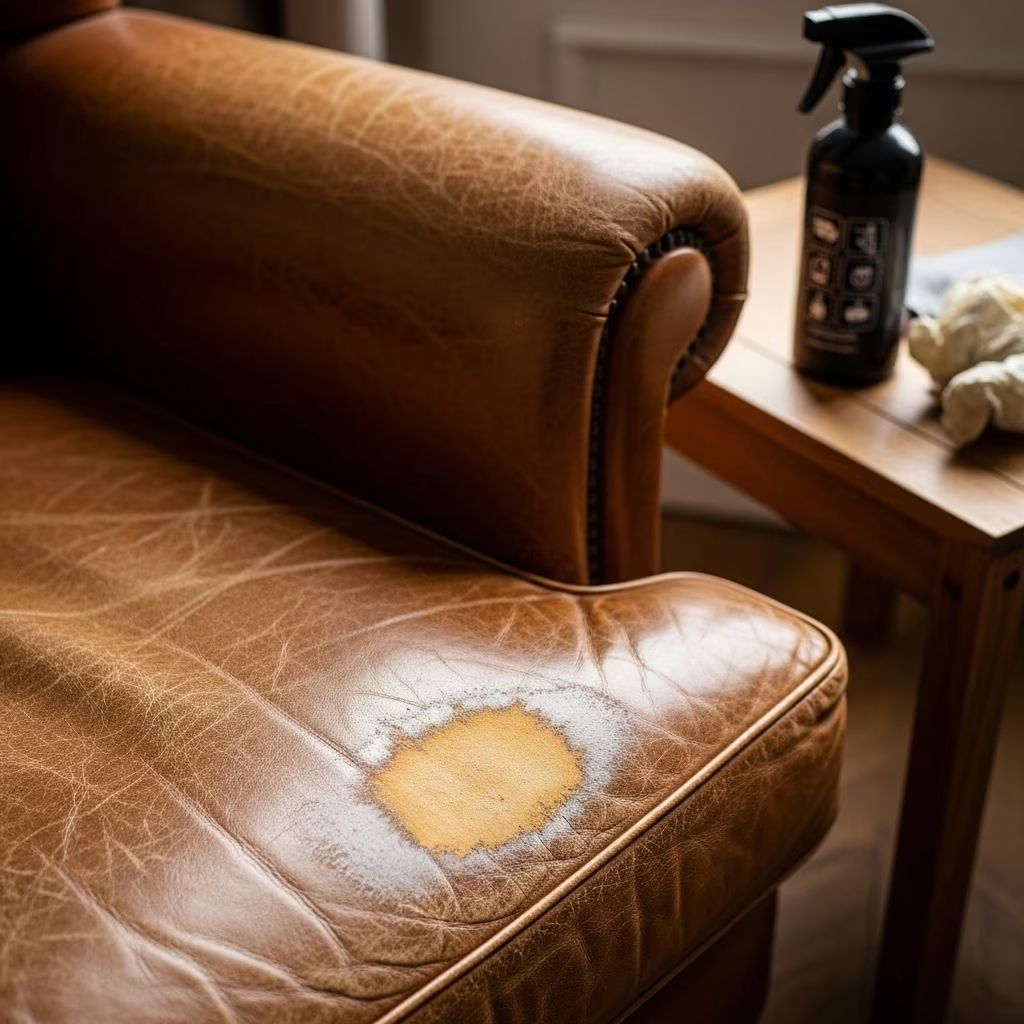
Cat urine accidents on leather furniture can be a nightmare due to its pungent odor and potential for deep penetration. Leather couches, chairs, and ottomans are common targets for territorial marking or stress-related spraying. The good news is that with the right approach, you can eliminate both stains and smells without damaging the material. This comprehensive guide outlines **6 simple steps** to restore your leather to its former glory, using safe, effective methods backed by pet care experts.
Understanding cat urine is key: it contains uric acid crystals that cause persistent odors if not fully broken down. Regular cleaners often fail because they mask rather than eliminate these compounds. Enzyme-based solutions target the proteins directly, while gentle blotting prevents the urine from setting deeper into the leather pores.
Supplies Needed
Gather these essentials before starting to ensure a smooth cleaning process:
- Cleaning cloths or paper towels for blotting and wiping
- Gloves to protect your hands from chemicals
- Spray bottle for applying solutions evenly
- Enzyme cleaner (leather-safe, like Hepper Advanced Bio-Enzyme)
- Plastic container for mixing homemade solutions
- Hydrogen peroxide (3%) for DIY cleaner
- Liquid dish soap (gentle, non-moisturizing)
- Baking soda for fizzing reaction and absorption
- Leather conditioner, olive oil, or coconut oil for post-clean restoration
- Vinegar (optional) for neutralizing odors
- Activated charcoal (optional) for absorbing lingering smells
Pro tip: Always test any cleaner on a hidden area of the leather first to avoid discoloration.
The 6 Steps to Remove Cat Urine Smells & Stains from Leather
Follow these steps methodically for fresh, odor-free leather. Act quickly for fresh accidents to prevent absorption.
1. Blot Any Pooled Urine
The first priority is removing excess liquid before it soaks in. Use a clean cloth or paper towel to gently blot the area—never rub, as this spreads the urine deeper into the leather. For couches, remove cushions if possible and set aside unstained ones. Pat dry thoroughly. This step minimizes staining and odor penetration.
If the urine has dried, a blacklight can reveal invisible stains by fluorescing under UV light, ideal for dark leather.
2. Enzyme or Homemade Cleaner
Enzyme cleaners are gold-standard for cat urine, as they contain bacteria that digest uric acid crystals. Choose leather-safe formulas to avoid damage. For a quick DIY alternative:
- Mix 4 cups hydrogen peroxide in a plastic container.
- Add 1 tablespoon liquid dish soap.
- Sprinkle in ¼ cup baking soda and stir gently—it will fizz from the chemical reaction, releasing oxygen to lift stains.
Avoid over-stirring to preserve the fizz. Commercial options like Hepper Advanced Bio-Enzyme Pet Stain & Odor Eliminator are highly effective for deep-set stains.
3. Mist The Stained Area
Transfer the solution to a spray bottle and generously mist the entire stained zone, ensuring full coverage. This allows the enzymes or fizz to penetrate leather pores without over-wetting.
4. Soak Up Cleaner
Let the solution sit for 10-15 minutes to break down the urine. Blot excess with a clean cloth, then air-dry completely overnight. Many stains lift at this stage—check before proceeding.
5. Neutralize Any Leftover Scents with Vinegar or Charcoal
If odors persist, neutralize with a 50/50 vinegar-water spray; let dry fully. Alternatively, place activated charcoal nearby overnight to absorb smells. Vinegar cuts through acidic urine effectively but use sparingly on leather. Baking soda can be dusted post-drying for extra absorption, though repeated use may dry out leather.
6. Recondition Leather
After 24-48 hours of full drying, restore moisture to prevent cracking. Apply leather conditioner, olive oil, or coconut oil with a cloth, rubbing in circular motions until absorbed. This keeps leather supple and protected.
Know When to Use an Enzyme Cleaner
**Enzyme cleaners** excel at old or set-in stains by enzymatically destroying urine proteins. They’re superior to vinegar or baking soda alone for complete elimination. However, not all are leather-safe—test first. Look for products labeled for multi-surfaces without harsh chemicals.
Homemade mixes work for mild cases but enzymes handle “very worst kitty stains” better. Avoid bleach or strong acids, as they alter leather’s pH and cause long-term damage.
Additional Tips for Stubborn Stains and Prevention
For dried urine on leather boots or upholstery, repeat cycles of cleaning and baking soda absorption multiple times. Upholstered items may require professional treatment if urine soaked into foam cushions.
Prevention strategies:
- Use pheromone diffusers to reduce spraying.
- Provide ample litter boxes (one per cat + one extra).
- Trim nails to minimize scratches during accidents.
- Apply leather protectants regularly.
| Method | Best For | Pros | Cons |
|---|---|---|---|
| Enzyme Cleaner | Old/Set-in stains | Breaks down uric acid; long-lasting | May need testing on leather |
| DIY Peroxide Mix | Fresh stains | Cheap, readily available | Fizzes; potential drying |
| Vinegar Solution | Odor neutralization | Natural, effective | Can stiffen leather if overused |
| Baking Soda | Absorption | Odor eater | May dry leather over time |
Frequently Asked Questions (FAQs)
What is the best way to remove fresh cat urine from leather?
Blot excess immediately, then apply an enzyme cleaner or DIY peroxide mix. Let sit 10-15 minutes and dry fully.
Can baking soda ruin leather?
Baking soda is safe sparingly for absorption but can dry out leather over time—use as a last resort and condition afterward.
How do I find dried cat urine stains on leather?
Use a blacklight; urine glows under UV light, revealing hidden spots even on dark leather.
Is vinegar safe for leather after cat urine cleaning?
Diluted 50/50 with water, yes for odors, but rinse and condition to prevent drying.
What if the smell persists after cleaning?
Reapply enzyme cleaner, use charcoal, or consider professional reupholstering for deep foam penetration.
Can I use bleach on cat urine-stained leather?
Avoid or test 10% solution first—it kills bacteria but risks pH damage and degradation.
By following these steps diligently, your leather will smell and look fresh again. Patience with multiple applications is key for tough cases.
References
- How to Get Cat Urine Smell & Stains Out of Leather — Catster. 2023. https://www.catster.com/lifestyle/how-to-get-cat-urine-smell-stains-out-of-leather/
- Remove cat urine smell from leather couch — Aroma Care Solutions. 2023. https://aromacaresolutions.co.uk/how-to-remove-cat-urine-smell-from-leather/
- Prevent & Clean Pet Stains on Leather — Leather Honey. 2024. https://www.leatherhoney.com/blogs/leather-care/preventing-cleaning-pet-stains-leather
- How to Get Urine & Pet Stains Out of Leather Upholstery — Rub ‘n Restore. 2023. https://rubnrestore.com/how-to/urine-vomit-pet-stains-leather/
- How to Clean Cat Pee from a Leather Boot — YouTube (Kitten Lady). 2016-10-01. https://www.youtube.com/watch?v=eOCvdu1-dIY



