

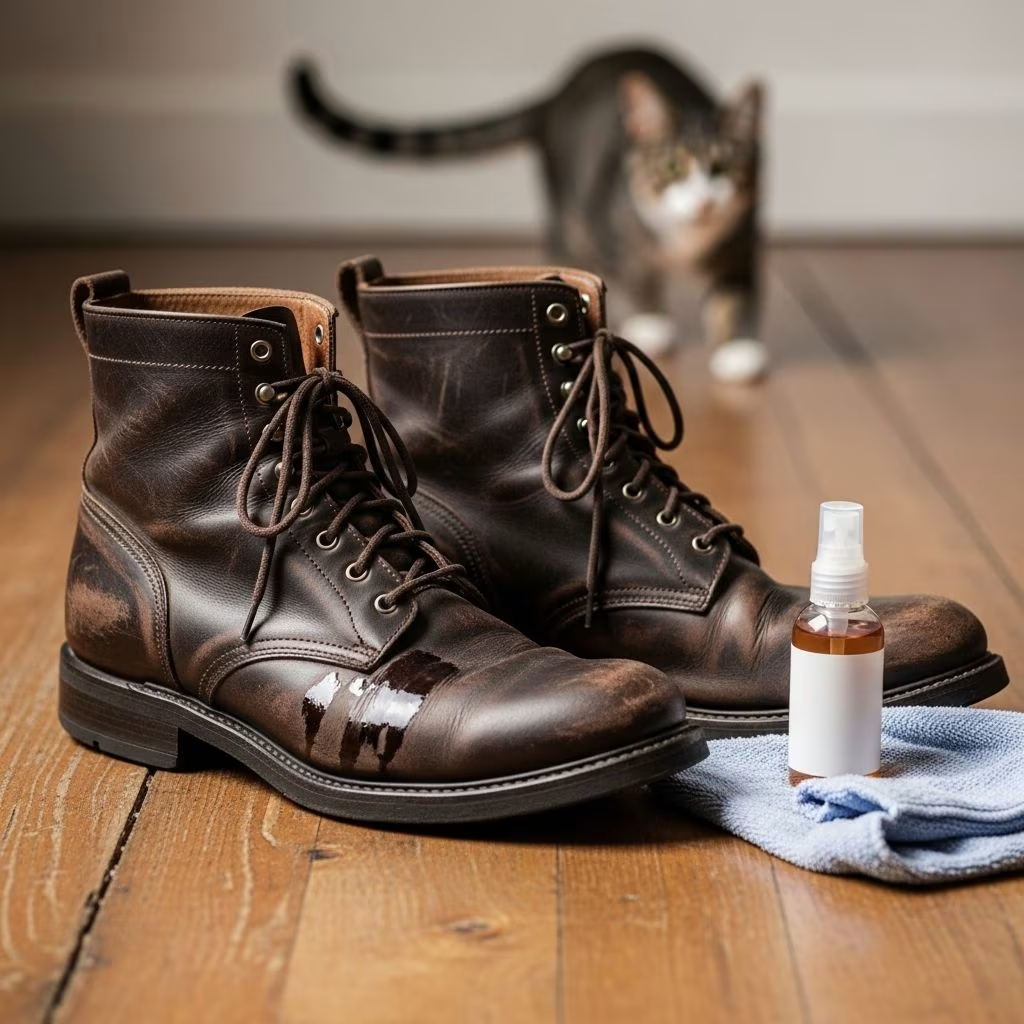
Cat urine accidents happen, especially with leather boots that cats may find appealing due to their texture and scent. The uric acid in cat urine can penetrate leather, causing persistent stains and odors if not addressed promptly. Acting quickly is essential to prevent permanent damage. This guide outlines three reliable methods—enzyme cleaners, natural solutions, and white vinegar—to safely remove cat urine from leather boots. Each approach breaks down urine enzymes, eliminates odors, and restores leather without harsh chemicals.
Leather is porous, so urine soaks in deeply, leading to yellowing, cracking, or a lingering ammonia smell. Professional cleaners recommend enzyme-based treatments for pet urine as they target proteins and uric acid crystals that cause odors. Always test solutions on a hidden area first and work in a well-ventilated space. Stuff boots with newspapers to absorb excess moisture during drying.
Why Cat Urine Is Hard to Remove from Leather
Cat urine contains high concentrations of uric acid, which crystallizes upon drying and binds to surfaces like leather. Unlike dog urine, cat urine is more potent due to their concentrated diet, making it resistant to standard cleaning. Over time, it can degrade leather tannins, causing discoloration and brittleness. Immediate blotting prevents deeper penetration, but for set-in stains, enzymatic or oxidative cleaners are necessary to neutralize crystals.
- Key Challenge: Uric acid crystals emit odors when wet, reactivating smells even after cleaning.
- Leather Vulnerability: Natural leather absorbs liquids quickly; sueded or unfinished types are most susceptible.
- Prevention Tip: Store boots elevated and use pet deterrents like citrus sprays.
Method 1: Using an Enzyme Cleaner
Enzyme cleaners are the gold standard for pet urine removal. They contain bio-enzymes that digest urine proteins, eliminating stains and odors at the molecular level. This method is safe for most leather types and highly effective for fresh or old stains.
Supplies Needed:
- Enzyme-based pet stain cleaner (e.g., Nature’s Miracle)
- Clean cloths or paper towels
- Soft brush
- Saddle soap
- Leather conditioner
- Blot Excess Urine: Use a dry cloth to absorb as much liquid as possible. Press firmly without rubbing to avoid spreading.
- Spray the Stain: Apply enzyme cleaner generously to the affected area inside and outside the boot. Ensure full coverage for complete breakdown.
- Let It Sit: Allow 5-10 minutes for enzymes to activate. For tough stains, extend to 15 minutes.
- Wipe and Rinse: Use a damp cloth in circular motions to work in the cleaner. Rinse with a clean, wrung-out cloth.
- Dry Overnight: Air dry in a shaded area. Check for dampness before next steps.
- Apply Saddle Soap: Dampen a cloth with warm water, add saddle soap, and gently buff the area to remove residue.
- Condition: Finish with leather conditioner to restore moisture and prevent cracking.
This method typically resolves odors in one application, but repeat for deeply soaked boots. Enzyme cleaners outperform vinegar alone for embedded crystals.
Method 2: Using a Natural Solution
For those preferring DIY options, a natural mixture of hydrogen peroxide, baking soda, and soap oxidizes and deodorizes urine effectively. This peroxide-based solution fizzles to lift stains and is gentle on leather when used correctly.
Supplies Needed:
- 3% hydrogen peroxide (4 cups)
- Baking soda (¼ cup)
- Liquid dish soap (1 tablespoon)
- Spray bottle
- Gloves and mask
- Clean towels
- Leather conditioner
- Prepare Workspace: Lay down newspapers and wear protective gear to handle fumes safely.
- Mix Solution: In a container, combine ingredients and stir gently until baking soda dissolves slightly.
- Transfer to Spray Bottle: Pour mixture and let settle for 10 minutes.
- Blot Urine: Absorb excess with a towel while mixture rests.
- Spray and Soak: Mist affected areas until damp. Let dry completely (several hours).
- Deodorize Further: Sprinkle baking soda inside boots overnight, then vacuum.
- Recondition: Apply conditioner with a cloth to hydrate leather.
Hydrogen peroxide acts as a mild bleach for stains but won’t harm dyed leather if diluted. This method is cost-effective and uses pantry staples.
Method 3: Using White Vinegar
White vinegar neutralizes urine’s ammonia with its acidity, making it a simple, accessible option. Combine with sunlight for natural drying and deodorizing.
Supplies Needed:
- White vinegar (2 cups)
- Water (2 cups)
- Small bowl
- Soft brush or cloth
- Leather cleaner
- Coconut oil or conditioner
- Newspapers
- Blot Excess: Remove liquid immediately with dry cloths.
- Scrub Gently: Use a soft brush on the stain to loosen surface urine.
- Apply Leather Cleaner: Follow product instructions; let sit briefly.
- Mix Vinegar Solution: Equal parts vinegar and water in a bowl.
- Wipe Area: Dip cloth (don’t wring) and dab in circles. Wipe residue with dry cloth.
- Dry in Sunlight: Place stuffed boots in indirect sun to evaporate odors.
- Condition: Rub in coconut oil for shine and protection.
Vinegar’s scent fades quickly, leaving boots fresh. Ideal for light stains or maintenance cleaning.
General Tips for Success
- Act fast: Fresh urine cleans easier.
- Avoid heat drying: Use air drying to prevent setting odors.
- Test patches: Prevent discoloration on colored leather.
- Multiple rounds: Stubborn cases need 2-3 treatments.
- Storage: Keep clean boots in breathable bags with cedar blocks.
| Method | Best For | Pros | Cons |
|---|---|---|---|
| Enzyme Cleaner | Old/deep stains | Targets odors fully | Requires purchase |
| Natural Solution | DIY enthusiasts | Cheap, effective fizz | Fumes need ventilation |
| White Vinegar | Fresh accidents | Readily available | Less effective on crystals |
Preventing Future Cat Urine on Boots
Discourage cats with boot storage solutions: elevate shelves, use aluminum foil bases (cats hate texture), or apply pet-safe repellents. Address marking behaviors via vet checks for UTIs or stress. Clean litter boxes daily and provide scratching posts.
Frequently Asked Questions (FAQs)
What removes cat urine smell from leather boots best?
Enzyme cleaners excel at breaking down uric acid for complete odor elimination.
Can vinegar damage leather?
Diluted vinegar is safe but follow with conditioner to avoid drying.
How long does cat urine smell linger?
Without treatment, indefinitely; proper cleaning removes it in 1-3 applications.
Is hydrogen peroxide safe for leather?
3% diluted yes, but test first and don’t overuse on dark leathers.
What if the stain persists?
Repeat method or consult a professional leather cleaner.
By following these methods, your leather boots can be salvaged and smelling fresh. Patience and proper conditioning ensure longevity.
References
- Cleaning and Disinfection for Pet Urine — Centers for Disease Control and Prevention (CDC). 2022-05-15. https://www.cdc.gov/healthy-pets/publications/cleaning-urine.html
- Enzymatic Cleaners for Pet Stains — American Cleaning Institute. 2023-08-10. https://www.cleaninginstitute.org/cleaning-tips/pet-stains
- How to Get Cat Urine Out of Leather Boots: 3 Easy Methods — Hepper. 2024-03-22. https://articles.hepper.com/how-to-get-cat-urine-out-of-leather-boots/
- Leather Care Guidelines — Leather Industries of America. 2021-11-01. https://www.leatherusa.com/care/
- Pet Urine Odor Control — Cornell University College of Veterinary Medicine. 2023-07-18. https://www.vet.cornell.edu/departments-centers-and-institutes/cornell-feline-health-center/health-information/feline-health-topics/urine-spray



