

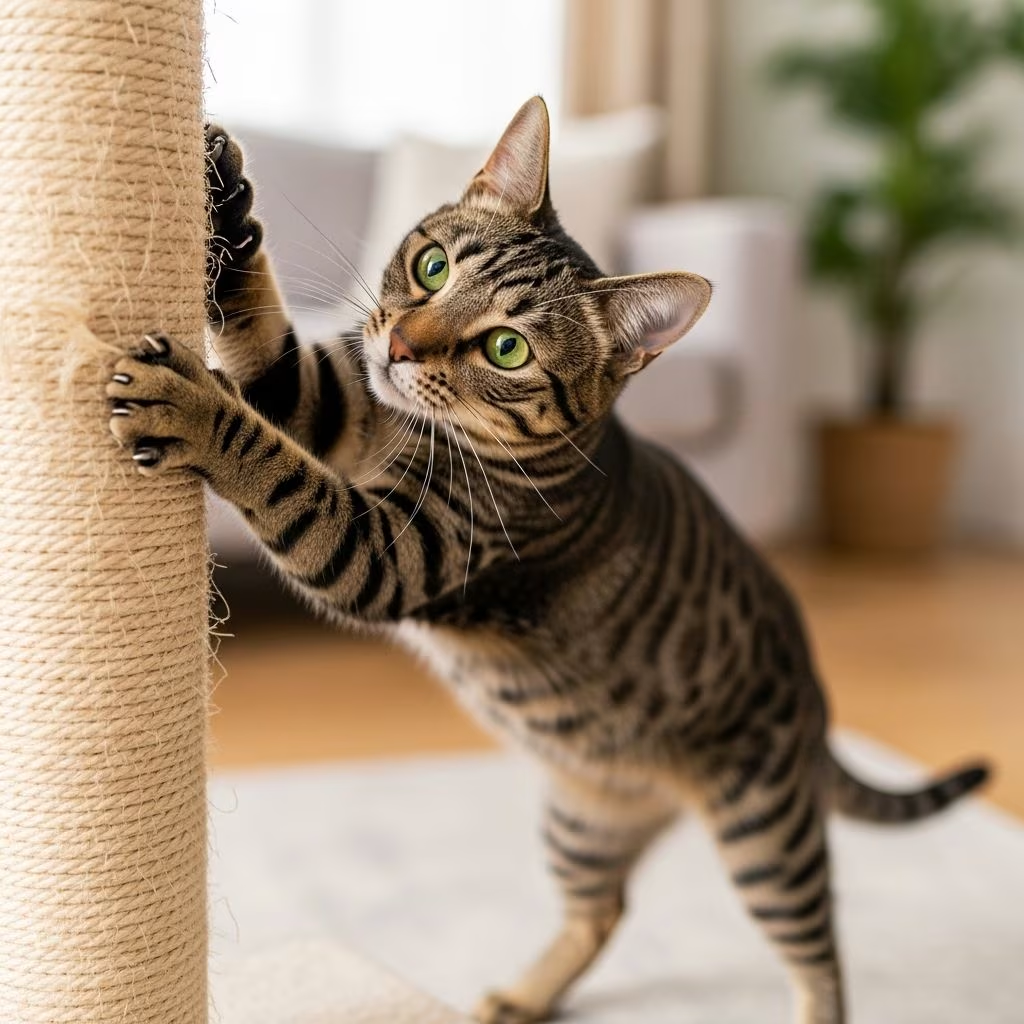
Cat scratching is a natural and essential behavior that serves multiple purposes, from maintaining claw health to marking territory. However, when directed at furniture, it can become frustrating for owners. Training your cat to use a scratching post preserves your belongings while meeting your pet’s needs. This guide covers everything from selecting the right post to advanced training techniques, drawing on expert advice for reliable results.
Why Do Cats Scratch?
Cats scratch for several instinctual reasons that are vital to their well-being. Primarily, scratching helps remove the dead outer layers of their claws, keeping them sharp and healthy—contrary to the myth that it ‘sharpens’ them like a knife. It also stretches their muscles, particularly in the shoulders, toes, and feet, often occurring right after waking from a nap.
Additionally, scratching deposits pheromones from glands in their paws, marking territory and communicating with other cats. This behavior reinforces their sense of security in the home. Stress or changes in environment can increase scratching, sometimes leading to inappropriate targets like sofas or carpets. Understanding these motivations is key to redirecting the behavior positively rather than punishing it, which can cause anxiety or worsen issues like litter box avoidance.
Choosing the Right Scratching Post
Not all scratching posts are created equal; selecting one that matches your cat’s preferences is crucial for success. A poor choice leads to ignored posts and continued furniture damage.
- Height and Stability: The post should be at least 30 inches tall, allowing full-body stretches without tipping. Wobbly posts deter use, as cats associate instability with danger.
- Material Preferences: Most cats prefer sisal rope, cardboard, or rough textures over carpet, which mimics furniture they already avoid scratching. Experiment if the first post fails—some love oval scratchers or wood.
- Types of Scratchers: Vertical posts suit stretchers, while horizontal pads appeal to ‘carpet scratchers.’ Multi-level cat trees with integrated posts offer variety for playful cats.
- Quantity: Provide multiple posts—one per cat plus extras—in high-traffic areas to prevent competition and ensure accessibility.
For DIY enthusiasts, build a sturdy base with a sisal-wrapped post to customize perfectly. Ensure the base prevents tipping, as a single fall can create lasting aversion.
Strategic Placement for Success
Placement is often the make-or-break factor in training. Cats won’t trek to a basement post; position them where scratching already happens.
- Place near sleeping spots, as cats scratch upon waking to stretch.
- If scratching specific furniture or carpet, position the post directly in front. Once used consistently for 1-2 weeks, gradually relocate (1 inch per day) to your ideal spot.
- High-traffic areas like living rooms or bedrooms ensure convenience. Multiple posts reduce the urge to find alternatives.
Observe your cat’s habits: nap zones, window perches, or entryways are prime real estate.
Encouraging Use: Enticements and Play
If your cat ignores the post, ignite interest without force—never rub paws on it, as this breeds aversion.
Catnip Magic
Sprinkle or rub catnip into the post (kittens under 5 months may not respond). For non-responders, try catnip spray. Reapply periodically to maintain allure.
Play and Toys
Dangle wand toys or toss balls near/on the post to associate it with fun. Lay the post sideways initially for easier access, then upright it after consistent use.
Play daily to mimic hunting, ending sessions by guiding play toward the post.
Treats and Praise
Keep treats handy: reward sniffing, pawing, then scratching. Place treats atop for climbing encouragement. Use enthusiastic praise—cats respond to tone and pets.
Discouraging Furniture Scratching
Positive reinforcement trumps punishment. Sprays like Feliway (feline pheromones) on furniture deter while calming.
- Say a firm ‘No’ or ‘Claws!’ in a deep voice to interrupt, then redirect to the post with play or treats.
- Cover furniture with plastic or double-sided tape temporarily as a barrier.
- Avoid yelling or spraying water; it stresses cats, potentially causing hiding, appetite loss, or elimination issues.
Training Tips for Kittens vs. Adults
Kittens: Start young during weaning when habits form. Use play and short sessions for quick learning.
Adults: Persistence pays; older cats may take longer if unconditioned. Focus on relocation from problem areas and heavy enticements.
| Age Group | Best Methods | Timeline |
|---|---|---|
| Kittens | Play, catnip, praise | Days to weeks |
| Adults | Placement shift, treats, Feliway | Weeks to months |
Common Mistakes to Avoid
- Punishment: Causes fear and rebound scratching.
- Instability: Tipping posts erode trust.
- One-Size-Fits-All: Not trialing materials/preferences.
- Forcing Interaction: Leads to avoidance.
- Insufficient Posts: Multi-cat homes need more.
Frequently Asked Questions (FAQs)
What if my cat ignores the scratching post?
Try catnip, play, or laying it sideways. Relocate to problem areas and reward use. Experiment with materials like sisal or cardboard.
Can all cats be trained to use a scratching post?
Yes, with patience. Kittens learn fastest; adults need consistent positive methods. Avoid punishment.
How many scratching posts do I need?
One per cat plus one extra, placed strategically.
Is catnip effective for all cats?
About 70-80% respond; use sprays or toys for others. Kittens under 5 months are unaffected.
What if the post tips over?
Reinforce the base immediately. Tipping creates fear—rebuild trust slowly with enticements.
Advanced Tips for Stubborn Cats
For persistent scratchers, combine methods: Feliway on furniture, multiple posts, and daily interactive play. Track progress weekly, adjusting based on behavior. Consult a vet if stress-related (e.g., new pets trigger increased scratching).
Multi-cat dynamics benefit from group play near posts to foster shared use. Long-term, rotate posts to refresh interest and trim claws monthly as backup (never declaw).
References
- How to Train Your Cat or Kitten to Use a Scratching Post — PurrfectPost.com. Accessed 2026. https://www.purrfectpost.com/how-to-train-your-cat-or-kitten-to-use-a-scratching-post/
- Scratching Post Training — Partnership for Animal Welfare. Accessed 2026. https://paw-rescue.org/scratching-post-training/
- Scratching Post Training — Class Act Cats. Accessed 2026. https://classactcats.com/blog/scratching-post-training/
- How to Train Your Cat to Use a Scratching Post (And Not Your Couch) — YouTube (Video). Accessed 2026. https://www.youtube.com/watch?v=ljPRH66v5kA
- DIY Scratching Post Guide — Wisconsin Humane Society. Accessed 2026. https://www.wihumane.org/behavior/ask-the-experts/cat-behavior/diy-scratching-post-guide
- Tips for Helping Clients Train Their Cats To Use A Scratching Post — ZoetisUS. Accessed 2026. https://www.zoetisus.com/petcare/blog/cat-scratching-post-training/



