

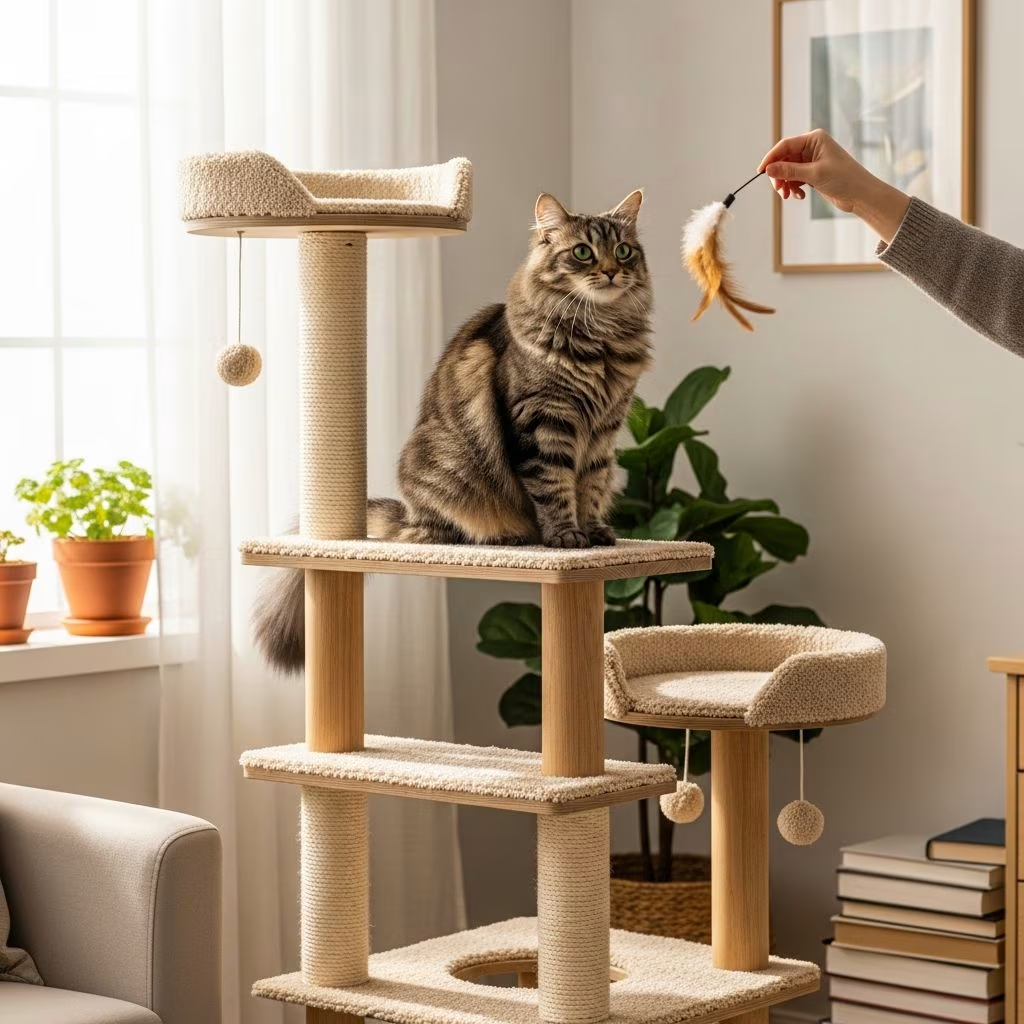
Many cat owners invest in a beautiful cat tree, only to find their feline friend ignoring it completely. If your cat seems uninterested in their cat tree, you’re not alone. The good news is that with the right strategies, techniques, and a bit of patience, you can transform your cat into a dedicated tree enthusiast. This comprehensive guide will walk you through proven methods to encourage your cat to embrace their new climbing playground.
Understanding Why Cats Need Cat Trees
Before diving into the strategies for getting your cat to use their tree, it’s important to understand why cat trees are essential for feline wellbeing. Cats are natural climbers and explorers who instinctively seek high vantage points to observe their surroundings. Cat trees provide multiple benefits including scratching surfaces for claw maintenance, vertical territory for climbing and perching, and enrichment opportunities that keep their minds and bodies engaged. These structures also help satisfy your cat’s natural instincts while protecting your furniture from unwanted scratching.
Step 1: Choose the Right Cat Tree
The first crucial step is selecting an appropriate cat tree that matches your cat’s preferences and your home’s layout. Your cat tree should be at least three feet in height with a minimum of two levels. Size matters significantly—larger cat trees generally attract more interest from cats as they provide more exploration opportunities and vantage points.
When selecting a cat tree, consider the following features:
- Stable construction that won’t wobble or tip when your cat jumps on it
- Multiple levels and platforms for climbing variety
- Scratching posts made from sisal rope or similar durable materials
- Enclosed spaces or caves where cats can hide and feel secure
- Varied textures and materials to appeal to different sensory preferences
Quality matters when choosing a cat tree. A well-constructed tree with stable materials will not only last longer but also inspire more confidence in your cat when climbing and jumping.
Step 2: Strategic Placement Is Everything
Location is absolutely critical to your success in getting your cat to use their tree. The placement of your cat tree can make the difference between a beloved fixture and an ignored piece of furniture.
Place your cat tree in a busy, high-traffic area of your home. The ideal location is where your cat naturally spends time and where household activity occurs. Common good locations include:
- The living room where family members relax
- Near windows where cats can observe the outdoor environment
- Between adjoining living spaces like the kitchen and living room
- Any room where you spend significant time during the day
Cats enjoy being part of the action and “judging” their humans’ activities from an elevated position. They gain comfort and security from being in spaces where they can monitor their territory and family members. Avoid placing the cat tree in quiet corners or low-traffic areas, as these locations won’t appeal to your cat’s social nature and need for environmental awareness.
Step 3: Use Catnip and Scent Attraction
Catnip is one of the most effective tools for encouraging cat tree use. Rub a generous amount of catnip directly on the sisal rope of the cat tree, particularly around the scratching posts. You can also sprinkle catnip on various levels throughout the tree to create multiple points of interest.
For cats that don’t respond to catnip, consider alternative scent attractions:
- Honeysuckle pouches that provide similar stimulation to catnip
- Cat vine sticks with aromatic appeal
- Your worn clothing items placed on the tree to provide familiar scents
- Catnip toys scattered throughout the structure
These scent-based attractions create an irresistible cocktail mix that piques your cat’s curiosity and encourages exploration. The stimulation from catnip often causes cats to enter a playful state where they naturally scratch, roll, and climb—perfect behaviors for becoming familiar with their new tree.
Step 4: Tempt Your Cat With Food and Treats
Since most cats are motivated by food, using treats and meals is an excellent strategy to attract your cat to their tree. Not every cat responds equally to catnip, but nearly all cats are interested in tasty rewards.
Try these food-based motivation techniques:
- Place treats on each level of the cat tree to encourage exploration
- Offer your cat’s regular dinner on the top level as a special reward
- Use highly palatable rewards like canned cat food or tuna that encourage extended time on the tree
- Create a “surprise bucket” filled with various toys and treat-dispensing puzzle toys at the base of the tree
By strategically placing treats throughout the tree, you’re creating a treasure hunt experience that motivates your cat to climb and explore. This positive association with the tree and rewards helps establish it as a desirable destination in your home.
Step 5: Integrate Playtime With the Cat Tree
Making the cat tree part of your regular play routine is one of the most effective ways to build positive associations. When your cat associates the tree with fun and interaction, they become much more interested in using it.
To incorporate the tree into playtime:
- Use feather toys and wand toys near and on the tree structures
- Gradually move play activities higher on the tree as your cat becomes comfortable
- Start with simple movements at the base and build up to aerial play above their head
- Play sessions should be consistent and occur when your cat is most active and alert
If your cat enjoys being petted, consider offering special affection and praise exclusively when they’re on the cat tree. Minimize attention when they’re on the ground or using old climbing areas. This reinforcement technique teaches your cat that the tree is the best place to get your attention and affection.
Step 6: Create Interactive Enrichment
Beyond food and catnip, creating interactive elements around the cat tree keeps your cat engaged and curious. Cats love surprises and are naturally attracted to new textures and objects to explore.
Enhance your cat tree with these enrichment additions:
- Puzzle toys filled with treats hidden in cat tree caves or at the base
- Dangling toys and teasers positioned at various heights
- Spider plants positioned above the tree to provide safe, dangling teaser toys that encourage reaching and scratching
- Rotating new toys regularly to maintain novelty and interest
- A bucket of mixed toys and items placed at the tree’s base for exploration
This approach transforms the cat tree from a static object into a dynamic play and enrichment center. The combination of scents, textures, and interactive elements creates an environment your cat simply cannot resist exploring.
Step 7: Encourage Natural Scratching Behavior
Cat trees with scratching posts help satisfy your cat’s natural scratching instincts. By placing scratching surfaces in the right location with the right incentives, you redirect unwanted furniture scratching toward appropriate outlets.
To maximize scratching post appeal:
- Ensure scratching posts are made from sisal rope or similar durable materials
- Apply catnip generously to the rope surfaces
- Position scratching posts where your cat currently scratches furniture
- Place the tree near surfaces your cat has previously scratched as an attractive alternative
When your cat uses the scratching post on their tree, immediately reward them with treats and praise. This positive reinforcement teaches your cat that the cat tree is the appropriate place for scratching behavior.
Step 8: Use Positive Reinforcement Consistently
Positive reinforcement is fundamental to successful cat training and behavior modification. Every time your cat uses the cat tree, reward them immediately with treats, petting, or praise.
Effective positive reinforcement strategies include:
- Offering treats the moment your cat climbs onto the tree
- Providing verbal praise in a calm, positive tone
- Engaging in play sessions when your cat is actively using the tree
- Combining multiple rewards for maximum impact
Keep training sessions short—about five minutes is optimal because cats have limited attention spans. Repetition, calmness, and consistent positive attention are more important than long, extended training sessions. With patience and consistency, your cat will begin to associate the tree with positive experiences and rewards.
Step 9: Training Commands and Socialization
Once your cat is becoming comfortable with their tree, you can teach specific commands like “climb” or “jump” and reward them when they follow these directives. This transforms the cat tree into a training tool that engages your cat’s intelligence and strengthens your bond.
If you have multiple cats, the cat tree becomes an excellent space for socialization and peaceful interaction. Encourage positive play sessions on the tree to help your cats build social bonds. You can also designate it as a time-out spot for any cat exhibiting unwanted behavior or excessive energy.
Common Mistakes to Avoid
Understanding what doesn’t work with cats is just as important as knowing what does. Avoid these common mistakes when trying to encourage cat tree use:
- Don’t place the tree in a quiet corner away from household activity
- Don’t force your cat onto the tree or create negative associations
- Don’t use punishment if your cat ignores the tree
- Don’t expect immediate results—patience is essential
- Don’t select an unstable or poorly constructed tree
- Don’t neglect to refresh catnip and treats regularly
Patience and Persistence Pay Off
Getting your cat to use a cat tree requires patience, consistency, and the right combination of strategies. Every cat has unique personality traits and preferences, so what works for one cat may need adjustment for another. The key is to experiment with different approaches while maintaining a positive, encouraging environment.
Start with placement and basic attraction methods, then layer in additional techniques until you find the combination that resonates with your specific cat. Within weeks to a few months of consistent effort, most cats will begin using their tree regularly as both a functional tool for scratching and climbing and as a comfortable retreat for observation and rest.
Frequently Asked Questions
Q: How long does it typically take for a cat to start using a cat tree?
A: The timeline varies depending on your cat’s personality and previous experiences. Some cats may show interest within days, while others may take several weeks. Consistency with the strategies mentioned—placement, treats, playtime integration, and catnip—accelerates the process.
Q: What if my cat still ignores the tree after trying these methods?
A: If your cat continues to ignore the tree, consider upgrading to a larger, more stable model, or try a different location in your home. Some cats prefer wall-mounted climbing surfaces to traditional floor-standing trees. Consulting with a feline behaviorist may also provide personalized insights.
Q: Can senior cats use cat trees effectively?
A: Yes, but senior cats may prefer lower-height trees or models with multiple accessible levels. Ensure the tree has stable ramps or steps rather than requiring jumping, and position it in warm, comfortable areas where your senior cat naturally spends time.
Q: Is catnip safe for all cats?
A: Catnip is safe for most cats and is non-addictive. However, about 30% of cats don’t respond to catnip. For these cats, alternatives like honeysuckle, silvervine, or valerian root provide similar stimulation.
Q: How should I clean and maintain the cat tree to keep my cat interested?
A: Regularly vacuum or wipe down the tree to keep it clean and hygienic. Refresh catnip monthly, rotate toys frequently, and check for any damage or instability that might discourage use. A clean, well-maintained tree remains more appealing to your cat.
References
- How to Train Your Cat to Be a Tree Hugger — Chirpy Cats. 2024. https://www.chirpycats.com/train-your-cat-to-be-a-tree-hugger/
- Cat Training: Can You Teach a Cat Tricks? — Petrebels. 2024. https://www.petrebels.com/en/blog-cat-behavior-cat-training/
- Cat Tree Dos and Don’ts: The Key to a Long-lasting and Loved Feline Playground — Cat Tree UK. 2024. https://cattree.uk/cat-tree-dos-and-donts-the-key-to-a-long-lasting-and-loved-feline-playground/
- How To Get A Cat To Use A Cat Tree In 6 Simple Steps — Cats.com. 2024. https://cats.com/how-to-get-a-cat-to-use-a-cat-tree
- How Can I Teach My Cat to Love Her Cat Tree? — VetStreet. 2024. https://www.vetstreet.com/our-pet-experts/how-can-i-teach-my-cat-to-love-her-cat-tree



