

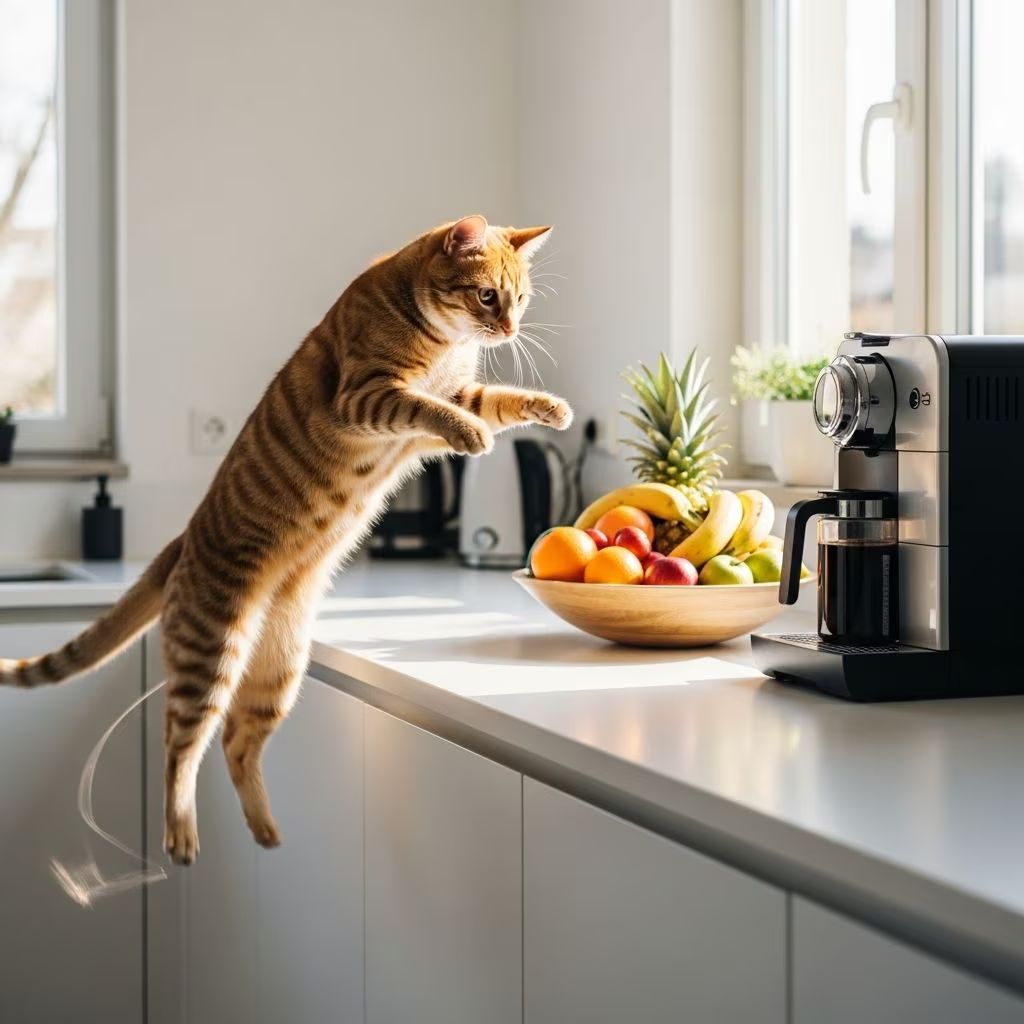
Cats naturally seek high vantage points to observe their surroundings, and kitchen counters offer the perfect elevated spot in many homes. However, this behavior can lead to hygiene issues, knocked-over items, and frustration for pet owners. Understanding why cats jump on counters—such as curiosity, hunting instincts, or attraction to food remnants—is the first step to addressing it effectively. This comprehensive guide covers proven strategies to discourage the habit while respecting your cat’s innate needs for exploration and security.
Why Do Cats Jump on Kitchen Counters?
Cats are obligate carnivores with instincts rooted in their wild ancestors, who climbed to spot prey or escape threats. In modern homes, counters provide warmth from appliances, a bird’s-eye view of family activity, and often lingering food smells that mimic hunting rewards. Studies from animal behavior experts note that vertical space fulfills their need for territory control, reducing stress. Food access reinforces the behavior through positive association; even crumbs act as intermittent rewards, making it highly persistent. Boredom or lack of alternatives exacerbates this, as understimulated cats explore available high spots. Addressing root causes like hunger cues, lack of enrichment, or attention-seeking ensures long-term success without punishment, which can increase anxiety.
Provide Appealing Alternatives
The most humane and effective way to redirect counter-jumping is offering superior high perches elsewhere. Cats prioritize elevated spots for safety and oversight, so cat trees, wall shelves, or window perches mimic counters without hygiene risks. Position these in view of kitchen action to compete effectively.
- Cat trees and towers: Multi-level structures with scratching posts and hammocks provide climbing, lounging, and play opportunities. Place one near the kitchen entrance for easy access.
- Window perches: Suction-cup or bracket-mounted seats offer bird-watching entertainment, a natural stimulant diverting attention from counters.
- Custom shelves: Install floating shelves at varying heights, ensuring stability for safety. Add plush bedding to enhance appeal.
To encourage use, employ treats or toys like feather wands during initial sessions. Positive reinforcement builds habits faster than deterrence alone, with many owners reporting reduced counter visits within weeks. If your cat ignores alternatives, enhance them with pheromone diffusers or heated pads for added allure.
Remove Temptations and Rewards
Eliminate incentives by maintaining spotless counters. Cats associate surfaces with food hunts, so wiping down after meals prevents reinforcement.
- Cover or store food promptly; use lidded containers for leftovers.
- Avoid leaving utensils, bags, or crumbs— even tiny bits trigger scavenging instincts.
- Address water fascination by installing a cat fountain elsewhere, fixing leaky faucets promptly.
Supervise during prep times and gently redirect if needed. Consistency prevents practice of the unwanted behavior, especially when unsupervised. Create a cat-free kitchen zone during absences via baby gates or closed doors, providing a enriched room with litter, food, and toys instead. This management phase hastens habit extinction.
Use Gentle Deterrents
Make counters uninviting without harm using sensory aversions cats dislike: stickiness, crinkles, or instability.
- Double-sided tape (Sticky Paws): Apply clear strips to edges; cats hate paw adhesion, learning to avoid after one try. Invisible to them, it works unsupervised.
- Aluminum foil: Crinkle and tape sheets along surfaces—the texture, noise, and slipperiness deter most, though persistent cats may adapt.
- Plastic runners or mats: Nubby-side-up carpet protectors create uncomfortable footing.
- Noise makers: Stack light cans or use motion-activated air puffers for startling effects, avoiding direct fear.
Rotate deterrents to prevent habituation, removing gradually once behavior fades. These outperform scolding, which only suppresses temporarily.
Train with Positive Reinforcement
Cats respond best to rewards, not punishment. Use cue-based training for voluntary compliance.
- Observe natural dismounts; say “off” calmly as paws touch floor.
- Immediately reward with treats, praise, or play from an alternative perch.
- Repeat consistently; soon, cue prompts voluntary exit.
- Prevent jumps by blocking access initially, rewarding perch use during kitchen time.
Incorporate clicker training for precision: click for desired action, follow with reward. Sessions of 5-10 minutes daily yield results in 2-4 weeks. Pair with interactive toys to fulfill play needs. Patience is key—progress varies by age and personality.
Ignore Attention-Seeking Behavior
Any reaction—scolding, petting, or removal—rewards jumping if attention motivates it. Cats view interaction as success.
- Turn away silently if cat jumps; no eye contact or speech.
- Wait for dismount, then engage lavishly on approved spots.
- Enrich environment with puzzle feeders, laser pointers to reduce boredom-driven surfacing.
This extinction burst may intensify initially but fades without payoff. Combine with alternatives for faster redirection.
Consider Professional Help if Needed
If methods fail after 4-6 weeks, underlying issues like stress, medical pain, or anxiety may contribute. Consult vets for health checks; behaviorists for tailored plans. Pheromone products like Feliway calm territorial urges. Multi-cat homes may need resource audits to curb competition.
| Method | Pros | Cons | Best For |
|---|---|---|---|
| Alternatives | Long-term, enriching | Space/cost | All cats |
| Clean Counters | Simple, immediate | Ongoing effort | Food-motivated |
| Tape/Foil | Quick deterrent | Temporary, messy | Persistent jumpers |
| Training | Builds bond | Time-intensive | Trainable cats |
Frequently Asked Questions (FAQs)
Why does my cat keep jumping on counters despite deterrents?
Cats may habituate or seek social/views. Boost alternatives and consistency; check for unmet needs like play.
Is it safe to use foil or tape on counters?
Yes, temporarily; remove food-contact residues. Non-toxic, but supervise first use.
How long until my cat stops counter surfing?
1-6 weeks with multi-method approach. Younger cats adapt faster.
What if I have multiple cats?
Provide ample perches/resources per cat; train individually.
Can punishment work?
No; it damages trust, worsens stress without fixing instincts.
Implementing these strategies creates a win-win: clean counters and content cats. Persistence and positivity transform habits sustainably.
References
- 6 Tips for Keeping Your Cat Off the Kitchen Counter — FELIWAY. Accessed 2026. https://www.feliway.co.uk/blogs/news/6-tips-for-keeping-your-cat-off-the-kitchen-counter
- How to Keep Cats from Jumping Onto the Kitchen Counter — eHowPets (YouTube). 2015-05-26. https://www.youtube.com/watch?v=i9RiQbMEg0E
- Countertop Jumping in Cats — Wisconsin Humane Society. Accessed 2026. https://www.wihumane.org/behavior/ask-the-experts/cat-behavior/countertop-jumping-in-cats
- Is Your Kitty a Countertop Hopper? How to Keep Cats Off Counters — Rover. Accessed 2026. https://www.rover.com/blog/how-to-keep-cats-off-counters/



