

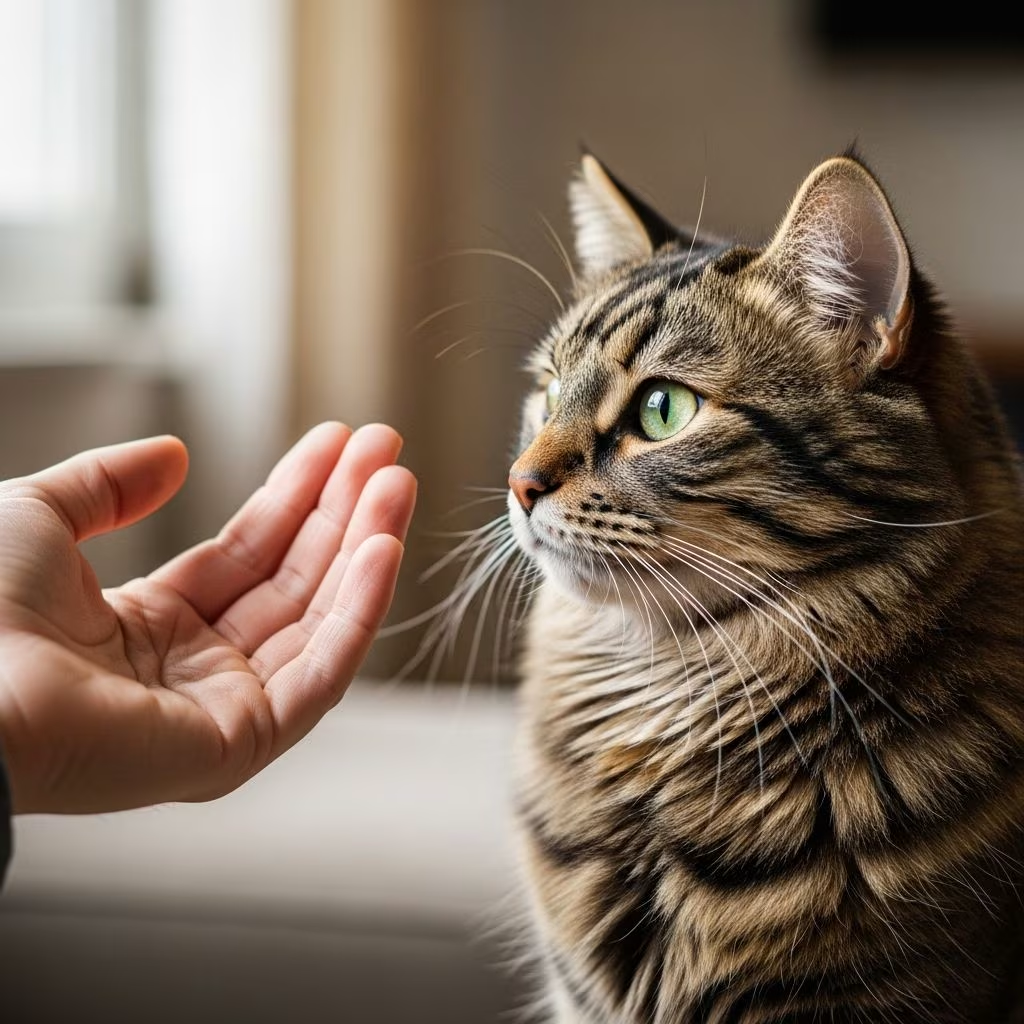
How to Get a Cat to Like You: Build Trust and Strengthen Your Bond
Building a strong relationship with your cat goes beyond simply providing food and shelter. Getting a cat to like you requires patience, understanding, and consistent effort to earn their trust and affection. Unlike dogs, cats are independent creatures with unique personalities and preferences. By learning what makes cats tick and respecting their boundaries, you can develop a meaningful bond that benefits both you and your feline companion.
Understand Your Cat’s Body Language
One of the most important steps in winning a cat’s affection is learning to read their body language. Cats communicate their emotions through physical cues, and understanding these signals helps you respond appropriately to their needs and moods.
When a cat likes you, they typically display relaxed body posture with their tail held upright or gently curved. Their ears point forward, and their eyes may slowly blink—what cat behaviorists call a “cat kiss.” If your cat gives you slow blinks, you can reciprocate by slowly closing your eyes to show affection and trust.
Conversely, flattened ears, a puffed tail, hissing, or crouched positioning indicate fear or aggression. A swishing tail doesn’t always mean playfulness; it can signify irritation or frustration. By paying attention to these signals, you can adjust your interactions and avoid behaviors that make your cat uncomfortable.
Respect Your Cat’s Independence and Personal Space
Cats value their independence and autonomy. Unlike dogs that often crave constant attention, cats prefer to control when and how they interact with their owners. One of the best ways to get a cat to like you is by respecting these boundaries.
Allow your cat to approach you on their own terms. Don’t force interactions or corner your cat for cuddles. Instead, create opportunities for them to come to you. Sit quietly and let your cat investigate at their own pace. When they choose to sit near you or jump on your lap voluntarily, it signals genuine affection and trust.
Similarly, provide your cat with safe spaces where they can retreat when they feel overwhelmed. Cats need places to hide and feel secure, such as cat trees, shelves, or enclosed beds. When your cat has control over their environment and interactions, they’re more likely to feel comfortable around you.
Engage in Interactive Play and Mental Stimulation
Playing with your cat strengthens your bond while providing essential physical exercise and mental enrichment. Cats are natural hunters with high predatory instincts, and interactive play satisfies these needs while giving you quality time together.
Use toys like feather wands, string toys, and laser pointers to engage your cat’s hunting instincts. Schedule regular play sessions throughout the day, aiming for at least 15-30 minutes of interactive playtime. This consistent engagement shows your cat that you’re a source of fun and excitement, naturally building affection and loyalty.
However, avoid using your hands as toys. While it might seem cute when a kitten playfully bites your fingers, it encourages inappropriate behavior that can lead to painful scratches and bites as your cat grows. Instead, use toys that create a barrier between your hands and your cat’s teeth and claws.
Beyond physical play, provide mental stimulation through puzzle toys, treat-dispensing toys, and enrichment activities. Cats that have their minds stimulated are happier, less likely to develop behavioral problems, and more likely to view you positively as their source of entertainment and engagement.
Provide Treats and Positive Rewards
Food is a powerful tool for building positive associations with your cat. Offering treats during interactions creates positive reinforcement and helps your cat associate you with good things happening in their life.
Use high-value treats—small, tasty morsels your cat loves—during play sessions, training, and moments of affection. Consistency is key; regularly rewarding your cat for desired behaviors reinforces those actions and strengthens your bond.
You can also practice clicker training with your cat, a technique often used for dogs but equally effective for felines. A clicker paired with treats teaches your cat that certain behaviors result in rewards. This interactive training keeps your cat mentally engaged while building trust through positive interactions.
Create a Consistent Routine and Predictability
Cats are creatures of habit who appreciate predictability and routine. Establishing consistent feeding times, play sessions, and cuddle time helps your cat feel secure and builds trust through reliability.
When your cat knows that you’ll play with them at a certain time or that feeding happens at the same hour each day, they learn to anticipate positive interactions with you. This predictability makes your cat feel safe and confident in your presence.
Additionally, maintaining a calm and stable environment reduces stress for your cat. Sudden changes, loud noises, or unpredictable behavior can make cats anxious and less likely to bond with you. By being a steady, reliable presence in your cat’s life, you become someone they trust and seek out.
Use Positive Reinforcement, Not Punishment
Never punish your cat for unwanted behavior—it damages trust and often makes behavioral issues worse. Cats don’t respond well to punishment, and using force or yelling can make your cat fear you rather than like you.
Instead, use positive reinforcement to encourage desired behaviors. When your cat does something you like, immediately reward them with treats, praise, or affection. If your cat does something you want to discourage, redirect their behavior to an appropriate outlet without scolding them.
For example, if your cat scratches furniture, provide scratching posts and reward them for using these appropriate surfaces. By making the desired behavior rewarding and the undesired behavior less available or interesting, you guide your cat’s behavior without creating negative associations with yourself.
Give Your Cat Appropriate Attention and Affection
Pay attention to how your individual cat likes to be touched and interacted with. Some cats enjoy long petting sessions, while others prefer short interactions. Some cats tolerate having their belly touched, while most find it uncomfortable.
Generally, cats enjoy being petted on their head, cheeks, chin, and along their back and sides. Most cats dislike having their paws, tail, or belly touched. Watch your cat’s reactions—if they purr and lean into your touch, they’re enjoying it. If their tail swishes, ears flatten, or skin twitches, stop petting and give them space.
Petting your cat with a gentle, slow rhythm is more calming than quick, vigorous strokes. Many cats enjoy being groomed with a soft brush, which mimics social grooming behavior and strengthens bonding.
Ensure Proper Environmental Enrichment
A stimulating indoor environment is crucial for your cat’s happiness and well-being. Cats that are bored or understimulated may develop behavioral problems and are less likely to bond positively with their owners.
Provide various toys that appeal to different play styles. Rotate toys regularly to maintain novelty and interest. Include interactive toys, balls, feather toys, and puzzle feeders. Window perches allow your cat to observe outdoor activity—cats find this entertaining and calming.
Cat trees and shelves provide vertical space, which cats instinctively seek for security and observation. Cardboard boxes, paper bags, and tunnels offer hiding spots and exploration opportunities. The more interesting and varied your cat’s environment, the more they’ll appreciate you as a provider and caregiver.
Communicate Through Meowing and Vocalizations
Cats use meowing to communicate with humans, and paying attention to these vocalizations helps you understand your cat’s needs better. Different meows convey different messages—some indicate hunger, others express affection, and some are demands for attention.
Respond to your cat’s meows by trying to meet their needs. If your cat meows near their food bowl, provide food. If they meow while sitting near you, offer attention or play. This two-way communication shows your cat that you understand and respect their requests.
You can also “talk” to your cat using similar tones and rhythms. Many cats respond positively to being spoken to in a gentle, conversational manner. Some cats even enjoy mimicking their owners’ vocalizations, creating a unique form of dialogue between cat and human.
Be Patient With Adoption Adjustment Periods
If you’ve recently adopted a cat, understand that building trust takes time. New cats need adjustment periods to feel comfortable in their new homes. During the first few days or weeks, your cat may hide, be cautious, or seem distant.
This is completely normal behavior. Provide your new cat with a safe space—a quiet room with their litter box, food, water, and hiding spots. Allow them to explore at their own pace and approach you when ready. Rushing this process or forcing interactions can delay bonding and damage trust.
As your cat becomes more comfortable, gradually expand their access to your home and increase interactions. Some cats warm up to their owners within days, while others take weeks or even months. Patience and consistency during this adjustment period set the foundation for a strong long-term bond.
Socialize Your Cat Appropriately
If you have a kitten or young cat, proper socialization increases the likelihood that they’ll be comfortable and affectionate with you and others. The critical socialization period for cats occurs between 2-7 weeks of age, during which positive experiences with humans help shape their future behavior and social preferences.
Expose your young cat to different people, environments, and experiences in a gentle, non-threatening manner. This early positive socialization makes cats more likely to form bonds with humans and be comfortable in various situations.
For adult cats that may not have been well-socialized, patience and gradual exposure to new experiences can still help them become more comfortable and bonded with you, though the process may take longer.
Address Health and Wellness Needs
Your cat’s physical and mental health directly impacts their ability to form bonds with you. A sick, uncomfortable, or anxious cat is less likely to seek out affection or trust you completely.
Ensure your cat receives regular veterinary care, appropriate nutrition, and preventative health measures. Provide fresh water and high-quality cat food that meets their nutritional needs. A healthy cat is a happy cat more likely to show affection and build a strong relationship with you.
Additionally, address any behavioral issues or anxiety with the help of a veterinary behaviorist. Some behavioral problems stem from medical issues or anxiety disorders that require professional intervention. Once these underlying issues are resolved, your cat can bond more easily.
Common Mistakes to Avoid
Several common mistakes can hinder your efforts to get a cat to like you. Avoid forcing interactions, punishing your cat for undesired behaviors, or ignoring signs that your cat wants space. Don’t use your hands as toys, and resist the urge to corner or grab your cat for cuddles.
Additionally, avoid sudden changes to your cat’s routine or environment, and don’t neglect your cat’s need for play, enrichment, and mental stimulation. Lastly, don’t compare your cat’s behavior to dogs or expect your cat to show affection in the same ways that dogs do.
Frequently Asked Questions About Building Cat Affection
Q: How long does it take for a cat to like you?
A: The timeline varies by cat. Some cats bond quickly within days or weeks, while others take months. Factors include the cat’s past experiences, socialization history, age, and personality. Patience, consistency, and respect for your cat’s boundaries accelerate the bonding process.
Q: Why does my cat avoid me?
A: Cats may avoid you due to lack of trust, insufficient socialization, fear, stress, health issues, or simply because they’re introverted personalities. Provide a safe environment, respect their space, and use positive interactions to gradually build trust. If avoidance persists, consult a veterinarian or behaviorist.
Q: What does it mean when a cat slowly blinks at me?
A: Slow blinking is a sign of affection and trust. Your cat is indicating they feel safe and comfortable around you. You can reciprocate by slowly closing your eyes at your cat—this is known as a “cat kiss” and reinforces your bond.
Q: Can adult cats bond with humans they didn’t know as kittens?
A: Yes, absolutely. While early socialization makes bonding easier, adult cats can still form strong bonds with humans. It simply requires more patience, consistency, and understanding of your cat’s individual personality and preferences.
Q: Is it normal for cats to be aloof?
A: Yes, many cats are naturally more independent and less demonstrative with affection than others. This doesn’t mean they don’t like you—it’s simply their personality. Respect their preferred level of interaction while continuing to provide love and care.
Q: How can I tell if my cat likes me?
A: Signs of cat affection include slow blinking, head bunting (rubbing their head on you), purring, sitting near you, bringing you “gifts,” kneading, and choosing to spend time in your presence. Your cat may also greet you when you arrive home or follow you around the house.
References
- Behavior and Body Language in Cats — American Veterinary Society of Animal Behavior (AVSAB). 2024. https://avsab.org/
- Feline Behavior and Training — International Society of Feline Medicine. 2024. https://www.isfm.net/
- Understanding Cat Communication and Social Behavior — Cornell College of Veterinary Medicine. 2024. https://www.vet.cornell.edu/
- Enrichment for Indoor Cats: Guidelines for Feline Environmental Needs — American Animal Hospital Association (AAHA). 2024. https://www.aaha.org/
- Early Socialization and Its Effects on Feline Behavior — Journal of Feline Medicine and Surgery. 2023. https://journals.sagepub.com/home/jfm
- Cat Behavior: Understanding Your Feline Companion — ASPCA. 2024. https://www.aspca.org/



