

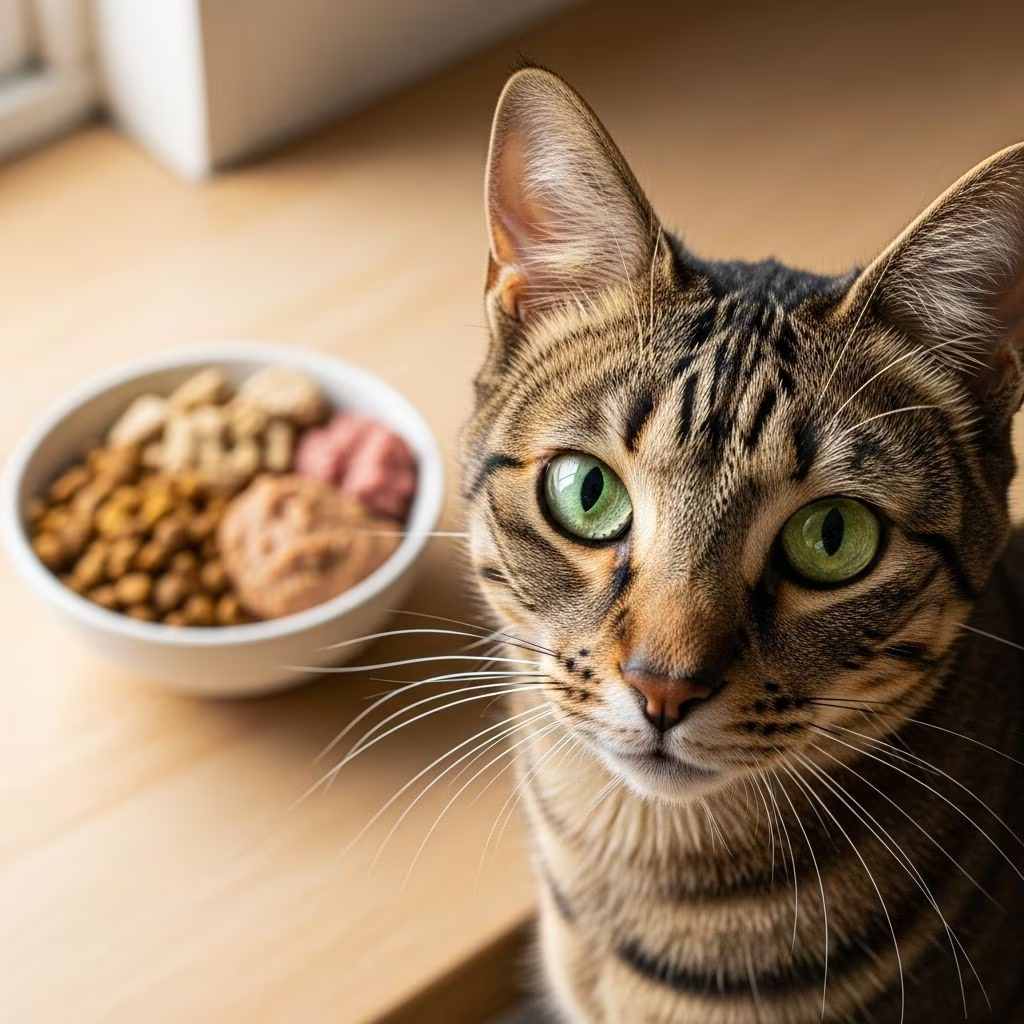
Cats are notorious for their finicky eating habits, often rejecting new food types due to strong preferences for familiar flavors and textures. Transitioning your cat to a different food requires patience and strategy to avoid digestive upset or refusal to eat altogether. This guide covers why cats resist change, safe methods for switching foods, and troubleshooting tips for picky eaters, drawing on veterinary-recommended practices.
Why Won’t My Cat Eat New Food?
Cats develop strong food preferences early in life, often sticking to one type due to scent, texture, and taste associations. Sudden changes can stress their sensitive digestive systems, leading to refusal or diarrhea. Kittens, in particular, thrive on consistent diets to support growth; abrupt switches may disrupt their small stomachs, which require frequent, small meals of highly digestible food. Adult cats, as obligate carnivores, need meat-based nutrition with specific nutrients like taurine, making incomplete homemade switches risky. Factors like age, neuter status, activity level, and health conditions (e.g., kidney issues) further influence acceptance, as indoor vs. outdoor lifestyles demand tailored calories and moisture.
Why Change Your Cat’s Food?
Switching foods might be necessary for health reasons, such as transitioning from kitten to adult formulas post-neutering, addressing weight issues, or managing conditions like urinary tract disease. Premium foods offer balanced nutrients—cats require about 41 essential ones, including high protein and arachidonic acid—that economy brands may lack. Wet foods aid hydration for kidney health, while dry provides dental benefits, but the key is completeness. Always consult a vet before changes, especially for raw or homemade diets, which risk deficiencies without expert formulation.
How to Transition Your Cat to New Food: Step-by-Step Guide
A gradual transition over 7-10 days minimizes refusal and tummy troubles. Here’s a proven schedule:
- Days 1-2: Mix 25% new food with 75% old food. Monitor for acceptance and firm stools.
- Days 3-4: Increase to 50% new, 50% old. Add warm water to enhance aroma if needed.
- Days 5-6: 75% new, 25% old. Observe energy and litter habits.
- Days 7+: 100% new. If refusal persists, pause and extend phases.
Feed little and often—up to four meals for kittens under four months, reducing to two by six months—to avoid overwhelming small stomachs. Ensure constant fresh water access, especially with dry food transitions.
Tips and Tricks for Picky Eaters
If gradual mixing fails, try these vet-approved tactics:
- Warm it up: Microwave food briefly (check temperature) to release enticing smells, mimicking fresh prey.
- Enhance palatability: Top with tuna juice, chicken broth (low-sodium, no onion/garlic), or a vet-recommended topper. Avoid overusing to prevent pickiness.
- Puzzle feeders: Hide food in toys for mental stimulation, turning meals into games.
- Hand-feeding: Offer small amounts by hand to build positive associations.
- Environment tweaks: Feed in quiet spots, away from litter boxes or dogs. Use shallow bowls to prevent whisker fatigue.
- Variety trial: Offer wet and dry options separately; many cats prefer wet for moisture (70% water) aiding hydration.
For treats, limit to 10% of calories, reducing main meals accordingly, and opt for cat-specific ones.
Common Mistakes to Avoid When Changing Cat Food
- Abrupt switches: Cause diarrhea or starvation risks; always phase gradually.
- Ignoring health checks: Refusal may signal dental pain, kidney disease, or nausea—vet visit first.
- Overfeeding treats/human food: Leads to obesity; plain cooked chicken occasionally ok, but not vegan/raw without guidance.
- Inconsistent schedules: Fixed times prevent digestive woes.
- Low-quality foods: Fixed recipes use variable cheap ingredients; choose fixed formulas with declared minerals.
Special Considerations: Kittens, Seniors, and Health Conditions
Kittens need complete growth foods until neutering (e.g., high-energy, digestible proteins reducing stool volume) fed 3-4 times daily. Pregnant or nursing queens require kitten food ad lib for double calorie needs. Seniors benefit from senior formulas for joint/kidney support. For conditions:
| Condition | Food Recommendation | Reason |
|---|---|---|
| Kidney Disease | Wet food | High moisture prevents dehydration |
| Urinary Issues | Wet/low-magnesium | Boosts water intake |
| Diabetes | Low-carb wet | Stabilizes blood sugar |
| Weight Management | Calorie-controlled | Matches activity/weight |
Raw diets? Only commercial complete ones; homemade risks bacterial or nutrient gaps.
FAQs
How long does it take to switch cat food?
Typically 7-10 days with gradual mixing; extend if resistance occurs.
What if my cat completely refuses new food?
Revert to old, consult vet for underlying issues, then retry slower with enhancers.
Can I mix wet and dry cat food?
Yes, for variety and hydration; ensure total daily intake follows packaging guidelines.
Is homemade cat food safe during transitions?
Rarely; lacks balance without vet nutritionist input—stick to commercial completes.
How much should I feed during transition?
Follow new food guidelines adjusted for current weight/activity; monitor body condition.
Monitoring Success and When to See a Vet
Success signs: steady appetite, firm stools, stable weight, good energy. Track via weekly weigh-ins. Red flags—prolonged refusal (>24-48 hours), vomiting, lethargy, bloody stools—warrant immediate vet care, as they may indicate allergies or illness. Post-transition, annual check-ups ensure ongoing suitability.
In summary, patience with gradual methods and appetite tricks usually wins over finicky felines. Prioritize complete, balanced foods tailored to life stage for optimal health.
References
- Feeding Your Kitten — Cinque Ports Vets. 2023-01-15. https://www.cinqueportsvets.co.uk/client-care/pet-health-advice/cat-advice/425-feeding-your-kitten
- Cat health & nutrition advice — UK Pet Food. 2024-05-20. https://www.ukpetfood.org/pet-care-advice/cat-health-nutrition-advice.html
- Feeding Your Cat — Cats Protection. 2025-03-10. https://www.cats.org.uk/help-and-advice/diet/feeding
- What’s Better for My Cat: Wet or Dry Food? — Maggie and Marlow. 2024-08-12. https://www.maggieandmarlow.co.uk/news/82-whats-better-for-my-cat-wet-or-dry-food



