

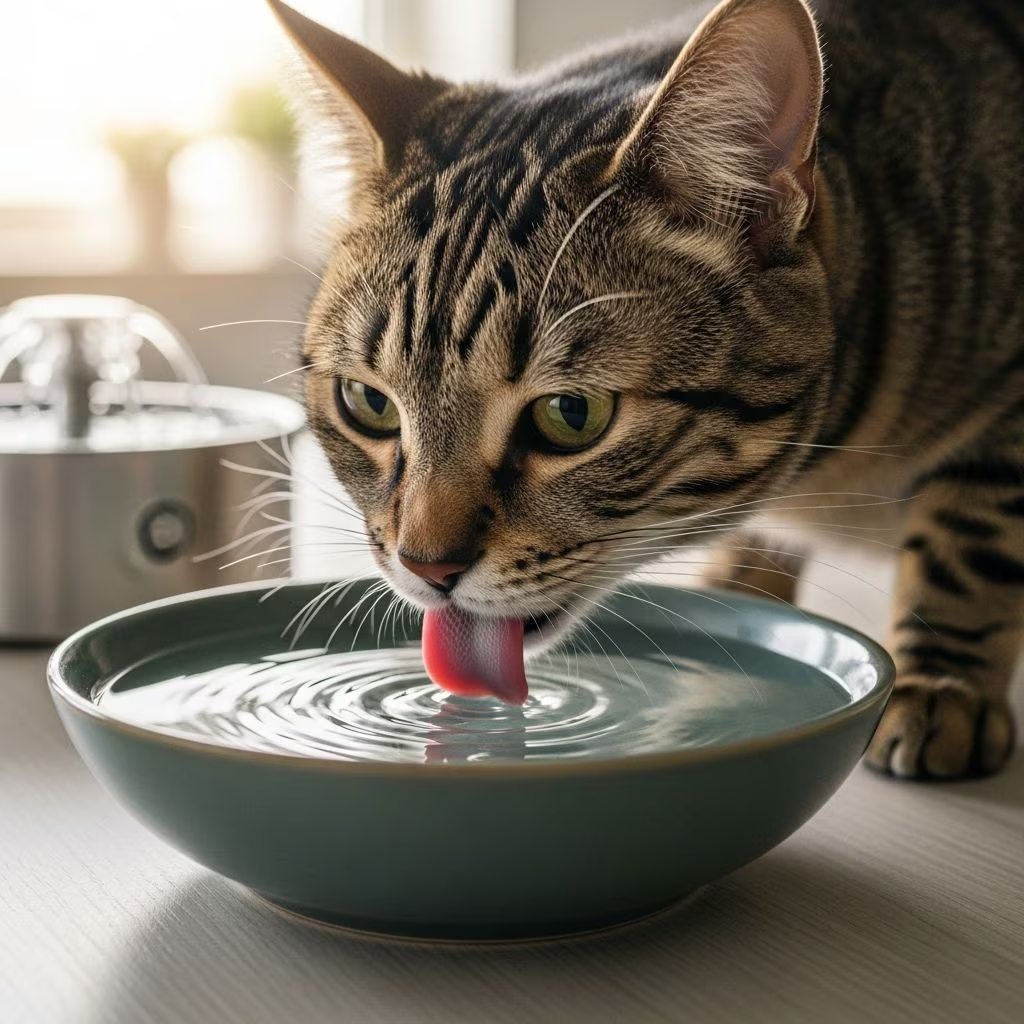
How to Get a Cat to Drink More Water: Because They Probably Need It
One of the most common challenges pet owners face is convincing their feline companions to drink adequate water. Unlike dogs, cats have a naturally low thirst drive, which can lead to chronic dehydration and serious health complications. Understanding why your cat resists drinking and learning practical strategies to encourage better hydration is essential for maintaining their long-term health and preventing preventable diseases.
Why Your Cat Isn’t Drinking Enough Water
Cats are descended from desert-dwelling ancestors who evolved to extract most of their water intake from the prey they hunted. Their ancestors’ diet consisted primarily of small rodents and birds, which contain approximately 70-80% water. This evolutionary adaptation means that cats’ bodies are designed to concentrate their urine and conserve water efficiently. However, this same biological trait that helped their ancestors survive in arid environments now works against domesticated cats whose diets have fundamentally changed.
Modern housecats typically consume dry kibble, which contains only about 10% moisture. This dramatic shift from moisture-rich prey to moisture-poor kibble means domestic cats must rely much more on active drinking to meet their hydration needs. Unfortunately, their reduced thirst drive means many cats simply don’t drink enough to compensate for this dietary change. The result is a constant state of mild dehydration that can gradually deteriorate their health over time.
Understanding Your Cat’s Daily Water Requirements
So how much water should your cat actually drink each day? According to veterinary guidelines, cats should consume approximately 3.5 to 4.5 ounces of water per 5 pounds of body weight daily. For the average 10-pound cat, this translates to roughly 7 to 9 ounces of water per day, or approximately one cup.
However, this guideline isn’t one-size-fits-all. Several factors influence your cat’s specific hydration requirements, including their diet, age, activity level, overall health status, and even seasonal temperature changes. A cat eating primarily wet food will naturally consume less water through drinking since their food already provides substantial moisture. Conversely, a cat on a dry kibble diet needs to drink significantly more to achieve proper hydration.
Rather than obsessing over exact ounces, focus on observing your cat’s drinking patterns and ensuring they’re drinking regularly throughout the day. If you notice a significant change in your cat’s drinking habits—either significantly increased or decreased consumption—consult your veterinarian, as this can indicate underlying health issues.
The Health Consequences of Feline Dehydration
Understanding the serious health implications of inadequate water intake is crucial motivation for cat owners to prioritize their pet’s hydration. Chronic, low-level dehydration can contribute to or exacerbate numerous feline health conditions.
Kidney Disease: One of the most common serious health issues in cats, kidney disease is significantly more prevalent in dehydrated cats. Proper hydration helps flush waste through the kidneys and maintains healthy kidney function, reducing the risk of developing kidney disease or experiencing kidney failure.
Urinary Tract Problems: Dehydration concentrates urine, making cats more susceptible to urinary tract infections, bladder inflammation, and the formation of crystals or stones in the bladder. Cats on dry food diets are particularly vulnerable to these issues.
Constipation and Digestive Issues: Water plays a vital role in moving food through the digestive tract and enabling proper nutrient absorption. Insufficient water intake can lead to constipation, reduced nutrient absorption, and other digestive complications.
Joint and Muscle Problems: Water keeps tissues flexible and helps cushion joints. Without adequate hydration, cats may experience joint stiffness and muscle-related discomfort.
These health consequences underscore why increasing your cat’s water intake isn’t merely a nice-to-have but rather an essential aspect of preventive healthcare.
Practical Strategies to Increase Your Cat’s Water Intake
Switch to Wet or Canned Food
The most effective way to ensure your cat receives adequate hydration is switching to a wet or canned food diet. Canned foods contain approximately 70-80% moisture, dramatically increasing your cat’s water intake without requiring them to drink additional water. Many cats naturally consume adequate hydration simply through eating wet food.
However, transitioning a cat accustomed to dry kibble to canned food requires patience and gradual adjustment. Cats can be particular about texture and taste changes. Begin the transition by mixing small amounts of canned food with their regular dry food. Gradually increase the proportion of canned food over several weeks while decreasing the dry kibble. Alternatively, you can add increasing amounts of water directly to their dry kibble to boost moisture content gradually.
Invest in a Cat Water Fountain
Many cats have an innate preference for running or moving water, which likely stems from their evolutionary history when flowing water was fresher and safer than stagnant water sources. A pet water fountain mimics natural water flow and can significantly encourage cats to drink more frequently. The movement and sound of flowing water attracts cats’ attention and triggers their natural drinking instincts, making hydration a more engaging activity.
When selecting a fountain, choose one that’s easy to clean and maintain, as fountains require regular cleaning to prevent bacterial growth and keep water fresh and appealing to your cat.
Provide Multiple Water Stations
Accessibility matters significantly when encouraging cats to drink more. Place water bowls in multiple locations throughout your home, particularly in different rooms and on different levels if you have a multi-level residence. Cats are more likely to drink water when a bowl is conveniently located near their resting areas, play areas, or feeding stations.
Consider placing water stations away from food bowls, as some cats prefer to drink separately from where they eat. This mimics their natural behavior in the wild, where water sources are typically located at a distance from hunting and eating areas.
Choose the Right Water Bowl Material
The type of water bowl you use might seem inconsequential, but it can significantly impact your cat’s willingness to drink. Plastic bowls can retain odors and harbor bacteria, making the water taste unpleasant to sensitive cats. Instead, opt for stainless steel or ceramic bowls, which are easier to clean, don’t retain odors, and are generally more appealing to cats.
Additionally, ensure bowls are cleaned and refilled with fresh water daily. Cats have a keen sense of smell and can detect staleness in water, making them reluctant to drink from bowls that haven’t been recently refreshed.
Add Water to Their Food
A simple yet effective strategy is mixing water directly into your cat’s meals. For dry kibble, add water to create a gravy-like consistency. For canned food, mix in additional water or low-sodium broth. This approach boosts hydration without requiring extra effort from your cat and ensures they’re consuming water even if they’re reluctant to drink from bowls.
Keep Water Cool and Fresh
Ensure fresh, cool water is available at all times. Change the water at least once daily, and more frequently during hot weather. Some cats prefer cool water over room temperature water, so consider this preference when setting up water stations. During hot summer months, take extra precautions to maintain hydration, as cats are especially susceptible to dehydration during warm weather.
Monitoring Your Cat’s Hydration Status
Recognizing signs of proper hydration versus dehydration is crucial for cat owners. A well-hydrated cat will have moist gums and eyes, elastic skin that returns to normal quickly when gently pulled, and regular urination. Conversely, signs of dehydration include dry gums and mucous membranes, sunken eyes, lethargy, and decreased urination.
If you notice concerning changes in your cat’s drinking or urination habits, seek veterinary attention. Excessive thirst, known as polydipsia, can indicate serious underlying conditions including kidney disease, diabetes, hyperthyroidism, or urinary tract infections. Similarly, significantly decreased water intake or changes in urination patterns warrant professional evaluation.
Can Cats Drink Too Much Water?
While encouraging increased water intake is generally beneficial, it’s worth noting that excessively increased thirst can signal health problems. If your cat suddenly begins drinking significantly more water than usual, this could indicate conditions such as kidney disease, diabetes, hyperthyroidism, or urinary tract infections. Any sudden changes in drinking behavior should prompt a veterinary consultation to rule out underlying medical issues.
Special Considerations for Different Life Stages
Different cats may have different hydration needs based on their life stage and health status. Kittens and young adult cats typically have fewer hydration-related issues, but establishing good drinking habits early sets them up for lifelong health. Senior cats are at higher risk for kidney disease and related dehydration complications, making proper hydration even more critical as they age.
Cats with pre-existing health conditions like diabetes or early-stage kidney disease require particularly careful monitoring of water intake. Work closely with your veterinarian to develop an appropriate hydration strategy for your individual cat’s health needs.
Frequently Asked Questions (FAQs)
Q: How often should I change my cat’s water?
A: Fresh water should be provided daily, with the bowl cleaned and refilled at least once per day. During hot weather or if you notice water becoming dirty, change it more frequently to keep it appealing and clean.
Q: Is tap water safe for cats?
A: Tap water is generally safe for cats in most areas. However, if your tap water is heavily chlorinated or contains other contaminants, you may consider filtered or bottled water. Consult your veterinarian about your specific water quality.
Q: Can I add anything to my cat’s water to make them drink more?
A: Avoid adding flavoring agents or supplements to water without veterinary approval. However, some cats enjoy water with a tiny amount of low-sodium broth mixed in, which can encourage drinking.
Q: My cat refuses to eat wet food. What else can I do?
A: If your cat resists wet food, focus on other strategies like providing a water fountain, multiple water stations, adding water to dry kibble, and ensuring water bowls are in appealing locations.
Q: How long should I leave water out for my cat?
A: Fresh water should be available to your cat at all times throughout the day and night. Continuous access encourages regular drinking and helps maintain consistent hydration.
Q: Should I be concerned if my cat drinks from the toilet?
A: While toilet water should ideally be avoided due to cleaning chemicals and bacteria, a cat drinking from the toilet indicates a preference for flowing water. This is a good sign that a water fountain might significantly encourage drinking from appropriate sources.
References
- How and Why to Increase Your Cat’s Water Intake — Family Veterinary Care of Oakdale. 2024. https://oakdalevet.com/how-and-why-to-increase-your-cats-water-intake/
- Feline Hydration & Dehydration Explained: Tips to Keep Your Cat Hydrated — Sphinx Cat Feeder. 2024. https://sphinxcatfeeder.com/blogs/news/the-importance-of-hydration-in-cats-ensuring-adequate-water-intake
- How Much Water Should a Cat Drink a Day? A Hydration Guide — Northwoods Veterinary Clinic. 2024. https://northwoodsvet.com/how-much-water-should-a-cat-drink-a-day/
- My Cat Won’t Drink Water But Still Eats? — Cheyenne Mountain Pet Services. 2024. https://cheyennepets.com/blog/my-cat-wont-drink-water-but-still-eats/
- Hydration — Cornell University College of Veterinary Medicine. 2024. https://www.vet.cornell.edu/departments-centers-and-institutes/cornell-feline-health-center/health-information/feline-health-topics/hydration
- The Importance of Hydration for Pets: Water and Pet Health — Houston Veterinary Clinic GA. 2024. https://www.houstonvetclinicga.com/blog/the-importance-of-hydration-for-pets-water-and-pet-health
- The Nutritional Value of Water — Pet Food Institute. 2024. https://www.petfoodinstitute.org/nutritional-value-water/



