

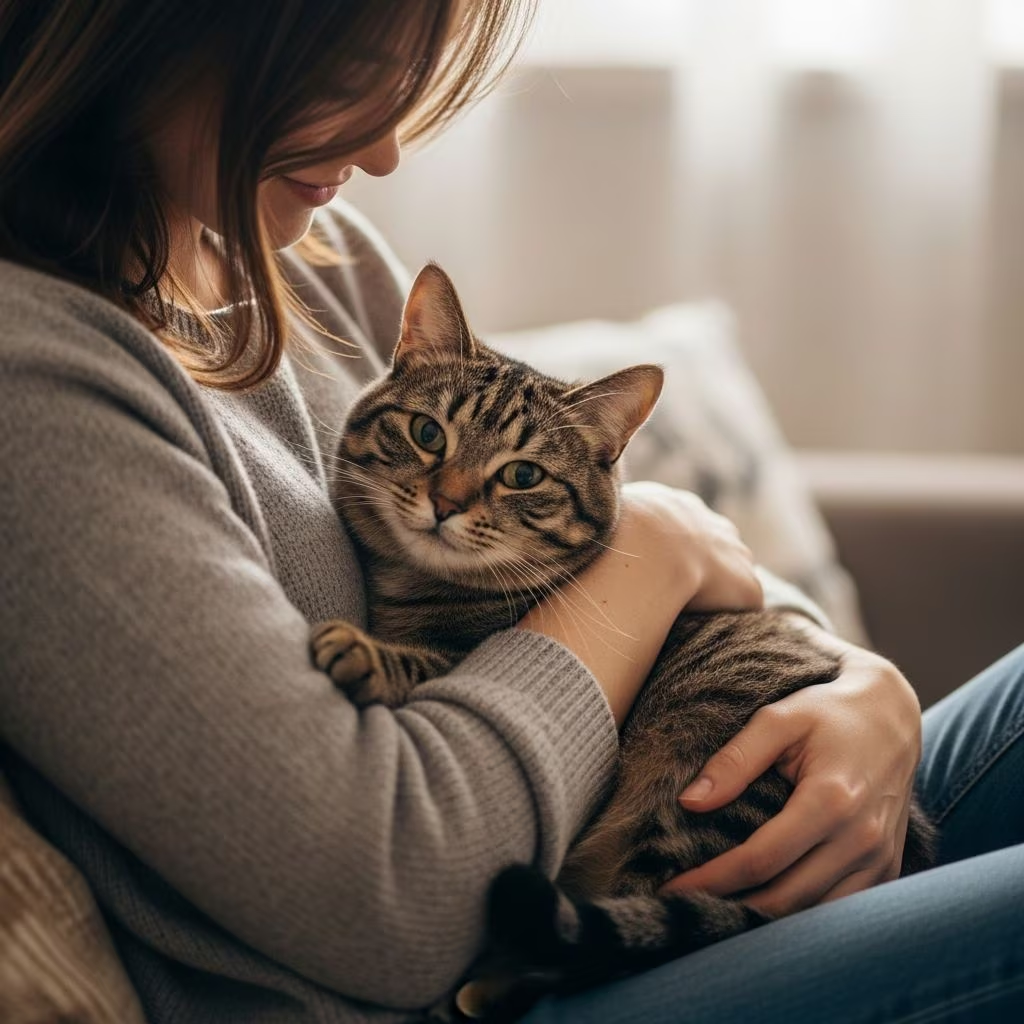
How to Get Your Cat to Cuddle: 5 Vet-Approved Tips
Many cat owners dream of having a feline companion that loves to snuggle and cuddle on their lap. While some cats are naturally affectionate, others seem more aloof and independent. The good news is that with patience, understanding, and the right approach, you can encourage even a standoffish cat to enjoy cuddle time with you. Understanding why cats cuddle is the first step toward building a stronger, more affectionate relationship with your pet.
Cats cuddle for various reasons, including seeking warmth, feeling safe, receiving attention, and bonding with their owners. These behaviors are often learned during kittenhood, but they can also be developed over time through positive reinforcement and consistent interaction. If you’ve been wondering how to make your cat more cuddly, this guide will provide you with five vet-approved strategies to help your feline friend become more comfortable with physical affection.
Understanding Your Cat’s Cuddle Behavior
Before diving into specific techniques, it’s important to understand that cats are individuals with distinct personalities and preferences. Some cats are naturally more affectionate due to genetics and early socialization, while others may have had negative experiences that make them resistant to cuddling. Certain breeds, such as Persians and Ragdolls, are naturally inclined to be more cuddly than others. However, regardless of breed or background, most cats can learn to enjoy cuddle time if approached correctly.
The key is recognizing that your cat isn’t rejecting you personally when they resist cuddling. They may simply have different comfort levels or preferences for physical contact. Some cats may prefer other forms of affection, such as head bunts, slow blinks, or sitting nearby without direct contact. Respecting these preferences while gently encouraging cuddle behavior is essential to success.
1. Be Calm and Gentle With Your Movements
One of the most important factors in encouraging your cat to cuddle is demonstrating calm, gentle behavior. Cats are naturally cautious animals that startle easily, and abrupt or aggressive movements can seem threatening, even when you mean no harm. Your cat needs to feel safe and secure around you before they’ll be willing to snuggle.
To create a calm environment that encourages cuddling:
- Move slowly and deliberately around your cat, avoiding sudden gestures or rapid motions
- Speak in a soft, quiet voice rather than using loud or excited tones
- Use slow, gentle blinks as a sign of trust—when your cat sees you slow-blinking, they may slow-blink back
- Avoid reaching out suddenly to grab or pick up your cat, as this can feel threatening
- Give your cat space and allow them to approach you on their own terms
This approach is especially important if you’ve recently adopted your cat or if they have a history of being handled roughly. Over time, your calm demeanor will help your cat become more accustomed to your presence and more willing to engage in physical contact. While this alone may not transform a standoffish cat into a cuddly companion immediately, it’s an essential foundation for building trust and comfort.
2. Offer Plenty of Pets in the Right Places
Not all cats enjoy being petted in the same way or in the same locations. Learning where your cat likes to be touched is crucial for encouraging more cuddling and physical affection. When your cat approaches you or sits nearby, reward this behavior with gentle petting in areas they enjoy.
The best areas to pet most cats include:
- Behind the ears—many cats love gentle scratches in this sensitive area
- Under the chin—a favorite spot for most affectionate cats
- Along the cheeks and sides of the face—cats often enjoy gentle strokes here
- The back and sides—long, gentle strokes along the body are often appreciated
However, be cautious about touching the belly, paws, and tail. While some cats enjoy belly rubs, many find these areas too sensitive and may respond by swatting or biting. Only approach these areas if your cat has clearly demonstrated that they enjoy it. Pay attention to your cat’s body language and stop petting immediately if they show signs of discomfort, such as tail twitching, skin rippling, or attempts to move away.
When your cat allows you to pet them comfortably, they’re building positive associations with physical contact. This can gradually lead to them being more willing to cuddle and spend time close to you. Consistency is key—the more frequently you reward your cat’s approach with pleasant petting, the more they’ll seek out your company.
3. Create a Comfortable and Safe Environment
Cats are more likely to cuddle when they feel safe and secure in their surroundings. Creating an environment where your cat feels protected and comfortable will encourage them to seek out your company and enjoy physical affection. This includes both the physical space and the emotional atmosphere you create.
To encourage cuddling through environmental factors:
- Provide cozy spots near you, such as a comfortable cushion on the couch or a cat bed beside your chair
- Maintain a warm environment—cats love warmth and are more likely to cuddle when it’s cool or chilly
- Minimize loud noises and sudden disturbances that might startle your cat
- Spend relaxed time together in calm settings, such as during quiet evenings or lazy weekend mornings
- Ensure your cat has escape routes and safe spaces where they can retreat if they feel overwhelmed
The temperature of your lap is actually a significant factor in encouraging cuddling. Cats naturally seek warmth, and your body heat provides the perfect cozy spot for them to relax. Using a warm blanket while sitting can make your lap even more inviting to a reluctant cuddler. Many cats will naturally gravitate toward warm laps, especially during cooler months or early mornings.
4. Shower Your Cat With Treats
Positive reinforcement is one of the most effective ways to encourage any behavior in cats, including cuddling. By rewarding your cat with treats when they engage in cuddle behavior, you’re building a positive association with physical affection. Over time, your cat will learn that cuddling with you results in something they enjoy, making them more likely to seek out cuddle time.
To use treats effectively for encouraging cuddling:
- Reward your cat immediately when they approach you or sit close to you—timing is crucial for them to make the connection
- Use high-value treats that your cat especially loves, not everyday kibble
- Gradually increase the duration of cuddle time before offering a treat, so they learn to stay longer
- Use treats to lure your cat into cuddle positions, such as onto your lap or beside you on the couch
- Be consistent with your reward schedule to reinforce the behavior effectively
It’s important to use treats wisely and not overfeed your cat. Only offer treats when your cat is calm and receptive, and be mindful of your cat’s overall caloric intake to prevent weight gain. Start with small portions and gradually work toward building longer cuddle sessions before providing the reward. This approach teaches your cat that patience and continued closeness result in positive outcomes.
5. Schedule Regular Grooming Sessions
Regular grooming is one of the most effective ways to encourage your cat to become more affectionate and naturally inclined to cuddle. Grooming serves multiple purposes—it keeps your cat’s coat healthy, reduces shedding, and creates positive, bonding experiences between you and your pet. Many cats that initially resist cuddling will gradually warm up to physical contact through regular grooming sessions.
Benefits of regular grooming for encouraging cuddling:
- Grooming sessions provide extended, purposeful physical contact that your cat begins to associate with bonding
- As your cat becomes more comfortable with being handled during grooming, they may become more receptive to casual cuddling
- Regular brushing or combing can be a relaxing, pleasurable experience that your cat looks forward to
- Grooming creates a routine that strengthens your bond and establishes trust
- A well-groomed cat feels more comfortable and may naturally seek more physical contact
Start with short grooming sessions and gradually extend them as your cat becomes more comfortable. Use tools and techniques that your cat enjoys, and always stop before they show signs of irritation. Many cats will naturally begin seeking cuddle time with owners who regularly groom them, as they associate the person with positive, nurturing touch.
Understanding Your Cat’s Boundaries
While these techniques are effective for encouraging cuddling, it’s crucial to respect your cat’s individual boundaries and preferences. Not every cat will become a lap cat, and that’s perfectly normal. Some cats may never enjoy prolonged cuddling but may show affection in other ways, such as head bunting, slow blinking, bringing you gifts, licking, or nuzzling.
Signs that your cat has had enough cuddling include:
- Tail twitching or swishing rapidly
- Ears flattening or rotating backward
- Skin rippling along the back
- Attempting to move away or creating distance
- Sudden changes in body tension or stiffness
- Dilated pupils or focused stare
When you notice these signs, stop cuddling immediately and give your cat space. Pushing your cat beyond their comfort level can damage your relationship and make them even more resistant to physical affection. Building trust takes time, and respecting your cat’s signals is essential to long-term success.
The Role of Patience and Consistency
Perhaps the most important ingredient in encouraging your cat to cuddle is patience. Changes in behavior don’t happen overnight, especially for cats that have had limited socialization or negative experiences with handling. Consistent, gentle efforts over weeks and months will gradually help your cat become more comfortable with physical affection.
Some cats may become noticeably more cuddly within a few weeks, while others may take months to show significant changes. Every cat is unique, and progress may be slow and subtle. Celebrating small victories—such as your cat sitting nearby, allowing gentle touches, or approaching you for attention—is important for maintaining your motivation and building a positive relationship.
Frequently Asked Questions
Q: My cat won’t cuddle at all. Is there something wrong?
A: Not necessarily. Some cats are simply less affectionate due to genetics, breed characteristics, or early experiences. It doesn’t mean your cat doesn’t like you—they may show affection in other ways like head bunting, slow blinking, or sitting nearby. However, if your cat’s behavior has suddenly changed, consult your veterinarian to rule out health issues or stress.
Q: How long does it take to make a cat more cuddly?
A: The timeline varies significantly depending on your cat’s age, background, and personality. Some cats may respond within weeks, while others may take several months to show noticeable changes. Consistency and patience are more important than speed.
Q: Is it okay to force my cat to cuddle?
A: No, forcing your cat to cuddle can damage your relationship and make them more resistant to physical affection. Always allow your cat to approach you willingly and respect their boundaries.
Q: What if my adopted cat never cuddles?
A: Adopted cats, particularly those with unknown histories, may take longer to warm up to cuddling. Continue using the techniques mentioned in this article, and be patient. If your cat shows affection in other ways, celebrate that progress.
Q: Can treats really encourage cuddling?
A: Yes, positive reinforcement with treats is highly effective. However, use high-value treats and pair them with your calm, gentle demeanor for best results. Always monitor your cat’s overall caloric intake.
Q: Are certain cat breeds more cuddly than others?
A: Yes, breeds like Persians and Ragdolls are naturally more inclined toward cuddling, while more active breeds may be less interested. However, individual personality plays a significant role regardless of breed.
References
- Why Do Cats Like to Cuddle? 5 Vet-Verified Reasons — Catster. https://www.catster.com/cat-behavior/why-do-cats-like-to-cuddle/
- Cat Cuddles: Vet-Verified Facts About Kitty Snuggling — Catster. https://www.catster.com/cat-behavior/cats-cuddling/
- How to Get Your Cat to Cuddle: 5 Vet-Approved Tips — Catster. https://www.catster.com/cat-behavior/how-to-get-a-cat-to-cuddle/
- Why Is My Cat So Affectionate in the Morning? Vet Facts — Catster. https://www.catster.com/cat-behavior/why-is-my-cat-affectionate-in-morning/
- What Do Cats Really Think About Hugs? Vet-Reviewed Facts — Catster. https://www.catster.com/cat-behavior/what-do-cats-really-think-about-hugs/



