

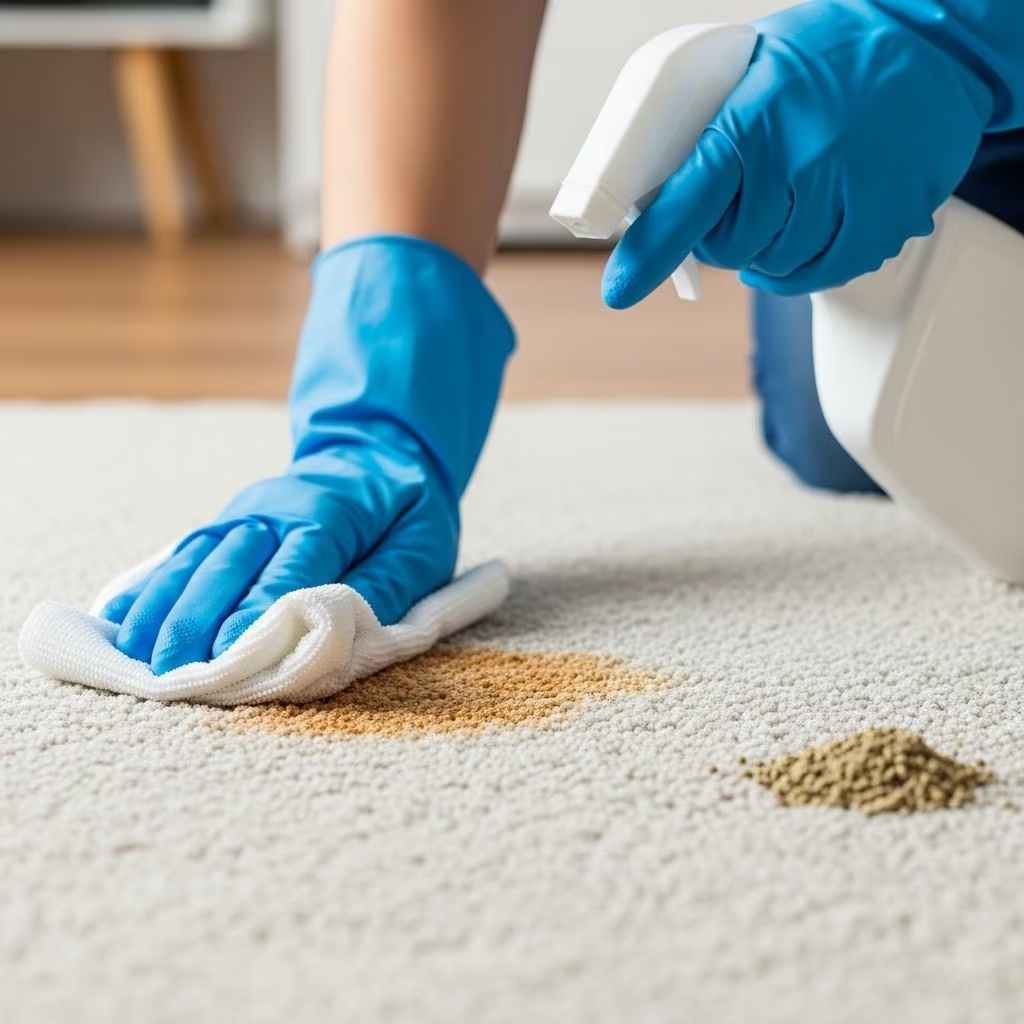
Cat poop accidents on carpets can leave persistent odors and stains that challenge even seasoned pet owners. Prompt action using household items like vinegar, baking soda, and hydrogen peroxide effectively neutralizes smells and removes residues without damaging fibers. This guide covers immediate cleanup, DIY remedies, commercial options, prevention strategies, and FAQs to help you restore your carpet fully.
Why Does Cat Poop Smell So Bad on Carpets?
Cat feces contain proteins, bacteria, and volatile compounds that produce strong sulfur-like odors when they break down. Carpets trap these substances deep in fibers and padding, allowing smells to linger and attract cats back to the spot. Moisture from urine mixed in exacerbates bacterial growth, intensifying the stench over time. Unlike hard surfaces, carpets absorb liquids, making thorough extraction essential for complete odor elimination.
Understanding the science helps: enzymes in poop digest proteins, releasing ammonia and mercaptans—gassy compounds similar to skunk spray. Without proper cleaning, these embed in carpet backing, requiring targeted neutralizers like enzymes or oxidizers to break molecular bonds.
Immediate Steps: What to Do First
Act fast to prevent stains from setting. Follow these steps:
- Wear gloves and use a plastic bag or paper towels to pick up solid waste gently, avoiding grinding it into fibers.
- Blot, don’t rub: Press clean cloths or paper towels to absorb moisture and remnants. Rubbing spreads the mess deeper.
- Avoid steam cleaners initially: Heat sets proteins; use cold water rinses instead.
Dispose of waste sealed in bags immediately to prevent cross-contamination. These initial actions minimize odor penetration by up to 80% if done within minutes.
DIY Cleaning Methods to Remove Cat Poop Smells
Household staples offer safe, effective solutions. Test all on inconspicuous areas first to check colorfastness.
Method 1: Dawn Dish Soap, Hydrogen Peroxide, and OxiClean
This powerful mix from cleaning experts breaks down stains and oxidizes odors.
- Mix 1/4 cup OxiClean, 1 1/3 cups warm water, 2 tablespoons hydrogen peroxide, and a few drops blue Dawn dish soap in a spray bottle.
- Spray generously on the stain, scrub gently with a brush if needed.
- Blot with clean towels; repeat until stain lifts.
- Rinse with cold water, blot dry.
Hydrogen peroxide bubbles lift residues, while OxiClean tackles organic matter. Effective on fresh and set-in stains.
Method 2: Vinegar and Dish Soap Solution
Vinegar’s acidity neutralizes ammonia.
- Combine 2 cups cool water, 1 tablespoon liquid dish soap (bleach-free), and 1 tablespoon white vinegar.
- Spray or pour on stain; blot repeatedly.
- Rinse with cold water; blot dry.
Ideal for light stains; vinegar deodorizes naturally without residues.
Method 3: Baking Soda for Odor Absorption
After cleaning, sprinkle baking soda liberally; let sit 10-15 minutes or overnight. Vacuum thoroughly. Sodium bicarbonate absorbs volatile odors chemically.
Method 4: Baking Soda and Hydrogen Peroxide Paste
For stubborn spots: Mix baking soda with hydrogen peroxide into a paste. Apply, let dry, then vacuum. Test for bleaching first.
Pro Tip: Repeat cycles if needed; multiple light applications outperform aggressive scrubbing.
Commercial Cleaners and Enzyme Treatments
Enzyme-based products excel at digesting proteins and bacteria at the source. Recommended options include Rocco & Roxie, Angry Orange, and Nature’s Miracle—pet-safe formulas that prevent re-soiling by eliminating scents cats detect.
- Application: Saturate stain, let dwell 10-15 minutes, blot, and air dry.
- Advantages: Faster on old stains; no bleach risk.
Oxy-based cleaners like OxiClean sprays work similarly to DIY mixes but are pre-formulated for convenience. Avoid ammonia-based products, as they mimic urine smells.
Dealing with Old or Set-In Cat Poop Smells
Older stains require patience. Scrape dried residue first, then layer treatments:
| Step | Method | Wait Time |
|---|---|---|
| 1. Pre-treat | Enzyme spray or peroxide | 15 min |
| 2. Scrub | Dish soap solution | 5 min |
| 3. Deodorize | Baking soda + vinegar spray | Overnight |
| 4. Vacuum | – | – |
For deep padding odors, rent a carpet extractor or apply enzyme solution liberally, covering with plastic wrap to keep moist. Professionals use hot water extraction post-treatment for 95% odor removal.
Preventing Future Cat Poop Accidents on Carpets
Cleaning alone isn’t enough; address root causes.
- Litter box maintenance: Scoop daily, deep clean weekly with mild soap. Ensure 1 box per cat +1.
- Health checks: Diarrhea or constipation signals vet issues like diet or parasites.
- Location and type: Place boxes in quiet, accessible spots; try unscented clumping litter if aversion suspected.
- Training aids: Use litter attractants or pads during transitions.
- Carpet protection: Apply Scotchgard or plastic runners in high-risk areas.
Cats avoid soiled boxes, leading to carpet use. Stress reduction via pheromones (Feliway) cuts incidents by 70%.
When to Call a Professional Carpet Cleaner
If DIY fails after 2-3 attempts, or odors persist in padding, pros use truck-mounted extractors and industrial enzymes. Costs $100-300 per room but guarantees results. Ideal for wool or antique carpets.
Frequently Asked Questions (FAQs)
Can vinegar alone remove cat poop smells from carpet?
Yes, mixed with water and dish soap, it neutralizes odors effectively on fresh stains. For deeper smells, follow with baking soda.
Is hydrogen peroxide safe for all carpets?
No; test first, as it may bleach colors. Safe for most synthetics but avoid wool.
Why does my cat keep pooping on the carpet?
Possible causes: dirty litter box, medical issues, stress, or litter dislike. Clean thoroughly to remove scents and consult a vet.
How long does baking soda take to eliminate odors?
10-30 minutes for surface smells; overnight for best absorption. Vacuum well.
Are enzyme cleaners better than DIY methods?
Yes for protein-based stains; they digest residues DIY can’t, preventing returns.
Can I use bleach on cat poop stains?
Never; it damages fibers and creates toxic fumes with ammonia in poop.
References
- DIY Method for Getting Poop Stains & Smells OFF the Carpet — What’s Up Fagans. 2021-01-28. https://www.youtube.com/watch?v=DX4gor0dqUI
- Here’s How to Get Pet Poop Stains Out of Carpet — Hate Stains. N/A. https://hatestains.com/blogs/news/heres-how-to-get-pet-poop-stains-out-of-carpet
- Accidents Happen: How to Remove Pet Poop Stains from Carpet — Easipay Carpets. N/A. https://www.easipaycarpets.co.uk/blog/clean-pet-poop-from-carpets/
- Cleaning Cat Poop: A Comprehensive Guide — Class Act Cats. N/A. https://classactcats.com/blog/cleaning-cat-poop/
- My cat’s decided it’s better to poop on the carpet instead of in the litter box — Quarter to Three Forums. N/A. https://forum.quartertothree.com/t/my-cats-decided-its-better-to-poop-on-the-carpet-instead-of-in-the-litter-box/153409



