

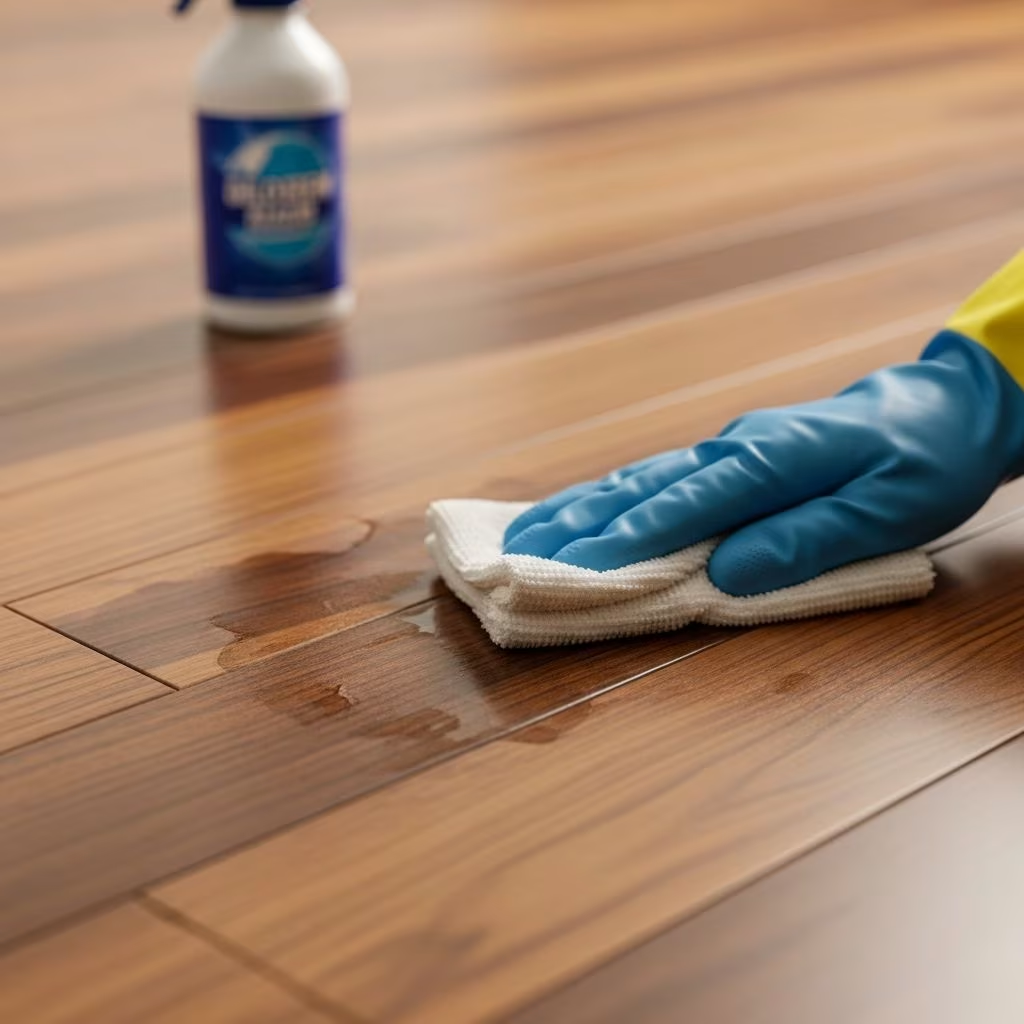
Cat urine odors on hardwood floors can linger due to wood’s porous nature, which absorbs liquids deeply, making complete removal challenging. Quick action with the right cleaners restores freshness and prevents stains.
Why Does Cat Pee Smell So Bad on Wood Floors?
Cat urine contains urea, urochrome, and bacteria that break down into ammonia and other pungent compounds, especially as it soaks into porous wood. Hardwood’s finish may seal the surface, but unsealed or worn areas allow penetration, leading to persistent smells that intensify over time.
- Porosity of wood: Unlike tile, wood absorbs urine, trapping odors below the surface.
- Bacterial growth: Warm, moist conditions promote bacteria that amplify the stench.
- Acidic nature: Urine’s pH etches finishes, creating black stains and embedded smells.
Addressing this promptly prevents long-term damage and health risks from airborne bacteria.
Immediate Steps: What to Do When You Find Cat Pee on Wood Floors
Act fast to minimize absorption. Blot excess liquid without rubbing to avoid spreading.
- Blot with paper towels: Press firmly to soak up as much urine as possible. Dispose of towels immediately to contain the odor.
- Avoid water initially: Water dilutes but pushes urine deeper into wood grain.
- Ventilate the area: Open windows or use fans to dry the spot quickly.
These steps limit penetration, setting the stage for effective cleaning.
How to Clean Fresh Cat Pee from Hardwood Floors
For recent accidents, enzyme-based cleaners break down urine proteins at the molecular level, neutralizing odors without damaging finishes.
- Enzyme cleaner application: Saturate the area, let sit for 10-15 minutes, then blot. Repeat if needed.
- Baking soda paste: Mix with water, apply, let dry, and vacuum. Absorbs residual moisture and odors.
- pH-neutral options: Pet-specific floor cleaners like those powered by baking soda safely remove residue without harming wood.
Test all cleaners in an inconspicuous area first to ensure no discoloration.
Removing Old or Set-In Cat Urine Stains and Smells
Older stains require stronger measures as urine crystals harden in wood pores.
| Method | Steps | Pros | Cons |
|---|---|---|---|
| Hydrogen Peroxide | Pour 3% solution over stain, cover with cloth, let bubble for 5-10 mins, wipe clean. | Breaks down enzymes effectively | May lighten wood; test first |
| Baking Soda & Vinegar | Sprinkle soda, spray vinegar, scrub lightly, vacuum after drying. | Natural, affordable | Vinegar risks finish damage |
| Enzyme Sprays | Apply liberally, cover with plastic for 24 hours, wipe. | Targets proteins deeply | Slower for old stains |
For severe cases, sanding the top layer may be necessary, but consult professionals to avoid uneven floors.
Best Cleaners and Home Remedies for Cat Pee on Wood
Choose pet-safe, wood-friendly products over harsh chemicals.
- Enzymatic cleaners: Nature’s Miracle or Rocco & Roxie break uric acid crystals.
- Baking soda: Excellent absorbent; sprinkle liberally, let sit overnight, sweep.
- Hydrogen peroxide: Effective for stains but use sparingly on sealed wood.
- Avoid vinegar: Its acidity can strip finishes despite common advice.
Commercial pH-neutral pet cleaners offer convenience and safety for repeated use.
Why Is My Cat Peeing Outside the Litter Box on Wood Floors?
Inappropriate urination signals underlying issues; address the cause to stop recurrence.
- Medical problems: UTIs, diabetes, or kidney disease cause urgency; vet check essential.
- Stress or anxiety: New pets, moves, or changes trigger marking.
- Litter box issues: Dirty box, wrong litter type, or poor location repels cats.
- Territorial behavior: Unneutered cats spray to mark; spaying/neutering reduces this by 90%.
Hardwood’s smooth texture may appeal over gritty litter. Observe patterns and consult a vet.
Prevention Tips: Stop Cat Pee Accidents on Hardwood
Proactive measures maintain clean floors long-term.
- Litter box maintenance: Scoop daily, full clean weekly, provide one box per cat plus one.
- Stress reduction: Pheromone diffusers like Feliway calm anxious cats.
- Deterrents: Foil or double-sided tape on problem spots; citrus scents repel.
- Regular sealing: Reapply polyurethane to seal pores against future absorption.
- Vet visits: Annual checkups catch issues early.
Positive reinforcement training encourages litter use.
Professional Help: When DIY Methods Fail
If odors persist after multiple attempts, pros use industrial enzyme treatments, ozone machines, or sanding.
- Signs to call pros: Black stains, widespread smell, or multiple incidents.
- What they do: Deep extraction cleaning, UV light detection for hidden spots.
- Cost: $200-$500 depending on area size.
Prevention saves money over repeated repairs.
Frequently Asked Questions (FAQs)
Will vinegar remove cat pee smell from wood floors?
Vinegar neutralizes odors temporarily but its acidity can damage hardwood finishes; opt for pH-neutral alternatives.
Does baking soda really work on cat urine in wood?
Yes, baking soda absorbs moisture and odors effectively when left overnight and vacuumed.
How do I get rid of cat pee smell without damaging wood?
Use enzyme cleaners or pet-safe formulas; blot immediately and avoid excess water.
Why does cat pee smell worse on hardwood than carpet?
Wood’s lack of padding allows evaporation of concentrated ammonia gases more readily.
Can hydrogen peroxide remove old cat urine stains?
It oxidizes stains effectively, but test on a hidden spot as it may bleach the wood.
Long-Term Odor Control Strategies
Beyond cleaning, integrate habits for odor-free living.
- Mats or rugs in high-risk areas catch accidents.
- Air purifiers with HEPA and carbon filters trap pet odors.
- Monthly deep cleans with wood-safe products.
Consistent prevention ensures your home stays fresh.
References
- Cleaning Cat Pee from Hardwood Floors — Quick Shine Floors. Accessed 2026. https://www.quickshinefloors.com/cleaning-cat-pee-from-hardwood-floors/
- How to Get Cat Urine Smell Out of Hardwood Floors — ExpertVillage Leaf Group (YouTube). 2020-12-11. https://www.youtube.com/watch?v=eZpy7Bo5UTc
- How To Get Rid of Cat or Dog Urine Smell From Hardwood Floors — Dave’s Floor Sanding. 2022-11-07. https://davesfloorsanding.com/2022/11/07/how-to-get-rid-of-cat-or-dog-urine-smell-from-hardwood-floors/



