

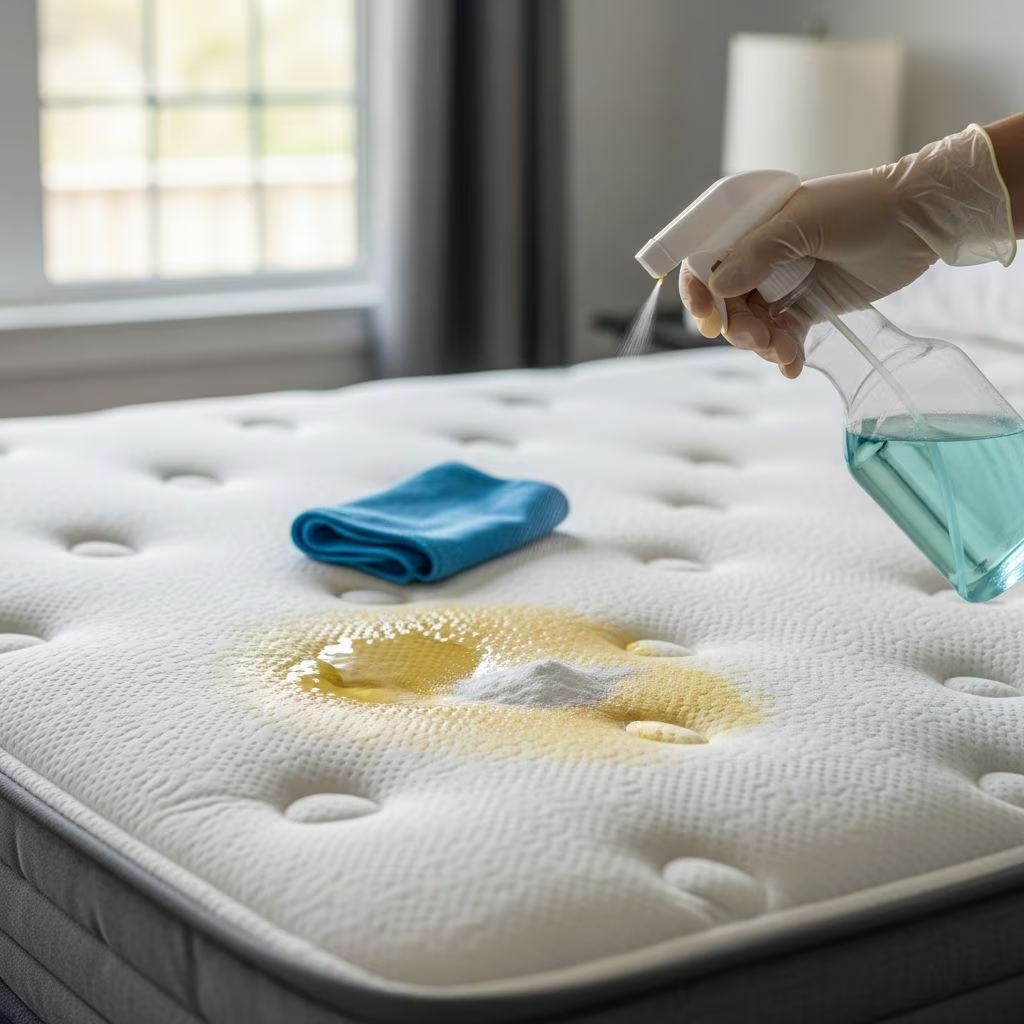
Cat urine accidents on mattresses are common for pet owners, but the pungent ammonia-based odor can linger if not addressed properly. Cat pee contains urochrome, ammonia, and salts that penetrate porous fabrics, leading to persistent smells and stains if not treated promptly. Acting quickly minimizes damage and prevents your cat from re-marking the spot, as residual odors attract repeat offenses. This guide covers effective cleaning methods, prevention strategies, and expert tips to restore your mattress.
Why Cat Pee Smells So Bad and Sticks Around
Cat urine’s strong odor stems from its high concentration of ammonia and acidic compounds, which intensify as it dries. Unlike human urine, pet urine has pheromones that signal territory, prompting cats to urinate again in the same area. Mattresses, with their foam, padding, and fabric layers, absorb these liquids deeply, making extraction challenging. Bacteria break down urea into ammonia gas over time, perpetuating the smell even after surface cleaning. Fresh accidents are easier to clean; dried ones require enzymatic breakdown to neutralize proteins fully.
Supplies You’ll Need for Cleaning
Gather these household essentials before starting to ensure efficient cleanup:
- Clean towels, rags, or paper towels for blotting
- Spray bottle
- Distilled white vinegar
- Baking soda
- Laundry detergent or dish soap
- Vacuum cleaner with upholstery attachment
- Enzyme-based pet cleaner (e.g., Nature’s Miracle)
- Hydrogen peroxide (3% solution, for stubborn stains)
- Gloves to protect your hands
Avoid bleach, ammonia-based cleaners, or steam cleaners, as they can damage mattress materials and react with urine to worsen odors.
Step-by-Step Guide: Vinegar and Baking Soda Method
This affordable DIY approach uses vinegar to neutralize ammonia and baking soda to absorb moisture and odors. It’s ideal for fresh cat pee stains.
- Remove and wash bedding: Strip sheets and covers immediately. Launder with 1 cup vinegar and a box of baking soda to kill odors at the source.
- Blot excess urine: Press clean towels firmly into the mattress to absorb liquid without rubbing, which spreads the stain deeper.
- Apply vinegar solution: Mix equal parts white vinegar and cold water with 1-2 tablespoons laundry detergent in a spray bottle. Saturate the area and let sit 10-15 minutes to break down crystals.
- Blot again: Use fresh towels to remove the solution and lifted urine.
- Sprinkle baking soda: Cover generously and let sit 8-10 hours (overnight best). Vacuum thoroughly.
- Air dry: Use fans or open windows; avoid direct sunlight to prevent fabric fading.
Repeat if odor persists. Test on a hidden spot first for colorfastness.
Hydrogen Peroxide Paste for Stubborn Stains
For set-in stains, hydrogen peroxide acts as a mild bleach while baking soda scrubs. Caution: Not for dark fabrics or foam mattresses, as it may discolor or degrade materials.
- Mix 1 cup 3% hydrogen peroxide, 3 tablespoons baking soda, and a few drops dish soap into a paste.
- Apply to stain, gently scrub with a soft brush.
- Let dry 1-2 hours, then vacuum residue.
- Inspect and repeat as needed.
Vodka can substitute for a quick dry-clean: Dab undiluted, air dry, then add baking soda.
Enzyme Cleaners: Best for Pet Urine
Enzyme cleaners contain bacteria that digest urine proteins, eliminating odors at the molecular level—crucial for preventing re-marking. PetMD and Casper recommend them over homemade mixes for cat pee.
- Blot excess urine first.
- Saturate with enzyme cleaner; let sit 15 minutes (or per label).
- Blot and air dry fully, keeping cat away.
- Follow with baking soda for extra absorption.
Available at pet stores; choose cat-specific formulas for best results.
Advanced Tips for Deep Cleaning
For soaked mattresses: Layer towels underneath, press to wick urine out, then proceed with cleaner.
Odor neutralization: After vacuuming, sprinkle fresh baking soda mixed with essential oils (lavender or citrus, cat-safe) for masking.
Professional help: If odor lingers after 2-3 attempts, hire a steam cleaning service with pet urine specialization—avoid hot water alone, as it sets proteins.
| Method | Best For | Pros | Cons |
|---|---|---|---|
| Vinegar + Baking Soda | Fresh stains | Cheap, accessible | May not fully neutralize proteins |
| Hydrogen Peroxide Paste | Stubborn stains | Bleaches discoloration | Risk of fabric damage |
| Enzyme Cleaner | Pet urine | Eliminates root cause | More expensive |
Preventing Future Cat Pee Accidents
Cleaning addresses symptoms; prevention stops recurrence. Common causes: stress, medical issues, litter box aversion.
- Vet check: Rule out UTIs or diabetes prompting frequent urination.
- Litter box tips: Provide one box per cat +1, scoop daily, use unscented clumping litter. Place in quiet spots.
- Stress reduction: Pheromone diffusers (Feliway), playtime, routine stability.
- Mattress protection: Waterproof covers (e.g., vinyl or polyurethane) block absorption.
- Training: Positive reinforcement; confine cat during retraining.
Spay/neuter reduces marking behaviors significantly.
Is Your Mattress Beyond Saving?
If multiple cleanings fail, yellowing persists, or mold develops (from moisture), replacement may be needed. Signs include:
- Persistent ammonia smell after 48 hours.
- Visible stains penetrating to foam core.
- Mattress sagging from saturation.
Budget-friendly: Memory foam toppers over protectors. Eco-tip: Donate salvageable parts if odor-free.
Frequently Asked Questions (FAQs)
Can vinegar alone remove cat pee smell from a mattress?
Vinegar neutralizes ammonia effectively but pair with baking soda for absorption. For best results, use enzyme cleaners on pet urine.
How long does cat pee smell last in a mattress?
Untreated, indefinitely; proper cleaning eliminates it in 1-3 sessions. Enzymes ensure no residue.
Is hydrogen peroxide safe for all mattresses?
No—avoid on latex, memory foam, or colored fabrics. Test small area first.
Why does my cat keep peeing on the mattress?
Residual odor, medical issues, or litter aversion. Clean thoroughly and address root causes.
Can I use a steam cleaner for cat urine?
Avoid; heat sets proteins. Cold extraction or fans preferred.
This comprehensive approach, backed by pet care experts, should banish cat pee odors. Patience and consistency yield fresh results.
References
- How to Get Urine Smell and Stains Out of a Mattress: Step-by-Step — Sleep Foundation. 2023-10-15. https://www.sleepfoundation.org/mattress-information/how-to-get-urine-smell-and-stains-out-of-a-mattress
- How To Get Rid of Cat Pee Smell — PetMD. 2024-05-20. https://www.petmd.com/cat/general-health/how-to-get-rid-of-cat-pee-smell
- How to Get Pee Out of a Mattress: 6 Easy Steps — Casper Blog. 2023-08-12. https://casper.com/blogs/article/how-to-get-pee-out-of-a-mattress
- How to Clean a MATTRESS SOAKED with CAT URINE — YouTube (Transcript). 2022-11-10. https://www.youtube.com/watch?v=WMbHqdAr7Ig
- 3 Simple Ways to Get Rid of Cat Urine Odor — Arm & Hammer. 2023-03-05. https://www.armandhammer.com/en/articles/ways-get-rid-cat-urine-odor



