

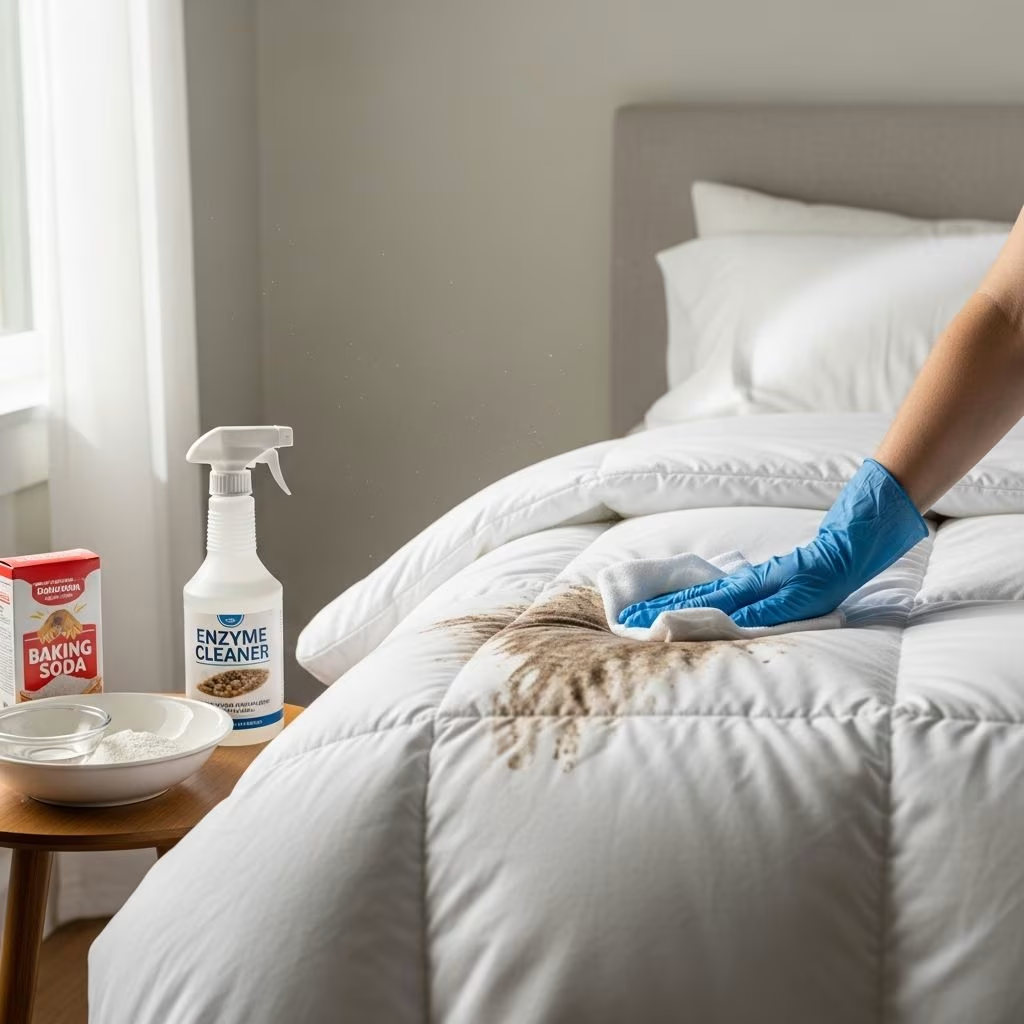
Cat urine accidents on bedding like comforters can happen to even the most litter-trained felines, leaving behind stubborn stains and pungent odors that threaten your cozy sleep setup. Acting swiftly is crucial because urine soaks into fabrics quickly, setting in proteins and uric acid that regular cleaning misses. This comprehensive guide outlines effective, pet-safe methods to restore your comforter, drawing from expert cleaning techniques that target the root of the problem without harming delicate materials.
Whether your comforter is down-filled, synthetic, or quilted, the principles remain similar: blot excess liquid, neutralize with enzymes, wash gently, and deodorize thoroughly. By following these steps, you can eliminate both visible marks and lingering smells, ensuring your bed remains inviting for you and your cat.
Why Cat Pee Is So Hard to Remove
Cat urine contains **uric acid crystals**, a byproduct of their high-protein diet, which bind to fabrics and create persistent odors even after washing. Unlike dog urine, cat pee is more concentrated, making it penetrate deeper into fibers and fillings. Standard detergents only mask the smell temporarily, as they don’t break down these crystals. Enzyme-based cleaners are essential because they contain natural proteins that digest the uric acid, preventing re-activation of odors when wet later.
Delays exacerbate the issue; urine dries and crystallizes within minutes, embedding into the comforter’s layers. Comforters, with their thick batting or down, trap moisture, fostering bacterial growth that amplifies smells. Understanding this helps you choose the right tools and act fast.
Supplies You’ll Need
Gather these pet-safe items before starting:
- Enzyme-based cat urine cleaner (e.g., Rocco & Roxie or Nature’s Miracle)
- White vinegar and baking soda
- Clean white cloths or paper towels
- Mild, fragrance-free detergent
- Spray bottle
- Gloves and vacuum with upholstery attachment
- Dryer balls (for washing down comforters)
These household staples and targeted products ensure safe, thorough cleaning without chemical residues that could irritate your cat.
Step-by-Step Guide to Cleaning Cat Pee from a Comforter
1. Immediate Response: Blot and Isolate
The moment you discover the accident, **remove the comforter from the bed** to prevent spreading. Place it on a waterproof surface or bathtub. Use paper towels or a clean cloth to gently blot—never rub—as rubbing pushes urine deeper. Press firmly to absorb as much liquid as possible, switching to dry towels until no more moisture transfers. This step minimizes penetration into the filling.
2. Rinse with Cold Water
Flush the spot with cold water from a spray bottle or faucet. Cold water dilutes the urine without setting proteins (hot water does the opposite). Continue blotting until the water runs clear, removing dissolved crystals early.
3. Apply Enzyme Cleaner
**Enzyme cleaners** are non-negotiable; they break down uric acid at a molecular level. Saturate the area generously, extending 2-3 inches beyond the visible stain to reach hidden saturation. Let it sit for 15-30 minutes (or as directed, often overnight for heavy spots). Blot excess, then repeat if needed. For down comforters, avoid over-saturating to prevent clumping.
DIY Alternative: Mix equal parts white vinegar and cold water. Spray, let sit 10-15 minutes, then blot. Vinegar neutralizes odors naturally but pair it with enzymes for best results.
4. Pre-Treat and Wash
After treatment, launder if the care label allows. Use a front-loading washer on a gentle cycle with cold water and mild detergent. Add 1/4 cup vinegar to the rinse cycle for extra deodorizing. For down comforters, include 3-4 dryer balls during a no-heat or low-heat dry cycle to restore fluff. Air drying outside in sunlight is ideal, as UV rays kill bacteria.
Pro Tip: Test cleaners on an inconspicuous area first to avoid discoloration.
5. Deodorize and Dry Completely
Sprinkle **baking soda** liberally over the area, let sit 1-2 hours (or overnight), then vacuum. For persistent smells, use activated charcoal bags nearby. Ensure full dryness—moisture reactivates odors. This may take 24-48 hours; use fans to speed it up safely.
Cleaning Specific Comforter Types
| Comforter Type | Best Method | Cautions |
|---|---|---|
| Down-Filled | Enzyme pre-treat, gentle wash, air dry with tennis balls | Avoid high heat; down clumps easily |
| Synthetic/Microfiber | Vinegar/enzyme soak, machine wash normal cycle | Check for shrinkage |
| Quilted Cotton | Spot clean only if not washable; enzyme + baking soda | Hand wash delicate items |
Tailor your approach to the material for optimal results without damage.
Dealing with Stubborn Stains and Odors
If odors linger post-wash, repeat enzyme treatment and soak in a tub with diluted cleaner for 1-2 hours before rinsing. For deep-set issues in thick comforters, consider injecting cleaner into seams with a syringe. Professional dry cleaning is a last resort for heirloom pieces, but specify pet urine treatment. Oxygen-based cleaners post-enzymes can tackle residue without harsh chemicals.
Prevention Tips to Protect Your Comforter
- Waterproof Mattress Protectors: Layer under sheets to shield bedding entirely.
- Duvet Covers: Machine-washable barriers catch accidents.
- Litter Box Maintenance: Scoop daily, deep clean weekly; rule out medical issues like UTIs with a vet visit.
- Stress Reduction: Provide multiple boxes, pheromone diffusers for anxious cats.
- Bedding Rotation: Wash seasonally; use throws on high-risk spots.
Addressing why your cat pees outside the box—medical, behavioral, or litter aversion—prevents recurrence.
Frequently Asked Questions (FAQs)
Can I use bleach on cat pee stains?
No, bleach damages fabrics, doesn’t break down uric acid, and creates toxic fumes harmful to cats.
What if the comforter isn’t machine-washable?
Spot clean with enzymes and vinegar, then steam clean or professionally launder to avoid shrinkage.
How long does cat pee smell last if untreated?
Indefinitely; uric acid crystals reactivate with moisture, perpetuating the odor.
Is vinegar safe for down comforters?
Yes, in dilution; it neutralizes without residue but follow with rinsing.
Will my cat pee on it again after cleaning?
Not if odors are fully eliminated; cats avoid soiled areas once cleaned properly.
These methods ensure your comforter stays fresh and your home harmonious.
References
- How to Get Cat Pee Out of Down Comforter: Expert Cleaning Tips — Puffy. 2023. https://puffy.com/blogs/best-sleep/how-to-get-cat-pee-out-of-down-comforter
- Cleaning Cat Pee: A Guide — Class Act Cats. 2023. https://classactcats.com/blog/cleaning-cat-pee/
- How To Get Rid Of Cat Pee Smell — PetMD. 2024-05-15. https://www.petmd.com/cat/general-health/how-to-get-rid-of-cat-pee-smell



