

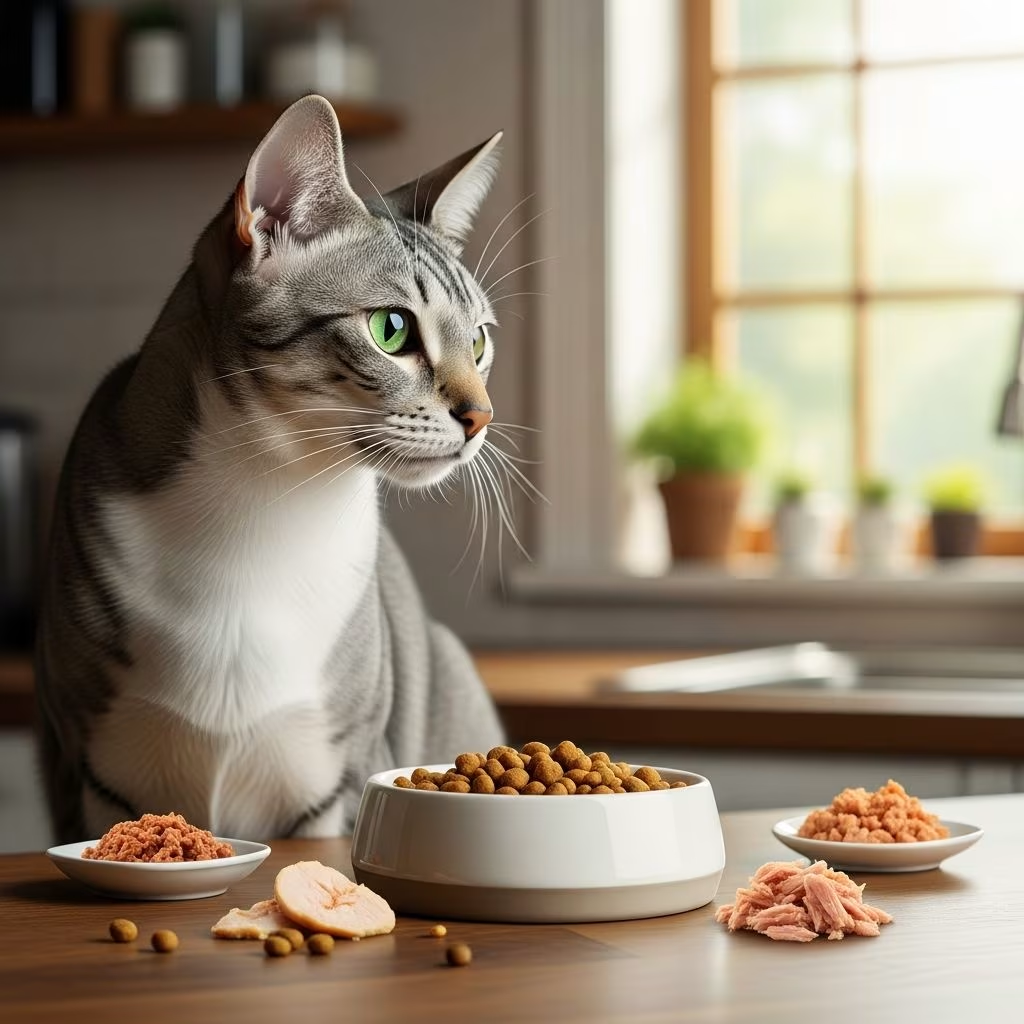
Many cat owners face the challenge of a picky eater who turns up their nose at mealtimes. While some cats devour everything in sight, others are highly selective about flavor, texture, or even their dining environment. This pickiness stems from their acute senses and instincts, but it can be addressed with simple adjustments. Importantly, a sudden refusal to eat warrants a vet visit to rule out health issues like dental pain or illness. For healthy picky cats, these 9 vet-reviewed tips can reignite their appetite and promote consistent eating habits.
Why Are Cats Picky Eaters?
Cats’ pickiness is often rooted in their biology and experiences. They possess around 470 taste buds compared to humans’ 9,000, but their senses of smell and taste are finely tuned for detecting spoilage or changes in food. Instinctively, this helps them avoid harmful prey in the wild. Early diet influences play a role too; kittens exposed to varied flavors from their mother or weaning are less likely to become finicky adults.
Sudden changes can trigger refusal: a new food formula, staleness midway through a bag, crumbly kibble texture, or even bowl odors. Environmental factors like noisy locations or proximity to litter boxes also deter eating, as cats prefer calm, separate zones for meals. Stress, illness, or monotony can compound these issues, making proactive tweaks essential.
The 9 Tips on How to Get a Picky Cat to Eat
1. Clean the Food Bowl
Cats’ superior sense of smell detects lingering odors or bacteria invisible to us, turning them off their meals. Wash bowls with hot, soapy water after every use—daily for dry food, immediately after wet. Ditch plastic bowls that trap smells; opt for stainless steel or ceramic, which are hygienic and odor-resistant. Clean water bowls equally often to prevent contamination aversion.
2. Consider Bowl Location
Cats thrive in quiet, low-traffic spots away from litter boxes, water, and chaos. They instinctively avoid eating near elimination areas to prevent disease. In multi-cat homes, provide one bowl per cat plus one extra to minimize competition and stress. Elevate bowls if your cat prefers, or test quieter rooms for better results.
3. Use Toppers and Enhancers
Sprucing up regular food with enticing add-ons can spark interest without nutritional imbalance. Try vet-approved toppers like freeze-dried chicken, tuna juice, or broth poured over kibble or wet food. These add aroma and moisture, mimicking fresh prey. Rotate flavors sparingly to avoid over-reliance, and ensure they’re calorie-appropriate.
4. Warm the Food Slightly
Room-temperature or chilled food lacks appeal; gently warming wet food to body temperature (about 100°F) releases aromas cats crave. Microwave in short bursts (stir and check to avoid hot spots), or soak kibble in warm water. This enhances palatability, especially for seniors or those with diminished senses.
5. Try a Different Texture
Texture profoundly affects appeal. Picky cats may shun pâté but love chunks in gravy, flakes, shreds, or stews. Experiment with minced, sliced, or gently cooked options. Transition dry-food cats to wet (or vice versa) gradually over 7-10 days by mixing to boost hydration and variety.
6. Switch to Fresh or High-Quality Food
Stale or low-end food loses crunch and flavor. Buy smaller bags stored in airtight containers to preserve freshness. High-protein, novel recipes like guinea fowl or human-grade options (e.g., Smalls Fresh Ground Bird with 13% protein) often win over finicky eaters. Compare ingredient lists for subtle formula changes.
7. Feed Smaller, More Frequent Meals
Cats are grazers, preferring multiple small meals mimicking hunting. Offer 4-6 mini-portions daily instead of two large ones to prevent boredom and overfilling. Use timed feeders for consistency, reducing waste and encouraging steady intake.
8. Rule Out Medical Issues
Sudden pickiness often signals health problems: dental disease, kidney issues, nausea, or pain. Monitor for weight loss, vomiting, lethargy, or diarrhea. Consult a vet promptly—early intervention prevents hepatic lipidosis, a life-threatening fatty liver condition from prolonged fasting.
9. Make Mealtimes Fun
Tap into hunting instincts with puzzle feeders, treat balls, or scattering kibble. These provide mental stimulation, slowing eating and boosting engagement. Play-hunt before meals to build appetite. In multi-pet homes, separate feeding prevents bullying.
Best Cat Foods for Picky Eaters
Selecting the right food is key. Here’s a comparison of top options based on taste appeal, quality, and nutrition:
| Product | Main Ingredients | Protein | Fat | Calories | Best For |
|---|---|---|---|---|---|
| Smalls Fresh Ground Bird | Chicken, chicken liver, green beans | 13% | 8.5% | 200 kcal/5 oz | Overall picky eaters |
| Fussie Cat Market Fresh Dry | Guinea fowl, turkey meal, peas | 35% | 15% | 415 kcal/cup | High-protein sensitive cats |
These human-grade or premium formulas use novel proteins and minimal processing to entice selective palates.
Frequently Asked Questions (FAQs)
What if my cat suddenly stops eating?
See a vet immediately; it could indicate illness, stress, or dental issues rather than mere pickiness.
How long can a cat go without eating?
Cats shouldn’t fast over 24-48 hours; risks like hepatic lipidosis rise quickly.
Is it okay to free-feed picky cats?
Measured meals are better to monitor intake and prevent obesity or under-eating.
Can stress make a cat picky?
Yes, changes like moves or new pets disrupt routines; provide stability and hiding spots.
Are wet foods better for picky cats?
Often yes, due to stronger aromas and hydration, but balance with dental health.
Preventing Pickiness in Kittens
Expose kittens to diverse textures and flavors early—weaning with both dry and wet, rotating proteins. This builds tolerance and reduces adult finickiness. Avoid overindulging one food to prevent brand loyalty.
Long-Term Nutrition for Picky Cats
Consistency matters: rotate approved foods gently, prioritize AAFCO-approved high-protein diets (40%+ for adults). Track weight monthly; under 3% loss weekly needs vet attention. Supplements like omega-3s can enhance appeal if vet-recommended.
Patience is vital—transitions take 1-2 weeks. Combine tips for best results, and celebrate small wins like extra bites. A happy, eating cat is a healthy one.
References
- Why Is My Cat Suddenly a Picky Eater? 7 Vet-Reviewed Reasons — Catster. 2023. https://www.catster.com/cat-behavior/why-is-cat-suddenly-a-picky-eater/
- How Do Cats Taste Their Food? Vet-Approved Anatomy Facts — Catster. 2023. https://www.catster.com/lifestyle/how-do-cats-taste/
- How to Get a Picky Cat to Eat: 9 Vet-Reviewed Tips — Catster. 2023. https://www.catster.com/nutrition/how-to-get-a-picky-cat-to-eat/
- 10 Best Tasting Cat Foods for Picky Cats in 2026 — Catster. 2026. https://www.catster.com/nutrition/best-cat-food-for-picky-cats/
- My Cat Won’t Eat: Causes, Feeding Recommendations & When To… — Catster. 2023. https://www.catster.com/nutrition/what-to-feed-a-cat-that-wont-eat/



