

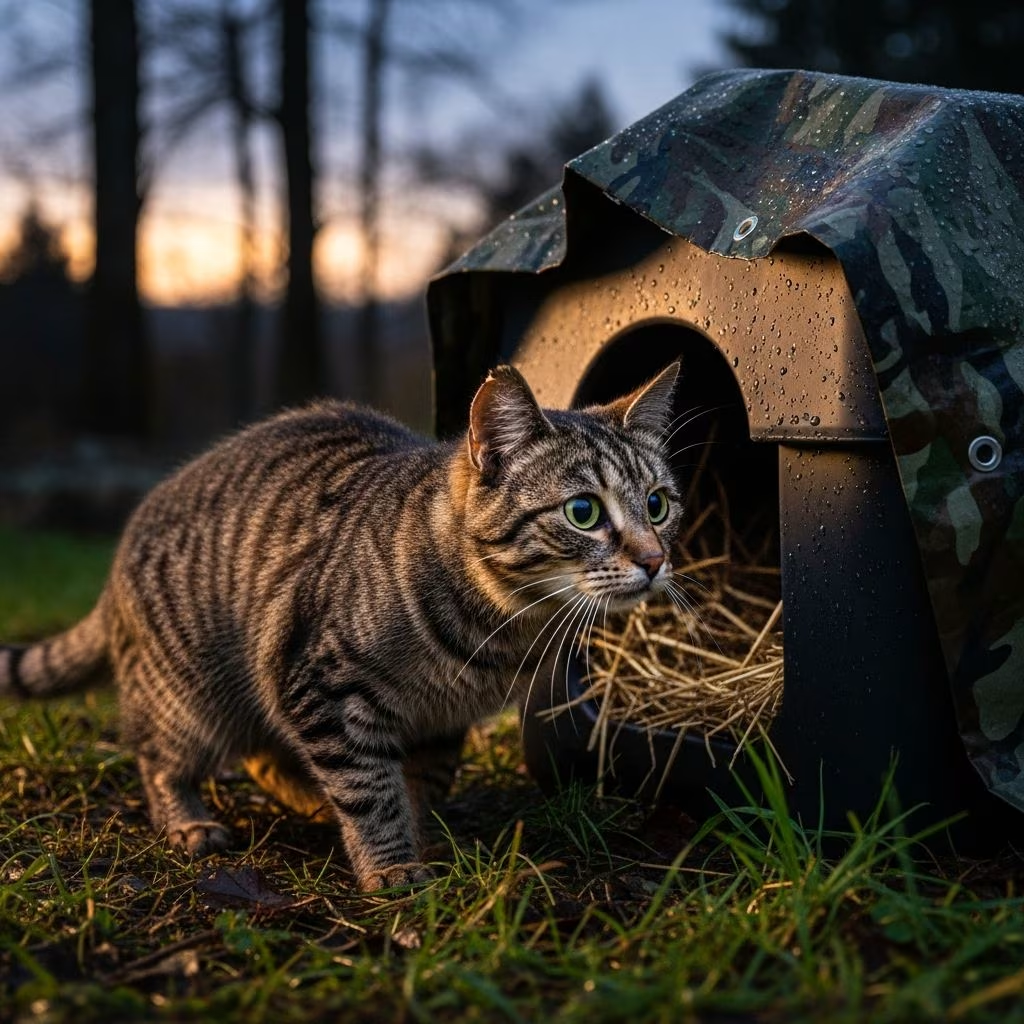
Feral cats often avoid human-made structures due to their instinctual wariness, but with strategic placement, enticing bait, and patience, you can successfully encourage them to use a shelter for warmth and protection. This guide draws from expert recommendations on feral cat care, emphasizing humane Trap-Neuter-Return (TNR) practices and environmental enrichment to improve their welfare.
Why Feral Cats Need Shelters
Feral cats, living independently in colonies, face extreme weather, predators, and lack of safe resting spots, making insulated shelters vital for survival. Community cat advocates stress that shelters mimic natural burrows, providing thermal regulation and security, especially during winter when hypothermia risks rise. According to Alley Cat Allies, shelters in TNR programs help stabilize populations by supporting healthier outdoor cats. Without shelters, feral cats resort to risky spots like under porches or in storm drains, increasing injury chances.
Building a shelter not only offers immediate refuge but also facilitates ongoing care like feeding stations nearby, fostering routine and trust. Studies on feline behavior show cats thrive on predictable environments, reducing stress and encouraging shelter adoption. Prioritizing shelters aligns with ethical feral management, avoiding relocation that disrupts colonies.
Choosing the Right Shelter Type
Select sturdy, insulated shelters sized for 1-2 cats to retain heat without overcrowding; larger ones lose warmth quickly. Popular options include:
- Plastic bin shelters: Durable, weatherproof bins modified with insulation like straw or Mylar blankets.
- Wooden A-frames: Elevated designs with slanted roofs to shed rain and snow.
- Commercial feral cat houses: Pre-built units with entry flaps for predator-proofing.
Insulate interiors with non-absorbent materials like straw over foam; avoid blankets that hold moisture and breed bacteria. Ensure entrances are small (6-8 inches) to deter larger animals while allowing easy cat access. Elevation on bricks prevents flooding and pests.
Ideal Shelter Placement
Position shelters in quiet, low-traffic areas near existing feral hangouts like bushes or garages, but away from dogs or heavy foot traffic. Face entrances away from prevailing winds and towards cover for security; cluster 2-3 shelters in colonies to allow choice without fighting.
Avoid direct sunlight or heat sources to prevent overheating; shaded spots under decks work well. Monitor for a week post-placement using trail cams if possible, adjusting based on cat paths. Proximity to feeding stations (10-20 feet away) links shelter use with positive food associations.
Enticing Feral Cats with Bait and Food
Food is the strongest motivator; start by placing smelly, high-value bait like canned tuna or wet cat food just inside the entrance. Gradually move it deeper over days:
| Day | Bait Location | Technique |
|---|---|---|
| 1-2 | Entrance threshold | Sprinkle trail from known feeding spot. |
| 3-5 | 6 inches inside | Sit nearby quietly during feeding. |
| 6+ | Full interior | Use wand toys post-meal for play. |
This mirrors trust-building in socialization, associating shelter with safety and rewards. Refresh bait daily at consistent times to build routine; feral cats prefer predictability.
Building Trust Gradually
Approach slowly with soft speech and slow blinks to signal non-threat; sudden moves trigger flight. Sit 10-15 feet away reading or talking softly while they eat near the shelter, reducing over days. Use Feliway diffusers or calming music to ease anxiety.
Positive reinforcement via treats rewards approach; clicker training links sounds to goodies for faster habituation. Patience is key—full trust may take weeks, respecting their independence.
Overcoming Common Challenges
- Shelter ignored: Reposition closer to trails or add heated pads (battery/solar) in extreme cold.
- Multiple cats fighting: Provide extras; TNR first to curb reproduction.
- Predator access: Secure flaps and elevate; monitor for raccoons.
- Dirty interior: Straw repels moisture; clean monthly without trapping.
For fractious cats, enrich with toys or scent items like used litter to familiarize. If unadoptable, TNR and shelter support is ideal.
Maintenance and Monitoring
Check weekly for wear, refreshing bedding and bait; track usage via paw prints or fur. Partner with TNR groups for spay/neuter, eartipping to avoid retrapping. Seasonal adjustments: extra insulation winter, shade summer.
Long-term, shelters boost survival rates; Best Friends notes enriched environments cut shelter stress dramatically.
Frequently Asked Questions (FAQs)
What if the feral cat still won’t use the shelter?
Persist with consistent baiting and observe patterns; combine with TNR for calmer cats. Allow 2-4 weeks.
Can I trap the cat to introduce the shelter?
Use humane traps for TNR first, then release near shelter with familiar scents inside.
What’s the best bedding for moisture control?
Straw or hay; avoids mold unlike blankets.
How many shelters per colony?
One per 2-3 cats, clustered for choice.
Are heated shelters safe for ferals?
Yes, with low-voltage, chew-proof cords; solar best.
References
- Socializing Feral Cats — Cattitude Adjustment. 2023. https://www.cattitude-adjustment.com/blog/socializing-feral-cats-1
- Cat Friendly Practices for Animal Shelters — Alley Cat Allies. 2024-05-15. https://www.alleycat.org/resources/feline-friendly-practices-for-shelters/
- Feral to Friendly: Tips for Socializing Shy Kittens and Cats — Community Cats Podcast. 2023-11-10. https://www.communitycatspodcast.com/feral-to-friendly-tips-for-socializing-shy-kittens-and-cats/
- Enrichment for Shelter Cats — Best Friends Animal Society. 2024-01-20. https://bestfriends.org/pet-care-resources/enrichment-shelter-cats
- Taming Feral Kittens and Cats — Urban Cat League (YouTube Transcript). 2022. https://www.youtube.com/watch?v=oiGZ8I7JF4M



